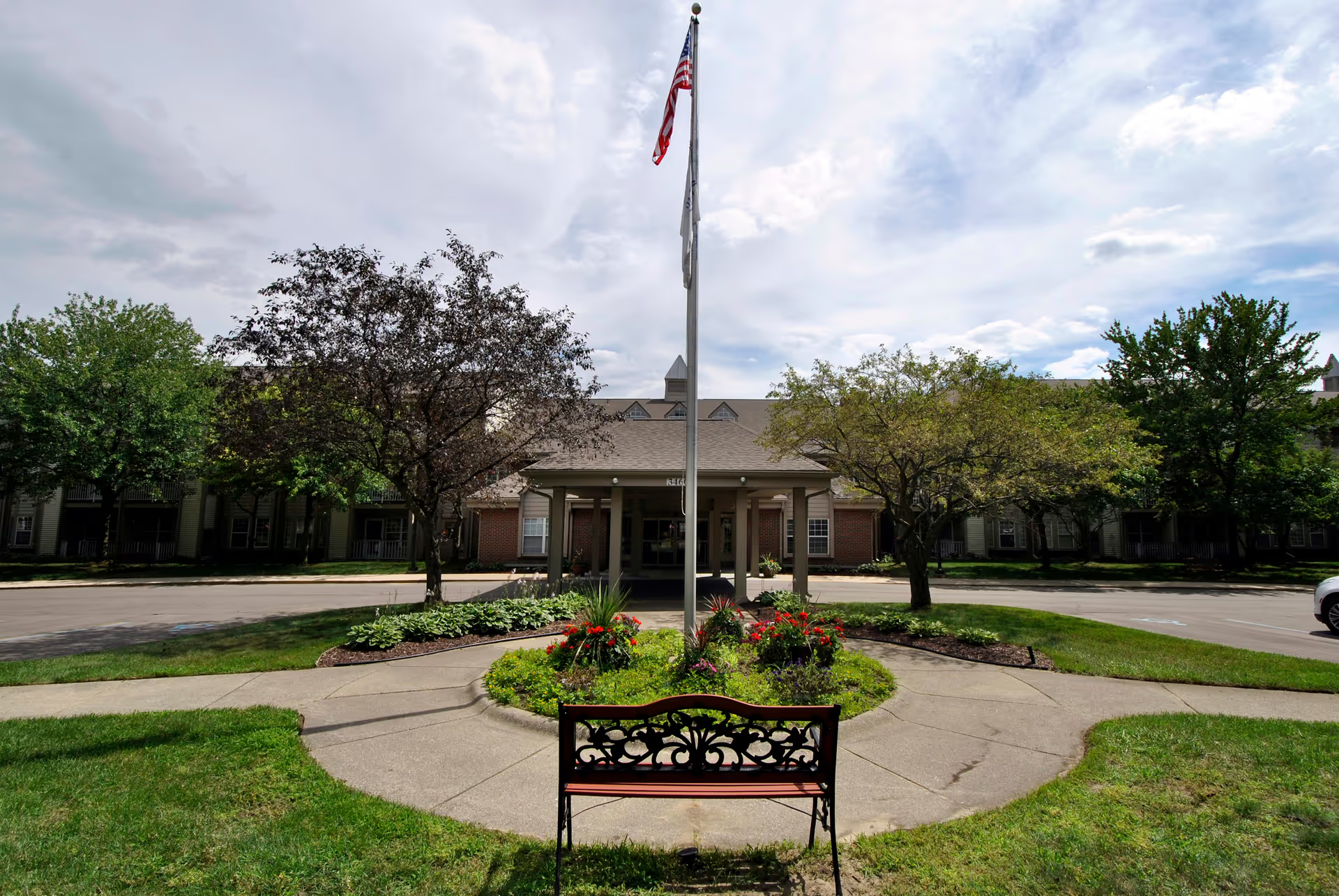
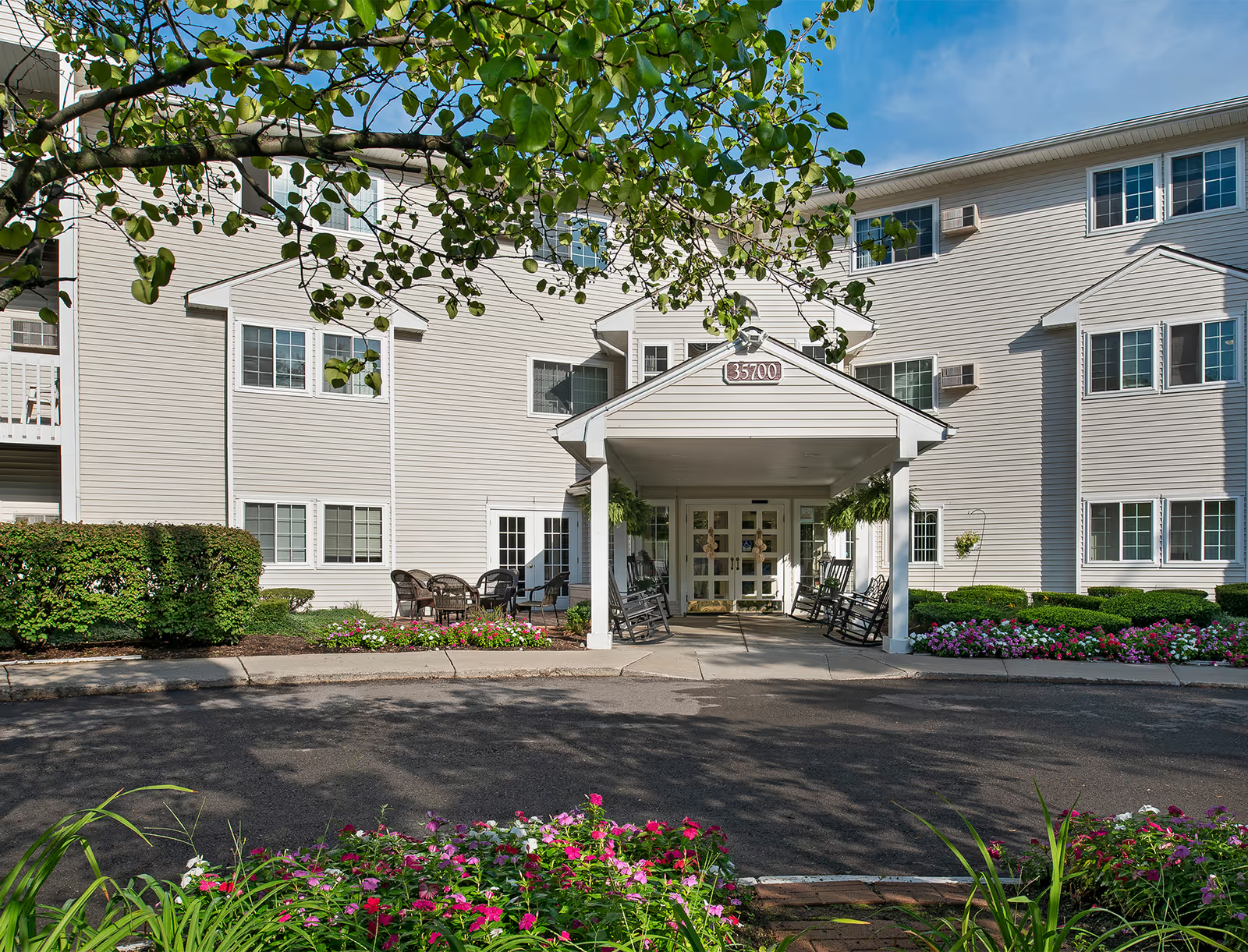
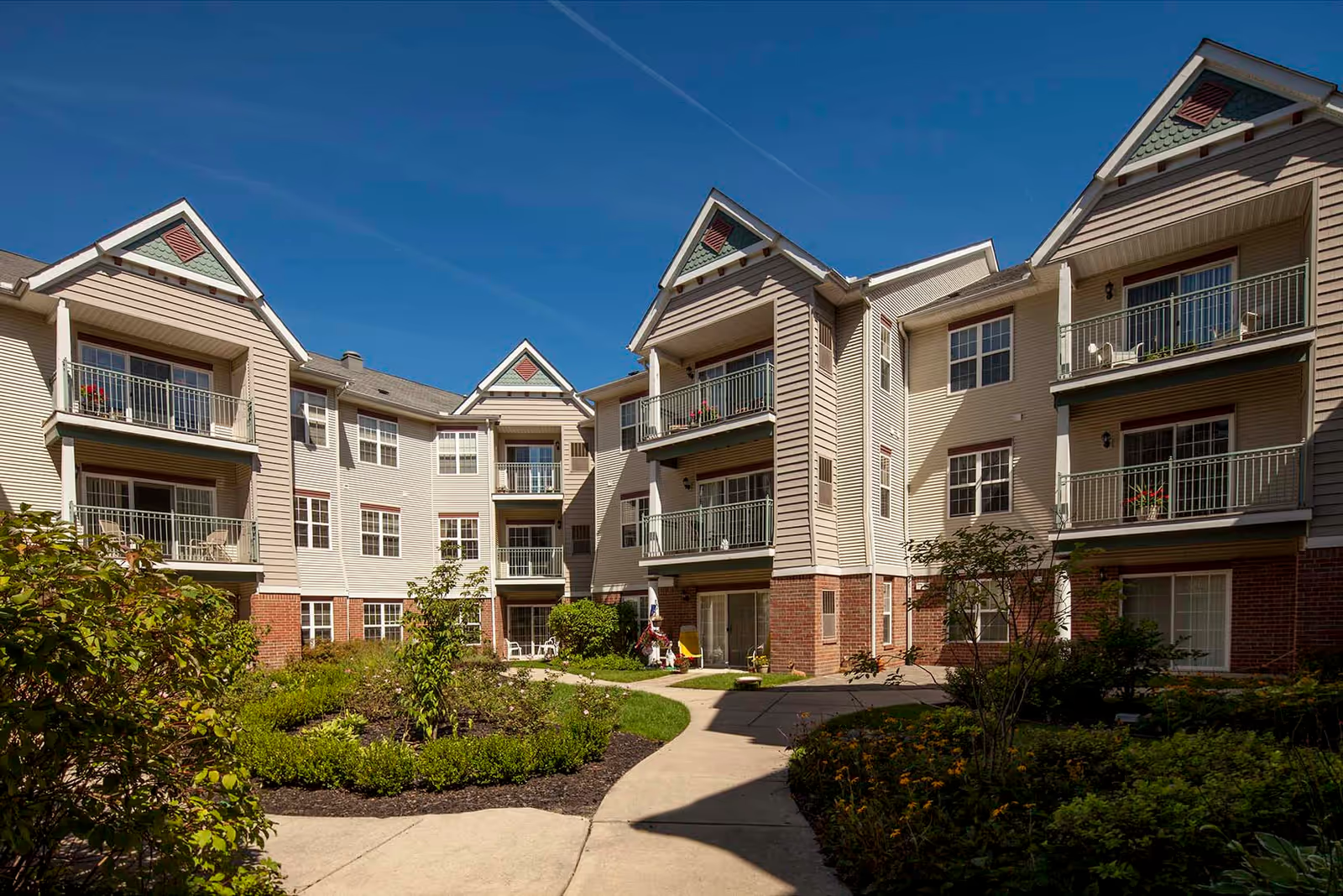
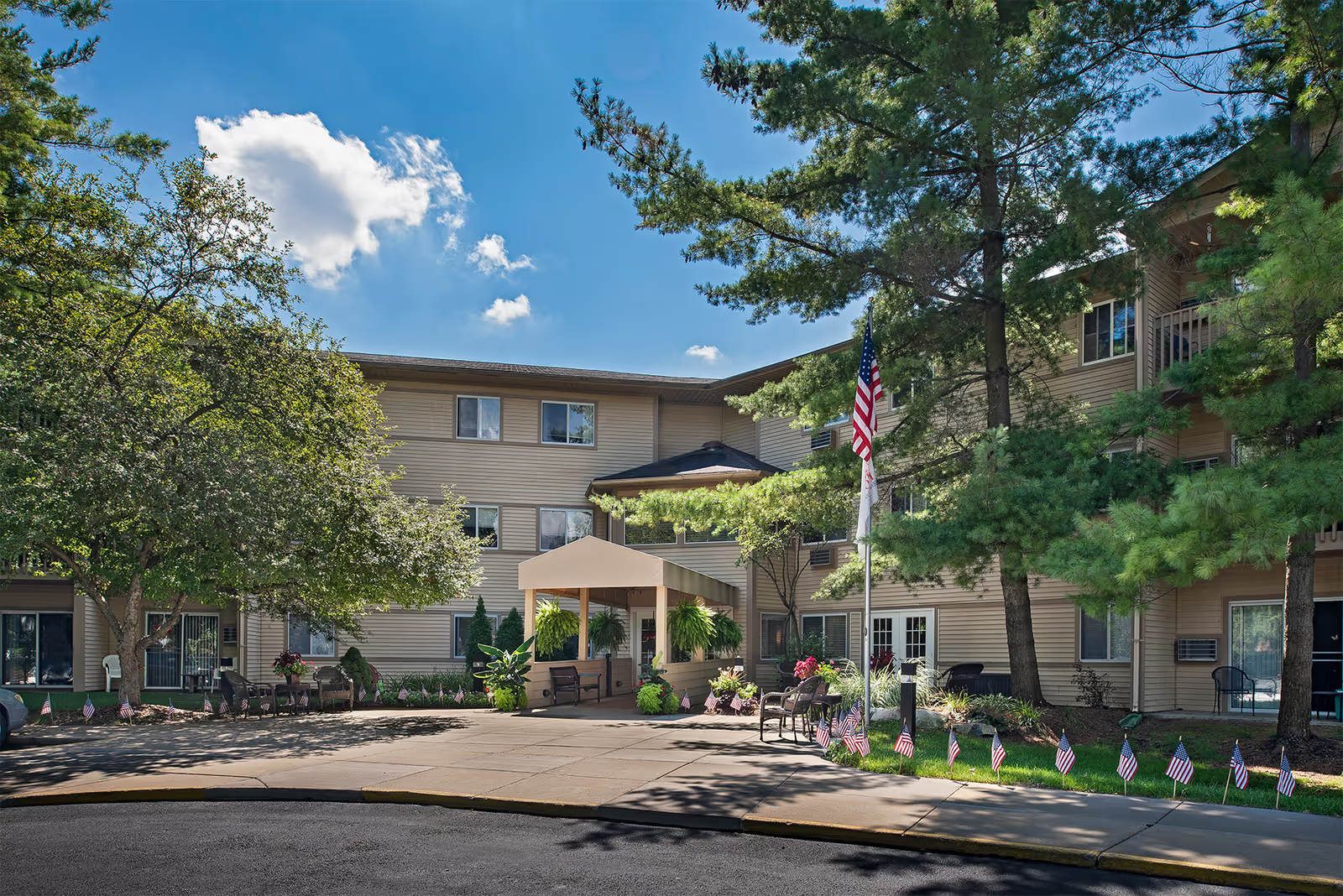
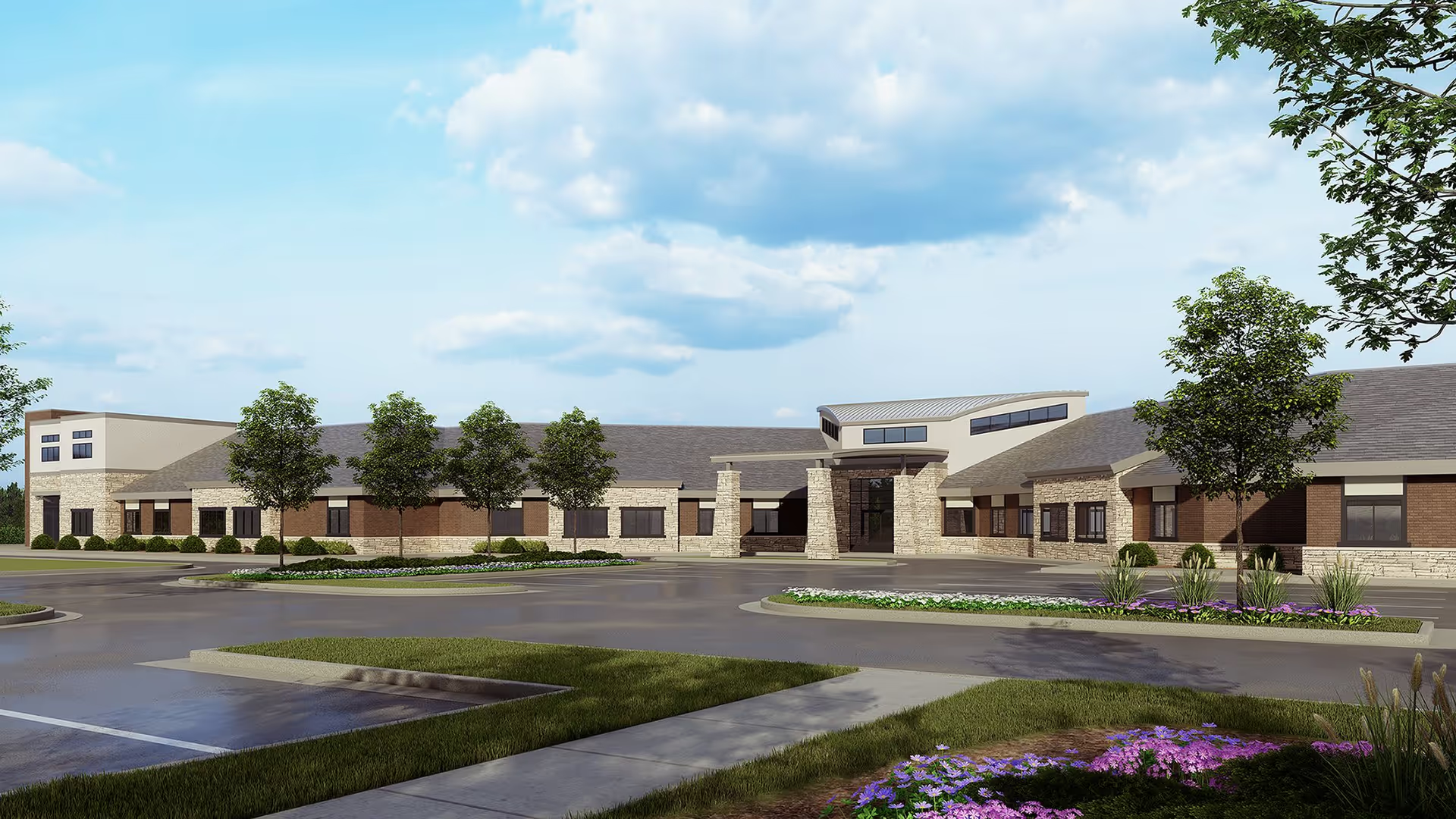
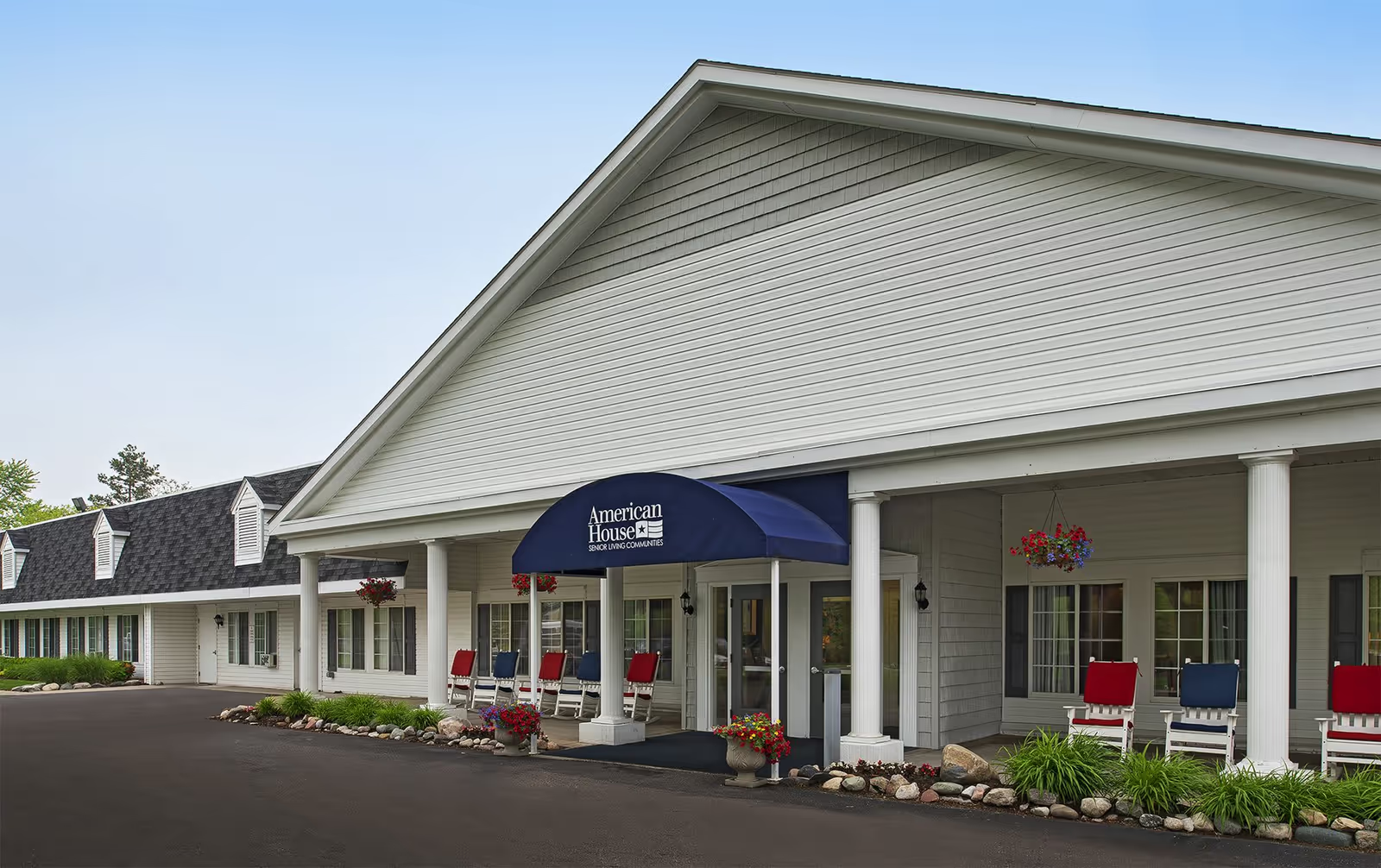
American House Westland Venoy presents as a small, home-like senior living community with several operational strengths alongside notable inconsistencies. Many families and visitors praise the facility’s clean, well-maintained interior and landscaped grounds, welcoming common areas, and secure memory-care unit. The community offers a broad activities program — card games, crafts, exercise classes, music and seasonal events — and benefits from outdoor courtyard/patio space and transportation services. On-site rehabilitation, an active activity director, and accommodating front-desk staff and leadership are recurring positives that contribute to a generally pleasant atmosphere for independent and moderate-need residents.
Care quality appears mixed and often depends on resident acuity. Numerous accounts describe attentive, compassionate caregivers and well-organized assistance for residents with moderate needs, while other accounts indicate limitations when caring for higher-dependency residents (for example, those with advanced mobility or complex incontinence needs). There are consistent mentions of delays in responding to call buttons or pendant alerts and examples of medication-management lapses and supply issues; these patterns suggest gaps in clinical-process reliability. The facility’s use of an external medical agency for certain clinical functions has been associated with coordination problems in some cases, which families should investigate during a tour.
Staffing and communication show a contrast between strong leadership and variability at the frontline. Several reviews highlight highly regarded directors and specific staff members who are responsive and helpful. At the same time, others describe uneven staff performance, turnover, and variable training — factors that contribute to inconsistent day-to-day experiences. Families should ask about staff-to-resident ratios, staff training programs, and after-hours clinical coverage, as reviews indicate occasional supervision gaps and slower response times later in the day.
Dining and activities are generally positive but irregular. Many residents and families praise the dining program and social meal environment, yet meal quality and temperature have been inconsistent for some. Activities programming is robust in many respects (social, recreational, and seasonal offerings), though participation levels and cognitive-stimulation programming in the memory-care unit vary. Prospective residents who rely on regular snacks, structured cognitive therapies, or consistent meal timing should confirm current offerings and schedules.
Facilities are mostly described as clean and well-maintained, with some parts of the campus newer or recently renovated and other areas older and in need of updates. Unit sizes are frequently described as compact; some studio units do not include in-room air conditioning or fully accessible bathroom layouts. Housekeeping is generally included, but some reviews note inconsistent cleaning standards and localized odor or sanitation concerns. Reviewers also cite ambiguous laundry policies and instances where family members assumed laundry responsibilities; clarity about laundry service and fees is advisable.
Management and value considerations are mixed. Many families appreciate transparent, helpful leadership and competitive pricing including Medicaid acceptance in some cases. However, several reviews mention extra fees for supplies or services and express concern about value for higher-care needs. There are also isolated but serious concerns raised about belongings management and security; these have included allegations that prompted police involvement in at least one account. Prospective residents and families should request written descriptions of security protocols, incident reporting procedures, fee schedules, and staffing patterns during different shifts.
Bottom line: American House Westland Venoy is likely to be a good fit for residents seeking a small, community-oriented assisted living environment with active social programming and accessible common areas. Families seeking higher-level clinical support, consistent incontinence care, or tightly controlled medication administration should perform targeted due diligence (ask about clinical staffing levels, external medical-agency arrangements, response-time metrics, and written policies on laundry, fees, and security) to ensure the community can meet those needs reliably.