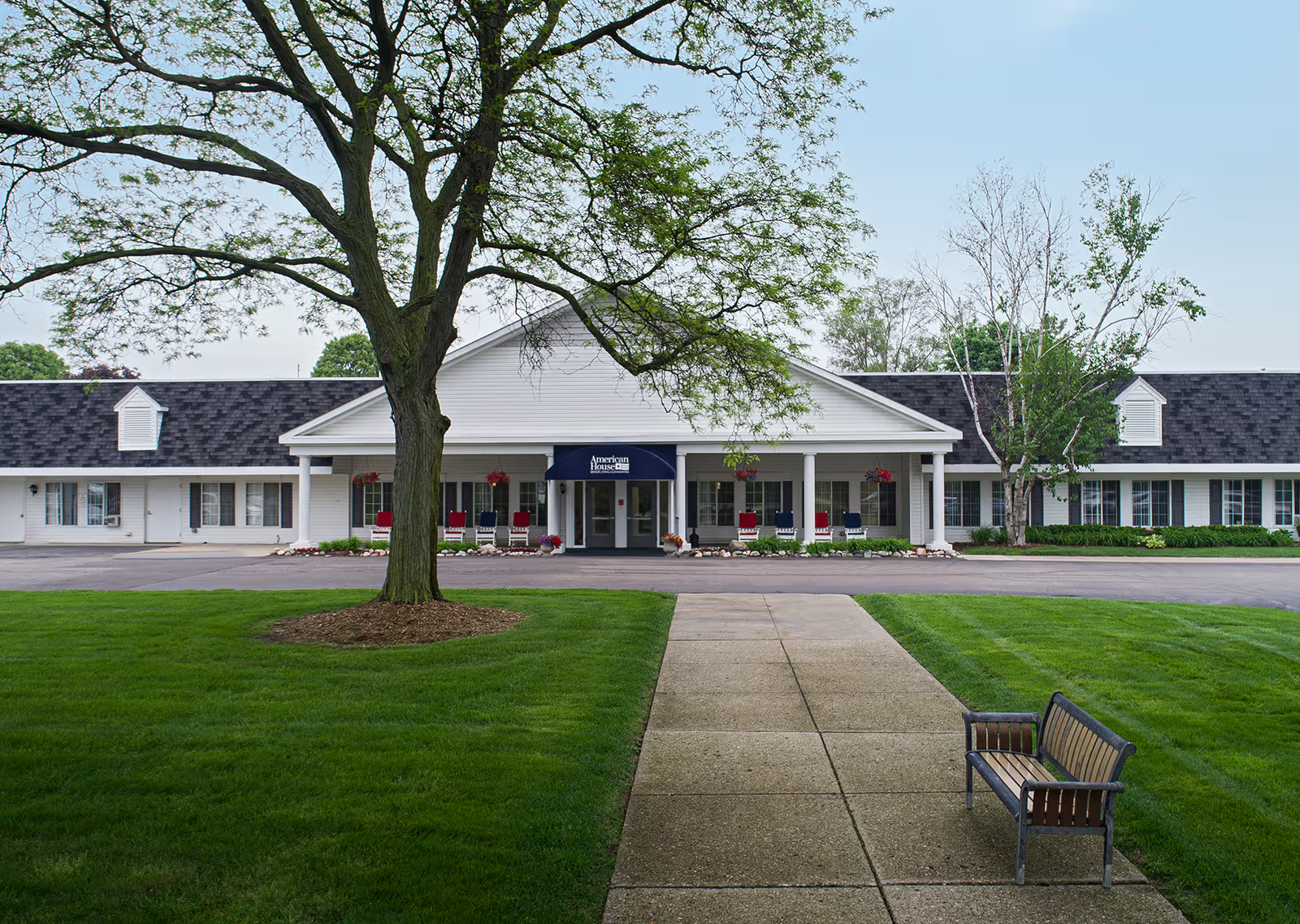
Four Chaplains Nursing Care Center elicits strongly mixed feedback. Many families and patients praise the facility for its attentive nursing and CNA teams, a robust physical/occupational therapy program, and active social programming. Positive comments cluster around successful short‑term rehab outcomes (gait and balance improvements, walker‑to‑cane progression), engaged therapy staff, and a lively activities schedule that includes exercise classes, bingo, movies, and social events. The facility’s interior and common areas are frequently described as clean and welcoming, with additional amenities such as a salon, courtyard seating, and chaplain/social‑work support noted as helpful to residents and families.
Care quality and staffing present the largest area of divergence. Many reviewers describe compassionate, professional nurses and CNAs and highlight accessible leadership (including specific Directors of Nursing and business‑office staff). At the same time, a sizable subset of reviews raises concerns about inconsistent staffing levels and responsiveness, particularly on certain shifts. These issues manifest as delays attending to resident needs, longer call‑light response times, and variability in the thoroughness of daily care. Reviewers also point to variability in clinical practices across units and shifts, which contributes to uneven care experiences.
Communication, medication handling, and discharge practices are recurring operational themes. Positive accounts emphasize clear, timely coordination with families and effective discharge planning that supported home transitions. Negative accounts describe gaps in discharge instructions, insufficient supplies for at‑home care, medication‑management problems, and difficulty reaching clinical staff after hours. These patterns suggest that transitions of care and medication communication are areas where procedural consistency could be strengthened.
Dining and activities receive generally favorable remarks for variety and engagement, but reviewers note inconsistency in meal quality and temperature. Several families appreciate that outside food is allowed and find the kitchen accommodating, whereas others describe flavorless or cold meals. The activities program is widely cited as a strength for social engagement and cognitive stimulation, though some reviewers wished for more options or greater activity variety for residents with higher care needs.
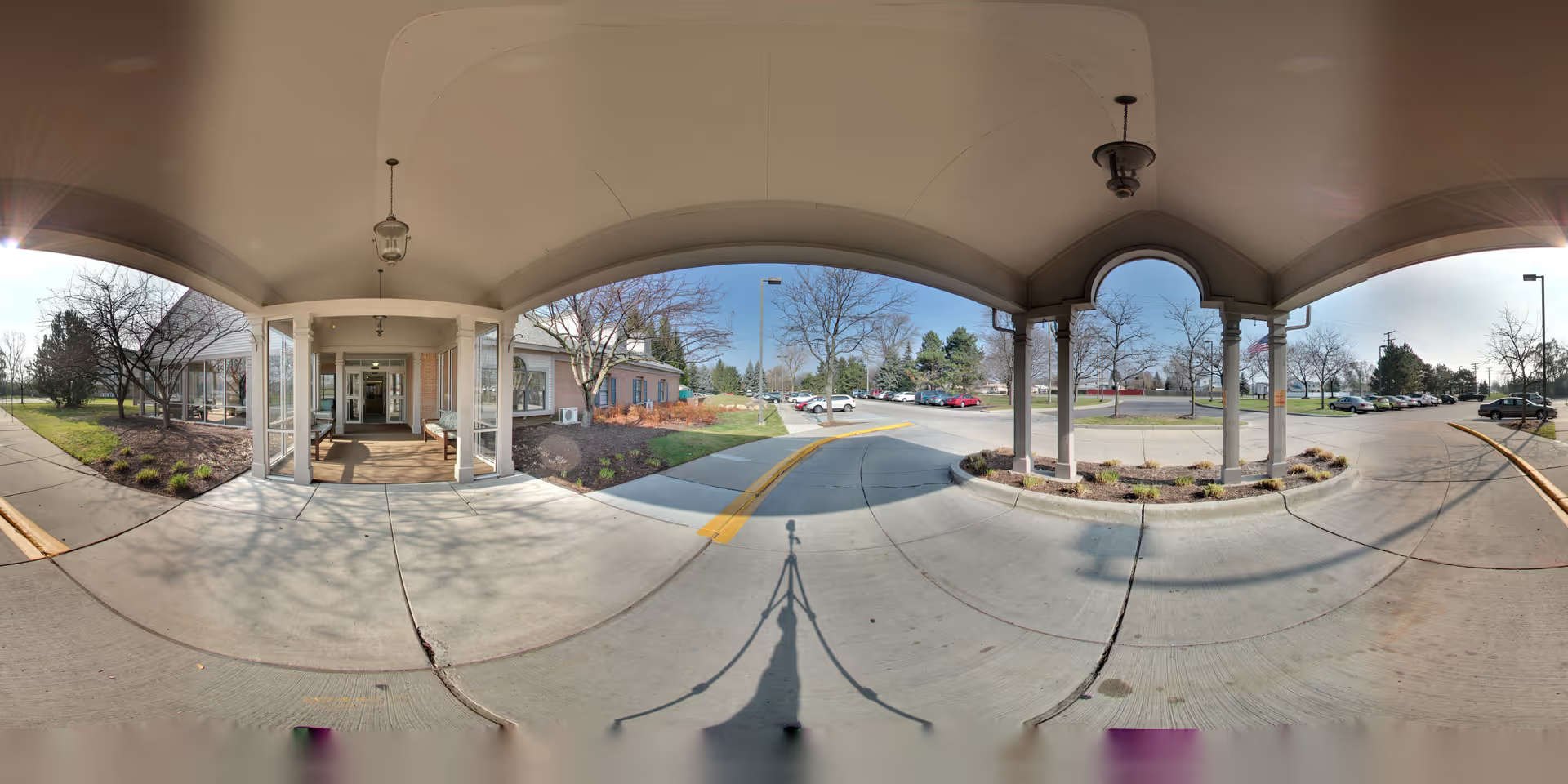
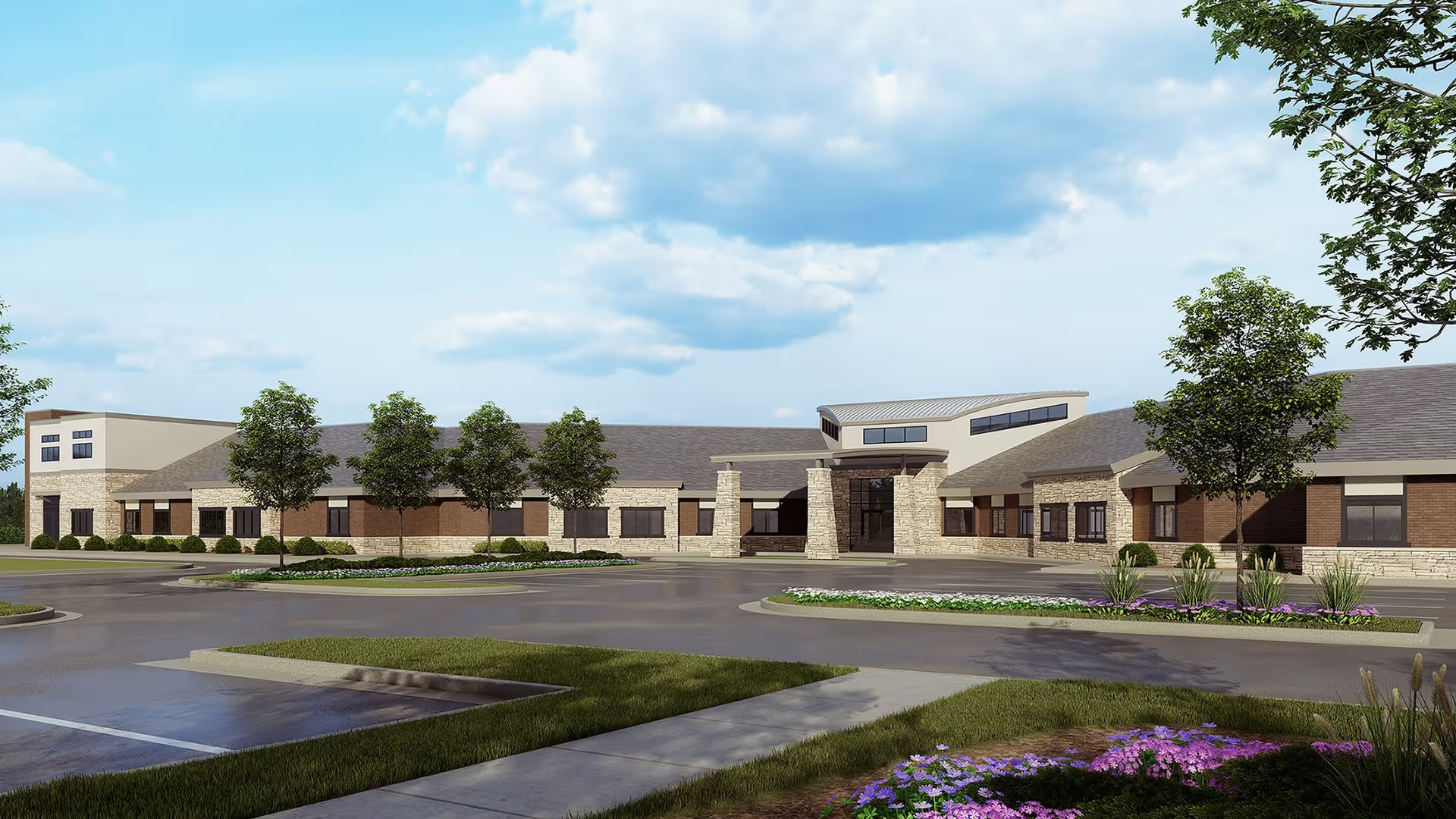
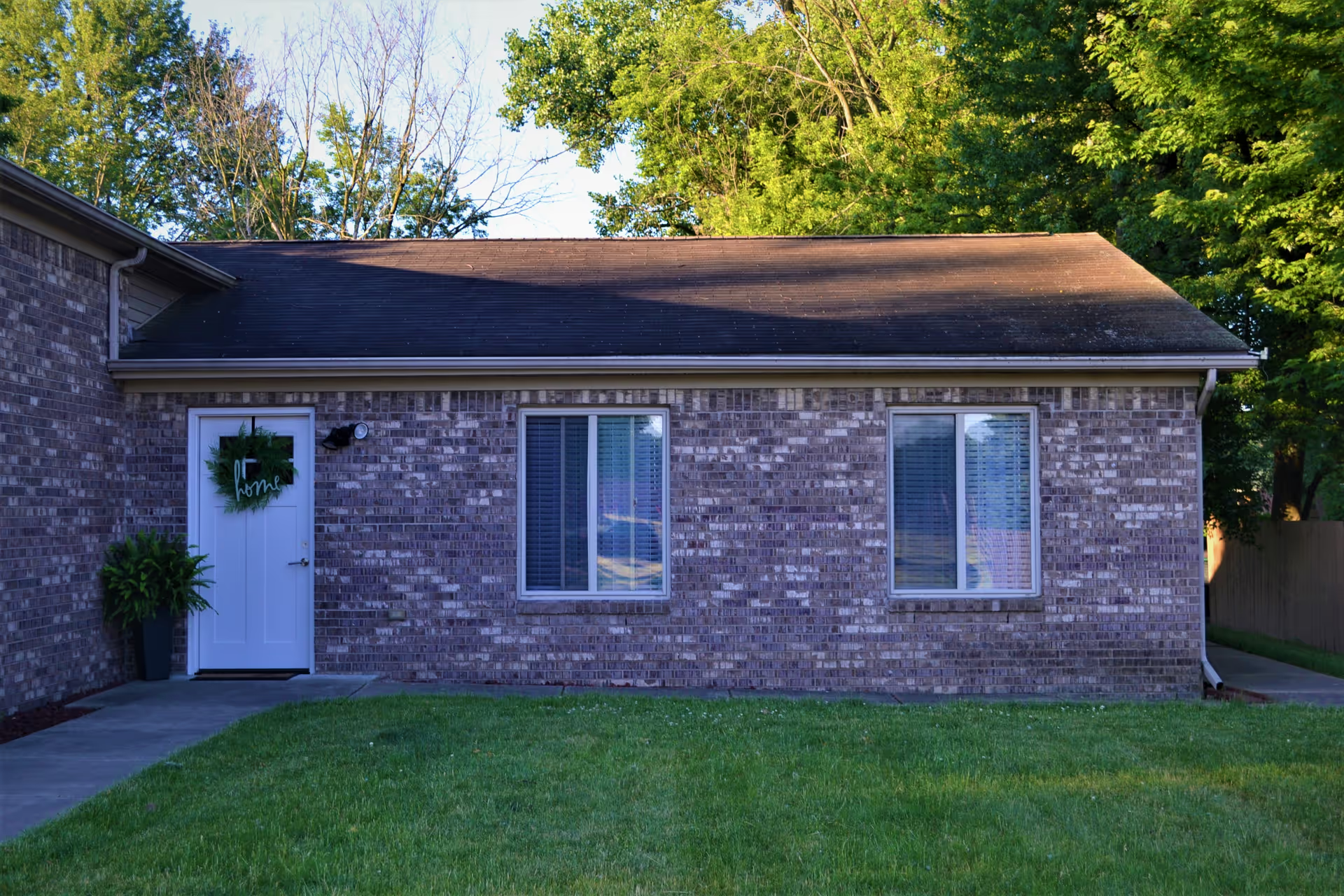
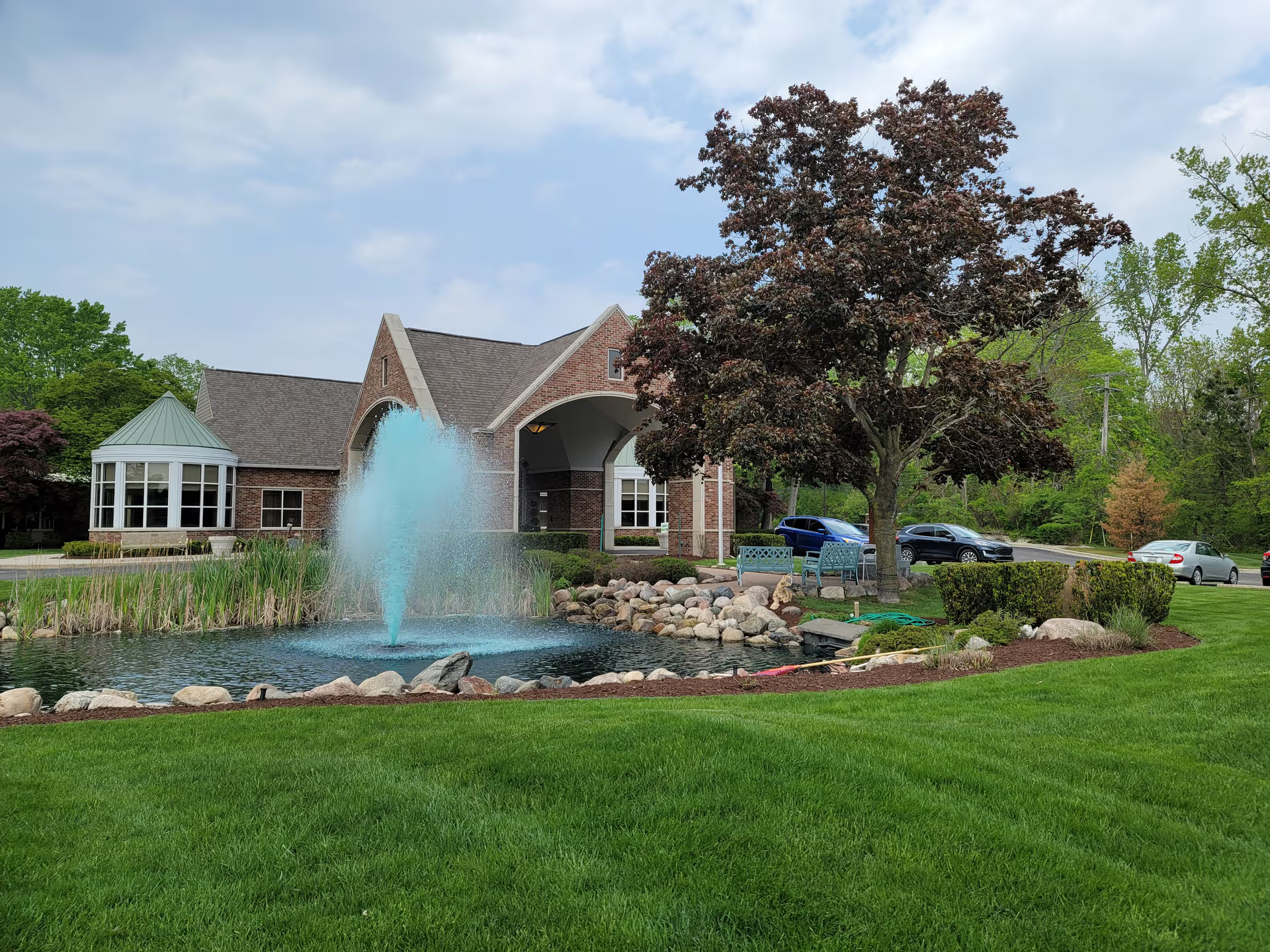
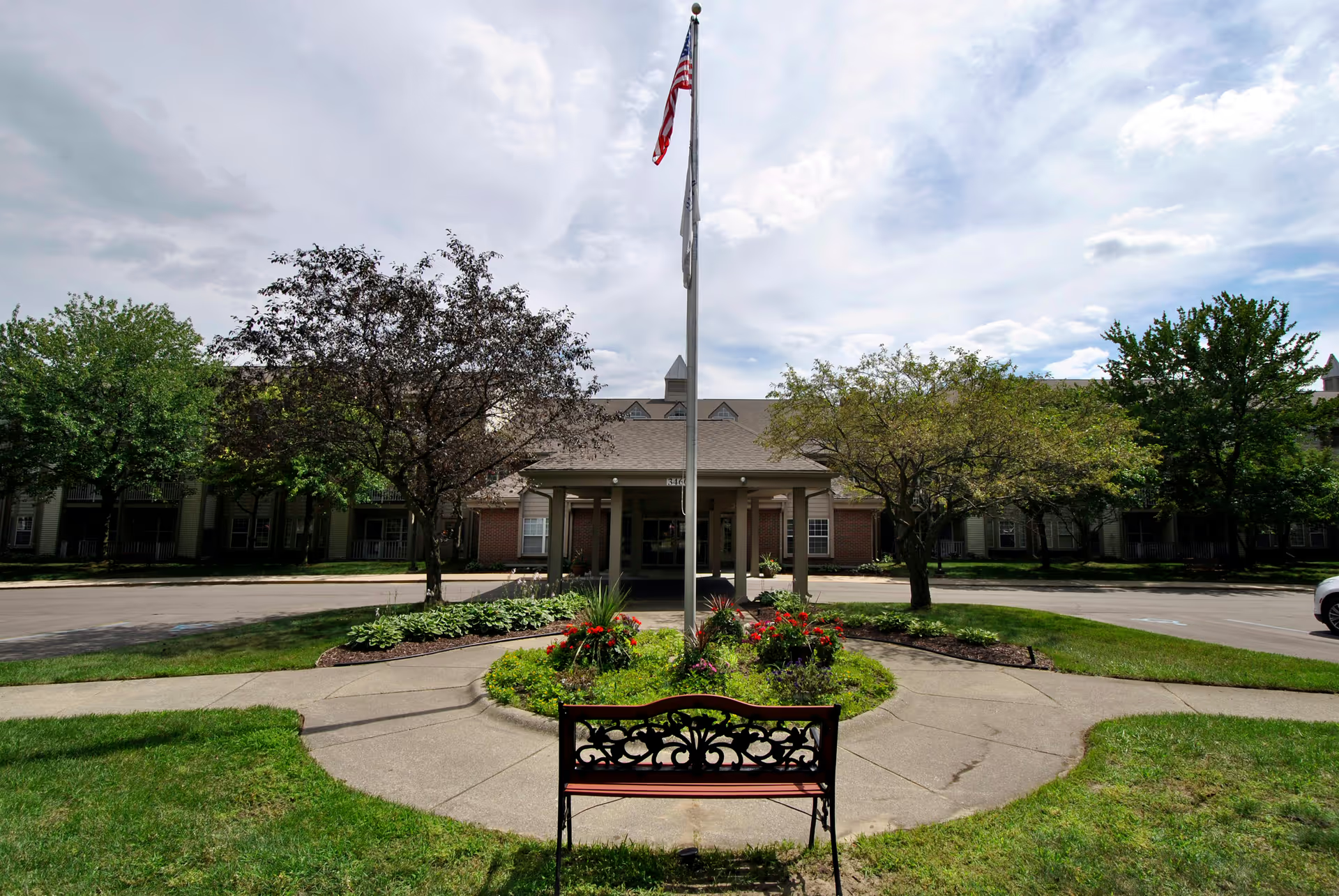
Facility design and cleanliness are also mixed. Many reviews commend the clean, well‑maintained public spaces and calming décor; others identify sanitation‑related concerns and incontinence‑care delays in particular cases. Room size and accessibility emerge as practical limitations: patient rooms are often described as small, some rooms lack full wheelchair accessibility, and shared restroom arrangements can reduce privacy. Infection‑control practices and cohorting during infectious‑disease events are another area of concern for some families.
Management and culture show variability as well. Numerous families praise engaged, accessible leadership and problem‑solving by directors and business‑office staff. Contrasting accounts include concerns about staff conduct and communication tone, and a small number of serious allegations of supervisor misconduct and poor hospice coordination. These divergent perceptions point to inconsistent staff training or supervisory oversight in parts of the operation.
In summary, Four Chaplains demonstrates clear strengths in rehabilitation therapy, many compassionate front‑line caregivers, an active activities program, and generally well‑kept common areas. At the same time, reviewers identify operational weaknesses that could affect safety and continuity of care: inconsistent staffing and responsiveness, variable medication and discharge processes, occasional sanitation and incontinence‑care concerns, limited room accessibility, and uneven management of infection‑control and end‑of‑life care. Prospective residents and families should weigh the facility’s strong rehab and activity offerings and positive staff interactions against the documented variability in clinical consistency and transition planning; visiting, asking specific questions about staffing patterns, discharge procedures, medication protocols, and room accessibility, and requesting references from recent families are reasonable next steps when evaluating this facility.