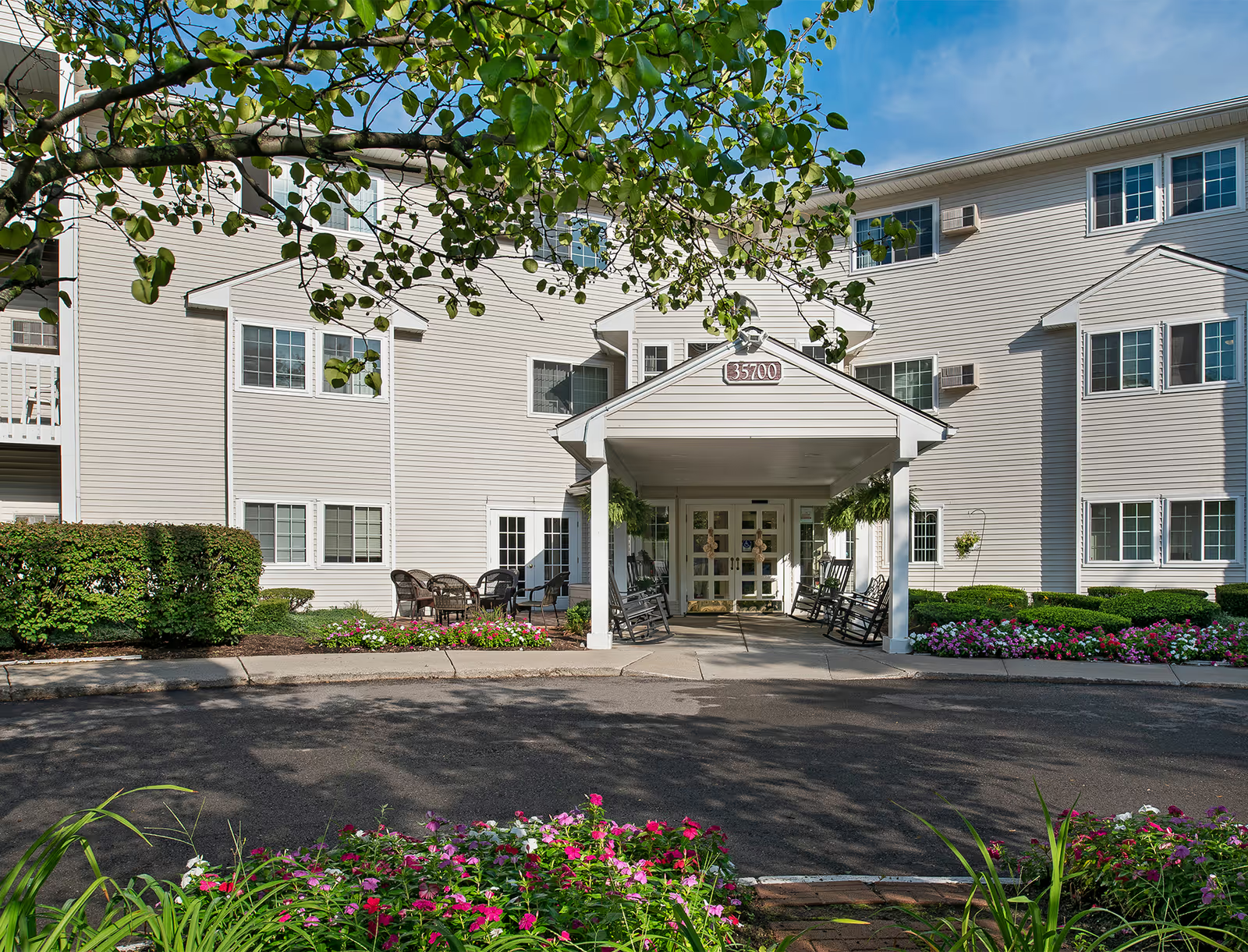
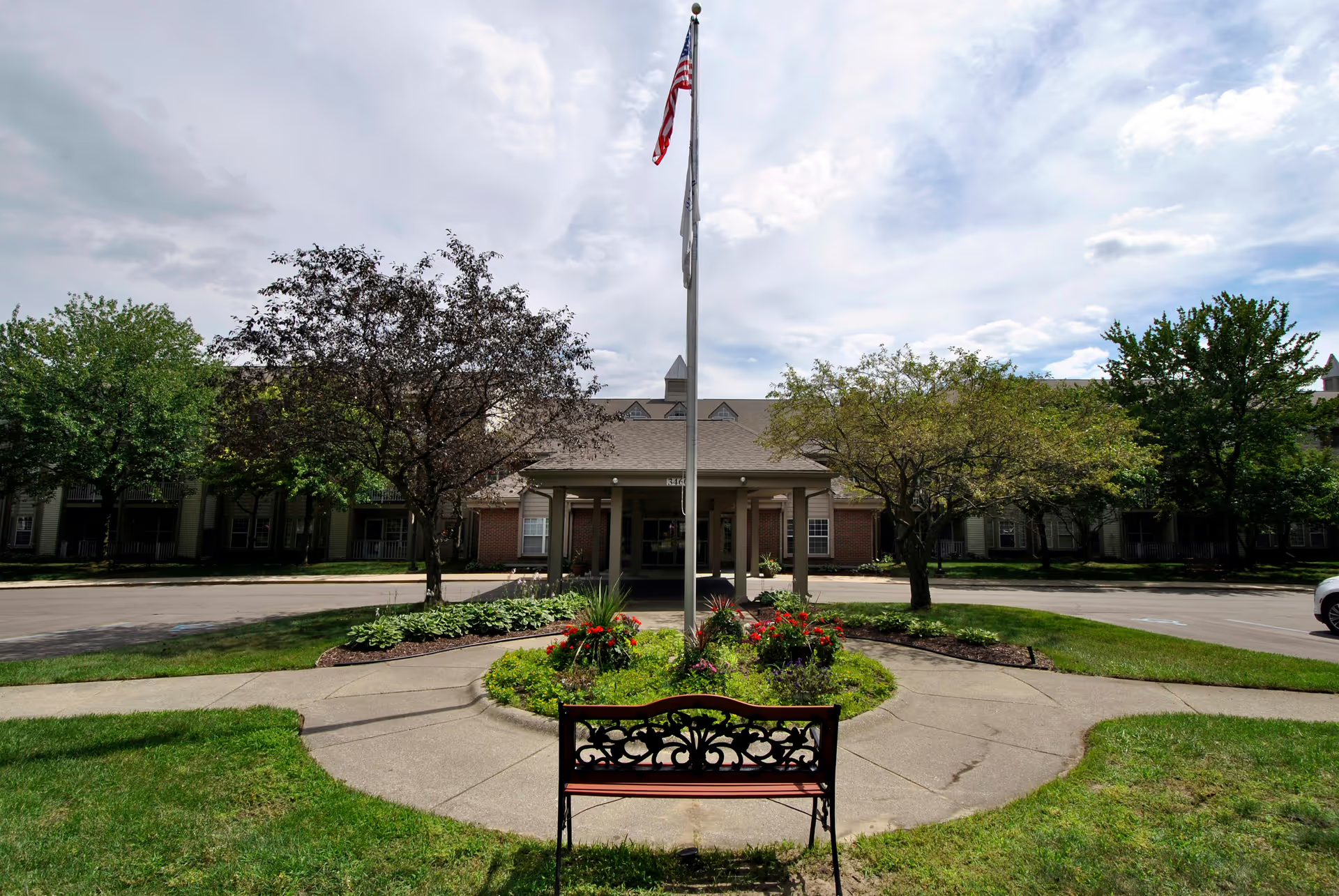
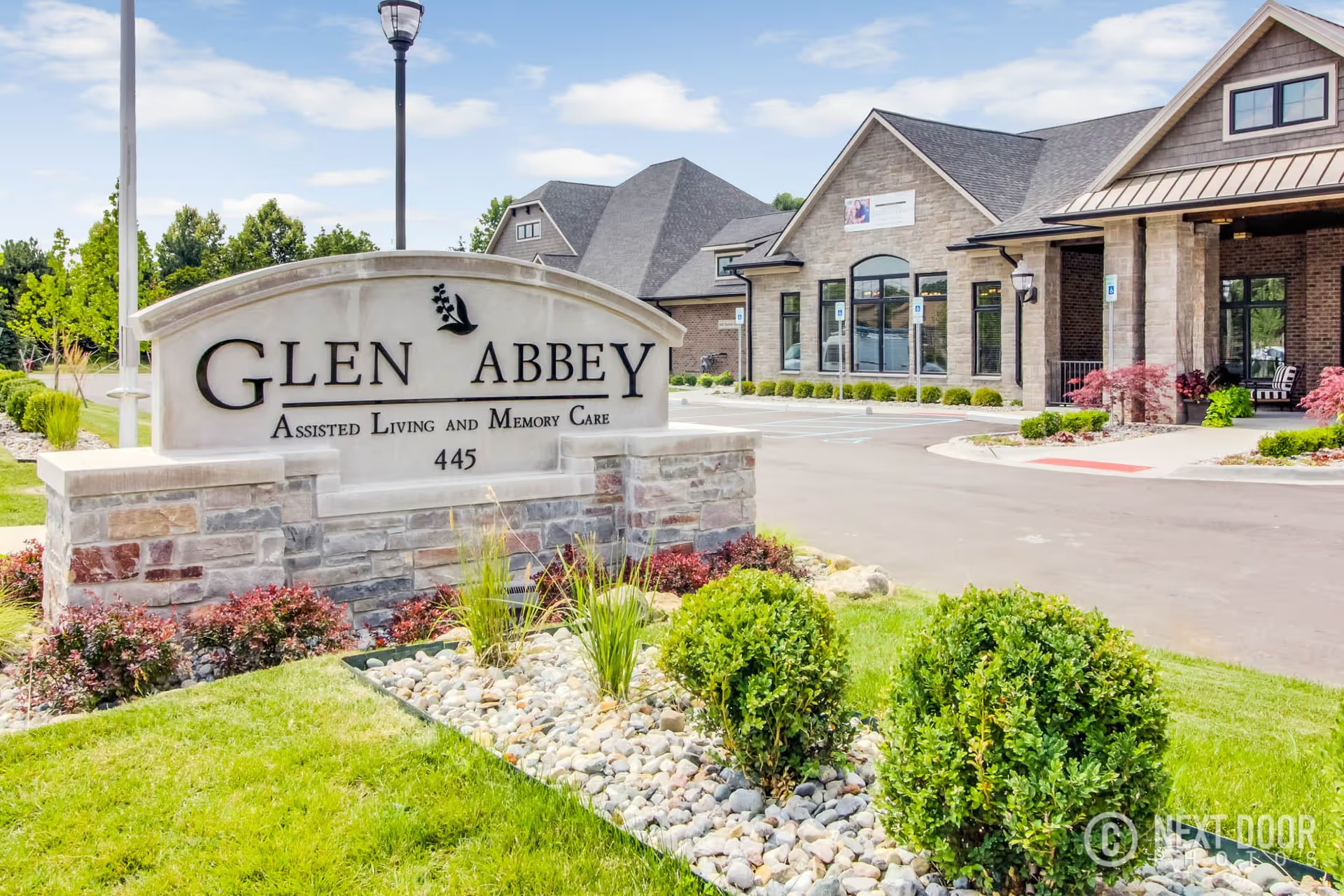
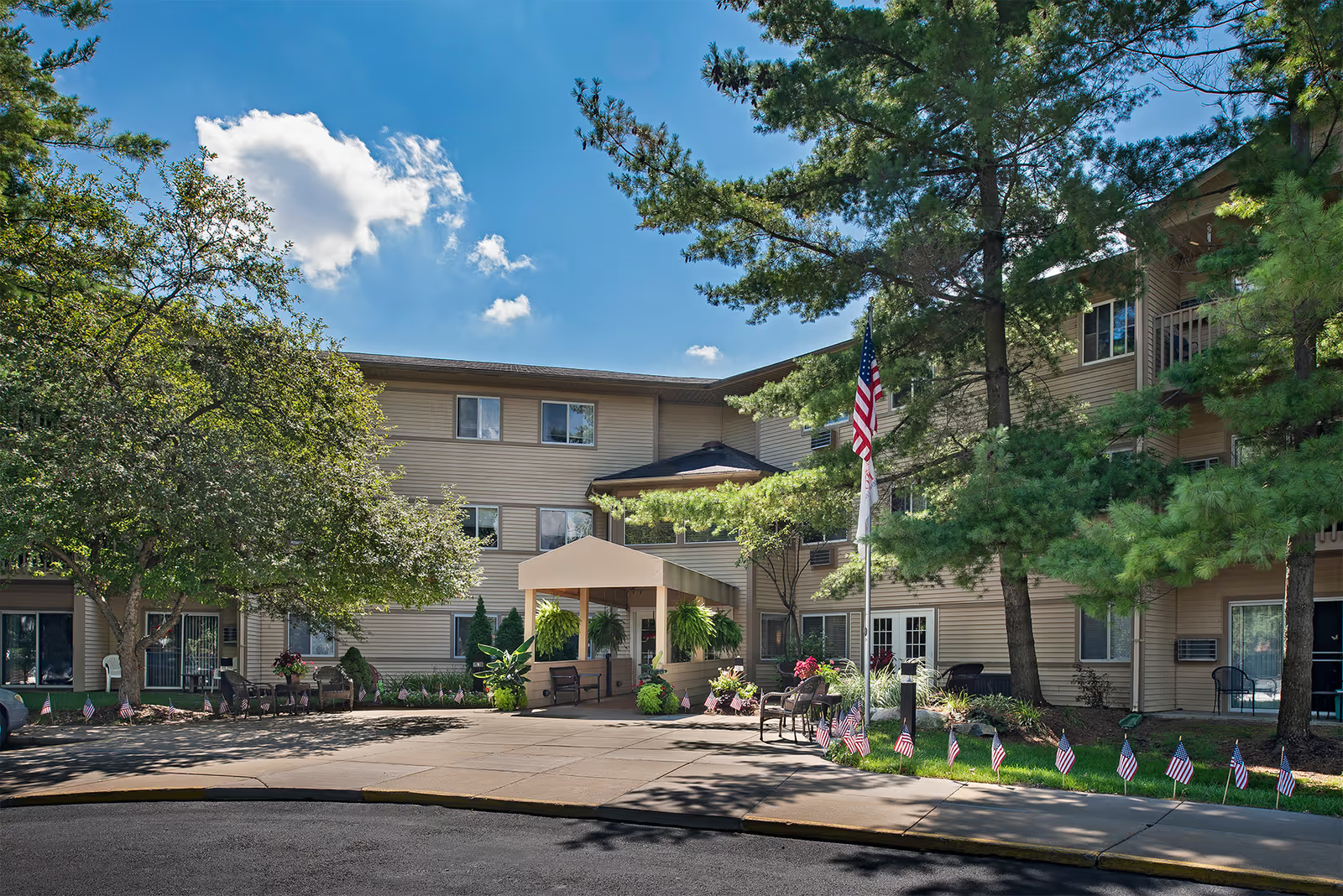
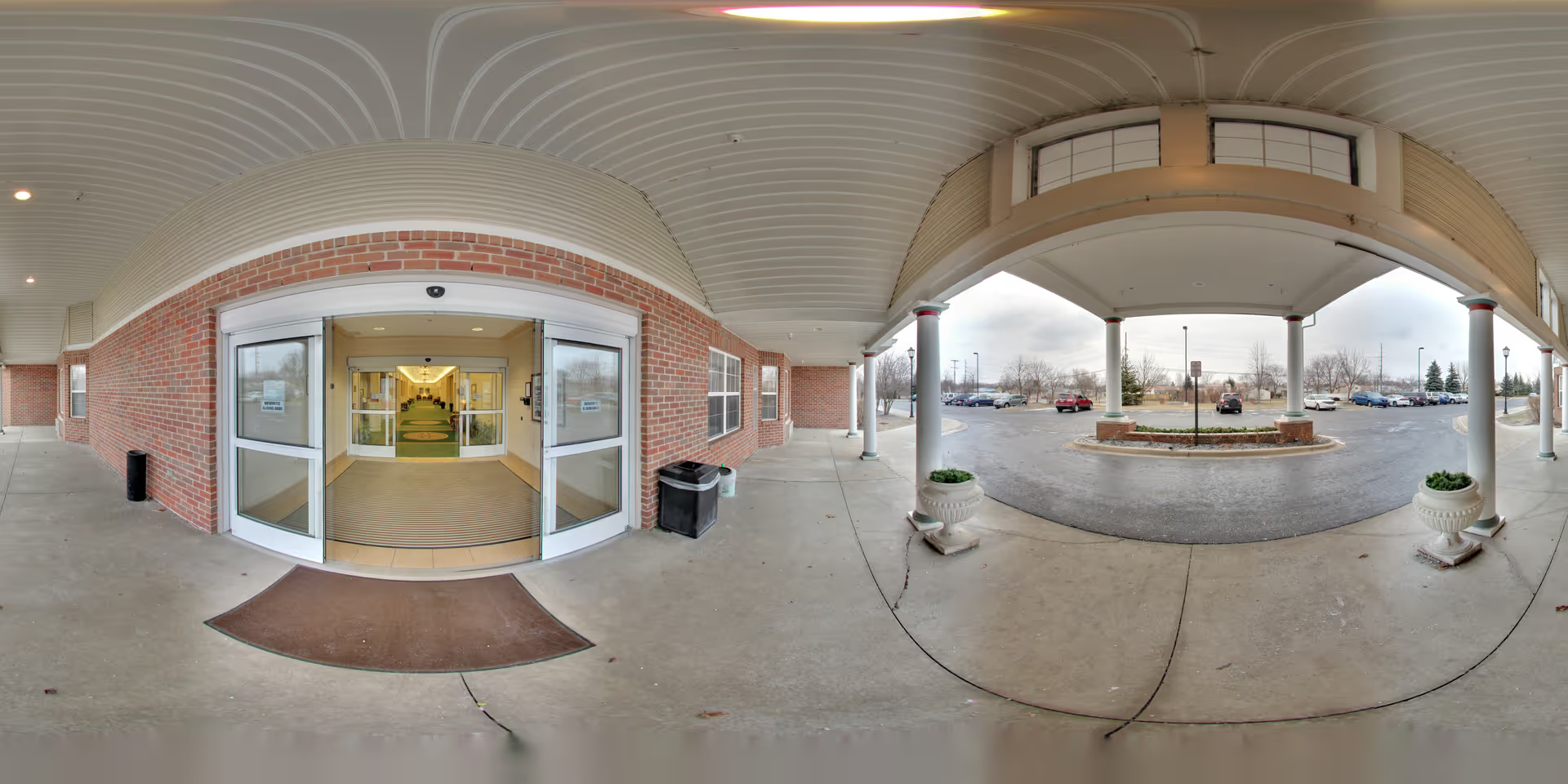
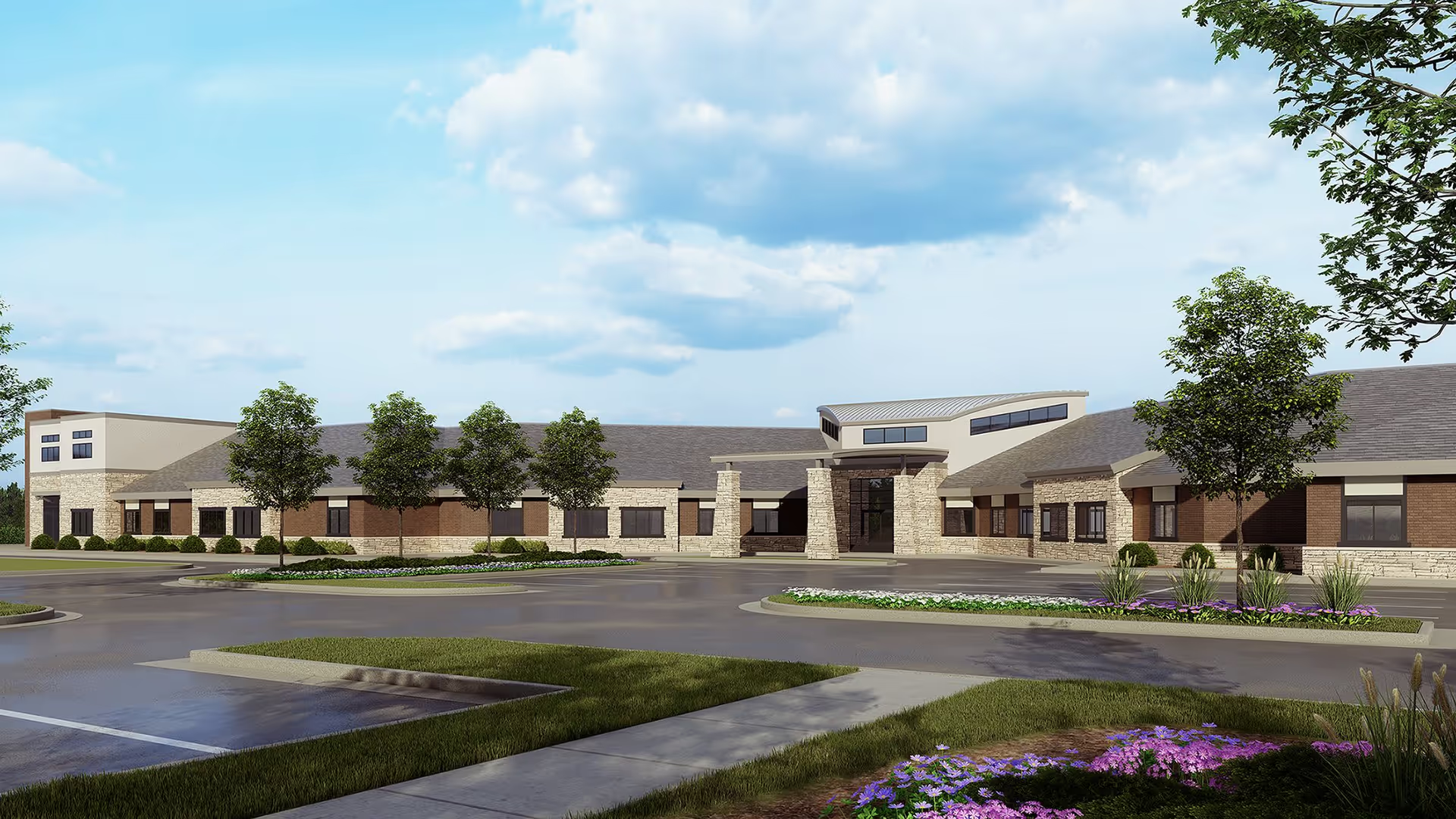
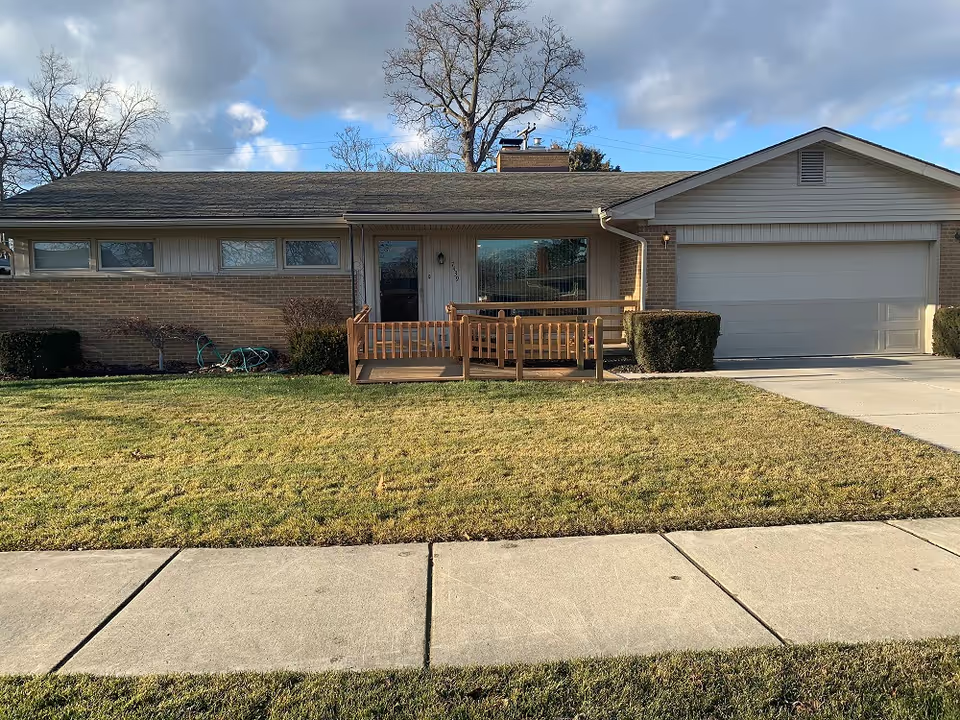
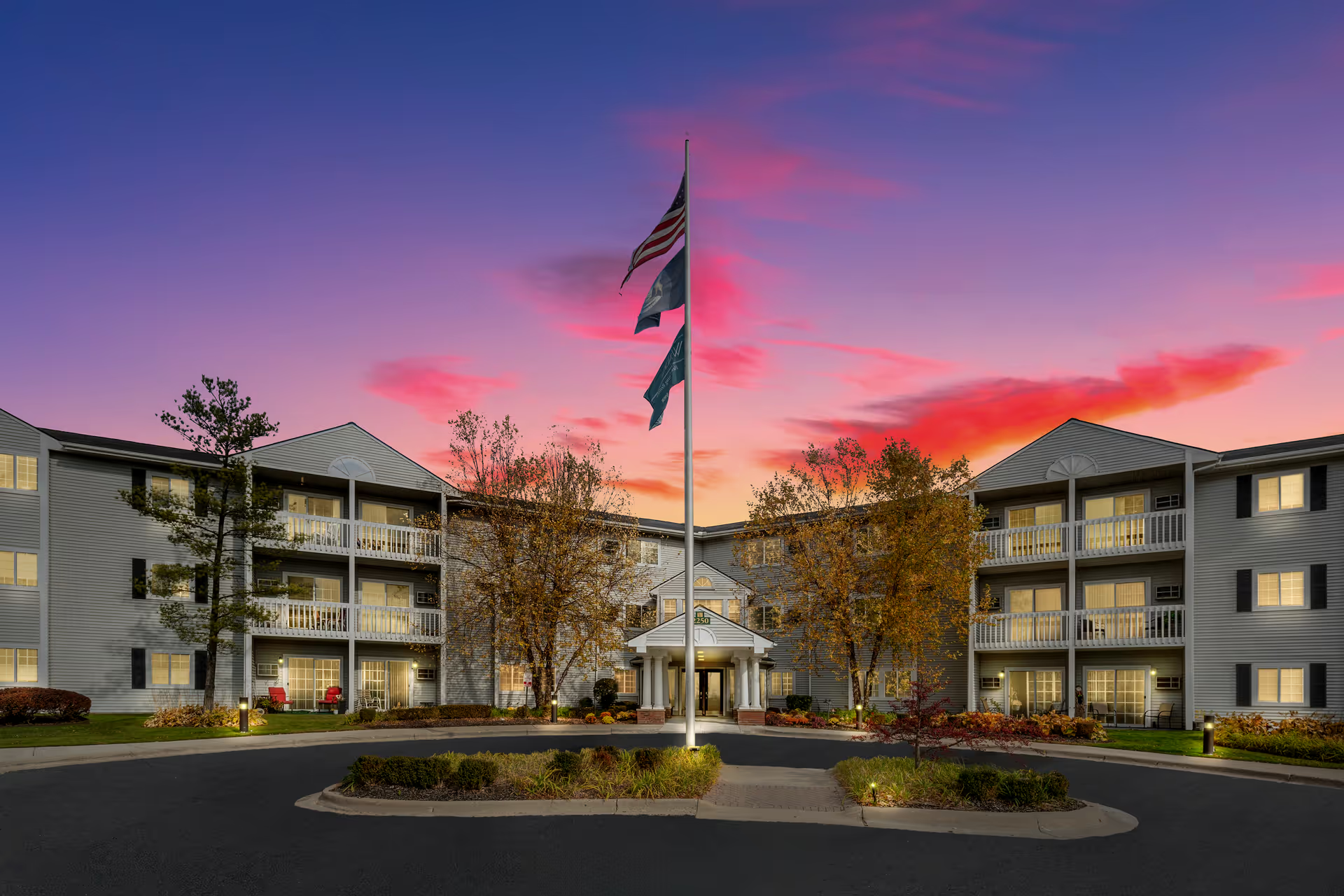
Regency at Westland is frequently described as a modern, attractive, and clean facility, with spacious private rooms and private bathrooms. Many residents and families speak positively about the physical and occupational therapy teams, and several describe successful rehabilitation and supportive interactions with particular nurses, aides, and managers. Long-term residents and families also cite positive experiences with activities, social connection, and staff efforts to keep families informed. However, experiences vary considerably across reviews, including within accounts from families who appreciated some departments while raising concerns about others.
The most persistent concern is the consistency of bedside care. Families and residents describe delayed responses to call lights and requests for help, particularly on some shifts, as well as uneven assistance with bathing, toileting, transfers, and other daily needs. Reviews also raise concerns about medication timing and reconciliation, skin monitoring and wound-care coordination, and whether changes in residents’ condition receive timely attention. A handful of accounts describe severe clinical decline, emergency transfers, and end-of-life care concerns, with families questioning the facility’s response. These are individual accounts and do not establish causation, but their seriousness makes clinical oversight and communication important areas for prospective families to examine.
Therapy is a relative strength in many accounts, with positive comments about therapists’ skill, encouragement, and role in helping residents regain mobility. Other reviews describe limited therapy time, inconsistent follow-through, or reduced availability on weekends. Dining feedback is mixed: some residents found meals tasty, timely, or reasonably good, while others reported cold or inconsistent meals and difficulty obtaining food suited to specific dietary needs. Activities are described as varied and welcoming by some long-term residents, though other families report inconsistent assistance getting residents to or from activities.
Families give mixed assessments of management and communication. Some praise approachable leaders and timely updates, while others describe difficulty reaching staff, rushed discussions, delayed paperwork, unresolved complaints, and confusion around admission, discharge, or insurance arrangements. Reviews also identify variability in staff courtesy and professionalism, along with equipment, supply, and room-maintenance coordination concerns. Overall, the facility’s appearance, therapy services, and positive individual staff experiences are notable strengths, but recurring concerns about staffing, response times, personal care, and communication suggest that families should ask detailed questions about staffing coverage, care routines, clinical escalation, and discharge planning.