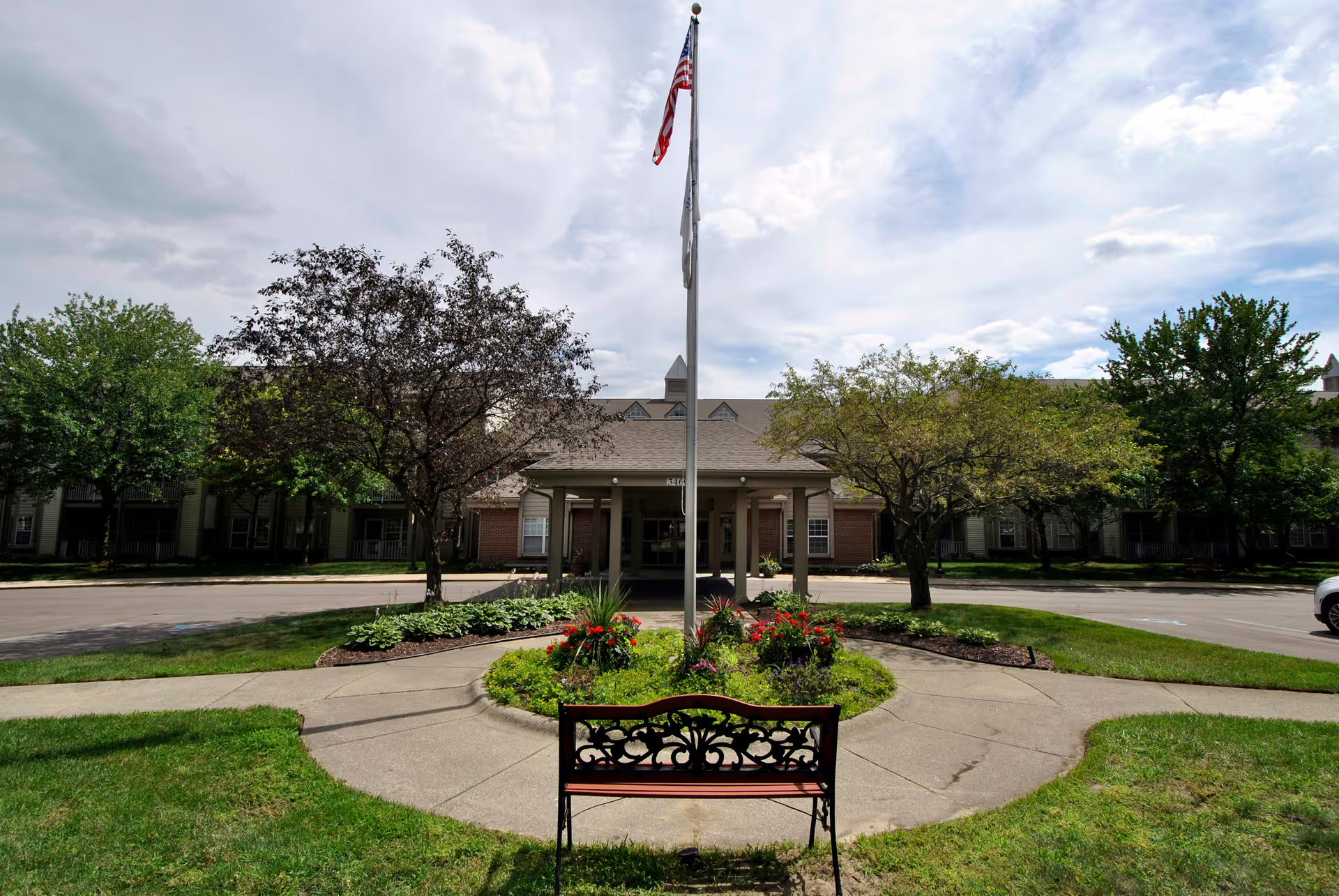
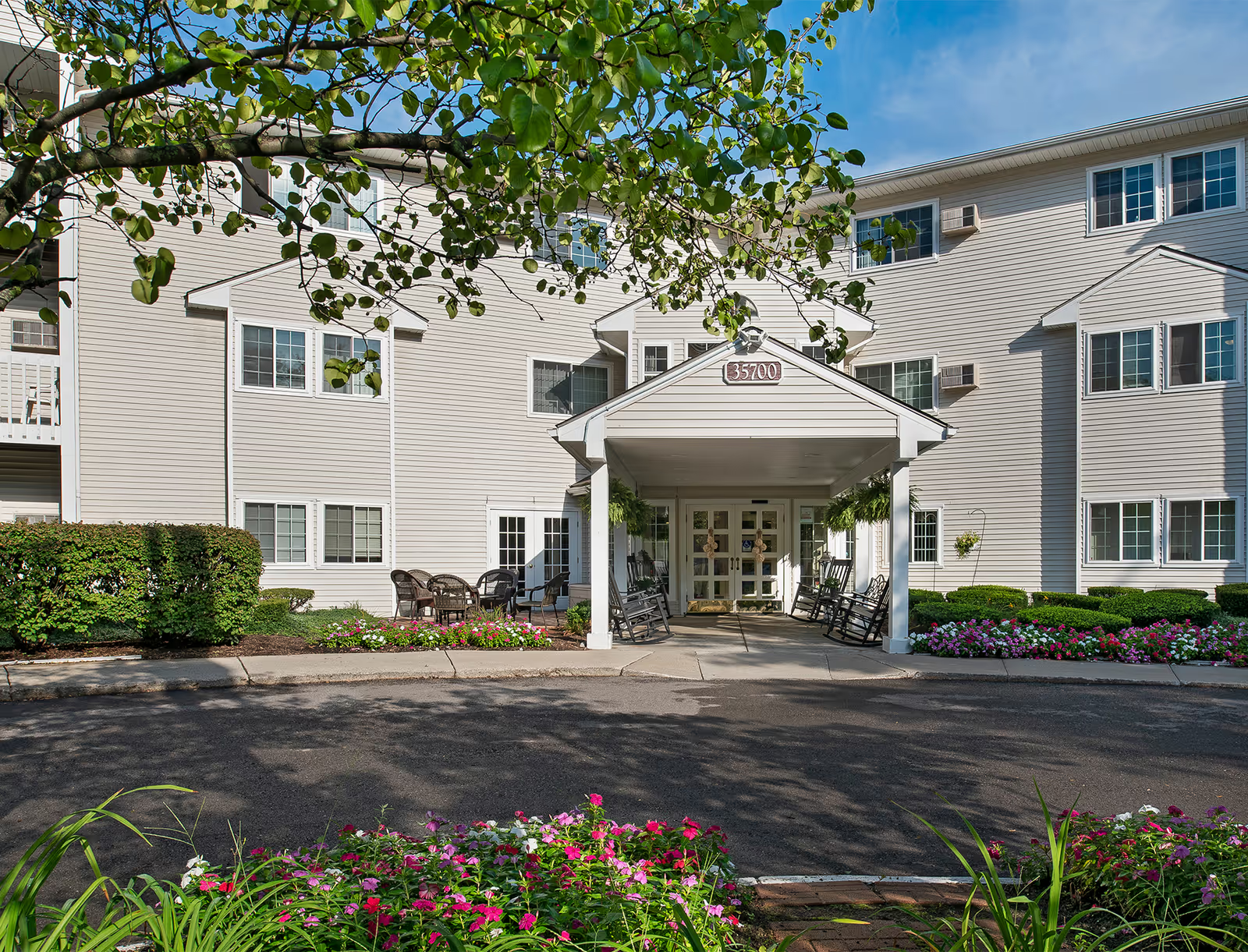
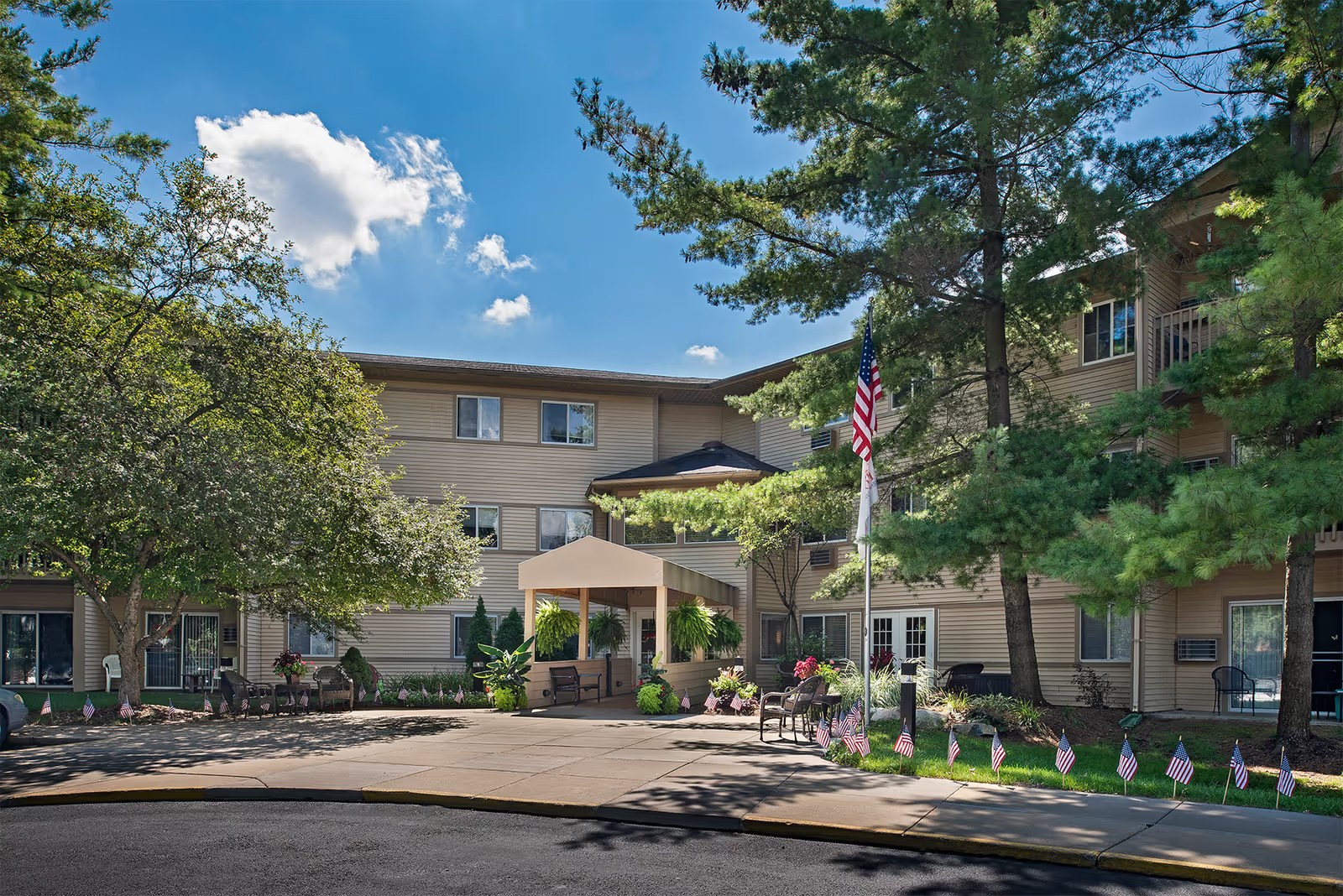
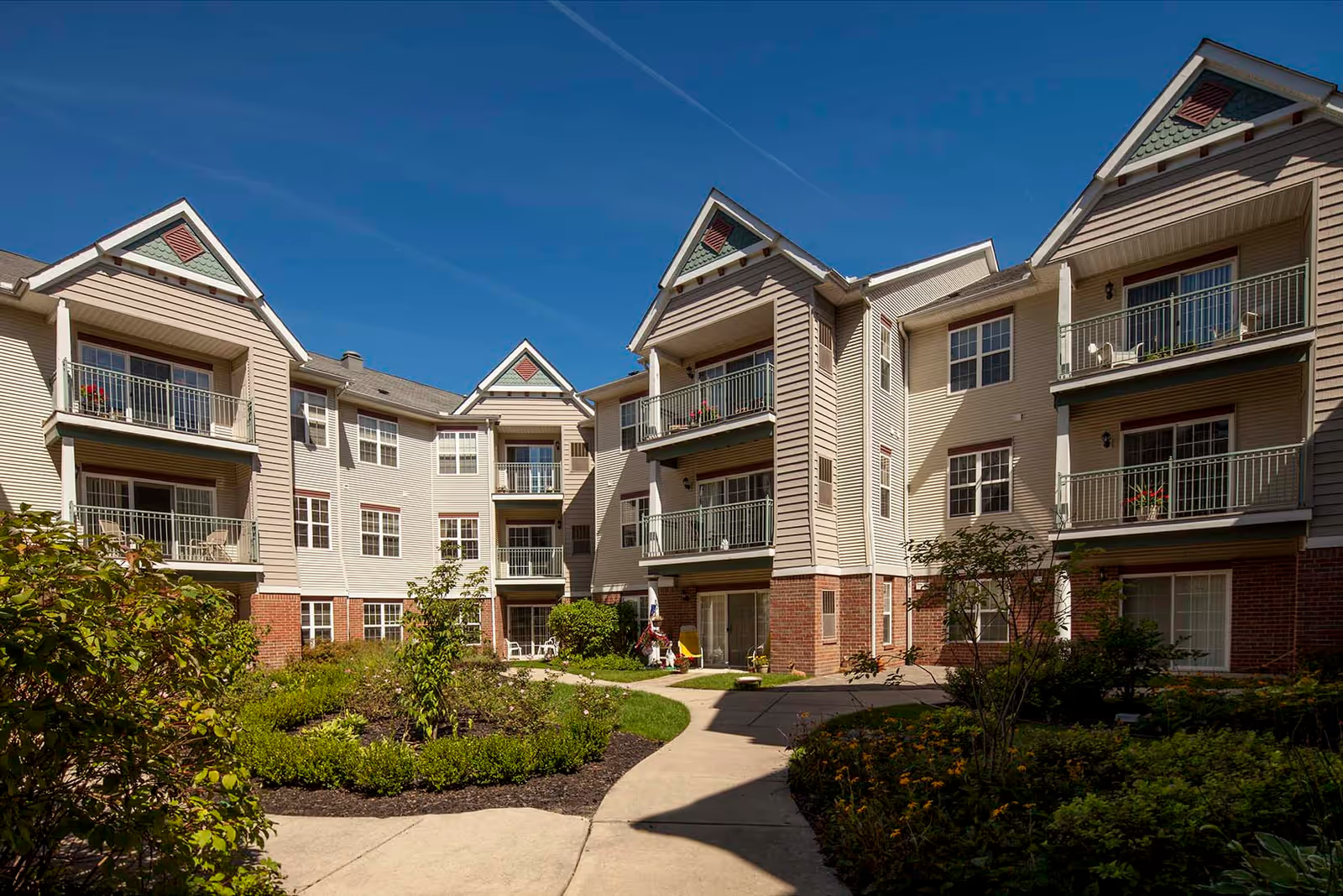
Overall impression: The Village of Westland presents as a community-oriented, nonprofit senior living option with a palpable social atmosphere and a broad set of on-campus services. Many reviewers praise the facility's welcoming common areas, courtyard, transportation services, and the range of amenities (salon, chapel, dining rooms, fitness area). Apartment options span studios to two-bedrooms with kitchens and patios, and the single-level layout and accessible hallways are frequent positives for prospective residents.
Care and staff: Feedback about direct-care staff is mixed but leans positive on interpersonal qualities. Numerous comments describe staff as friendly, attentive, and familiar with residents by name; families note kindness, prompt maintenance, and helpful front-desk service. At the same time, reviewers raise operational concerns: persistent staffing instability and turnover; instances of medication-distribution errors or insufficient clinical oversight; and periods of understaffing that can affect responsiveness. Prospective families should clarify staffing ratios, medication protocols, and which clinical services are provided on-site versus by third parties.
Dining and nutrition: Dining receives varied assessments. Many residents and families enjoy balanced meals, special events, and holiday dinners, and some reviewers single out an engaged culinary team. However, other comments point to inconsistent meal quality, delivery delays, limited fresh produce or diabetic/therapeutic menu options, and variability after staffing or management changes. If diet-specific needs are important, ask about menu cycles, availability of therapeutic diets, and whether a dietician or nutrition oversight is on staff.
Activities and social life: The facility scores well for programming. Reviewers describe a wide variety of activities — exercise classes, crafts, games, choirs, garden clubs, movie nights, and regular bus trips — that support social engagement. Dedicated memory-care programming and hospice services on campus are noted as strengths, along with fitness and balance classes that support mobility.
Facility condition and operations: Physical plant and operations show a split pattern. Common areas are often described as clean and well cared for, while individual units vary from updated, spacious apartments to smaller, dated units that need modernization. Several reviewers cite infrastructure problems such as power outages, restrictive heating policies, and general aging building systems. There are also repeated mentions of sanitation inconsistencies and pest-control concerns; these are operational issues to review directly during a tour.
Management and administration: Administrative strengths include nonprofit governance, a community orientation, and responsiveness in areas such as maintenance. Recurrent operational weaknesses appear in administration: reviewers cite billing errors, unclear fee structures, and a data-security incident or billing-related financial concerns. There are also comments about inconsistent policy communication and at least a few serious allegations regarding eviction and discrimination; these items are significant and warrant direct inquiry about policies, appeals processes, and any regulatory or legal follow-ups.
What to verify on a visit: Ask about current staffing levels and turnover, medication-administration protocols and oversight, pest-control history and remediation practices, recent capital improvements, contingency plans for power or HVAC failures, dining menus for special diets, billing procedures and recent data-security measures, and formal smoking/eviction policies. Touring both common areas and individual apartments at different times of day (including meal periods) will help clarify the variability described in reviews.
Bottom line: The Village of Westland offers a socially active, amenity-rich environment with a generally warm caregiving culture and useful on-site services. It may be a good fit for people seeking a community feel, nonprofit governance, and integrated memory-care options. At the same time, prospective residents and families should conduct targeted due diligence on staffing stability, clinical oversight, dining accommodations for special diets, facility reliability, pest-control practices, and administrative practices around billing and resident policies before making a decision.