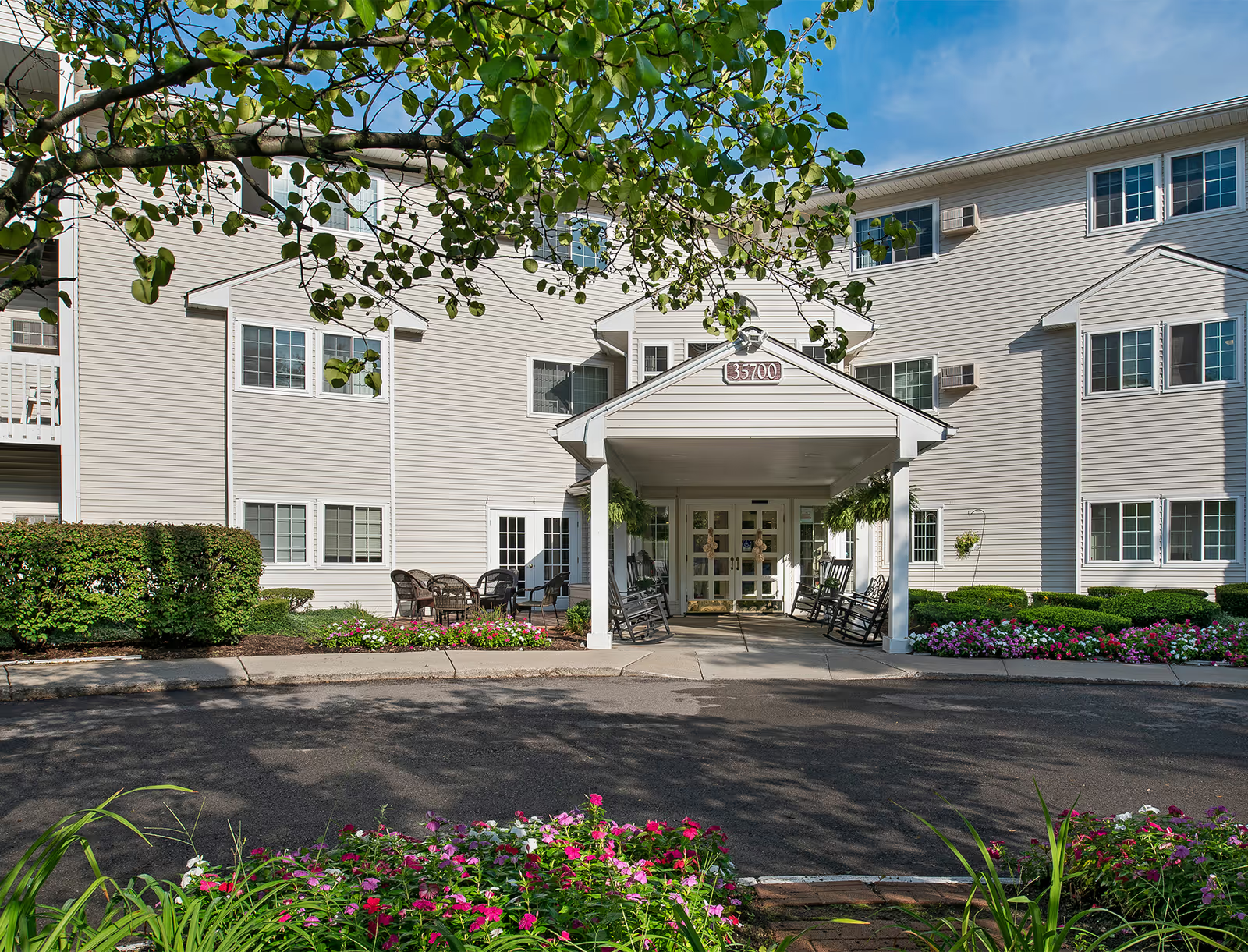
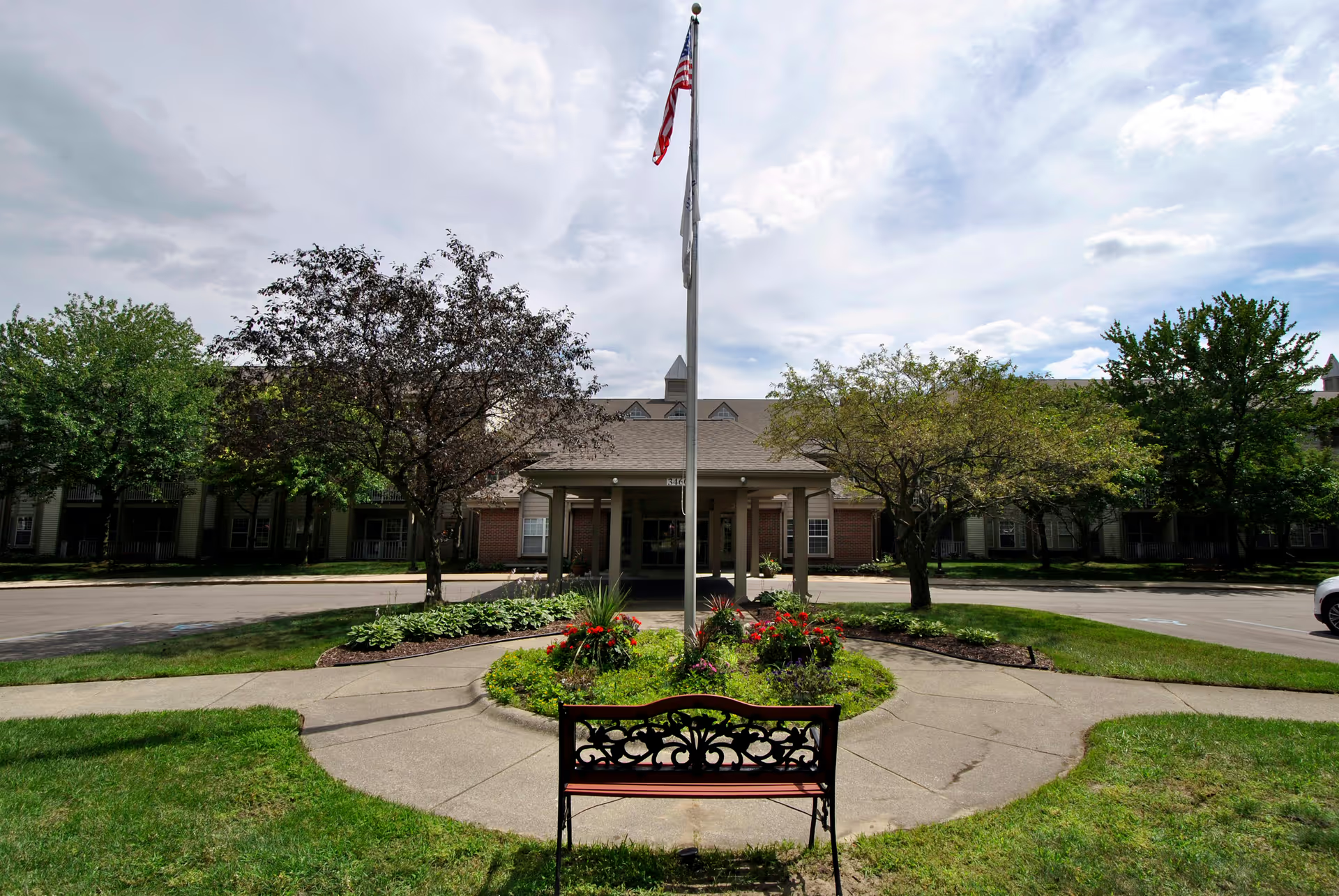
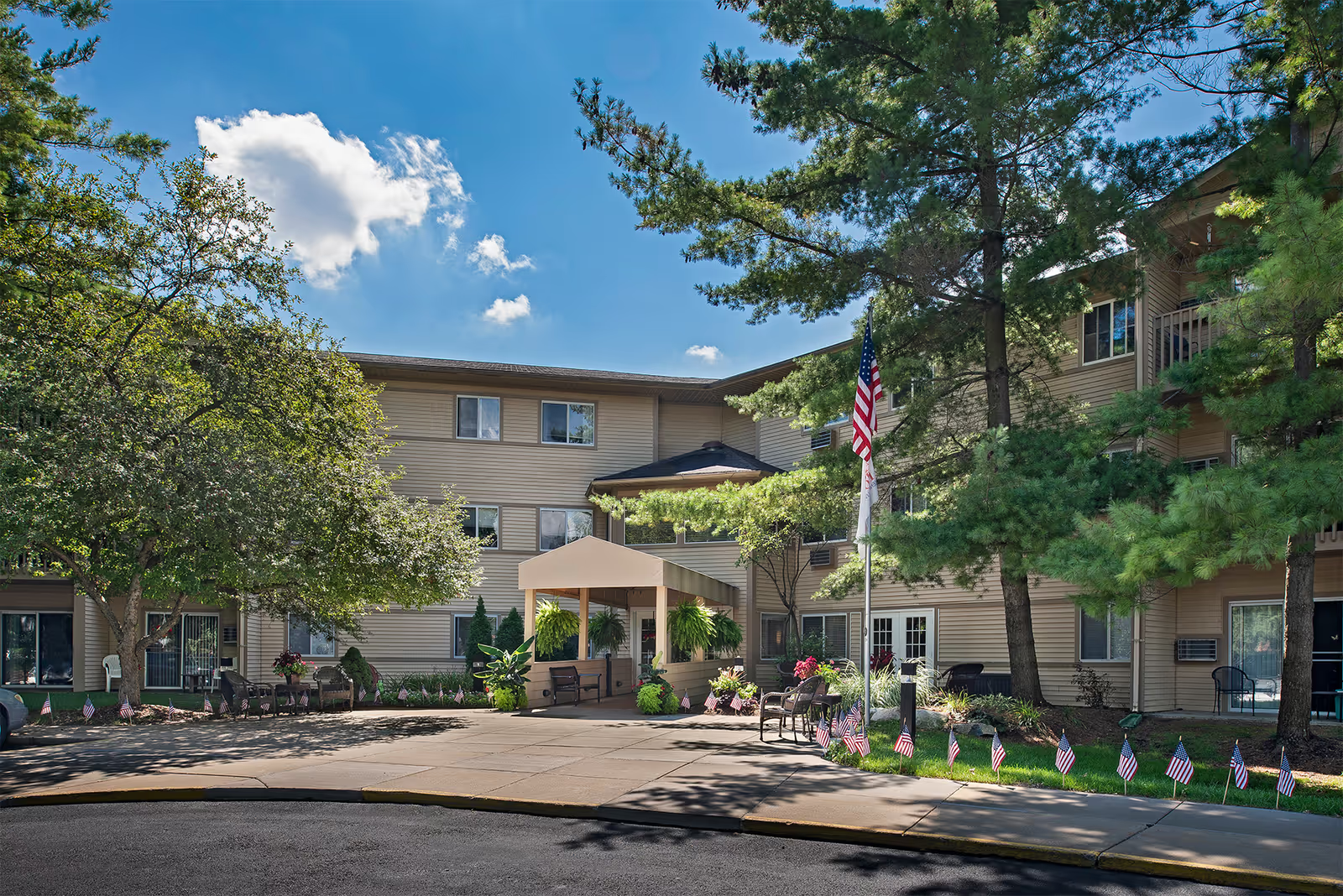
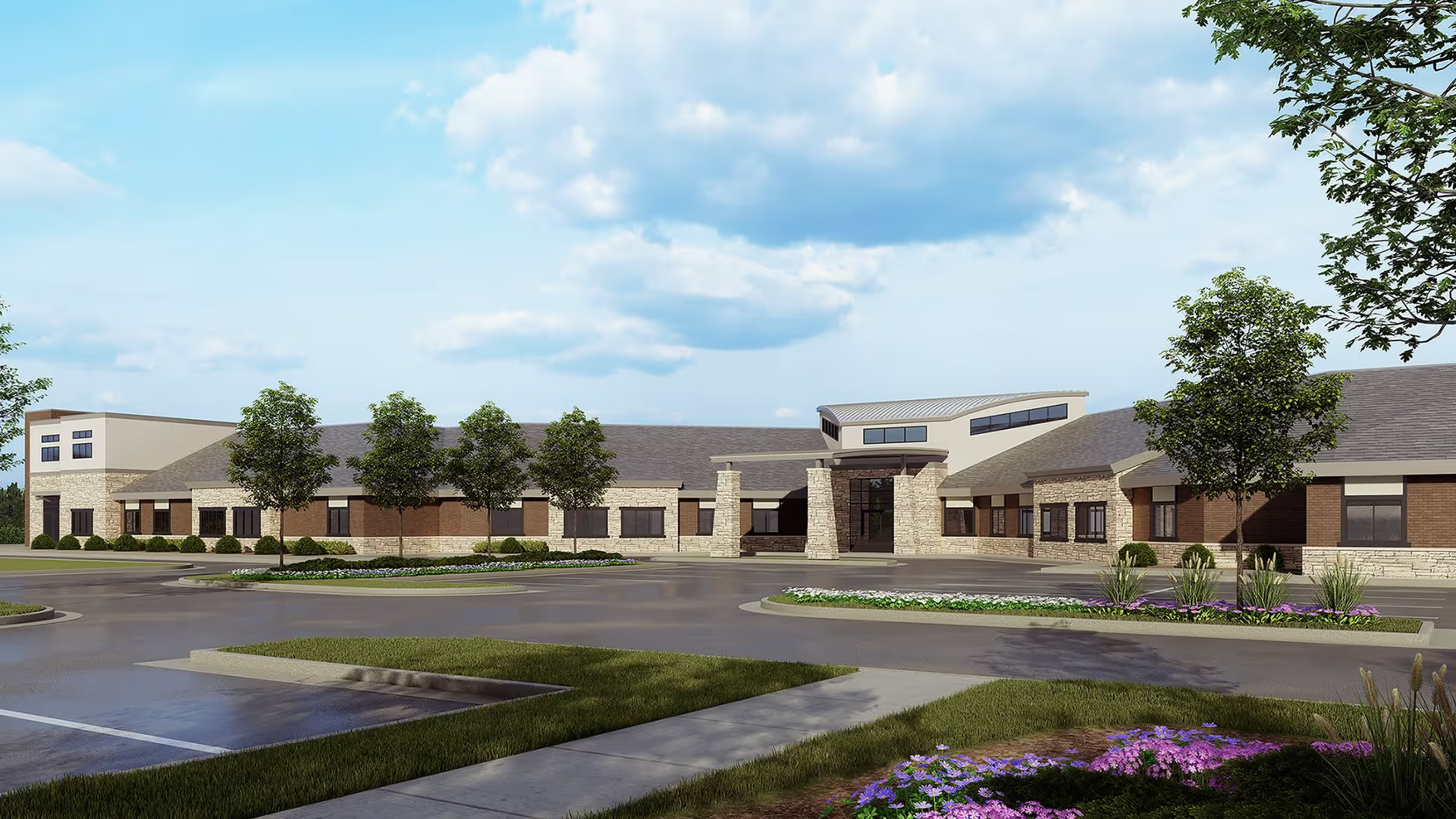
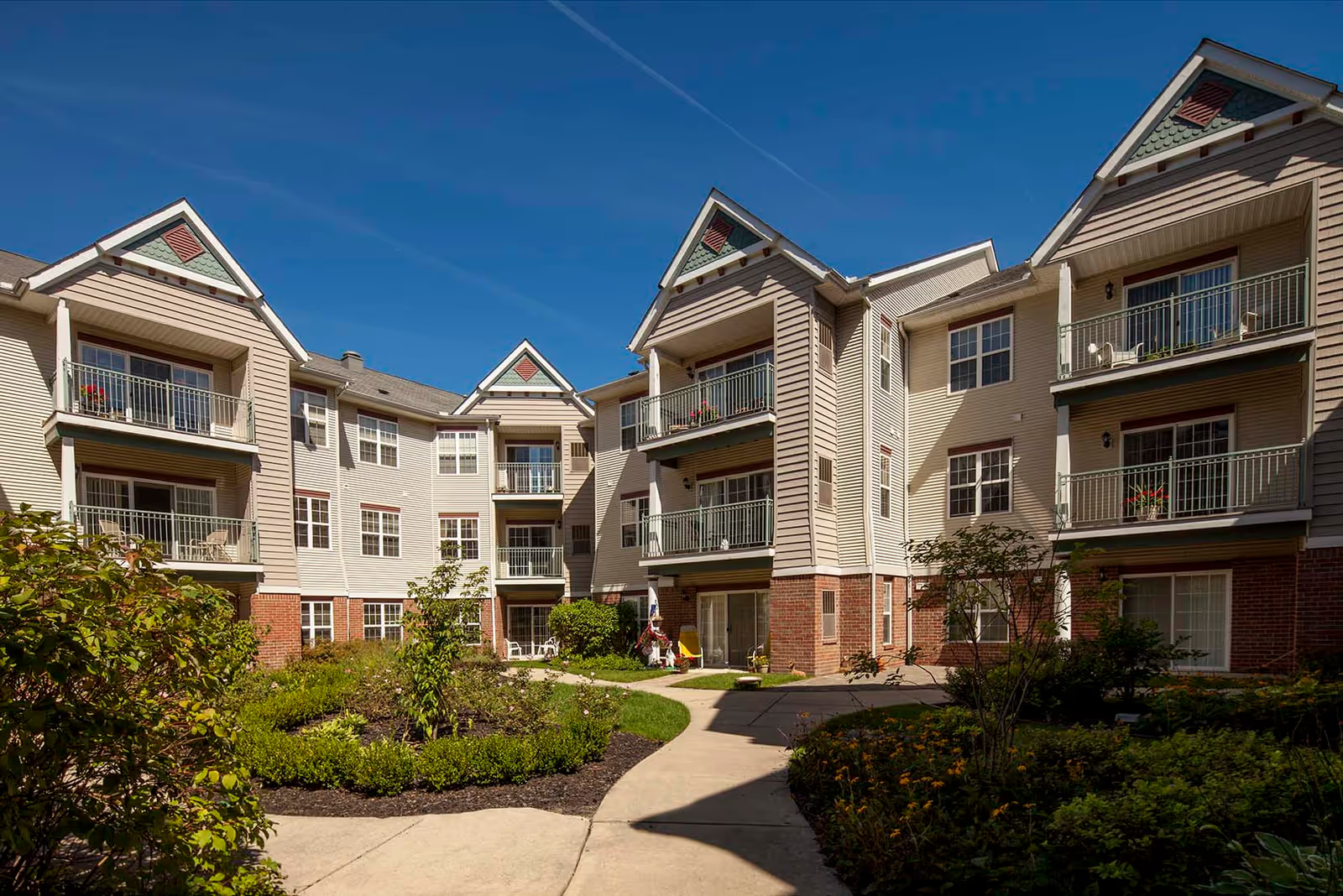
The reviews for this Villa Center are highly mixed and show a sharp divide between positive short-term rehabilitation experiences and critical long-term care concerns. On the positive side, the facility is cited for its rehabilitation focus: an on-site therapy gym, engaged physical and occupational therapists, and structured therapy programs that several families found effective for short-term recovery. Some families also praised individual caregivers and CNAs for compassionate, attentive interactions, and noted attractive outdoor courtyard and communal spaces that support social activities and family visits.
At the same time, a substantial portion of feedback identifies persistent operational weaknesses. Cleanliness and odor-control problems are recurring themes, described as sanitation concerns in rooms and public areas. Multiple reviewers reported delays in basic assistance (long call-light response times), inconsistent bathing and incontinence care, and unreliable meal service including missed meals or cold/insufficient food. These issues are often linked to understaffing and shift-to-shift variability: families describe markedly different levels of responsiveness and professionalism depending on the wing or shift.
Clinical and safety practices appear uneven. Several accounts raise concerns about medication timing, missed or delayed medications, and gaps in clinical-procedure adherence; there are also reports indicating problems with equipment reliability and maintenance (broken beds, faulty remotes). Infection-control and procedural handling were called out in a number of critiques, and some reviews referenced significant clinical incidents that led to hospital transfers. There are also operational risks around property control—missing personal items and paperwork—and occasional serious allegations of staff misconduct and theft that families felt warranted regulatory attention.
Management and communication are another inconsistent area. Some families reported helpful, transparent interactions with administrators and social workers, but many described poor follow-through on promises, lost documentation, insurance/billing errors, unnotified room moves, and limited responsiveness to escalation. Therapy resources are a relative strength in many reports, yet availability and utilization of those resources vary: when family presence is frequent or specific therapists are involved, outcomes were better; in other cases therapy engagement was limited.
For prospective residents and families, the pattern suggests the facility may perform well for time-limited, therapy-centered stays when the rehabilitation team is actively involved, and when individual caregivers are engaged. However, the same reviews raise consistent trait-level concerns for long-term placements: sanitation control, timely assistance, consistent medication and meal management, staff training/turnover, and administrative reliability. Families considering placement should visit multiple times, ask for specific assurances about staffing ratios, call-response metrics, medication protocols, property safeguards, and infection-control procedures, and monitor implementation of those safeguards if a placement proceeds.