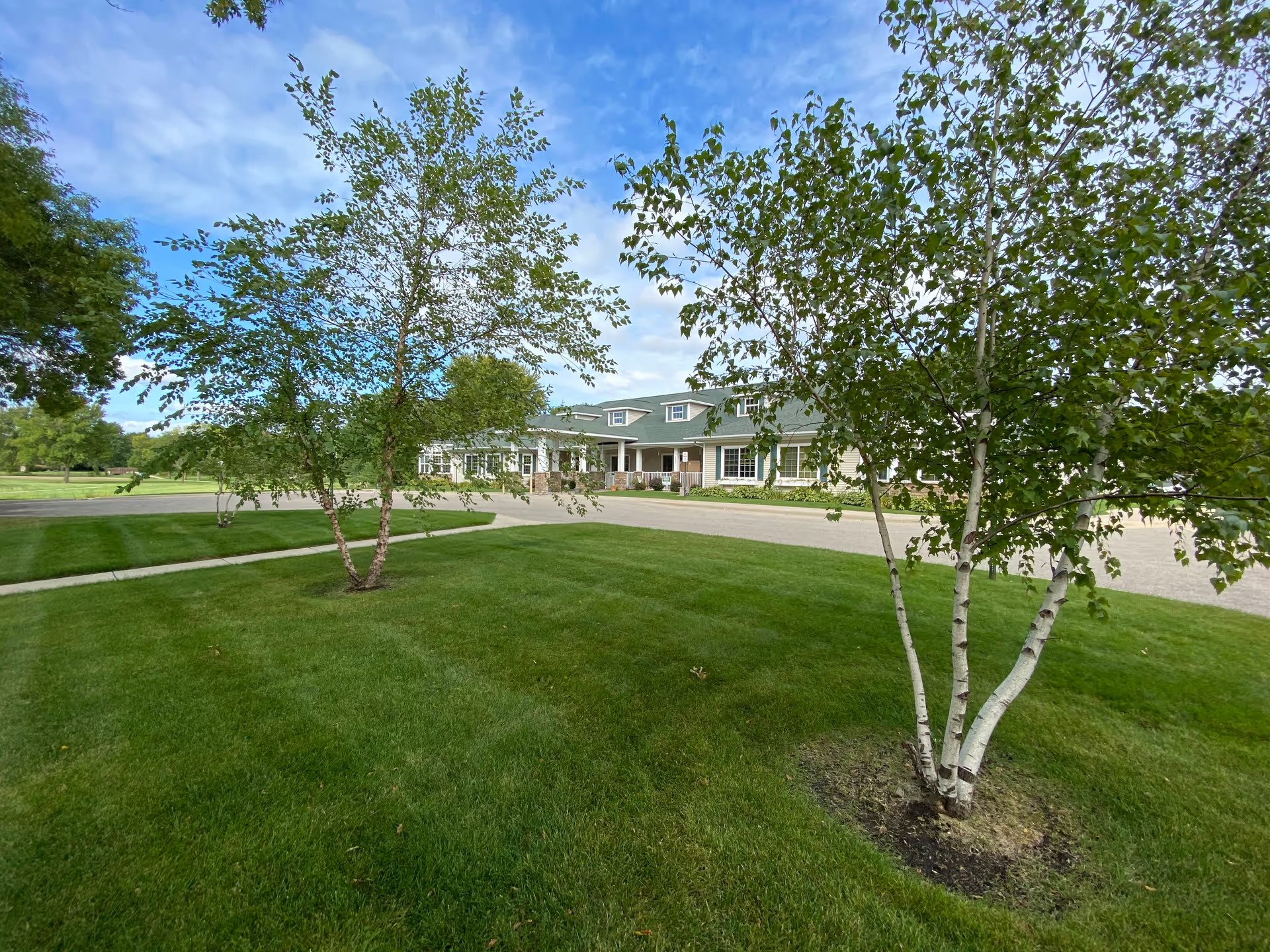
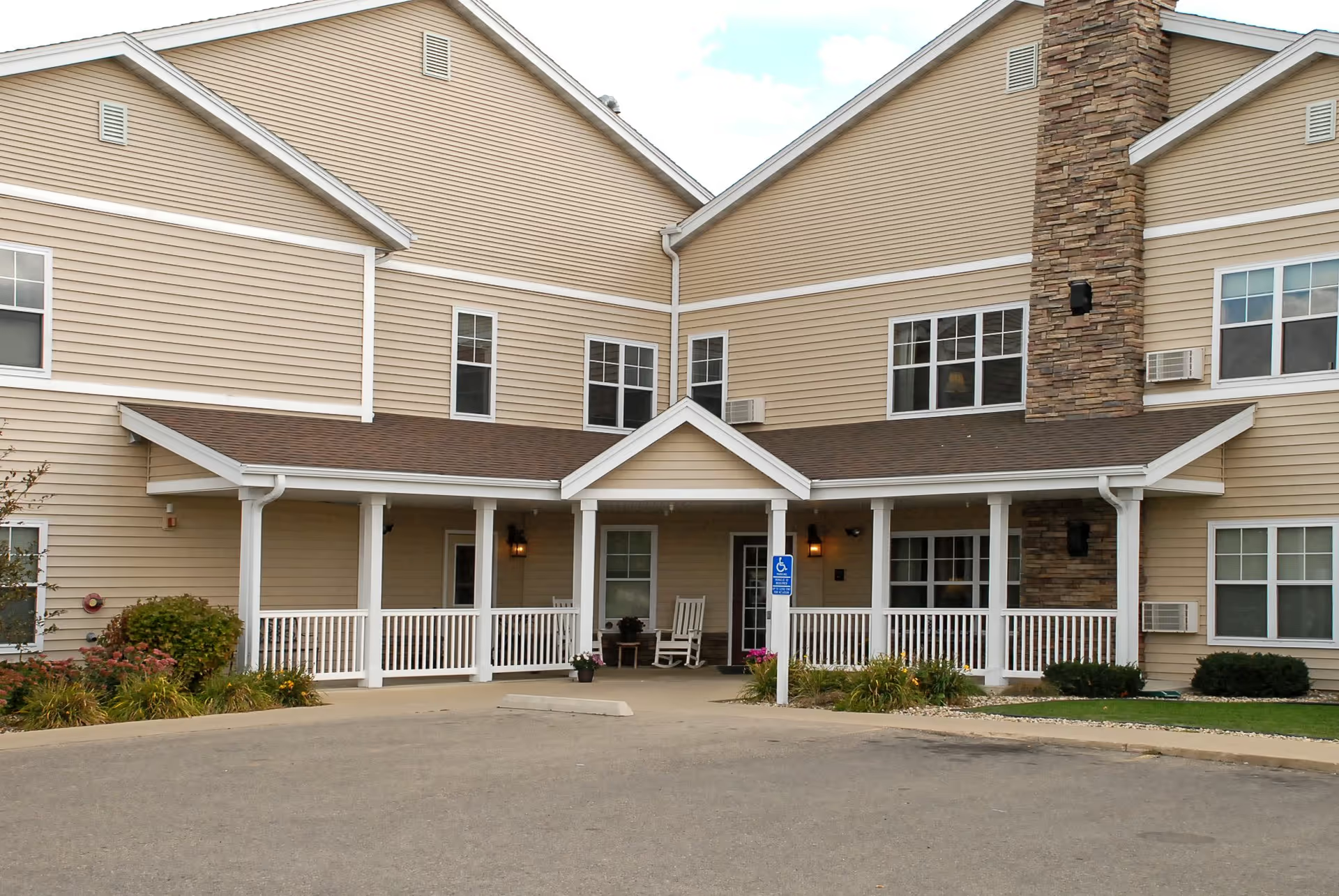
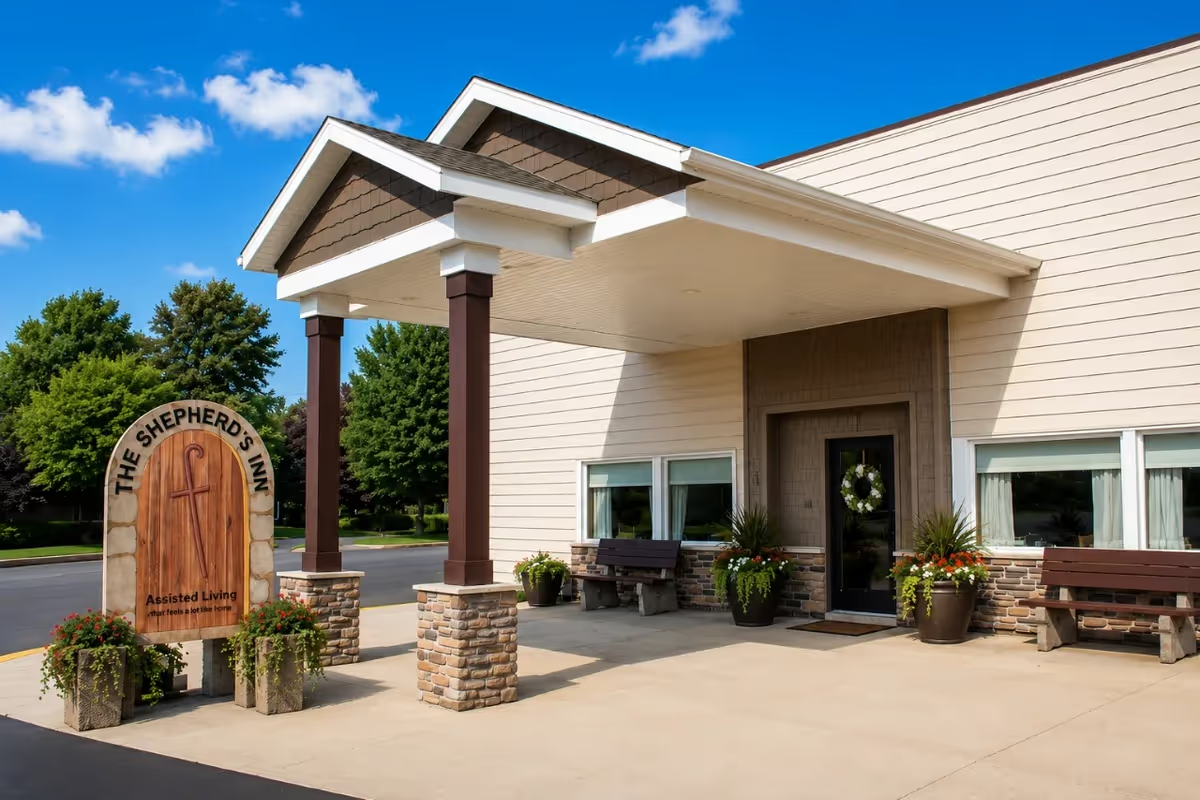
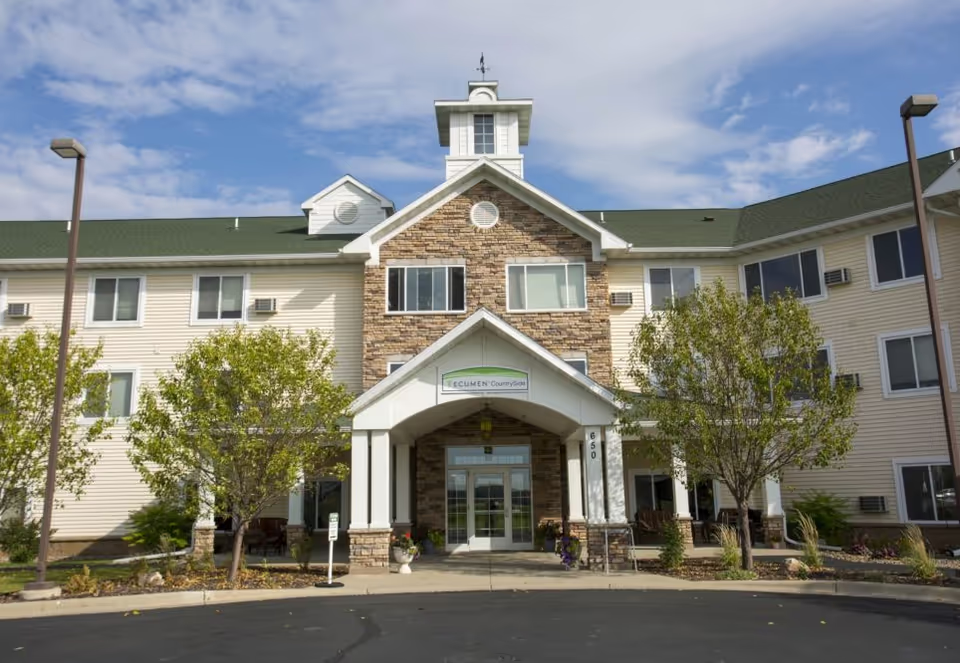
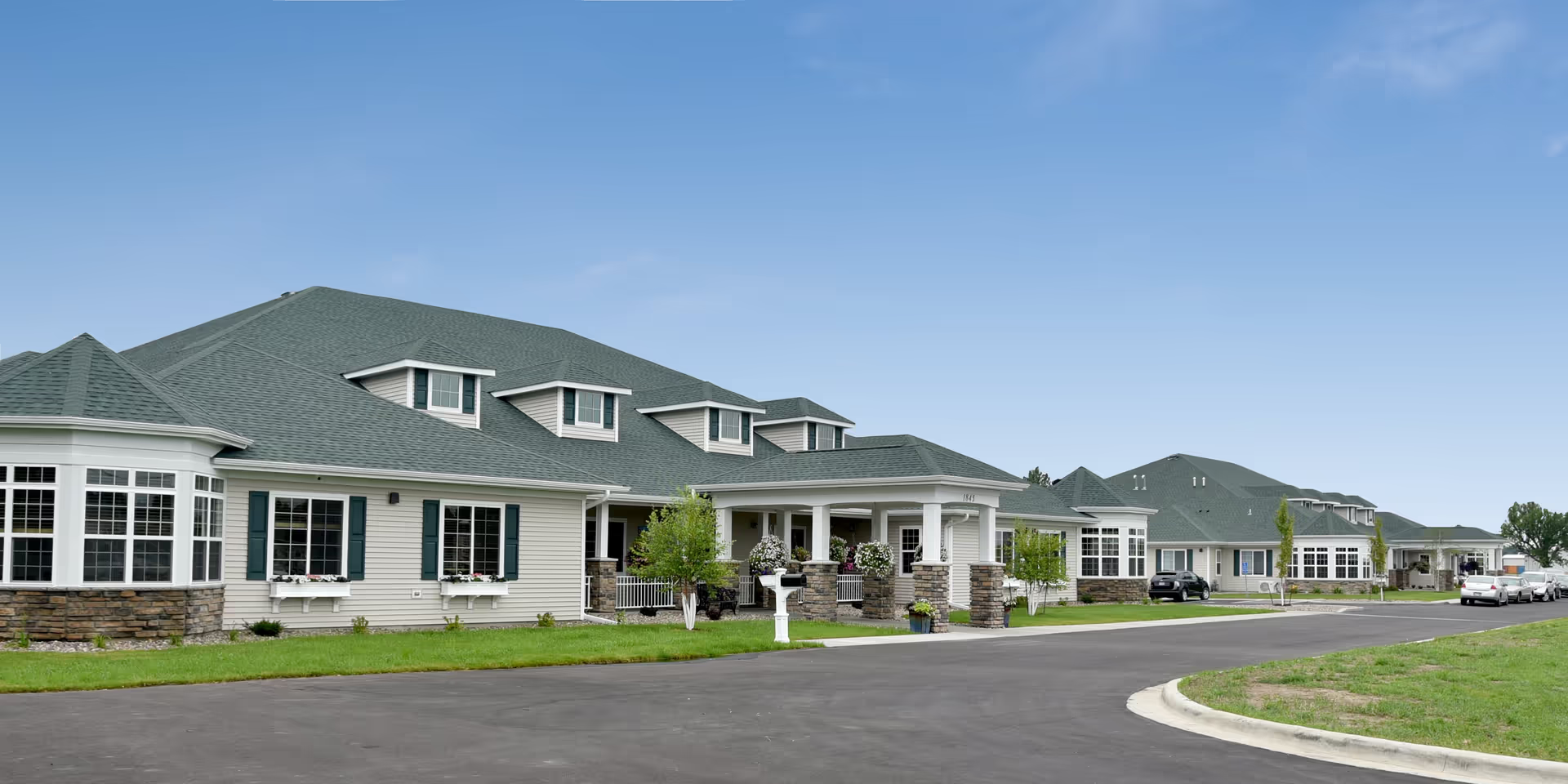
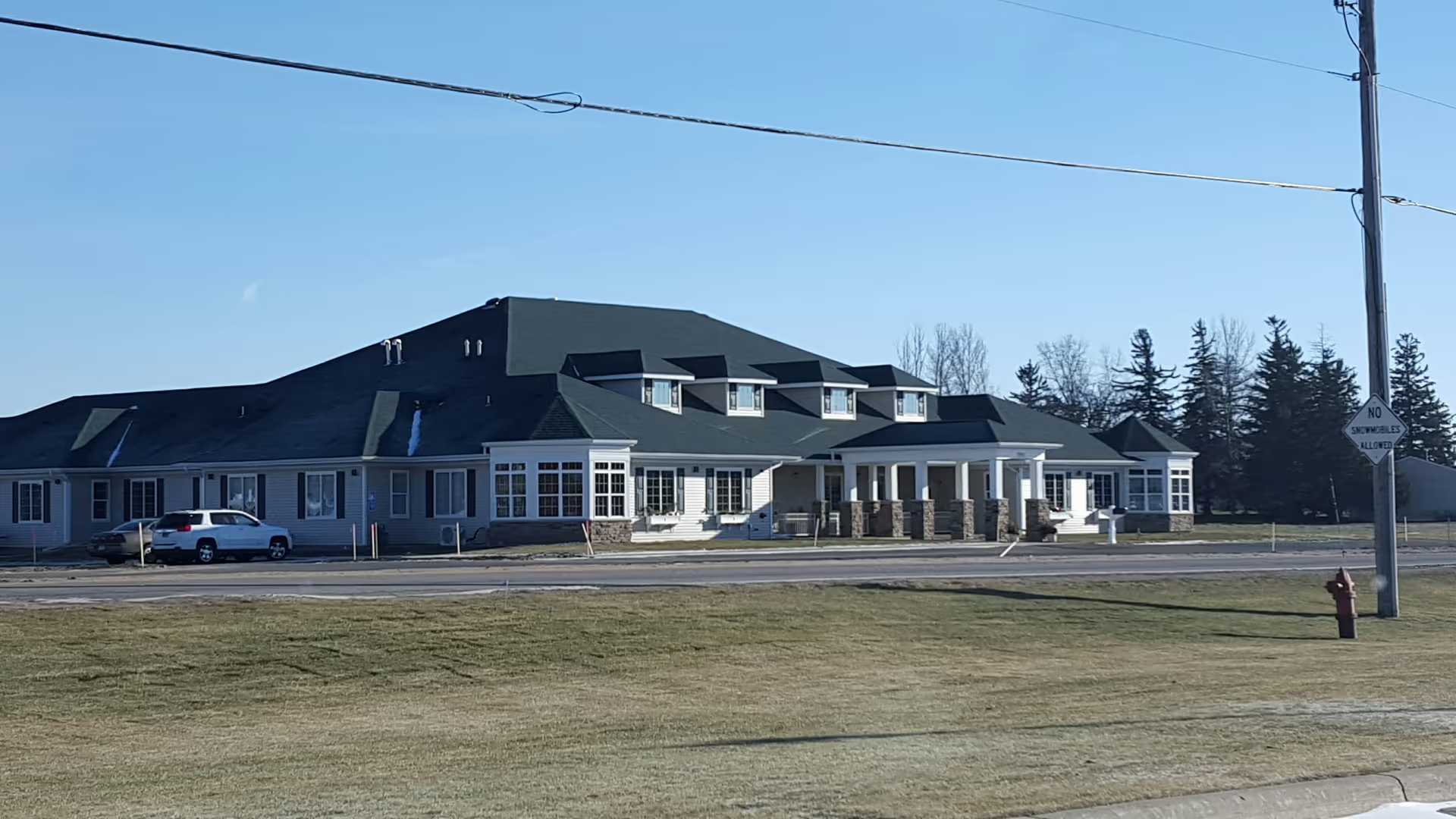
Overall impression: Good Samaritan Society - Albert Lea receives frequent praise for its rehabilitation program, compassionate staff, and welcoming, home-like atmosphere. Reviewers highlight strong physical-therapy services and individualized rehab progress, and many note warm, social relationships between residents and staff. The campus and interior are described as attractive and well-maintained, with consistently clean common areas and bathrooms.
Care and staff: Clinical care and rehab services are often characterized as professional and effective, with specific positive references to physical-therapy staff. Caregivers are described as compassionate and attentive, and the facility appears to support meaningful resident–staff interactions and peer friendships. At the same time, several comments indicate staffing pressures; workload strain may affect responsiveness and the ability to manage difficult resident interactions. There are also isolated concerns about staff conduct during challenging situations, suggesting a need for continued supervisory oversight and staff support.
Dining and nutrition: Dining is a notable area of inconsistency. Multiple reviewers commented on food quality, small portion sizes, and a need for improved kitchen training. While some service interactions are described as quick and efficient, the facility would benefit from efforts to standardize meal preparation, menu variety, and portioning to better meet resident expectations.
Facilities and comfort: The physical environment is a clear strength—reviewers describe an attractive, well-kept campus and spotless bathrooms. However, comfort-related items such as mattresses and pillows were raised as concerns; prospective residents may want to inquire about bedding options or bring personal bedding to improve sleep comfort.
Management and communication: Communication and administrative responsiveness present a mixed picture. Some reviewers note prompt, helpful service, while others report limited follow-up from administration and missed callbacks. Importantly, there are specific indications of gaps in medication reconciliation and discharge communication (for example, missing discharge medication information), which suggests an operational need to strengthen discharge planning and handover processes.
Notable patterns and guidance: The pattern across comments suggests a facility strong in rehabilitation, cleanliness, and interpersonal care, but with operational gaps in dining, bedding comfort, discharge processes, and administrative follow-up. Families and prospective residents considering this facility should ask about current staffing ratios and how the facility manages workload peaks, review discharge and medication-reconciliation procedures, sample dining options or review menus, and confirm bedding accommodations. These targeted questions can help align expectations and identify whether the facility’s strengths match the prospective resident’s priorities.