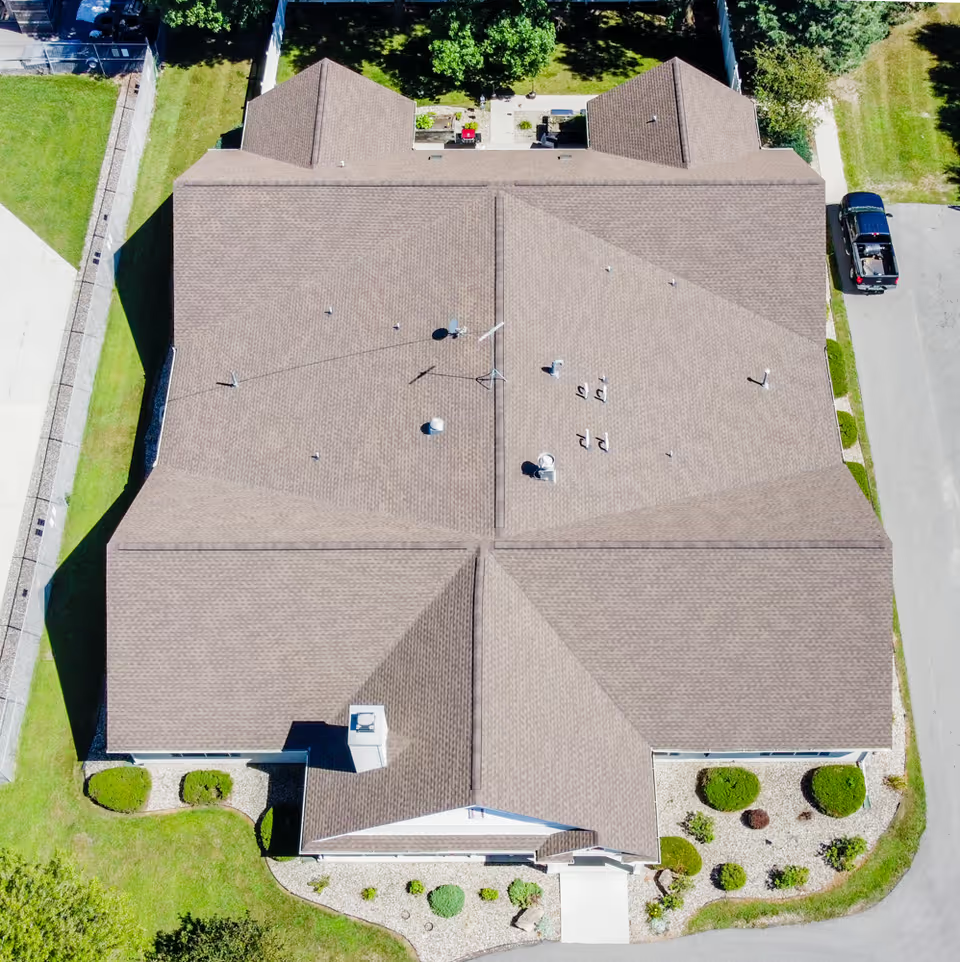
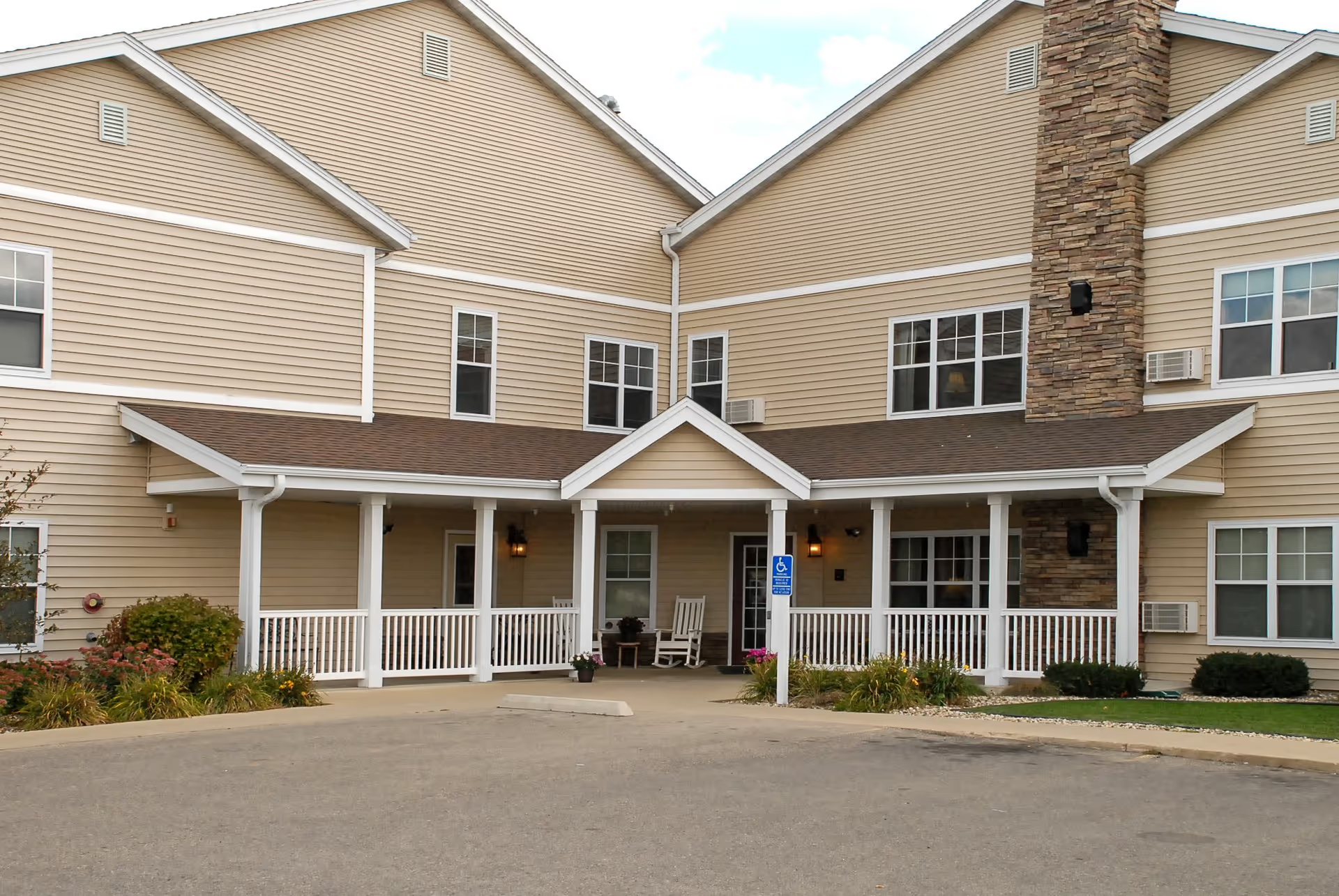
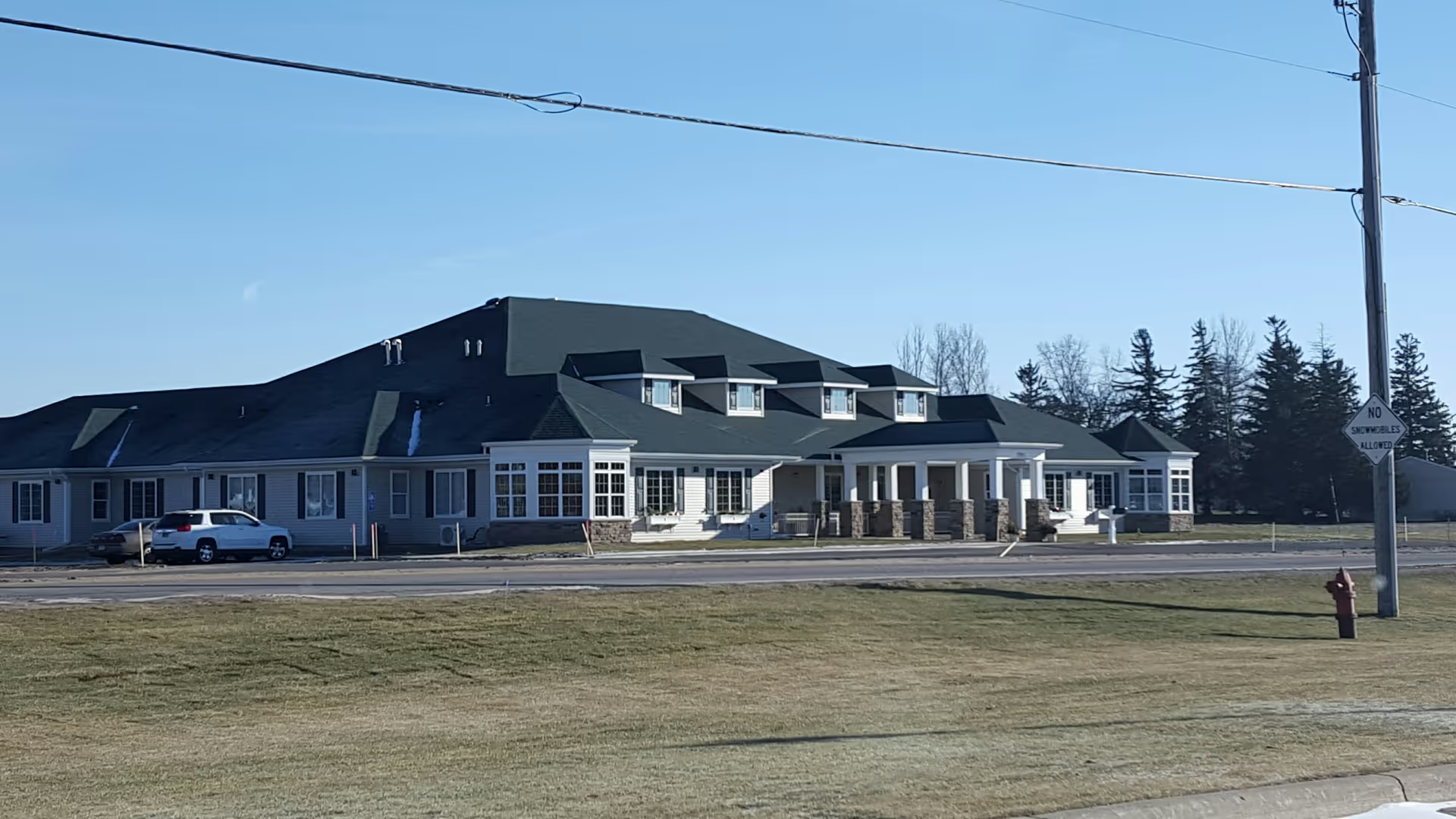
Oak Park Place Albert Lea is frequently described as a clean, well-kept community with a home-like atmosphere and strong day-to-day operational strengths. Families and residents highlight spacious, apartment-style units that include full kitchens and roomy bathrooms, along with consistent housekeeping and laundry services. The physical environment is repeatedly characterized as up-to-date and pleasantly decorated, and maintenance is noted as responsive. Transportation services for medical appointments and regular outing opportunities contribute to the facility’s convenience and resident mobility.
Care quality and staff interactions are central positive themes. Reviewers emphasize friendly, welcoming staff who provide attentive and personalized care, timely health monitoring, and thorough nursing assessments at intake. Multiple comments point to staff going beyond baseline duties, helpful onboarding and move-in support, and a general sense of genuine concern and pride among many employees. These strengths underpin families’ confidence in day-to-day care and provide reassurance for those seeking long-term placement.
Dining and activities are described positively in the assisted-living areas: meals are generally rated tasty, with dietary accommodations available and personable kitchen staff. Programming includes exercise classes, bingo, crafts, live music, and bus outings such as shopping and excursions; these offerings and driver-led transportation are repeatedly noted as meaningful additions to resident quality of life. However, activity availability has been affected at times by pandemic-related restrictions and, more notably, reviewers identify a discrepancy between assisted-living programming and the memory-care unit. Several accounts indicate limited structured social engagement and fewer open activities for memory-care residents, with practices that leave some residents returning to private rooms soon after shared meals.
A recurring operational concern involves leadership and human-resources dynamics. Some staff and family comments raise concerns about management conduct and staff morale, including descriptions of confrontational interactions and insufficient HR follow-up on complaints. These statements contrast with the otherwise positive descriptions of frontline caregiving and warrant consideration by prospective families and oversight bodies. Taken together, the pattern suggests solid direct-care and environmental strengths alongside targeted areas for improvement in memory-care social programming and leadership responsiveness.
Overall, Oak Park Place Albert Lea presents as a well-maintained, service-oriented community with strong housekeeping, dining, transportation, and engaged caregiving in assisted living. Prospective residents and families should weigh these operational strengths against the reported variability in memory-care engagement and inquire specifically about current activity schedules, memory-care programming, and staff-retention and HR practices during tours and contract discussions.