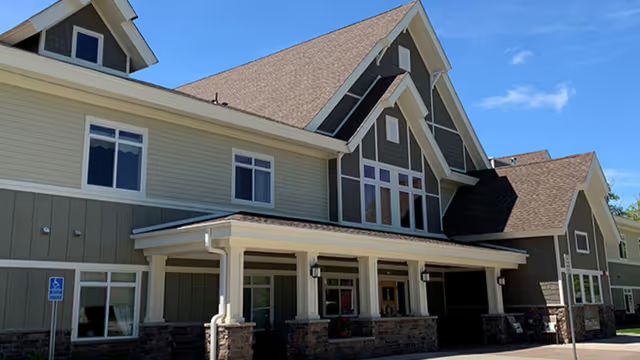
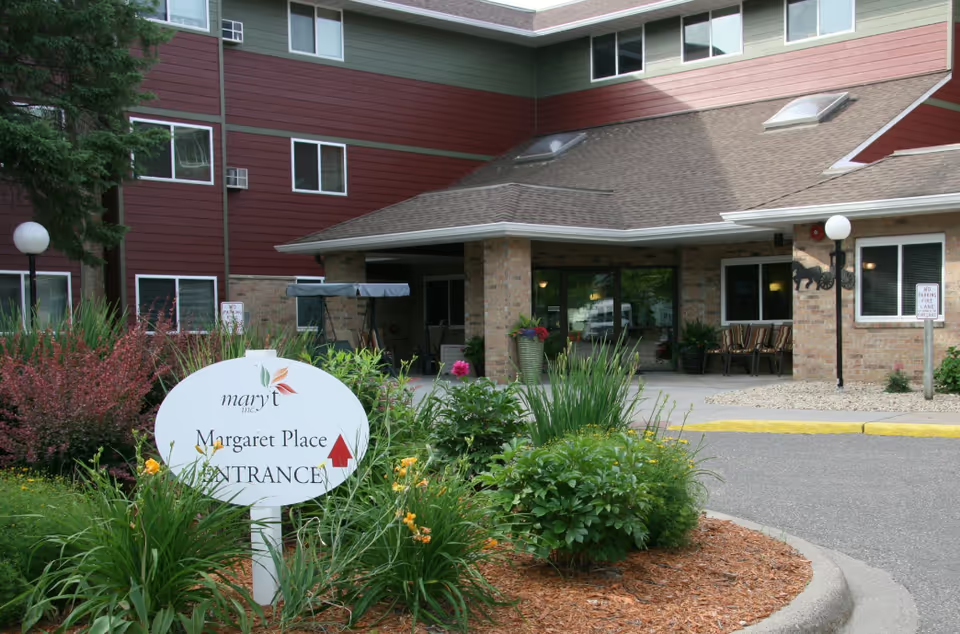
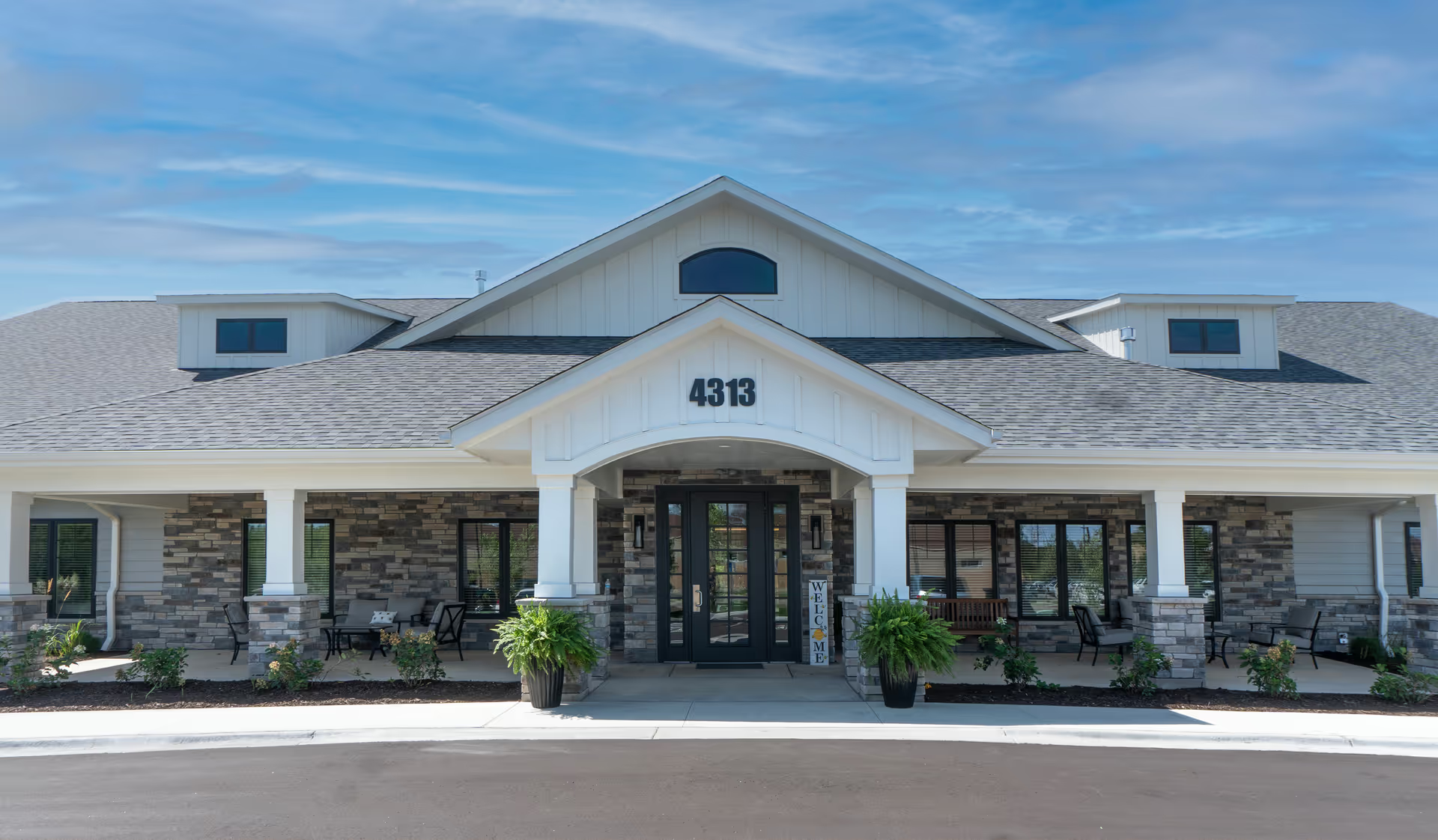
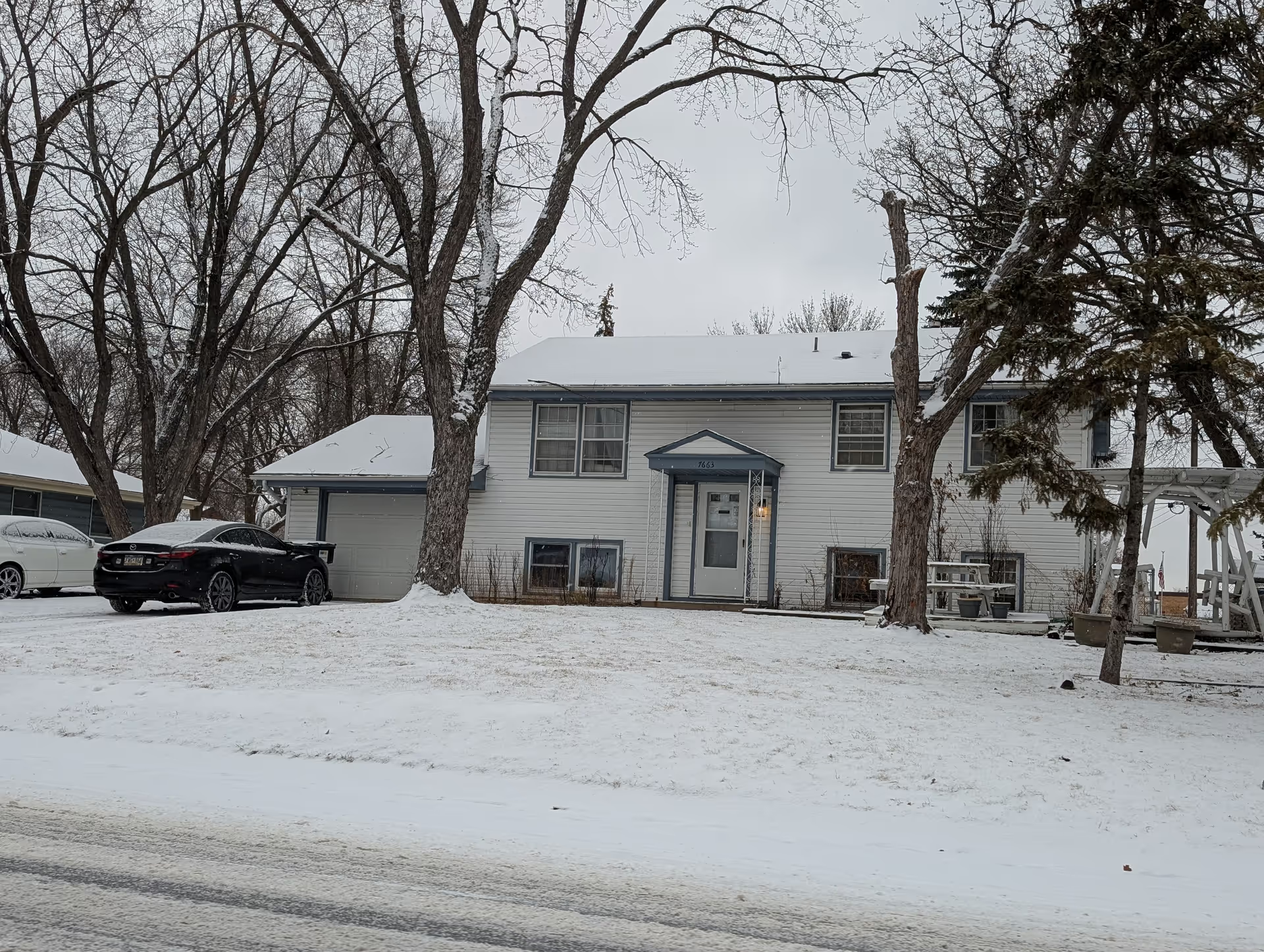
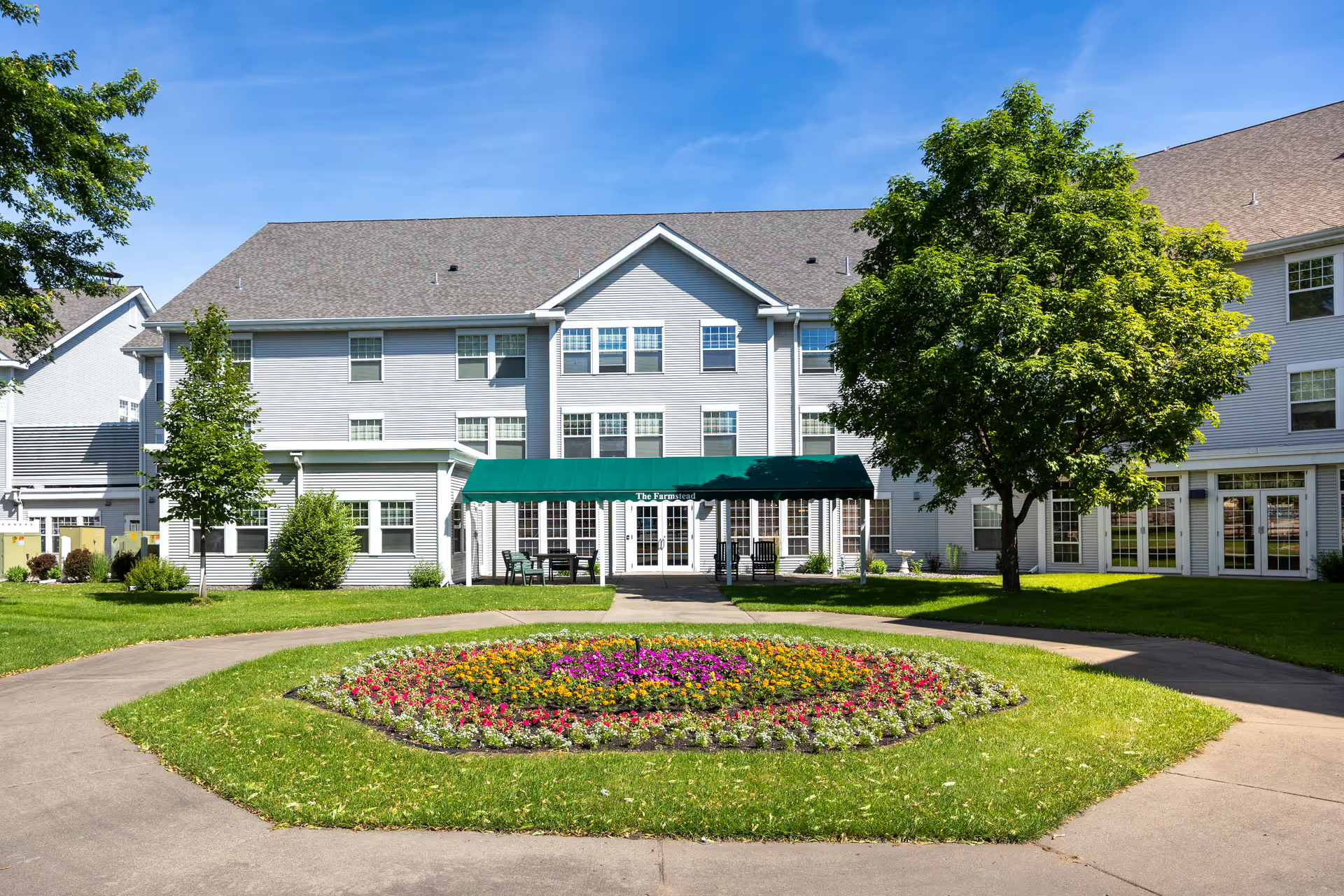
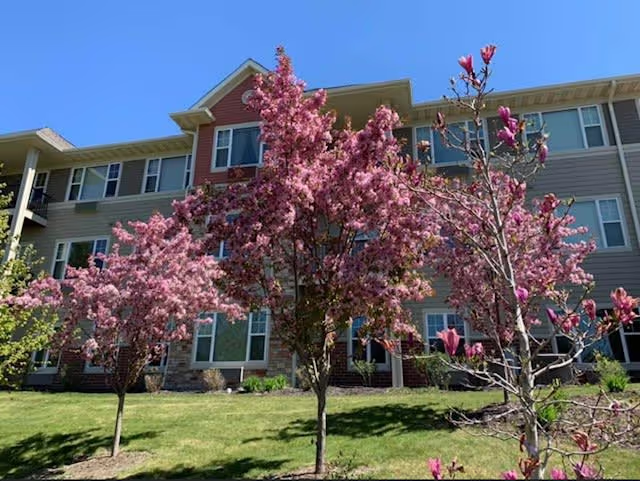
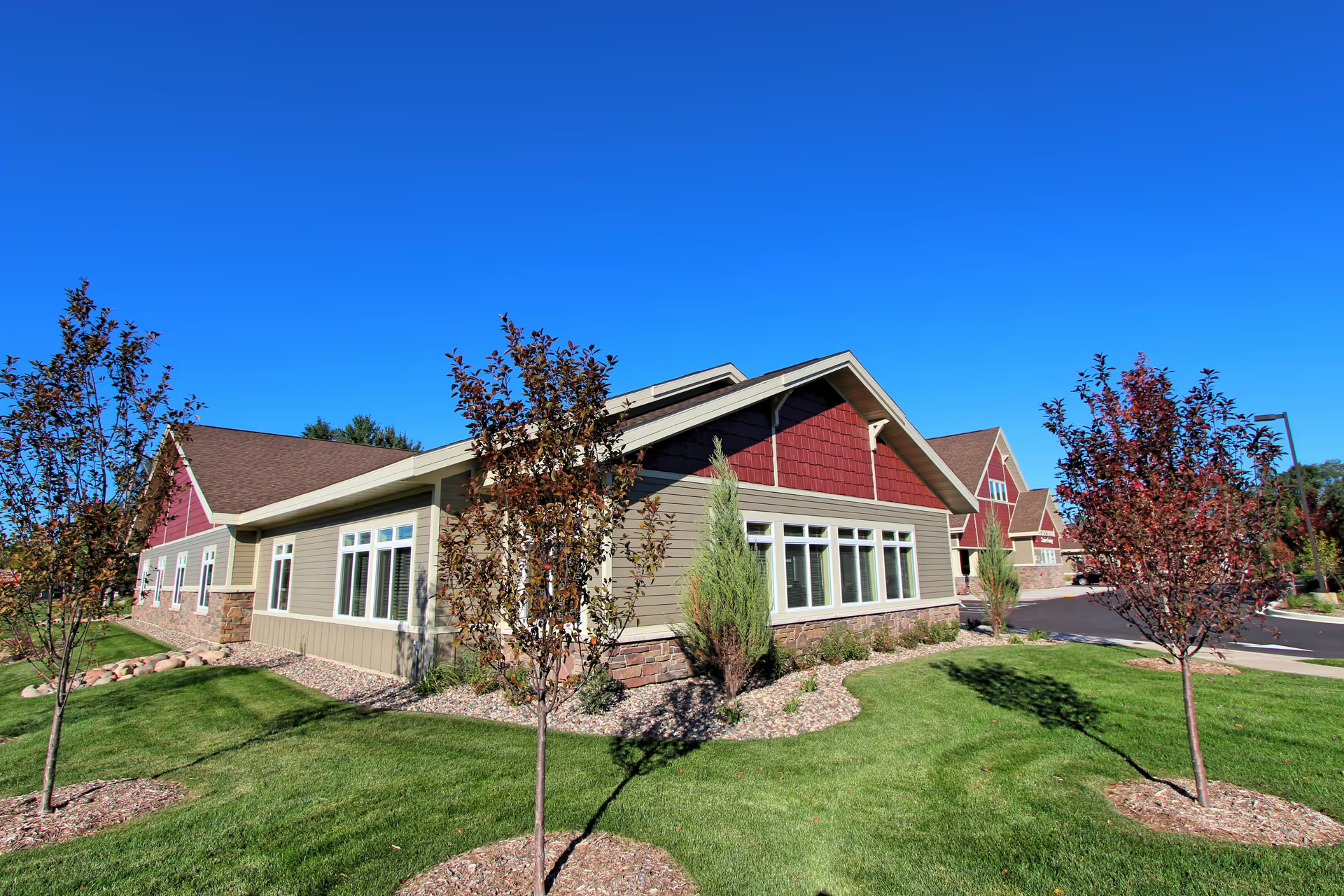
Edgemont Place presents a mixed but instructive profile for families considering memory or assisted living. Many reviewers praised the community's strengths: a compassionate caregiving team, explicit memory-care specialization, and engaged nursing leadership. The facility is frequently described as home-like and single-story with pleasant outdoor spaces; several families highlighted effective hospice coordination and supportive end-of-life care. Dining is a consistent positive theme — restaurant-style service, individualized menu attention, and an involved dietary director were noted alongside frequent praise for flavorful, balanced meals and accessible snacks.
Activity programming is another clear strength. Reviewers described a broad mix of social, therapeutic, and recreational offerings (daily exercise, crafts, outings and chaperoned activities) that contribute to resident engagement. Smaller community size and a team-based approach to care were credited with facilitating personalized attention, flexible care adjustments, and meaningful staff–family relationships. Several accounts also point to a smooth admission process and proactive family meetings as helpful features.
At the same time, a recurrent pattern of operational inconsistency emerged. Families reported leadership turnover and ownership transitions that appear to have affected staffing stability and day-to-day operations. High staff turnover and the presence of less experienced replacements were linked in reviews to variable care quality, inconsistent responsiveness to resident needs, and concerns about timely assistance. Specific operational gaps were described around monitoring and fall-response timeliness, and some reviewers raised concerns about how incidents are documented and communicated to families.
Cleanliness and sanitation assessments varied between reviewers. Many praised clean, odor-free common areas and well-managed laundry, while other accounts indicated room-level cleanliness and odor-control issues and delays in housekeeping response. Related concerns included staff distraction during care interactions and inconsistencies in personal-assistance staffing levels at certain times of day.
Management responsiveness appears to be uneven. Several families described attentive, responsive leaders who addressed concerns and fostered a warm culture; other families described poor communication tone, difficulty reaching administrators, or unresolved issues after leadership changes. Pricing and value also drew comment: while the community offers inclusive pricing options, some families reported cost increases and unclear expectations about extra-care fees.
Recommendations for prospective families: tour the community during activity periods to observe staff–resident interactions, ask about current staffing ratios and turnover, review fall-monitoring and incident-reporting protocols, confirm housekeeping and incontinence-care procedures, and request clear explanations of pricing and extra-care charges. When leadership is stable and staffing is adequate, reviewers describe high-quality, compassionate memory-care; where instability and staffing gaps are present, families reported more variability in outcomes.