Overall impression: Reviews present a largely positive picture of daily life at the facility while also flagging several operational inconsistencies families should evaluate. Strengths commonly cited include caring, personable front-line staff; a well-maintained and attractive physical plant with pleasant views and outdoor spaces; a broad activities program led by engaged coordinators; and a generally organized move-in and communication process that supports families, including out-of-state coordination.
Care and staff: Many families describe staff as compassionate, helpful with dressing and mobility, and willing to engage residents across cognitive levels. On-site nursing and ancillary services (hair services, hospice support) are noted as convenient. However, staffing patterns appear uneven: reviewers mention lower staffing in evenings and weekends and frequent turnover, which families linked to variable continuity of care. There are also reports suggesting variability in staff responsiveness and conduct; reviewers emphasize that attentiveness and communication quality can differ by shift. There is one serious allegation concerning the dismissal of an employee after family advocacy; this stands apart from operational issues but may be worth verifying during a tour.
Clinical and safety practices: The community’s memory-care safety features and secure environment receive positive comments. Conversely, several comments raise concerns about medication administration and clinical responsiveness — examples include delays in assessment or pain management and instances implying lax medication controls. These suggest the facility’s medication-administration procedures and incident-escalation protocols are areas to review with management and nursing leadership.
Dining and activities: Dining is generally well regarded — meals are described as nutritious, tasty, and family-friendly on occasion. The activities program is a clear strength: staff-led activities, robust calendars, and energetic activity directors are repeatedly praised. A few families wished for additional weekend or religious-service options, indicating some limitations in weekend programming variety.
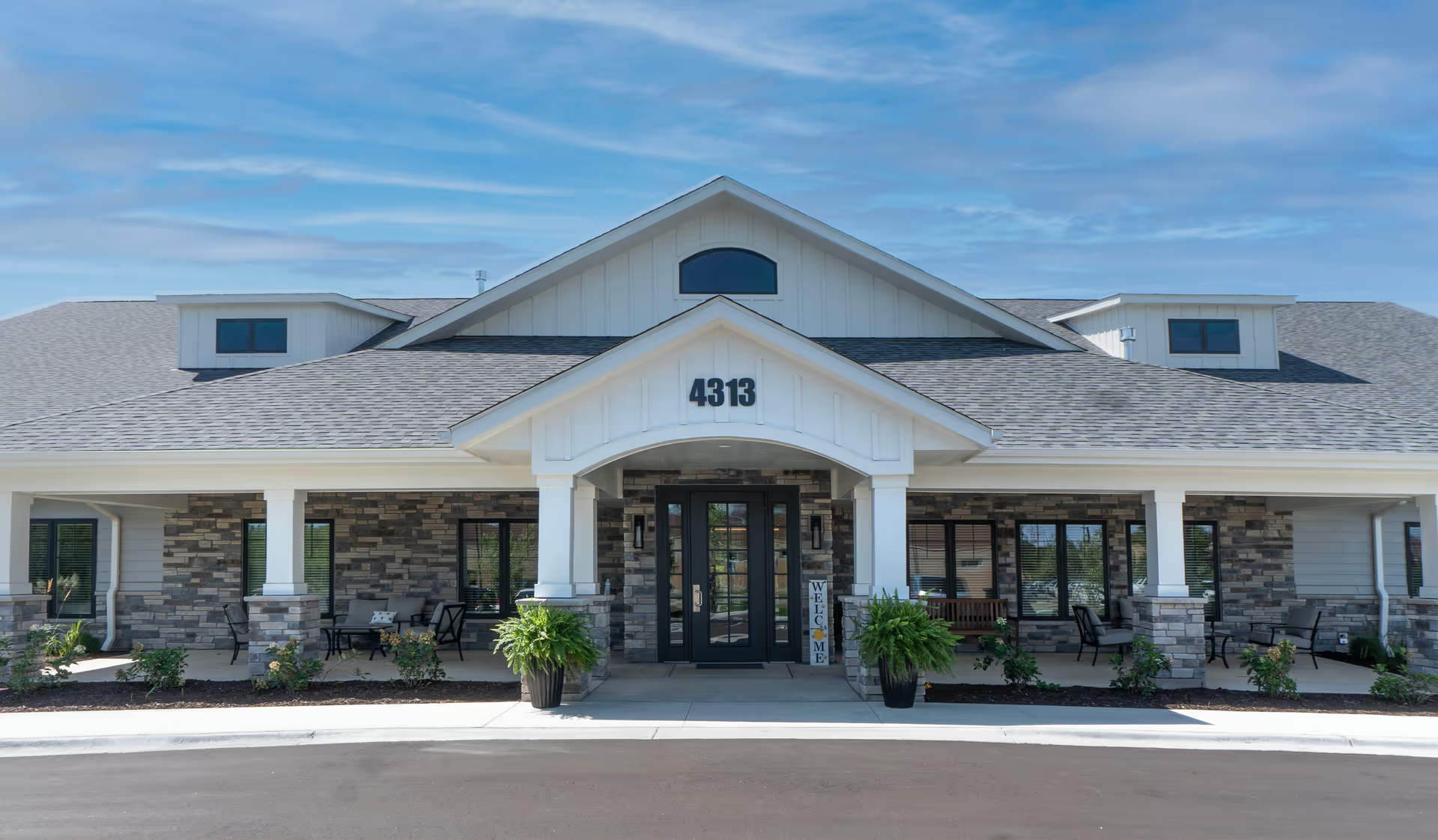
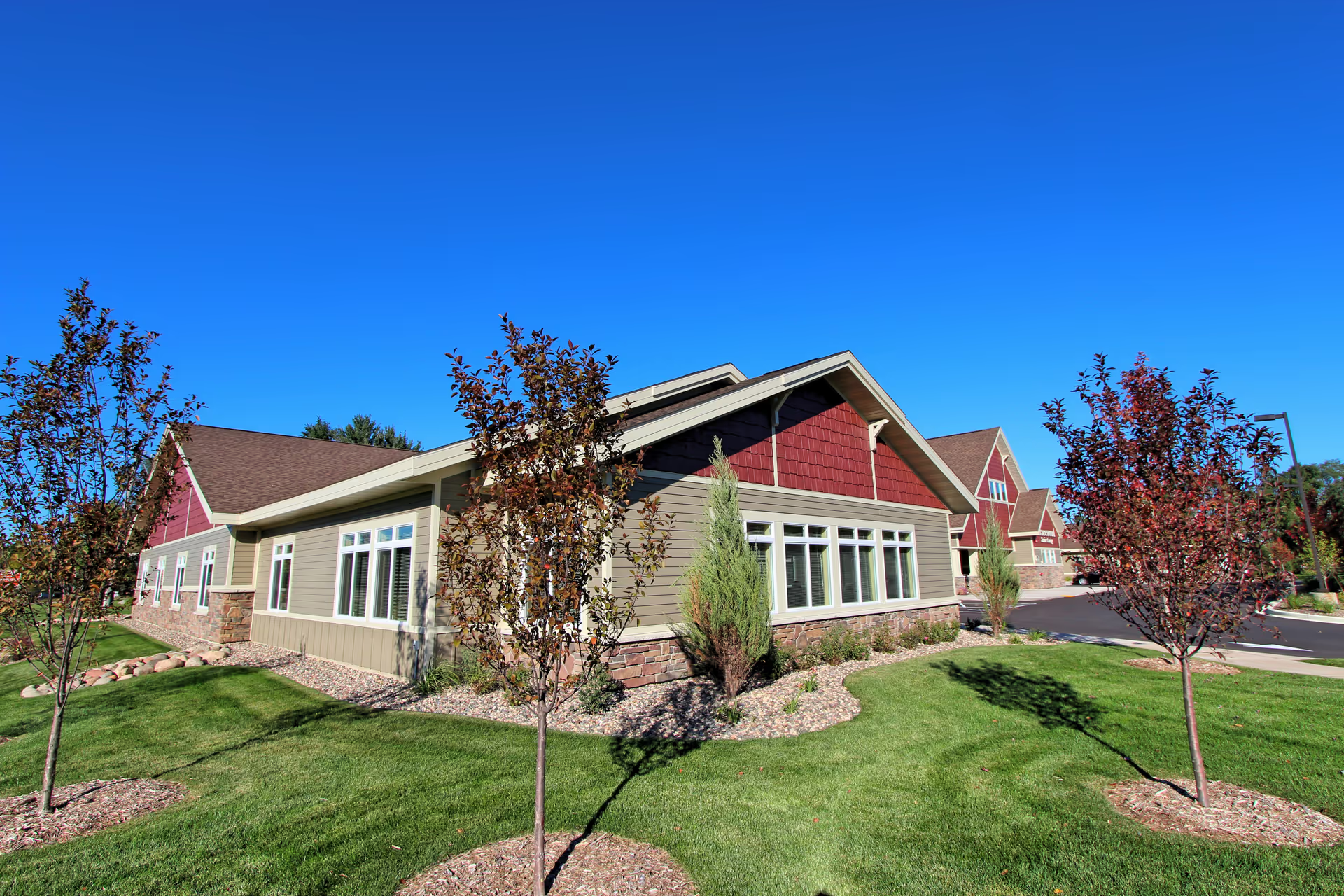
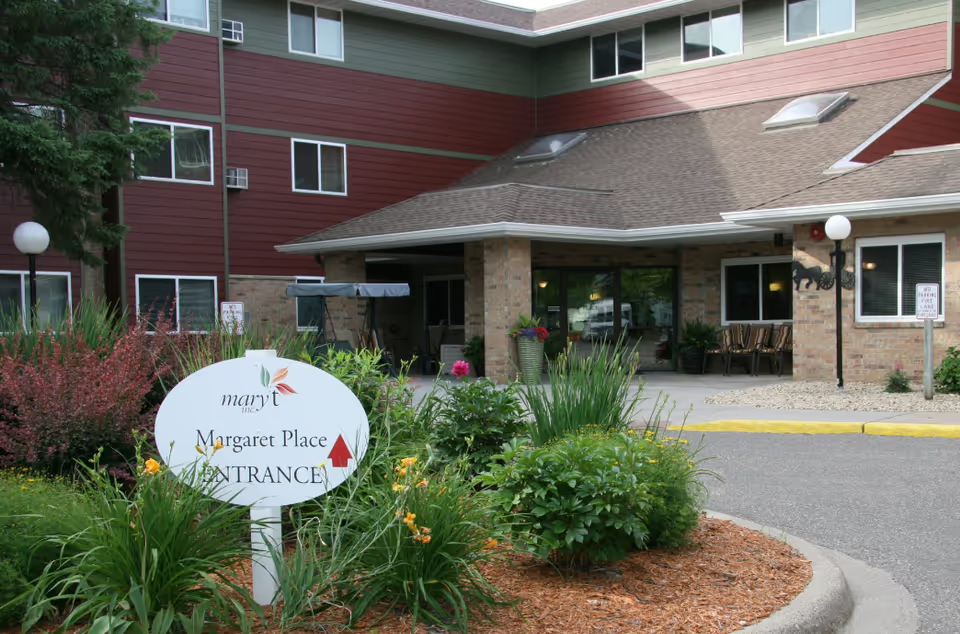
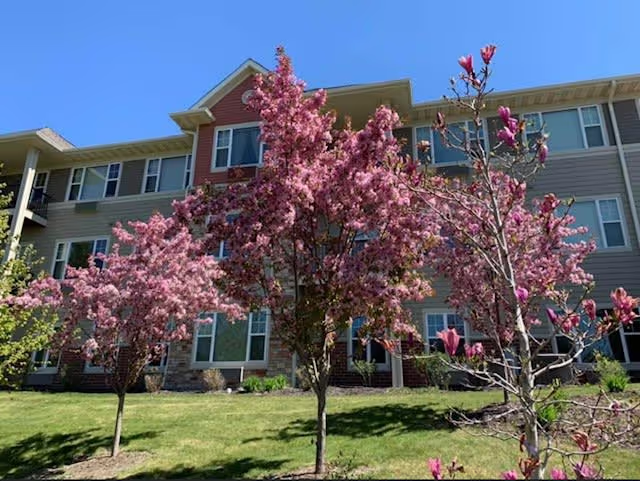
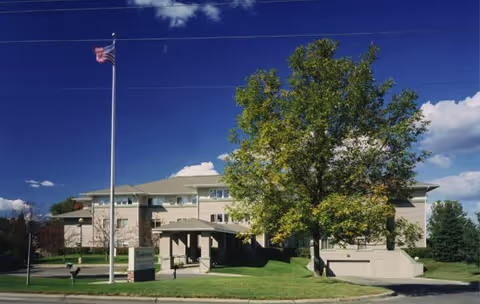
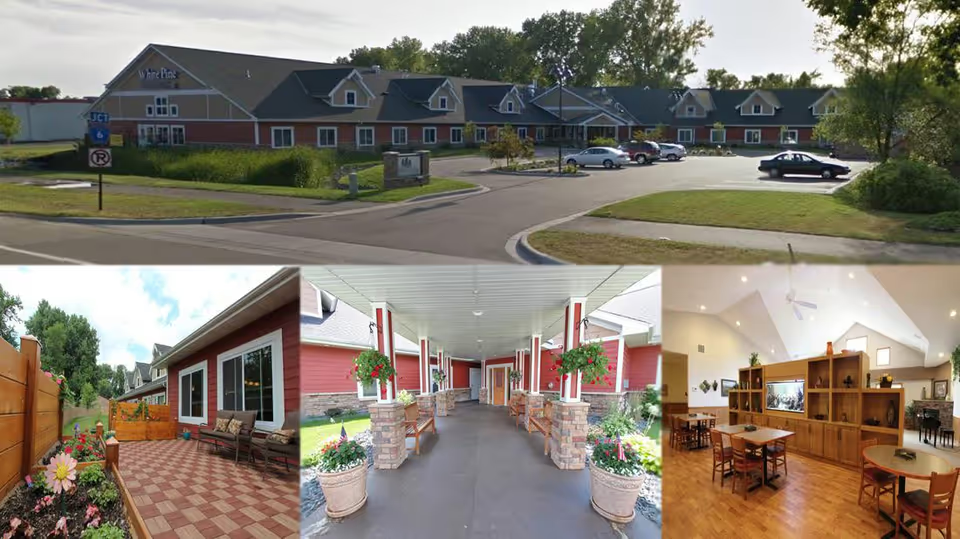
Facilities and maintenance: The building, grounds, and common areas earn consistent praise for cleanliness and presentation, with highlights such as a welcoming lobby, private and shared room options, and features like walk-in tubs and comfortable furnishings. At the same time, there are isolated reports of room-level maintenance and sanitation inconsistencies (stains and spills, mattress or upholstery issues) that point to uneven maintenance follow-through rather than a universal problem.
Management and communication: Management responsiveness is often described as a positive, with families noting weekly updates and quick responses when concerns are raised; streamlined admissions and paperwork are also highlighted. That said, the pattern of staff turnover and the clinical-response concerns above indicate variability in operational execution. Prospective families should ask specific questions about staffing ratios by shift, turnover rates, medication administration policies, cleaning and maintenance schedules, and the facility’s incident-escalation and family-notification procedures.
Bottom line: The facility demonstrates many attributes families seek in memory care — engaged staff, active programming, attractive facilities, and organized intake and communication. At the same time, recurring operational themes (inconsistent staffing coverage, turnover, medication-administration controls, and occasional room-level maintenance lapses) are areas to probe further. A recommended next step for prospective families is an in-person visit timed to evenings or weekends, targeted questions to nursing and management about clinical protocols and staffing, and review of care plans and recent quality/safety documentation to confirm consistency with the positive experiences described.