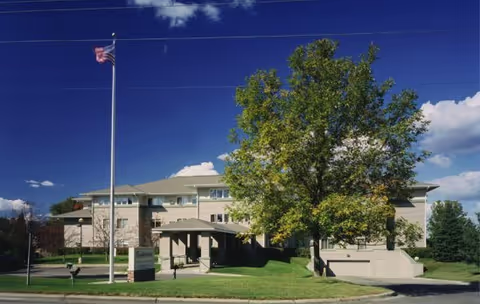
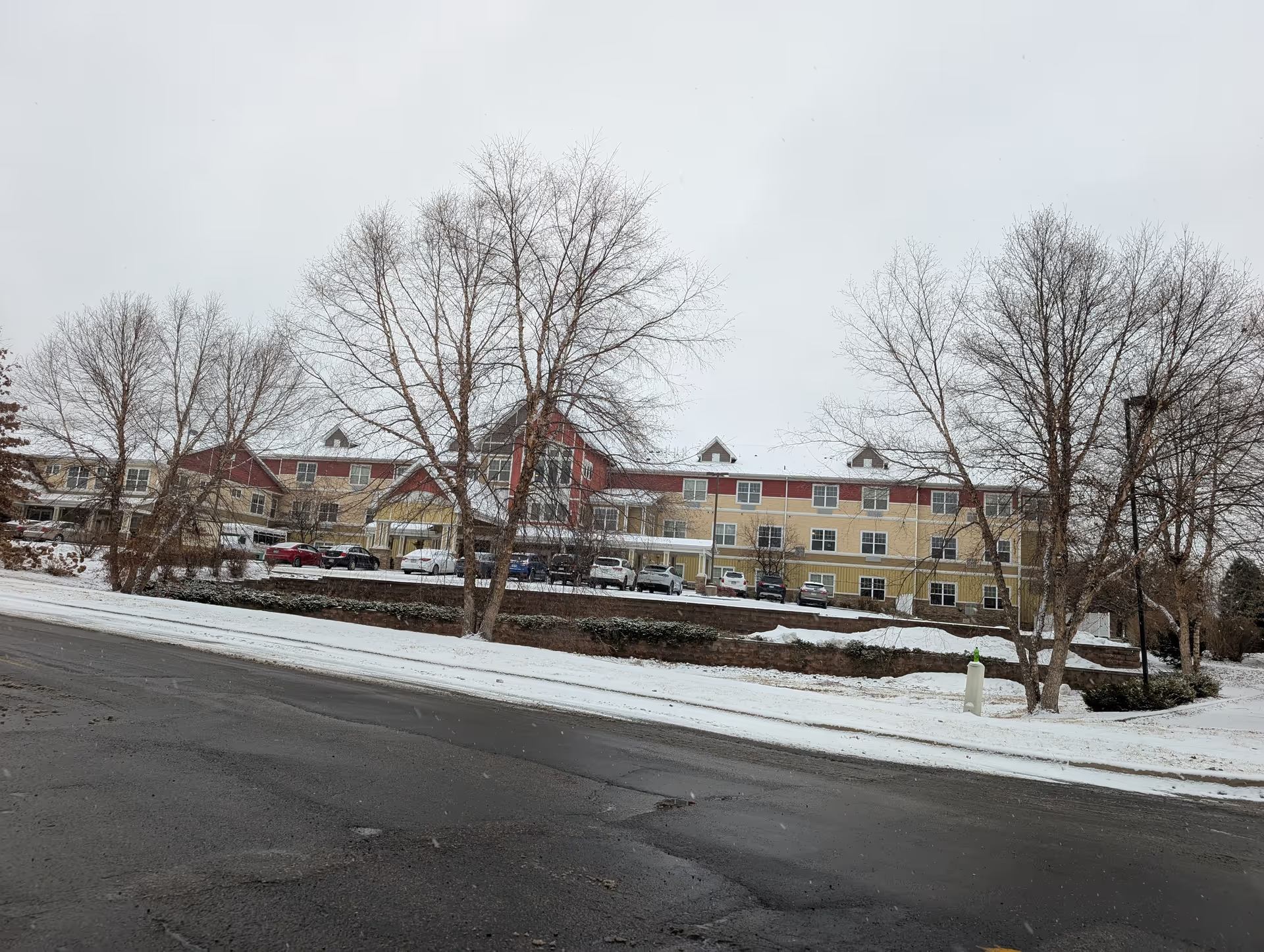
White Pine Advanced Assisted Living and Memory Care presents a mixed but clear pattern: many families describe a warm, home-like community with staff who are caring, patient, and skilled in dementia care, while other accounts point to operational weaknesses that affect care consistency. Strengths commonly mentioned include a small, family-like atmosphere, engaged and team-oriented caregivers, structured activity programming (including occupational therapy and therapy-dog visits), on-site clinical visits, and pleasant indoor/outdoor amenities such as patios, garden areas, and an onsite salon. Dining is frequently characterized as tasty and balanced, and staff are often praised for providing emotional and end-of-life support.
Care quality and staff: The facility is frequently lauded for compassionate frontline caregivers, nurse involvement, and staff who create a reassuring environment for residents and families. At the same time, reviews indicate unevenness in staffing — including high turnover and occasional staffing shortfalls — which appears to drive variability in day-to-day care. Several reviewers noted gaps in dementia-specific training and inconsistent caregiver competence; this contributes to variability in resident experience, particularly in the memory-care unit.
Dining and activities: Meal quality and menu balance are strengths for many residents, with some reviewers noting chef-prepared or special meals. However, operational issues such as meals arriving cold to certain units, limited beverage availability, occasional shortages of silverware and glassware, and variability in portion/service timing were also described. The activities program is generally viewed positively: activities are often purposeful, stimulating, and well-planned, with occupational-therapy involvement cited as a plus. Still, a subset of comments point to less-engaging programming or sparse resources in parts of the memory-care area.
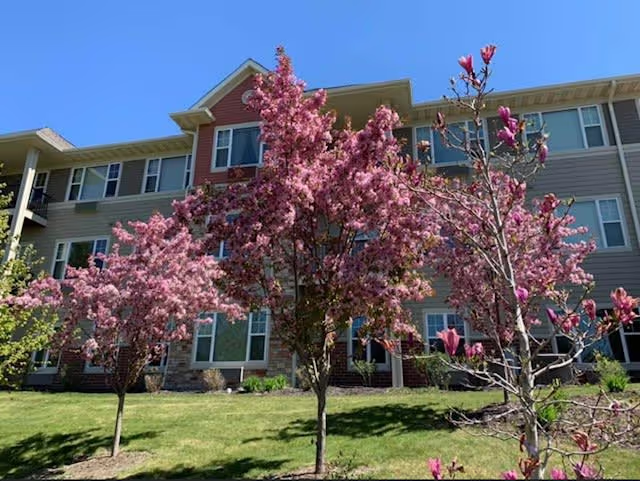
Facilities and housekeeping: The community's physical setting — including spacious rooms, homey décor, and outdoor spaces — is a clear asset. Many families describe a clean, pleasant environment. Conversely, other accounts raise sanitation and housekeeping inconsistencies (carpeting, bathrooms, laundry handling) and occasional odor or cleanliness concerns in specific areas. Prospective families should observe housekeeping routines and common-area condition during a visit.
Management and operations: Administration receives both praise for responsiveness and criticism for inconsistent communication and operational organization. Positive comments highlight quick issue resolution, helpful leadership, and strong family partnerships. Negative patterns include uneven communication about incidents, gaps in incident-response and transfer/fall protocols, disorganization during admissions or tours, and limited on-site clinical coverage overnight and on weekends. These operational weaknesses are often cited when families perceive a mismatch between price and the level of clinical support needed.
Notable patterns and guidance: Overall, experiences at White Pine range from strongly positive — long-term residents and families who describe highly attentive, dignified care — to sharply critical accounts tied to operational failures. Themes to probe during a tour include current staffing ratios and turnover, dementia-training protocols for aides, medication administration and consent procedures, weekend and overnight nursing coverage, meal-service logistics (timing and utensil/ beverage availability), housekeeping schedules, and the memory-care activity plan. Observing a meal service and asking for recent examples of incident handling and staff training can help prospective families assess whether the facility’s strengths align with an individual resident’s care needs.