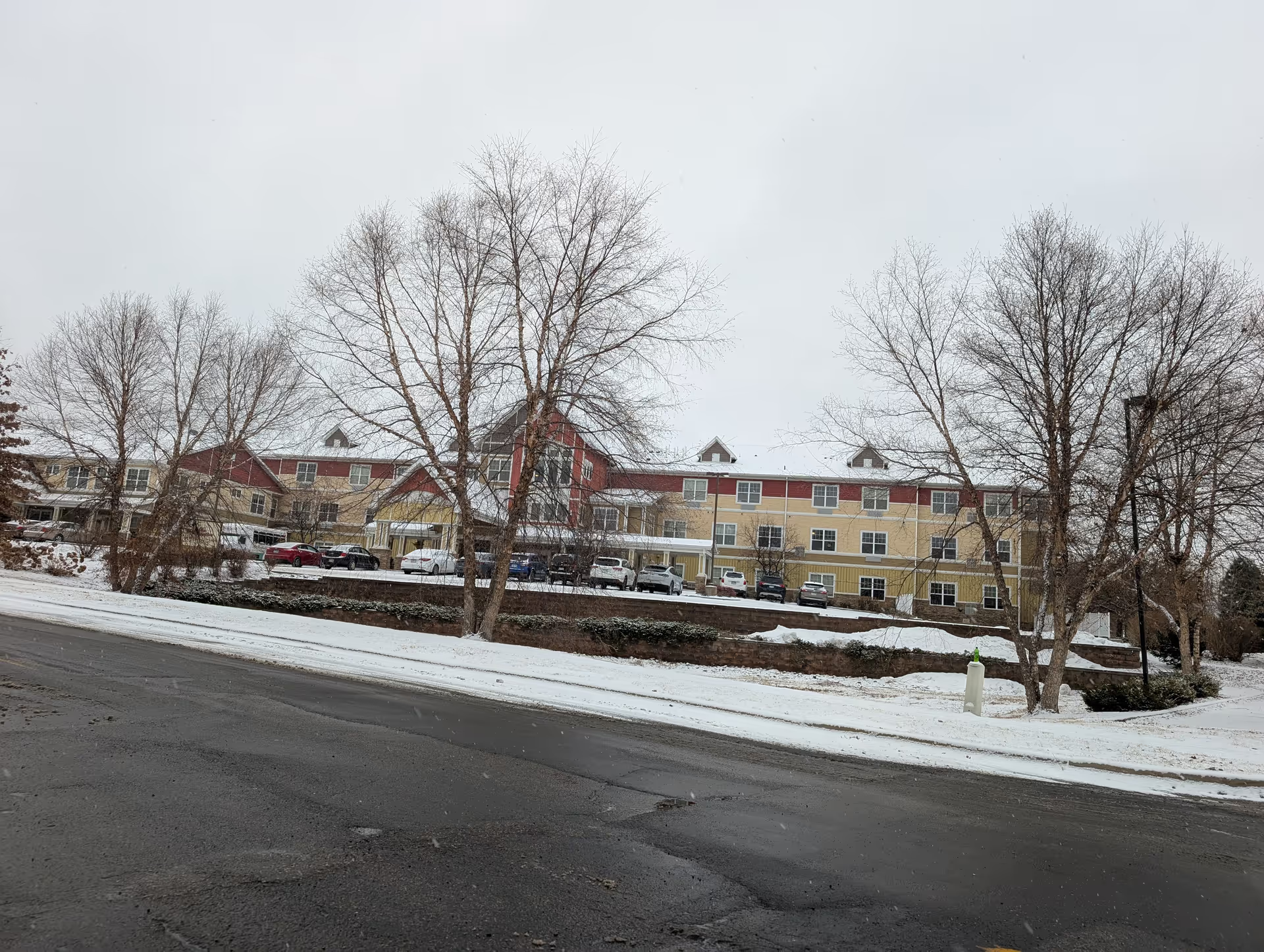
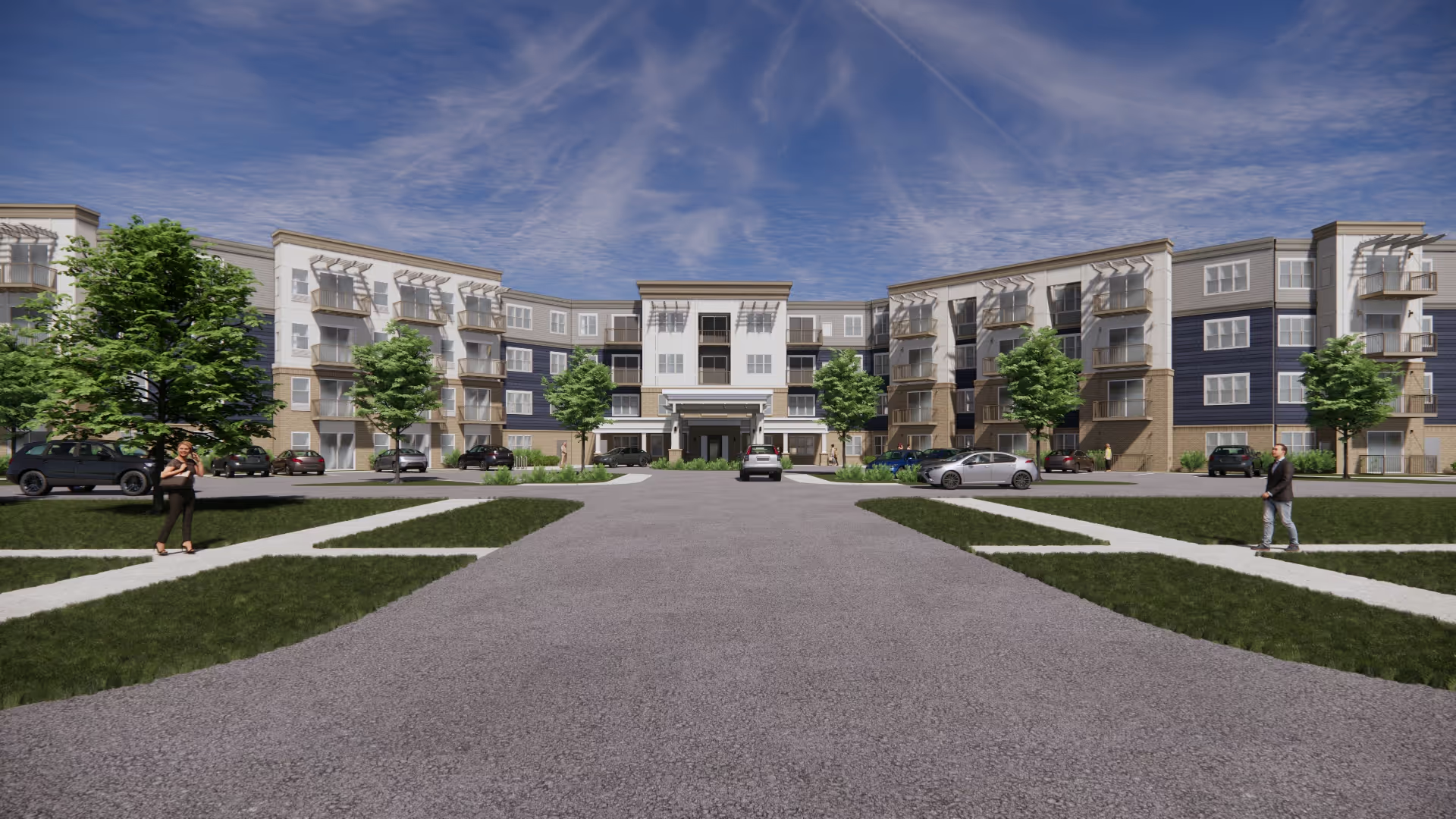
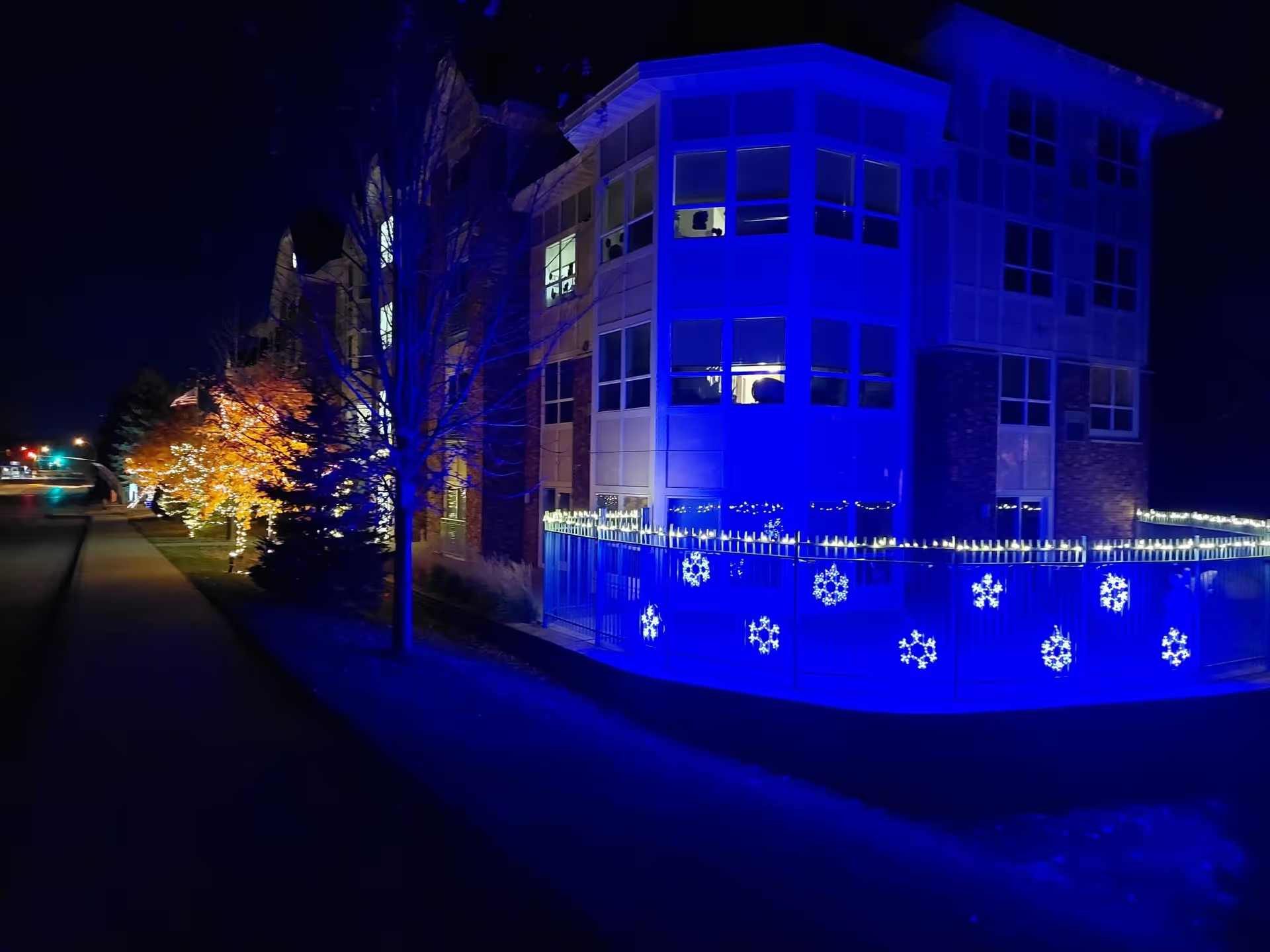
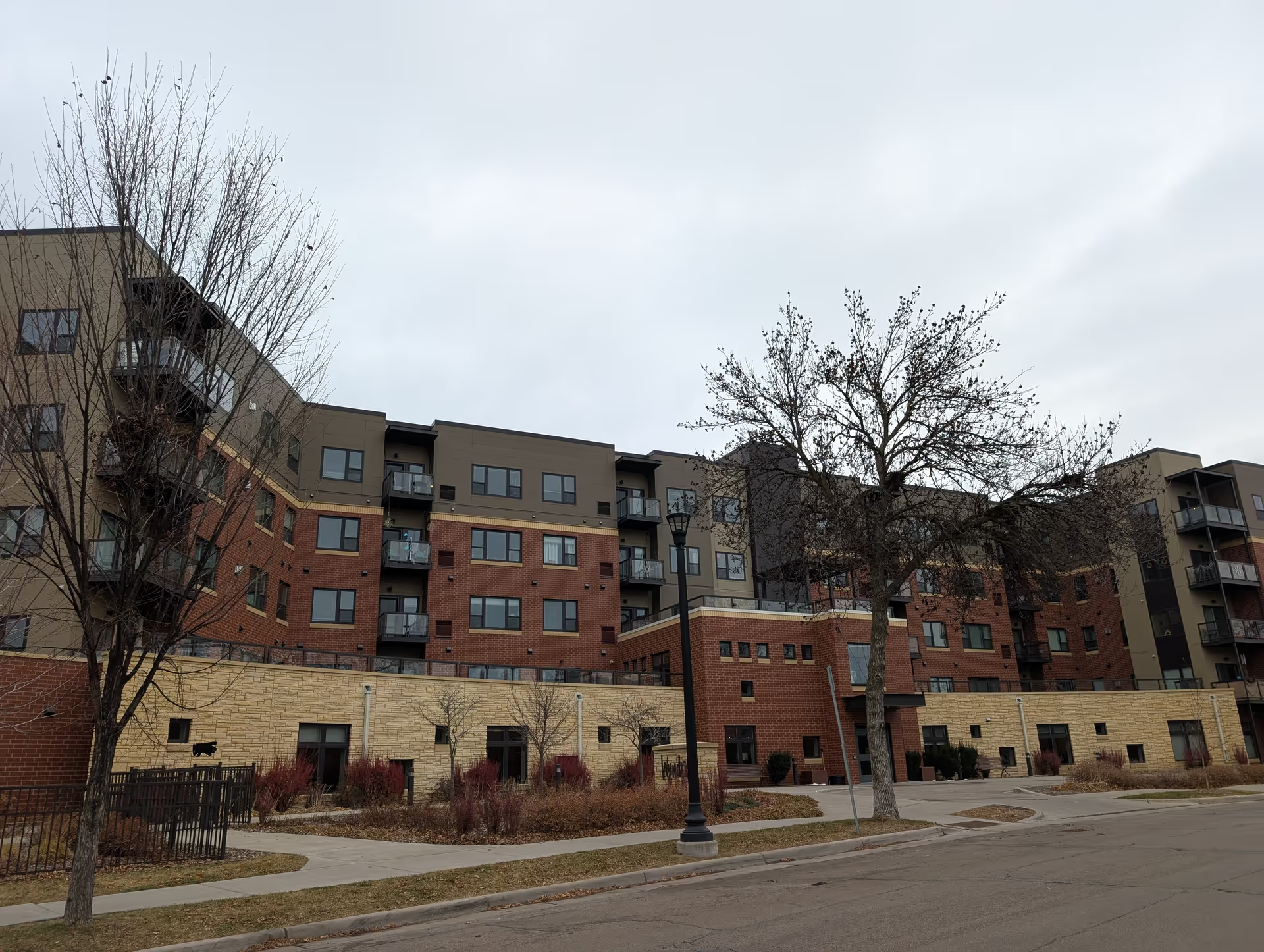
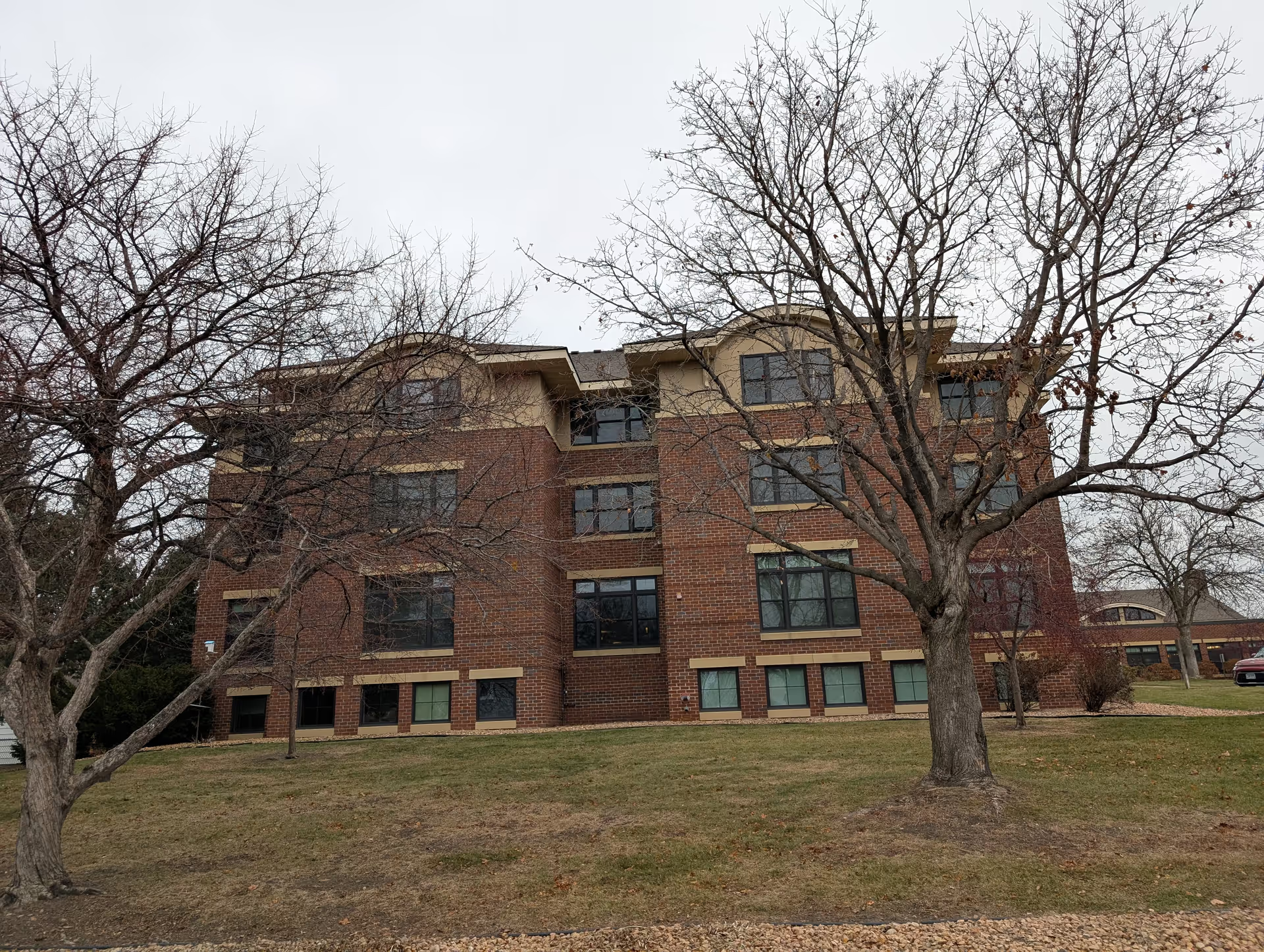
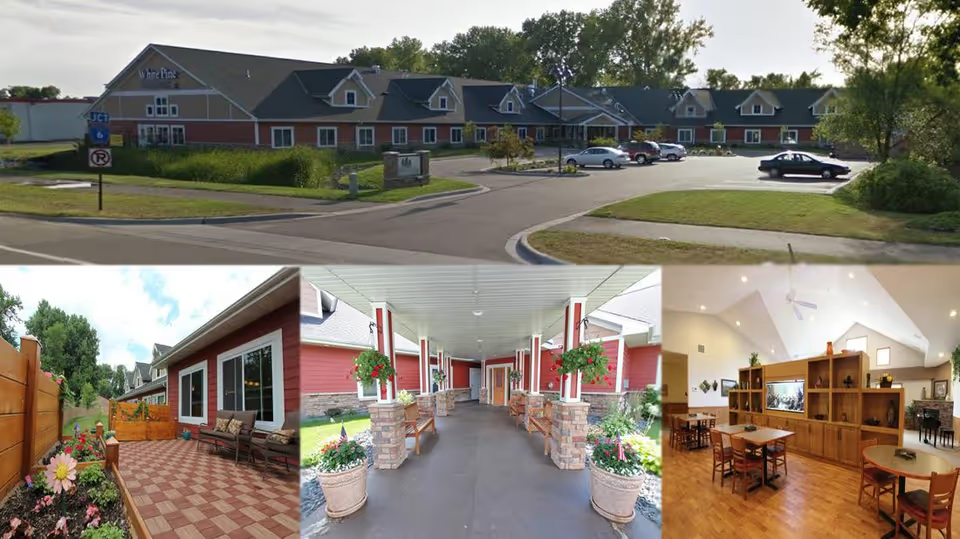
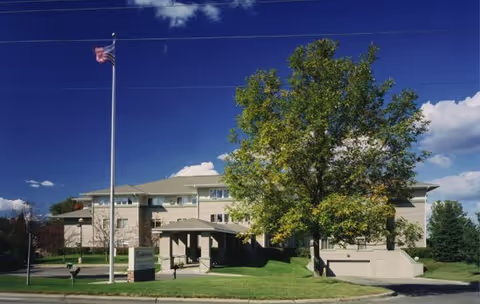
Overall impression: The facility is generally described as a clean, modern, and welcoming environment with attractive common areas and a contemporary design. Many families emphasize that the physical plant supports socialization and family visits — there are multiple gathering spaces and bright, open circulation areas that residents and visitors find inviting. The presence of in-room kitchenettes or fridges is noted as a practical benefit for families who supplement meals.
Care and staff: Care quality is consistently highlighted as a strength. Reviewers commonly praise compassionate, engaged caregivers and highlight stable staffing and a favorable staff-to-resident ratio. Several accounts reference low turnover, continuity of caregivers, and leadership that responds quickly to concerns; these factors are linked to family confidence that residents are treated with dignity. The facility also supports clinical needs such as safe transfers (Hoyer lift availability) and coordinates with hospice providers when appropriate, which families reported as helpful during end-of-life care.
Dining: Dining impressions are mixed. While some families call the food good and nutritionally adequate, others describe inconsistent meal presentation and frequent issues with temperature and appetizingness. The facility appears to meet basic nutritional requirements, but there are recurrent comments about meals arriving cold or not being appealing, which some families addressed by using the in-room kitchenette to supplement food.
Activities and community life: Social programming and resident engagement receive positive remarks. Reviewers note a variety of activities and a family-like atmosphere among residents and staff. The facility’s layout and common spaces seem to support participation and family visitation, which contributes to a warm, communal feel.
Operations and communication: Management and leadership earn praise for responsiveness in many accounts, but there is variability in operational consistency. Families report an uneven admission and move-in experience — some found the transition smooth and reassuring while others experienced challenges. Communication is another mixed area: many families describe solid, helpful communication from staff, whereas others report difficulty contacting staff during clinical events or delays in ancillary services (for example, nail care). These patterns suggest ongoing operational refinement is needed, possibly related to being a newer or growing facility.
Notable patterns and considerations: Prospective residents and families can reasonably expect a modern, well-kept facility with engaged caregivers and a focus on person-centered care, including hospice support and family accommodations. Areas to investigate during a tour or pre-admission visit include current dining practices (meal timing and temperature), specific communication protocols for clinical escalations and hospital transfers, and scheduling for non-clinical personal-care services. Asking about recent staffing stability, move-in coordination, and examples of how leadership resolves communication breakdowns will help clarify whether the facility’s operational consistency matches the positive experiences many families described.