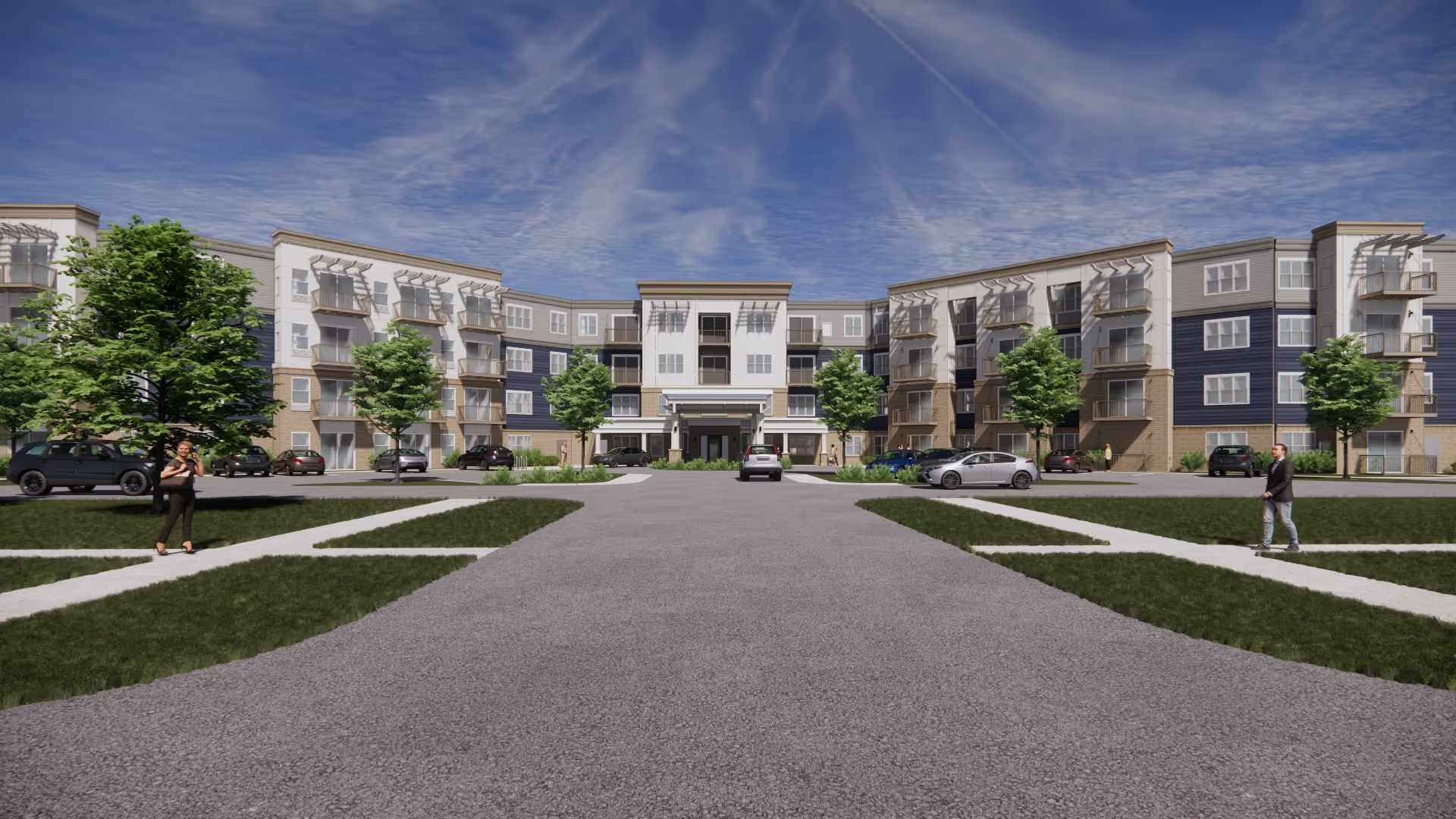
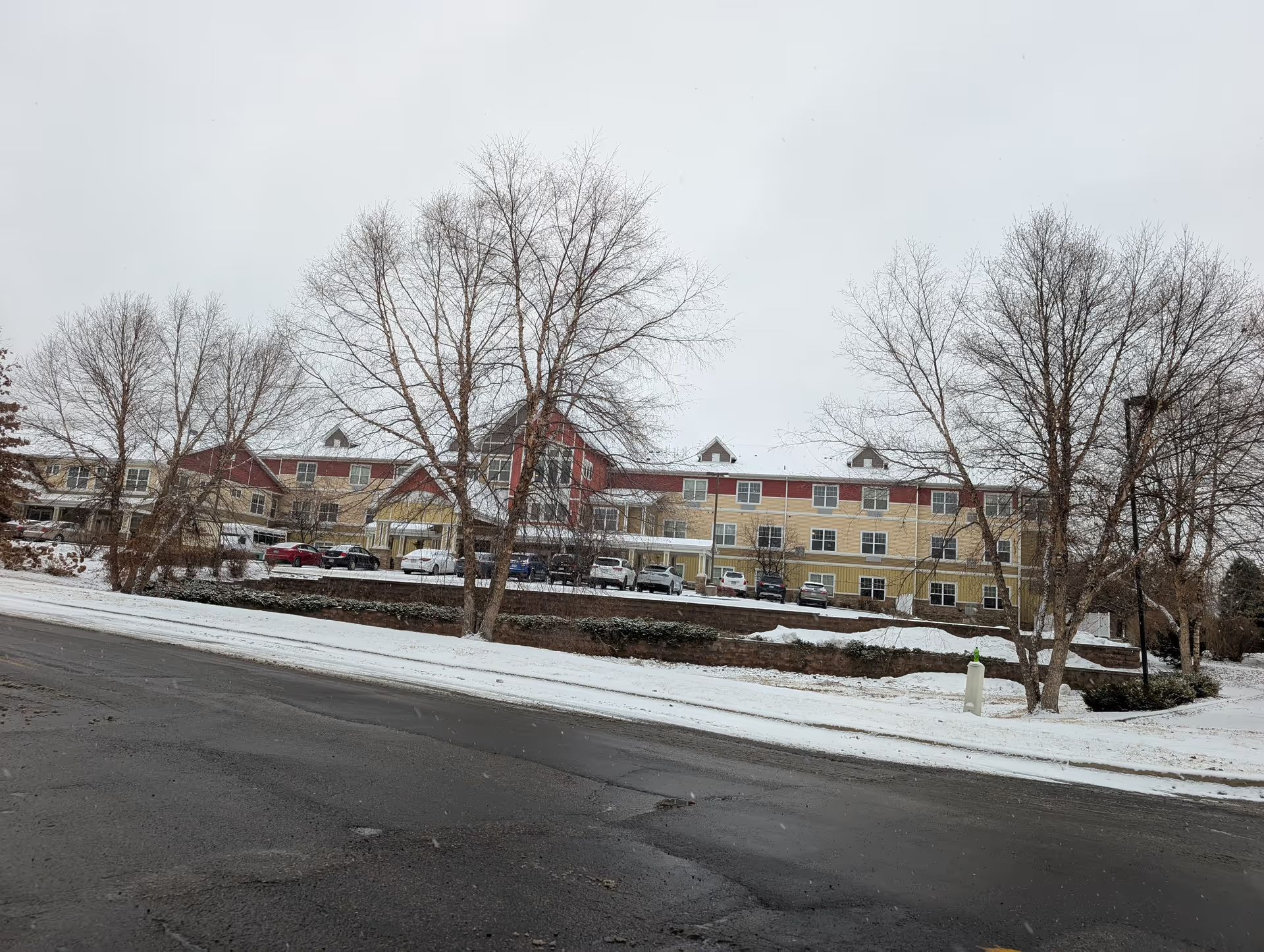
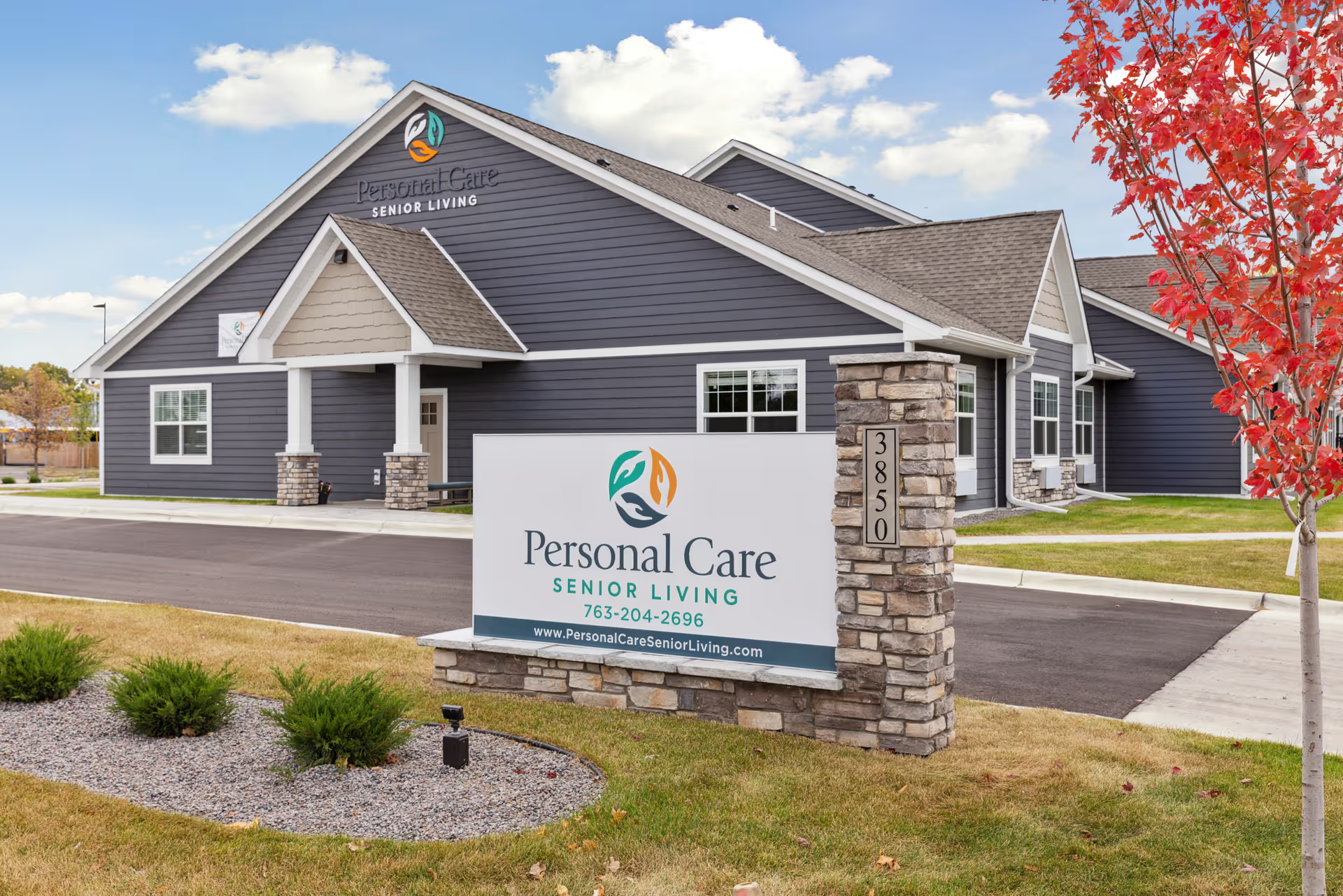
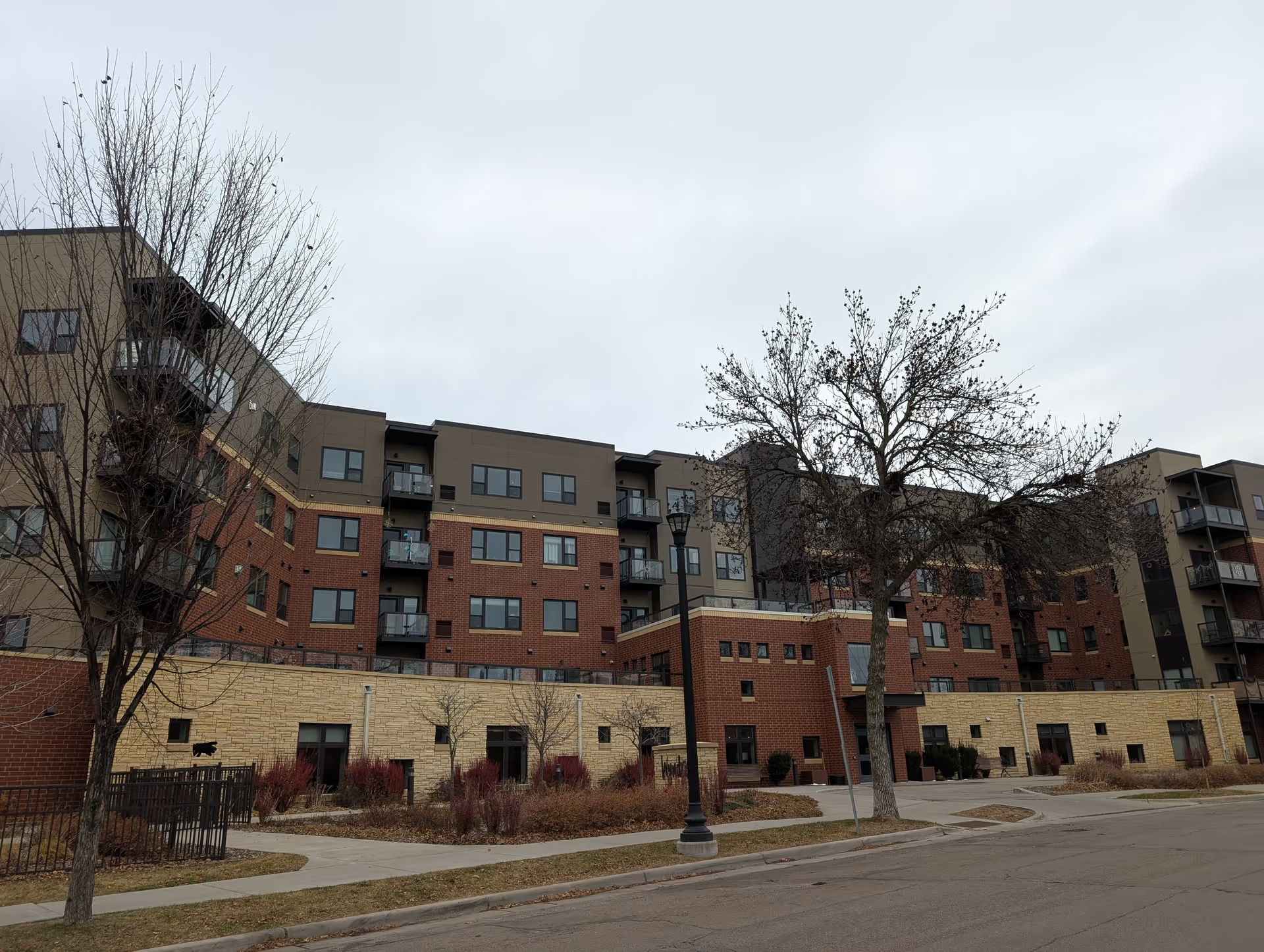
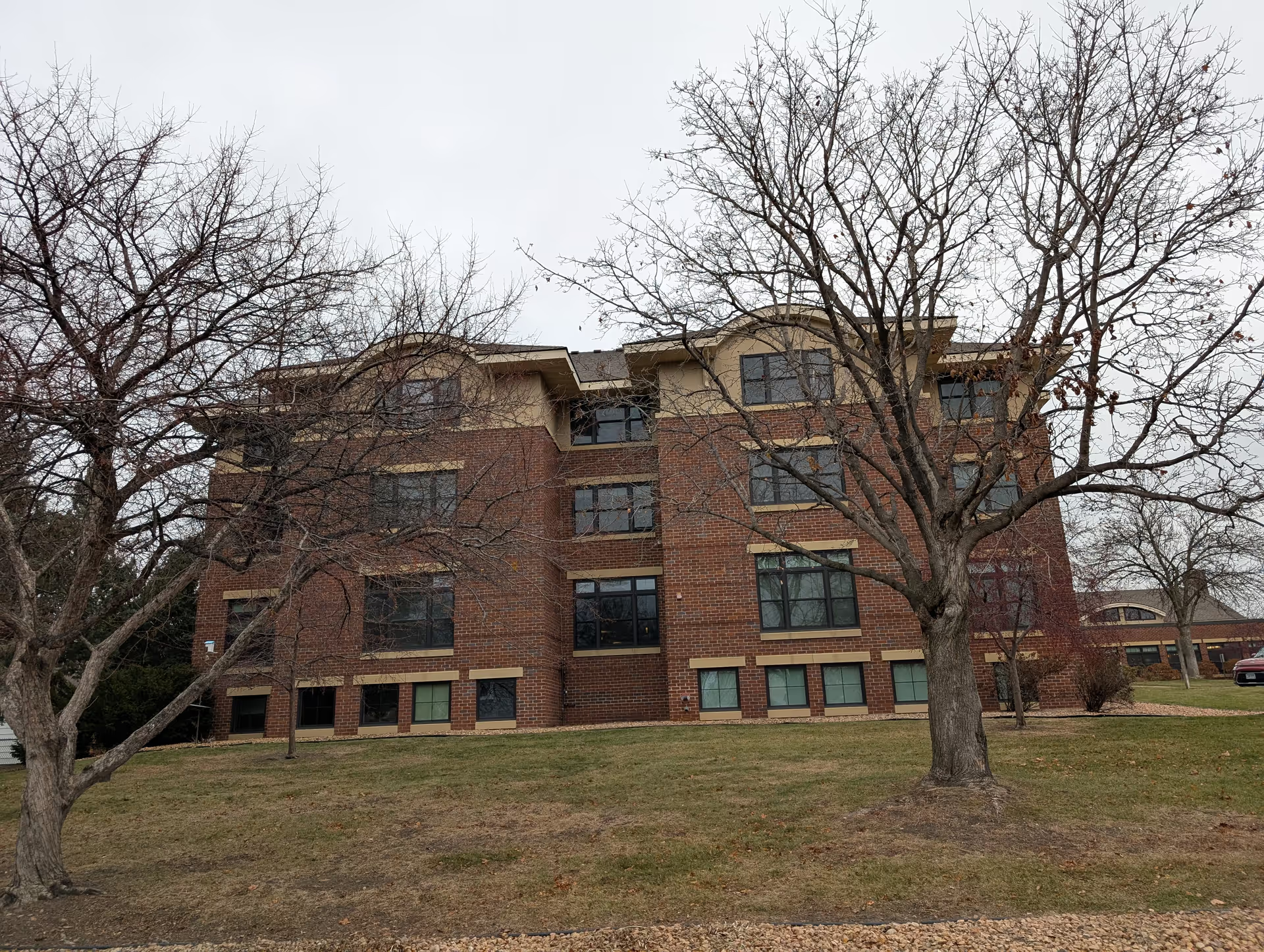
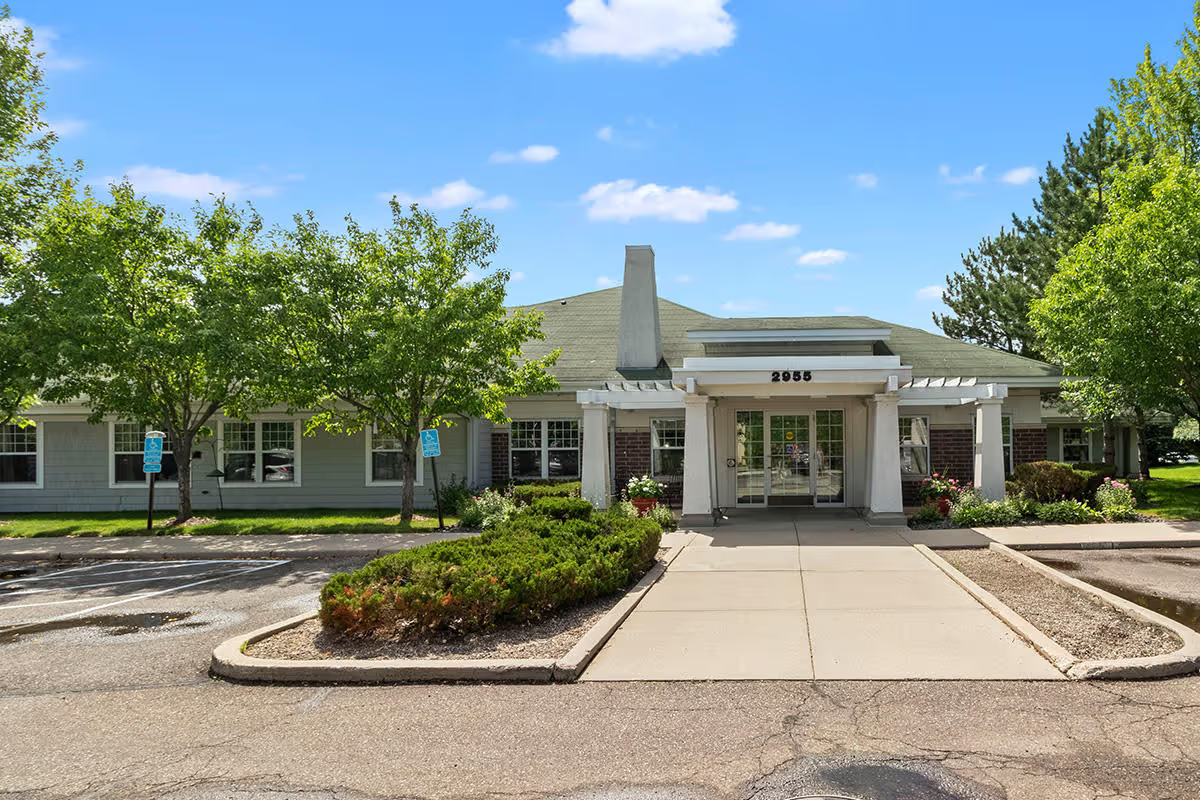
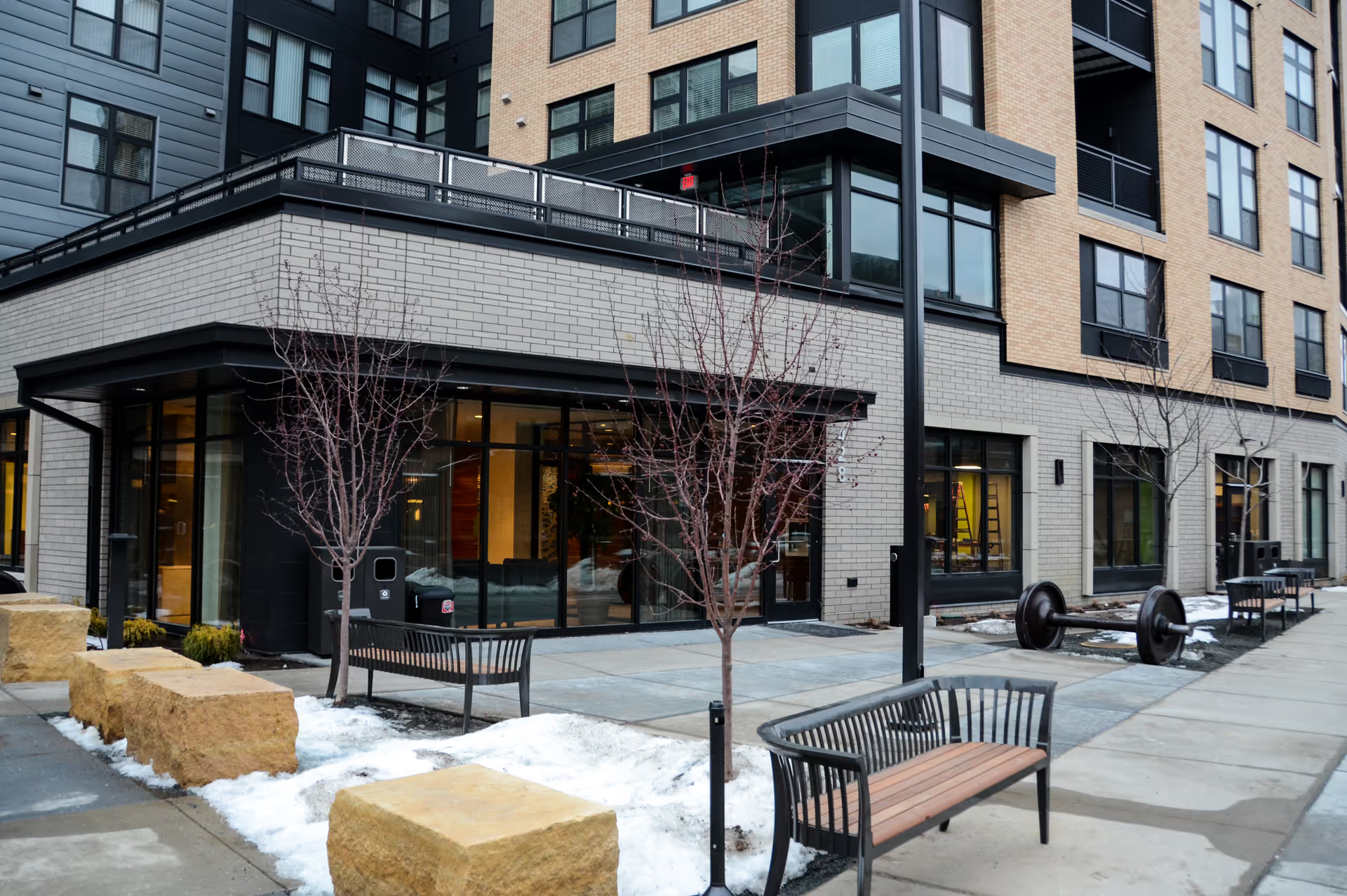
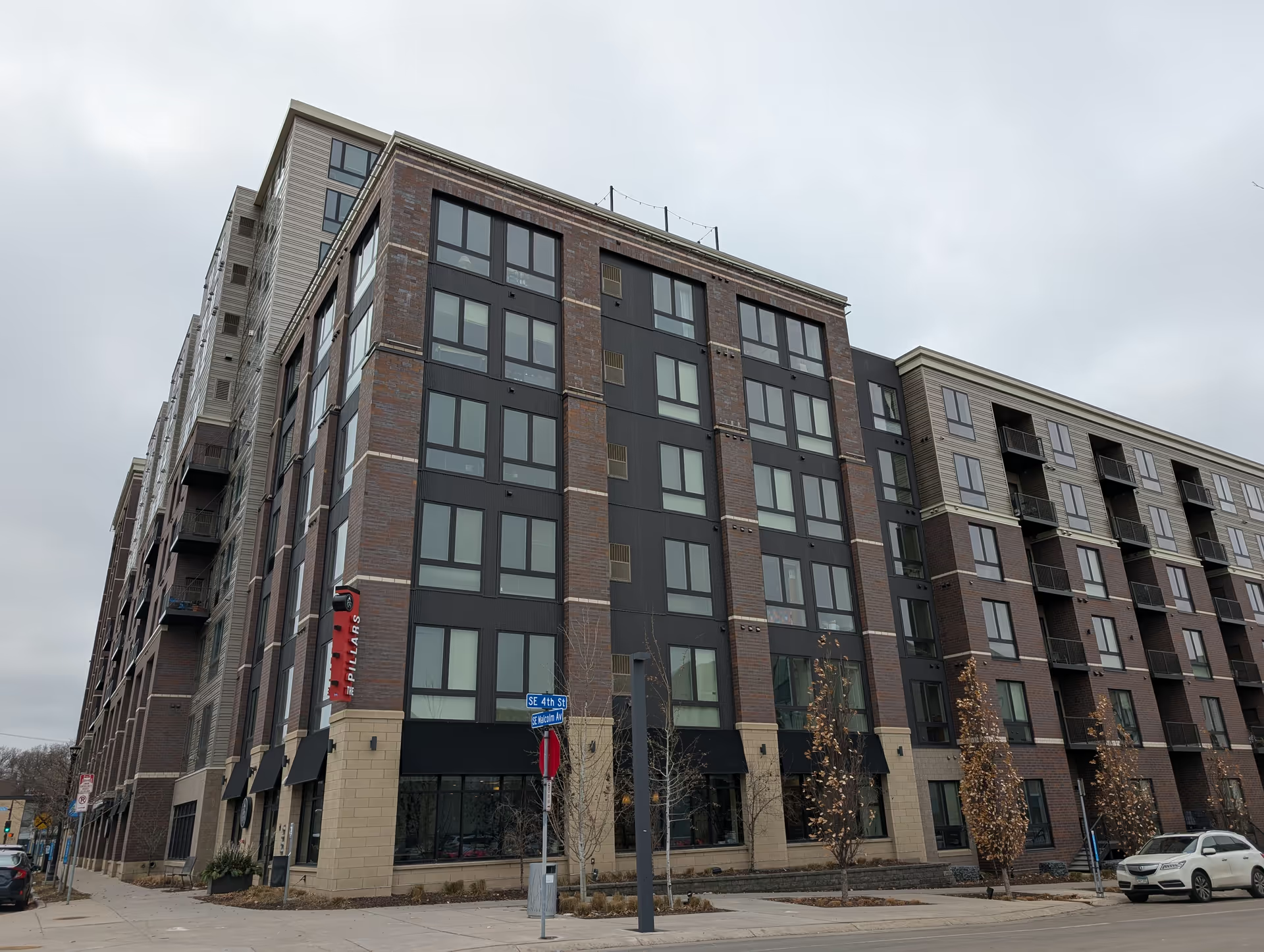
Overall impression: Reviewers present a broadly positive view of the physical environment, dining, and front-line staff culture at this community, while also identifying several operational and clinical concerns that prospective families should evaluate further. The facility is consistently described as new, bright, and well maintained, with inviting common areas, outdoor patios, gardens and a chapel. Apartment features often praised include full kitchens, in-unit laundry, natural light and comfortable common dining spaces. Food service receives frequent positive mention for quality, variety, and accommodations, including live music and socially distanced dining options.
Care quality and clinical services: Many families highlight compassionate caregivers and nursing staff who know residents by name, with examples of staff coordinating transfers, arranging short-term furnished respite, and responding effectively in some urgent situations. At the same time, reviews identify patterns of clinical instability: elevated nurse turnover, reliance on temporary aides or outside providers, and training gaps—particularly in memory-care and specific personal-care protocols such as catheter handling. Several reviewers described delays in response times and concerns about transfer-safety and follow-up after clinical incidents. Prospective families should verify current nurse staffing levels, training standards for agency staff, and how the facility handles higher-acuity needs and end-of-life care.
Staff and culture: A recurring strength is the staff–resident relationship: many accounts describe staff who are personable, attentive, and engaged in residents’ daily lives and interests. Activities staff receive positive mentions for music programming, outings and a variety of social offerings; staff often facilitate individualized engagement. However, staffing shortages and interim management transitions have been associated with variability in the depth and consistency of those programs, and some residents in need of more structured memory-care engagement found activity availability limited.
Dining and activities: Dining is a clear selling point—reviewers cite restaurant-style meals, meal substitutions, and a pleasant dining atmosphere with live entertainment. The activities calendar includes music, games, field trips, puzzles, and seasonal events; transportation for outings is generally available. Families should confirm the activity mix that will be offered to a prospective resident, especially if specific cognitive or physical-support programming is required.
Facilities and amenities: The community’s newer construction and design is frequently praised: bright apartments, modern finishes, and well-kept public spaces. Some reviewers note that certain unit footprints are smaller than expected for the price point, and that some services are offered a la carte rather than bundled. Outdoor amenities, raised garden beds and accessible patios are positive features for those who value outdoor engagement.
Management, fees and communication: Several reviews point to management and ownership transitions that affected continuity of care and administrative clarity. Common operational concerns include unclear or a la carte pricing structures, move-in/move-out deposit practices, and instances of inconsistent communication between management, families and external providers such as hospice. These are recurring themes that can affect family experience even when front-line staff are strong; prospective residents should request up-to-date written fee schedules, staffing rosters, and policies on clinical escalation and hospice coordination.
Bottom line and recommendations: The community demonstrates strong strengths in hospitality, dining, social programming and many elements of day-to-day caregiving. At the same time, signs of inconsistent clinical staffing, training gaps for temporary aides, and administrative turnover present risks for residents with higher or changing medical needs. Families considering this community would benefit from focused due diligence: confirm current clinical staffing ratios and turnover, request examples of memory-care programming and staff training protocols, obtain a clear, written summary of included versus a la carte services and fees, and ask how the facility coordinates with hospice and outside clinical providers. Those needs are balanced against a warm staff culture and high marks for food, common spaces and overall presentation.