The reviews for New Perspective Senior Living - Columbia Heights show a clear pattern of polarized experience: the community demonstrates many strengths valued by residents and families, while also exhibiting recurring operational weaknesses that warrant careful inquiry during a tour or placement decision.
Care and staff: Many reviews describe compassionate, respectful, and familiar caregiving staff who know residents by name and create a home-like atmosphere. Families frequently praise one-on-one engagement, warm onboarding, and team-based support. That said, recurring themes indicate variable clinical consistency: staff turnover, periods of short staffing, and uneven nursing or physician oversight have produced lapses in care continuity for some residents. Medication-management issues (timing errors and misplaced doses) and gaps in clinical information transfer between shifts are cited as significant operational risks that can affect care quality.
Dining and activities: Dining and programming are generally strong selling points. The community offers balanced, home-style meals, social dining, and a wide range of activities (exercise, games, outings, special events, and leisure amenities like shuffleboard and large-screen programming). Several accounts note particularly positive meal experiences and active schedules that support social engagement. There are, however, examples of inconsistent meal quality tied to staffing or chef transitions and some menu limitations (notably limited breakfast options) that families should review.
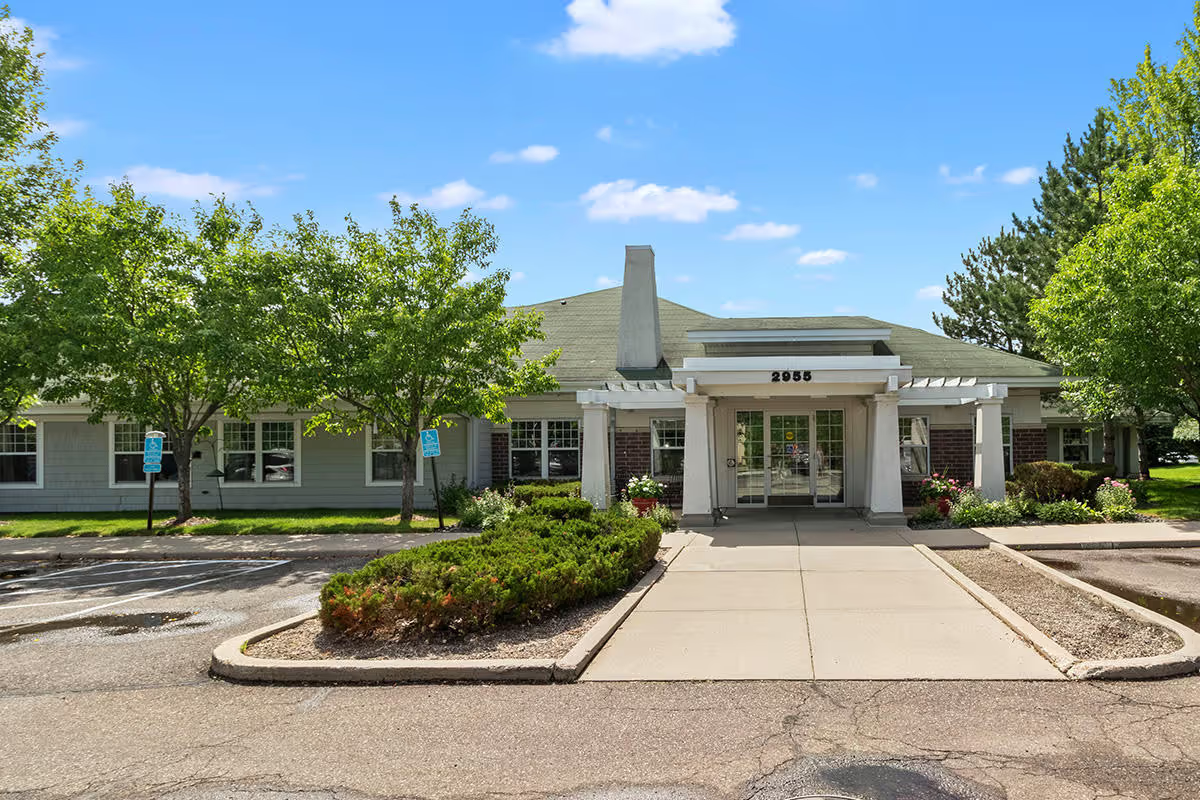
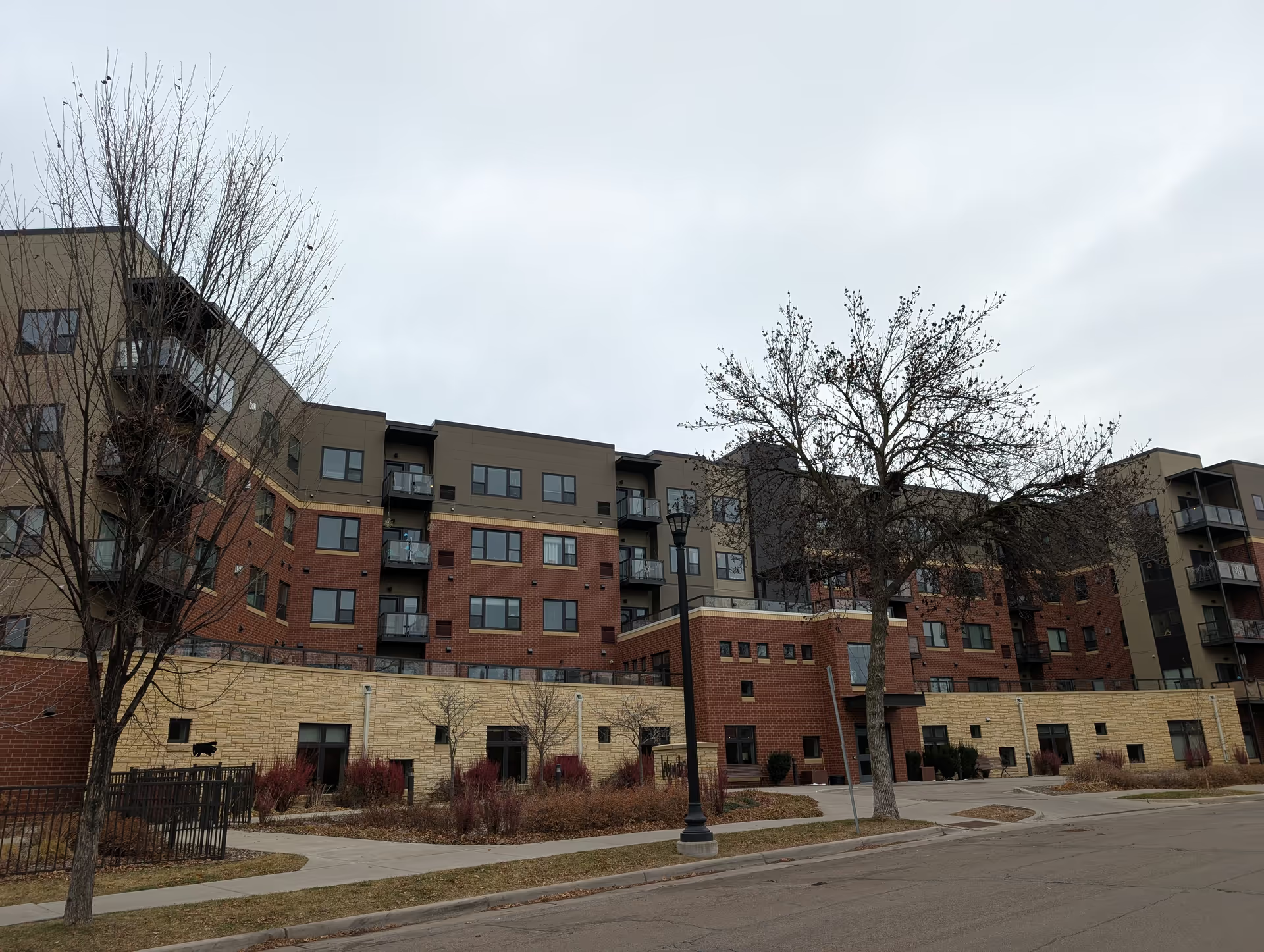
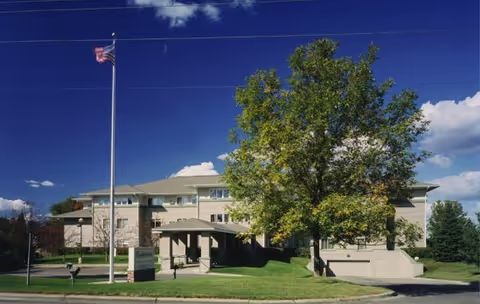
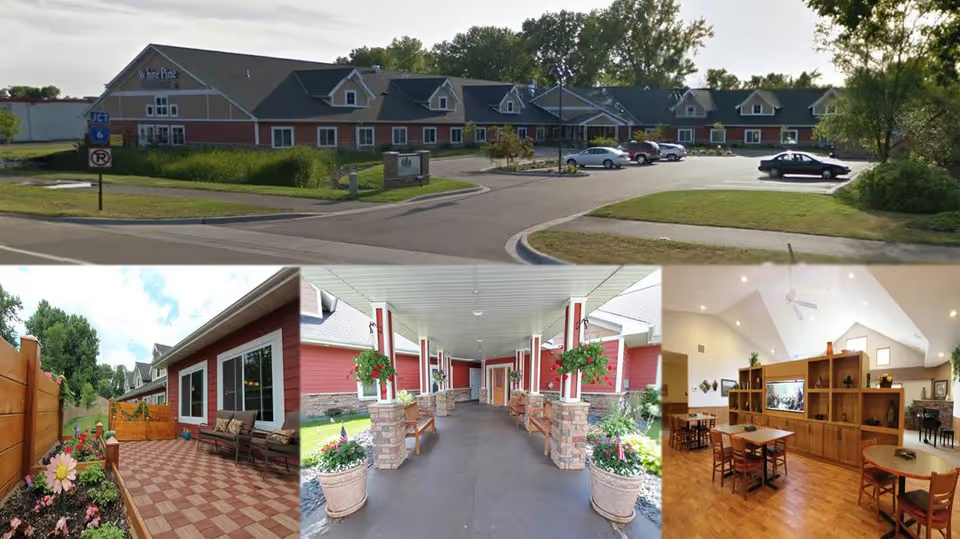
Facilities and services: The physical environment receives consistent praise: bright, well-decorated common areas, screened porches, courtyards, and multiple outdoor spaces. On-site services such as therapy, primary-care coordination, salon, laundry, and housekeeping add convenience. At the same time, sanitation and facility management show variability: some resident rooms have cleanliness issues, and reviewers reference pest-control concerns and infection-control events. Memory care is integrated into the campus with separate dining and programming, but some families describe restricted outdoor access or limited memory-care capacity and recommend confirming how that unit supports safe outdoor engagement.
Management and notable patterns: Management responsiveness is mixed. Many families report respectful, proactive leadership and quick responses to concerns; others report periods of instability, leadership changes, regulatory findings, and perceived attempts at rebranding. These dynamics appear correlated with variability in staffing, clinical oversight, and housekeeping performance. Because the facility has both strongly positive and strongly negative accounts, verification of current conditions is important.
Practical guidance: Prospective families should confirm current staffing ratios and turnover trends, ask for details on medication-administration protocols and incident follow-up, request recent inspection or regulatory reports, and review infection-control and pest-control policies. Inspect resident rooms as well as common areas, tour memory-care outdoor access, and inquire about chef continuity and sample menus. Many reviewers highlight the value of the community’s activities, on-site therapies, and compassionate staff when those operational controls are functioning reliably; ensuring those controls are in place and sustained will be essential to a consistently positive experience.