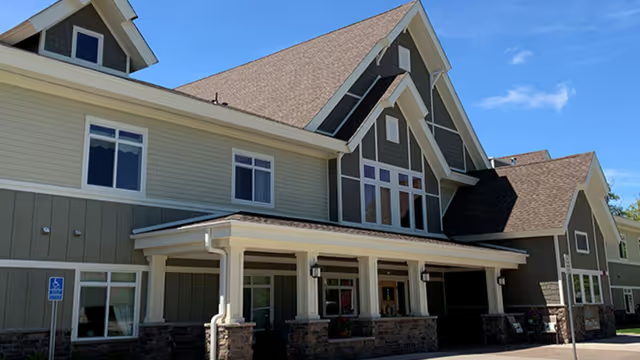
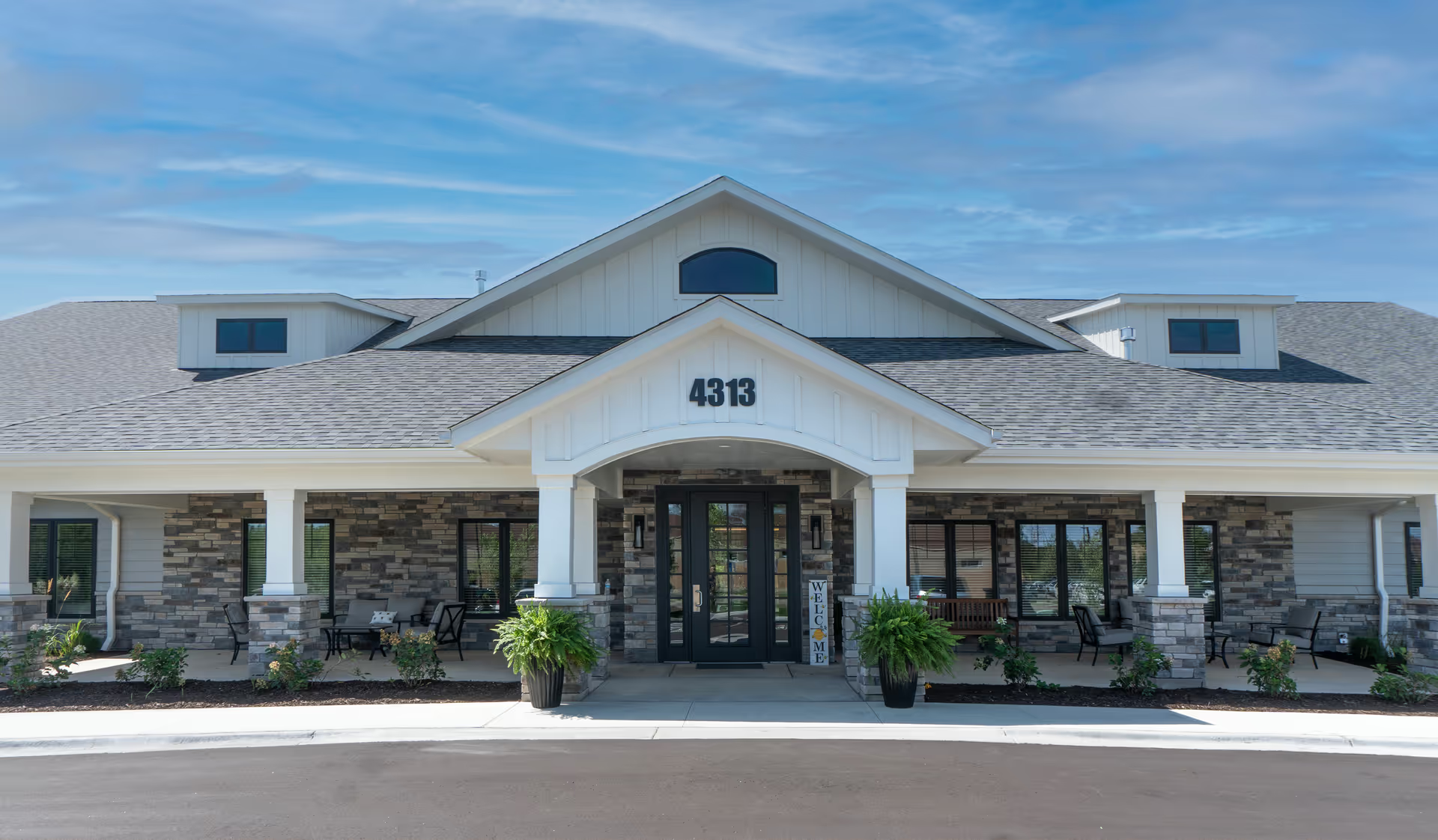
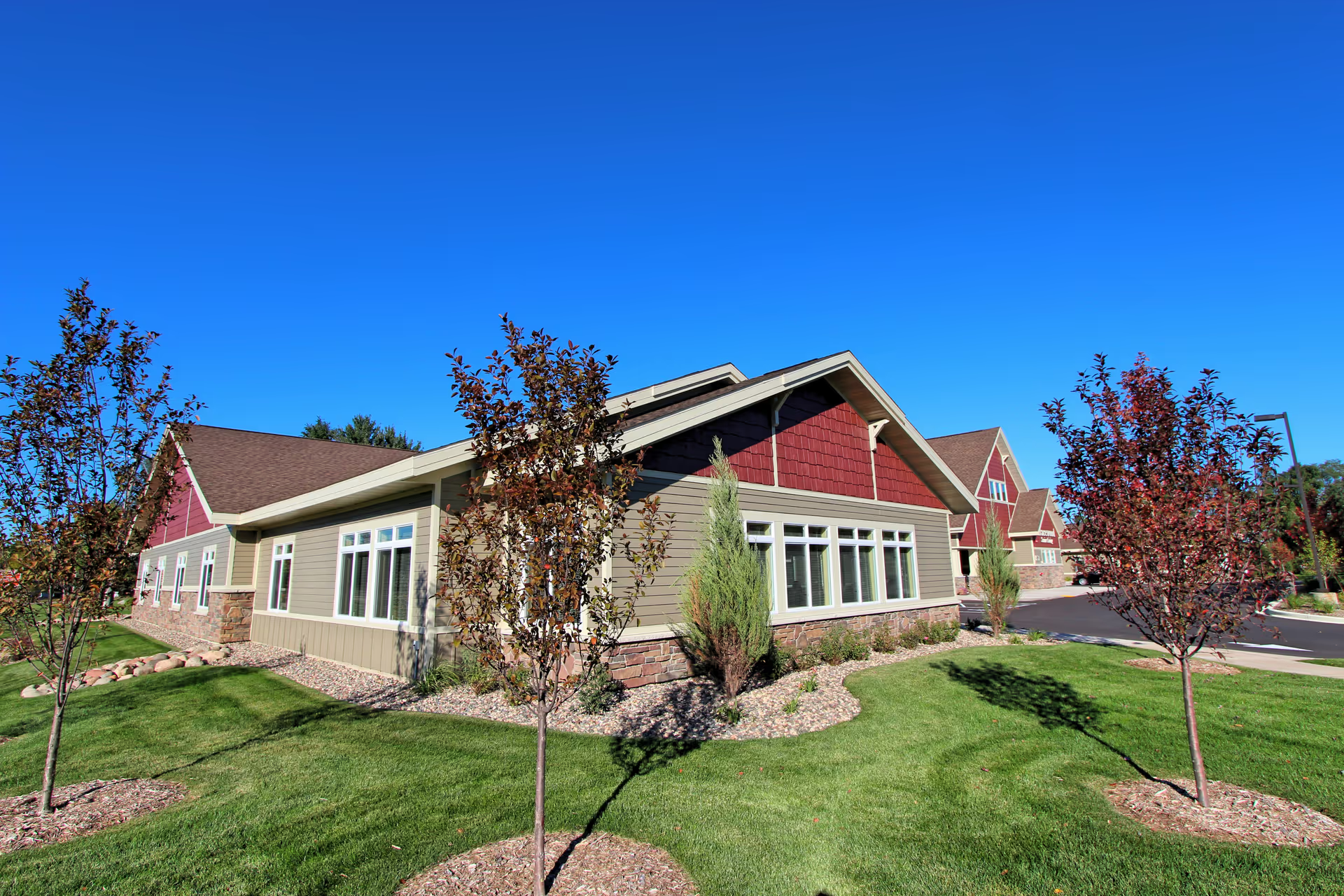
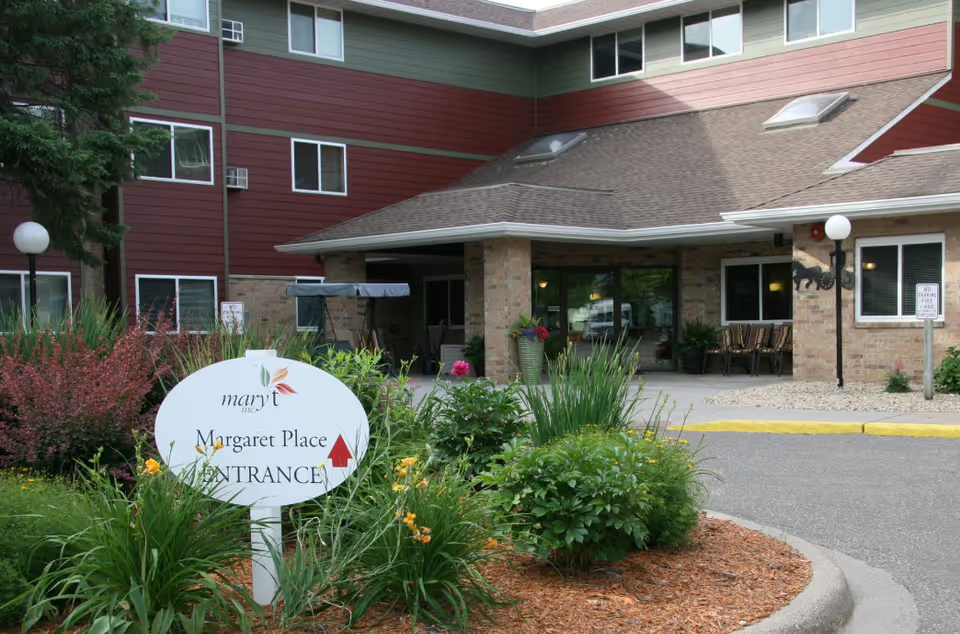
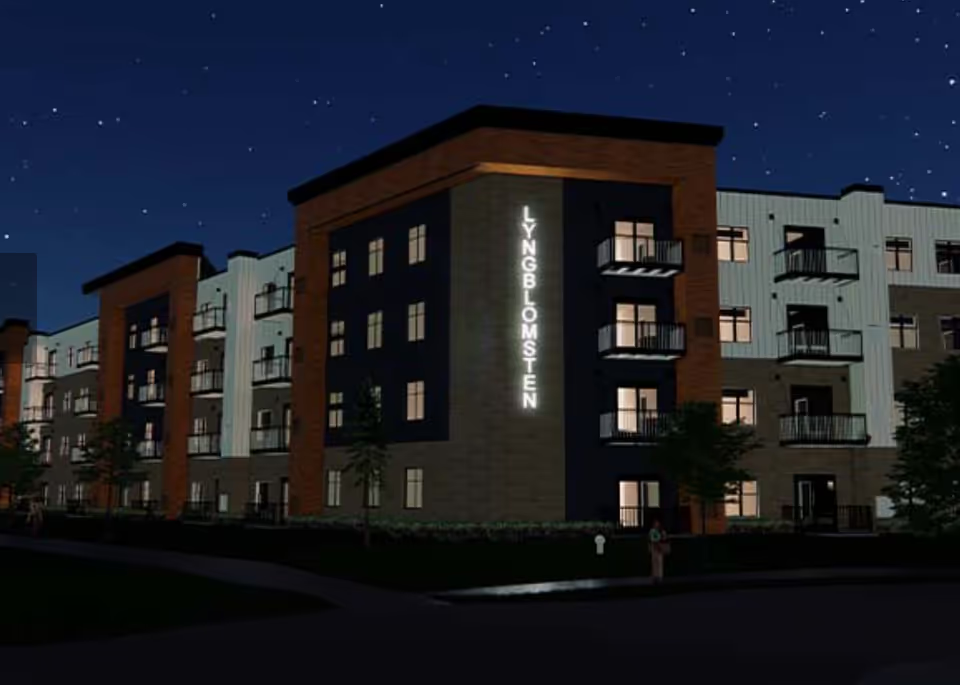
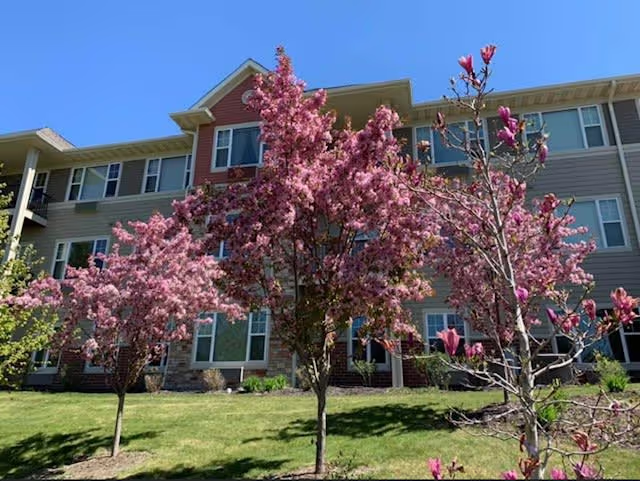
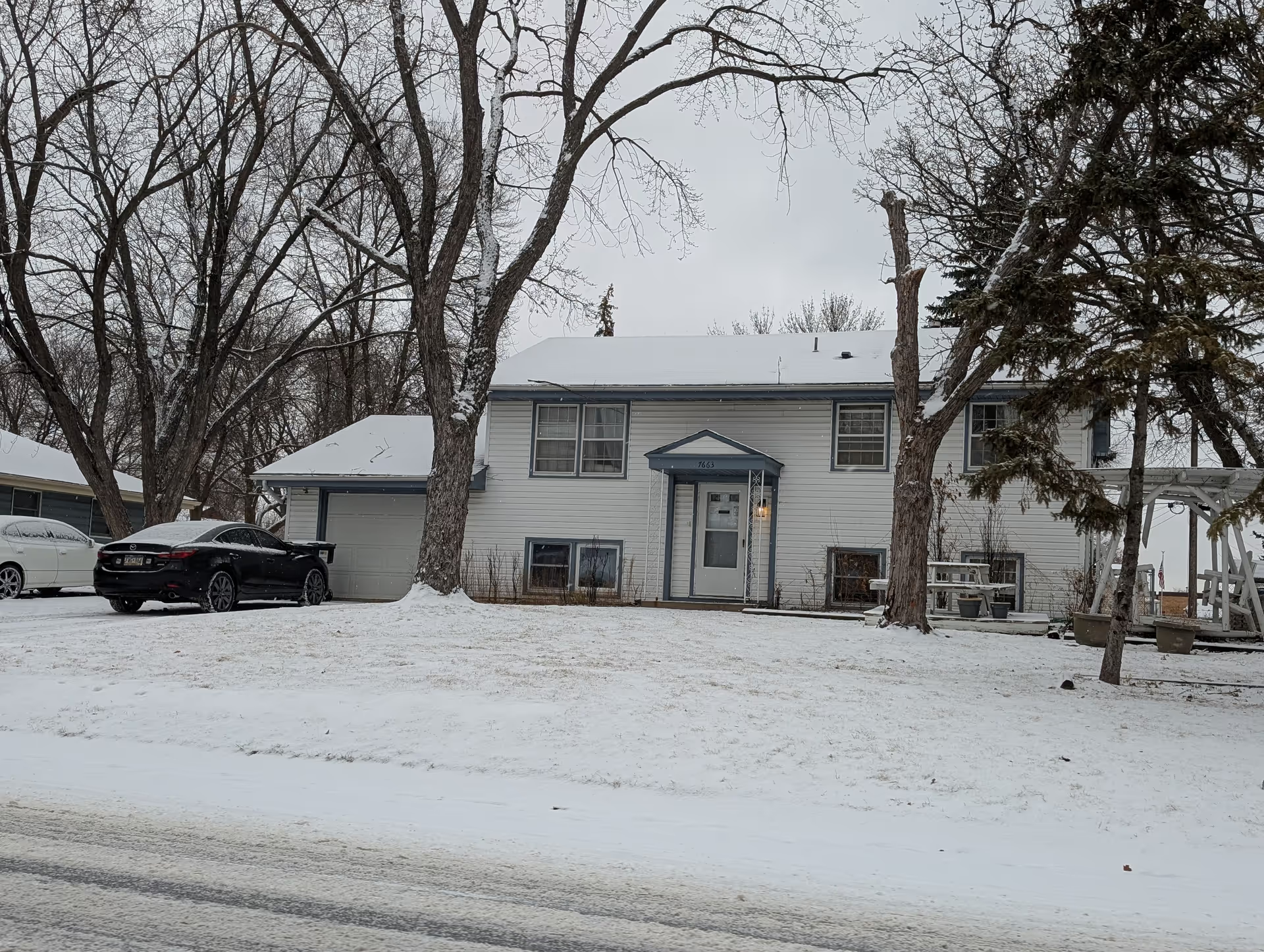
White Pine Advanced Assisted Living – Blaine presents a mixed but distinct pattern: a large number of families describe a warm, home-like community with engaging activities, attentive social programming, and caregivers who form strong personal connections with residents. The activities program is a consistent strength, and families frequently single out the activities director and dining staff for positive attention. The physical environment—clean common areas, attractive finishes, private apartment options with in-unit laundry, and convenient outdoor space—receives regular praise. On-site clinical resources, including visiting therapists, physicians, and hospice support, are present and appreciated by many residents and families.
Care quality and staffing show notable variability. Many comments highlight attentive nursing, regular checks, rapid responses to falls, and compassionate end-of-life care. At the same time, a pattern of inconsistent staffing and high turnover is evident; this is associated with delayed responses to call lights, uneven overnight coverage, and uneven adherence to care plans. Operational weaknesses identified include gaps in staff training and clinical oversight, inconsistent medication-administration practices and documentation, and occasional lapses in safety-check routines. Memory-care services are described positively by some families but as inconsistent by others; dementia-specific approaches and staff competence in memory care appear to vary across shifts and over time.
Dining and activities are generally seen as strengths—social meals, varied programming, live music, and special events enhance resident quality of life. Several families praise the kitchen staff for accommodating preferences and preparing enjoyable meals. Conversely, there are recurring comments about food-temperature issues and occasional blandness or inconsistency in meal quality; these concerns tend to correlate with reports of dining-room staffing lapses and inattention.
Facility upkeep and housekeeping are also described unevenly. Many reviewers note a well-kept, attractive building with prompt maintenance responses, while others report sanitation concerns, incontinence-care shortcomings, and problems with linen changes and laundry returns. Claims of missing personal items and failures in laundry/property handling appear frequently enough to be a notable operational risk. Maintenance requests are sometimes addressed only after repeated prompting, indicating inconsistent follow-through on repairs.
Management and communication practices elicit polarized reactions. Some families commend proactive, helpful administrators who facilitate moves and resolve issues; others describe slow or unsatisfactory complaint resolution, poor follow-up on satisfaction guarantees, and instances where management tone was perceived as business-focused rather than family-focused. At least one account includes an allegation of an eviction action taken while a resident was hospitalized, which prospective families will likely want to investigate further during their review process.
Given the breadth of experiences, prospective residents and families should perform targeted due diligence. Recommended questions and checks include: current staffing ratios by shift (especially nights), turnover rates, staff training and dementia-care protocols, medication-management and documentation procedures, laundry and personal-property handling policies, maintenance-response timelines, and the facility’s formal complaint-resolution process and satisfaction-guarantee terms. In-person observation of mealtimes and an activity period, as well as conversations with the activities and nursing leadership, can help clarify whether the facility’s strengths align with an individual’s care needs. Overall, White Pine demonstrates strong community and programming assets but also exhibits operational inconsistencies that warrant careful, specific inquiry before placement.