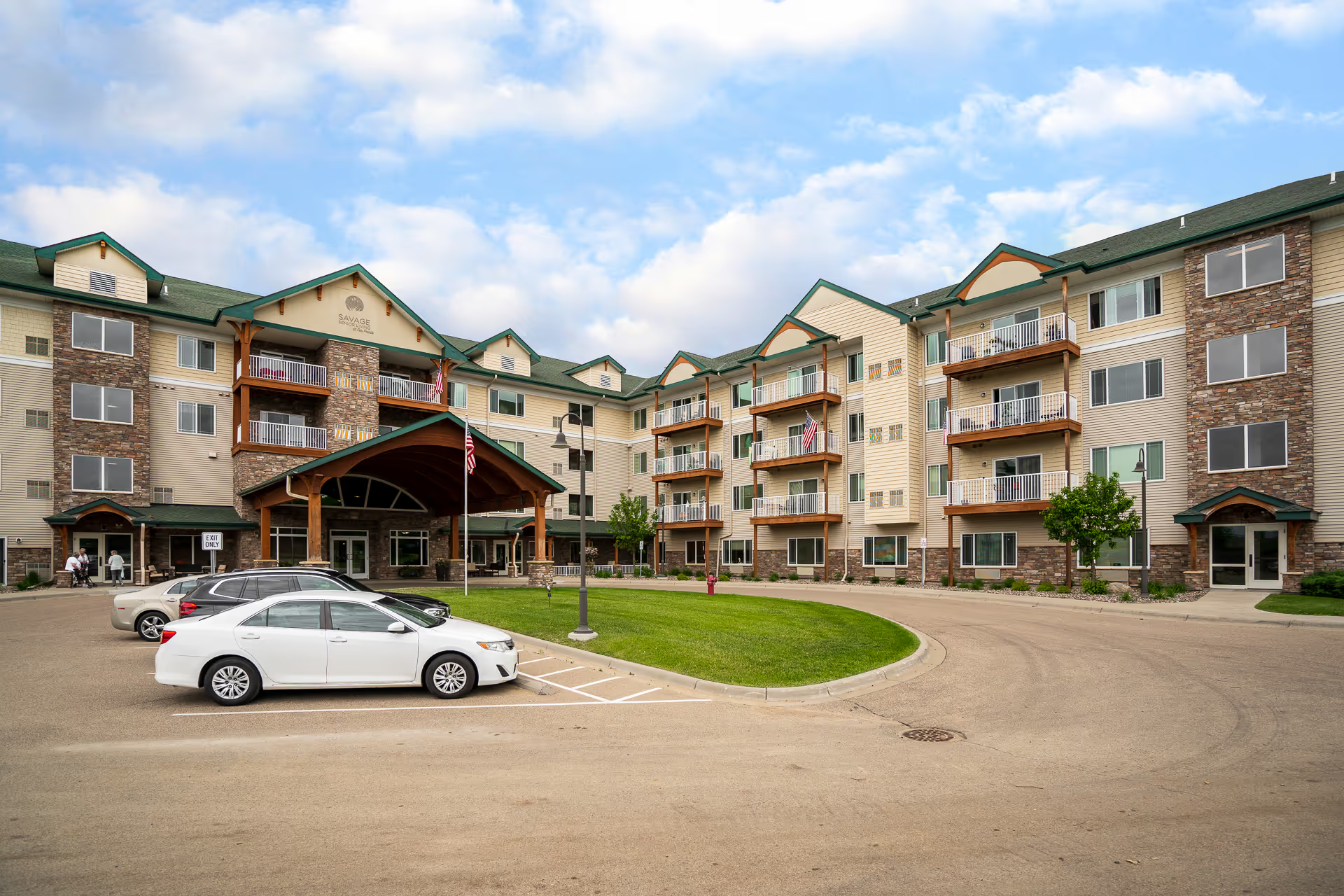
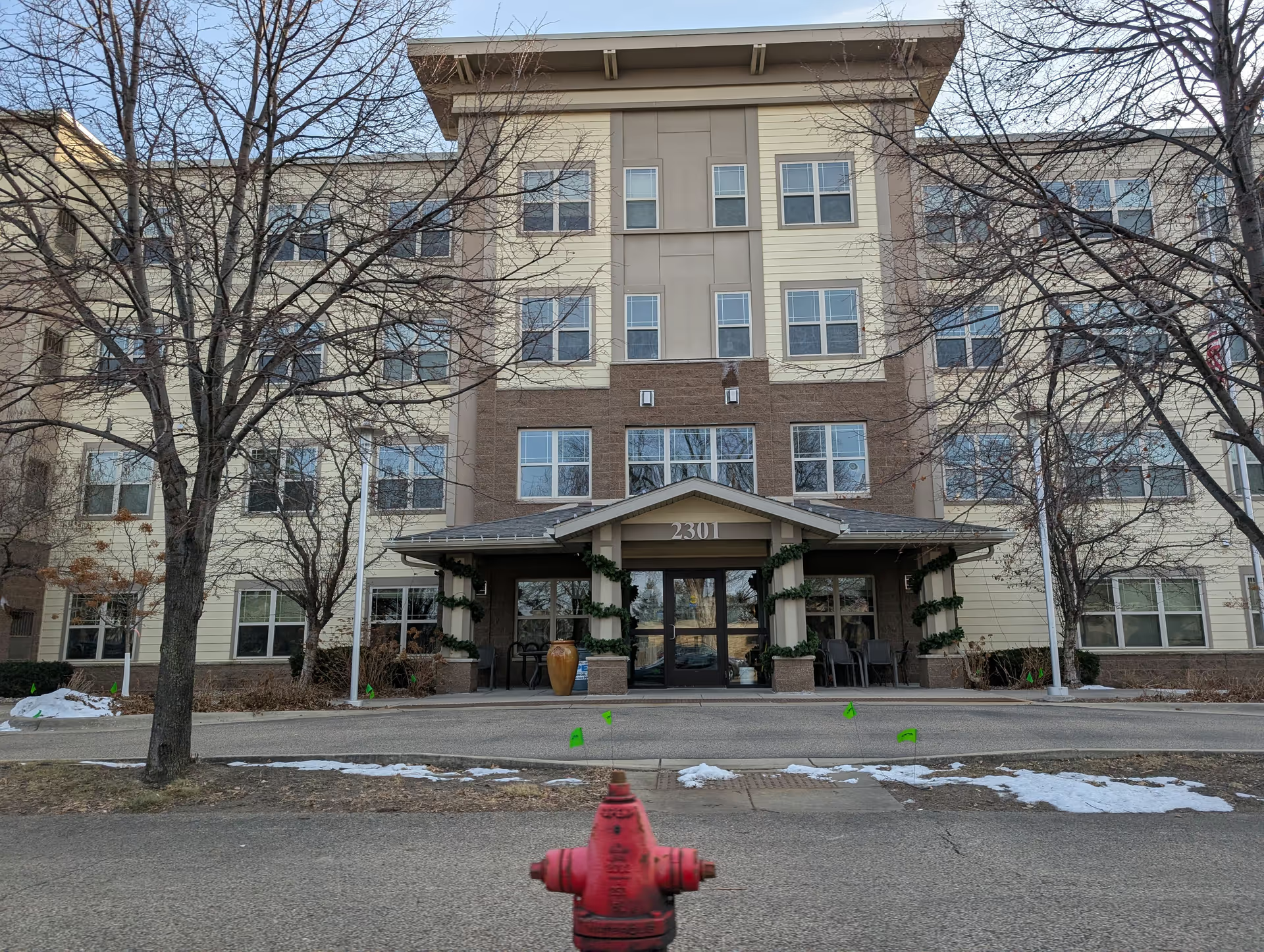
Reviews indicate a facility with many clear strengths alongside important operational inconsistencies. Clinical rehabilitation is a consistent highlight: residents and families describe robust physical, occupational, and speech therapy programs, often delivered twice daily for transitional care and post-surgical recovery. Multiple comments praise therapists by name and emphasize strong functional gains, making the campus a compelling option for short-term rehab and recovery from procedures.
Staff interactions elicit a mix of positive and critical observations. Numerous accounts characterize nursing aides, therapists, and many nurses as compassionate, respectful, and responsive; timely call-light response and attentive aides are cited as strengths. However, there are recurring concerns about uneven nursing performance across shifts and units — in particular, variability on weekends and certain floors — and several families raised medication-management and documentation discrepancies. In a limited number of cases these issues extended to controlled-medication handling and chart accuracy; families described these as serious concerns that warrant investigation.
Dining, activities, and amenities are generally viewed positively. The dining program is noted for variety and quality, with special touches and room-delivery options for those unable to dine communally. The campus offers a range of amenities — café, barbershop, study areas, and organized outings — and attractive landscaping with private patios and individualized apartment layouts contributes to a home-like atmosphere. That said, activity access can be restricted during infection-control events, and a few reviewers described inconsistent meal quality.
Facility condition and maintenance receive predominantly favorable remarks about cleanliness and attractive grounds, but some reviews cite uneven stewardship (exterior invasive-plant management, aging carpeting, and other deferred-maintenance items). Discharge and transition processes also show variability: families report inconsistencies in documentation, personal-item handling, and hygiene-related care at transfer. These feed into broader themes of communication and care coordination gaps between staff, shifts, and leadership.
Management and communication are a recurring pattern area. Many families experienced prompt, respectful engagement when staff were directly involved in day-to-day care, yet others described delayed or inadequate responses from administrative leadership when raising concerns. Language barriers and inconsistencies in follow-through amplify family frustration in those instances. Overall, the facility demonstrates strong clinical rehabilitation capabilities and many compassionate staff members, but prospective residents and families should assess unit-level staffing stability, medication-safety processes, and discharge procedures when considering placement.