The collected reviews present a largely positive picture of day-to-day care and the residential environment, paired with a few serious interpersonal and management concerns. Many comments emphasize warm, compassionate caregiving, a small-household model (up to six residents) that supports a family-like atmosphere, and a hands-on RN owner who is described as clinically involved and focused on high standards. Strengths consistently highlighted include dementia and end-of-life care expertise, round-the-clock availability, and meals prepared fresh on site.
Care quality is portrayed as attentive and personalized: reviewers characterize staff as kind, funny, and committed, and several accounts describe positive outcomes for residents who required memory-care or end-of-life services. The small scale of the operation appears to support individualized care plans and close staff–resident relationships. The RN owner’s direct involvement is a listed asset, providing clinical oversight that many families find reassuring.
At the same time, there are substantive concerns about staff behavior and management practices. A subset of reviewers raised allegations of discriminatory remarks and racial bias among staff; together with references to staff bullying and unprofessional management, these comments indicate gaps in behavioral supervision, conflict resolution, and cultural-competency training. Reviewers also described inconsistent communication from leadership, suggesting that transparency and family outreach can vary.
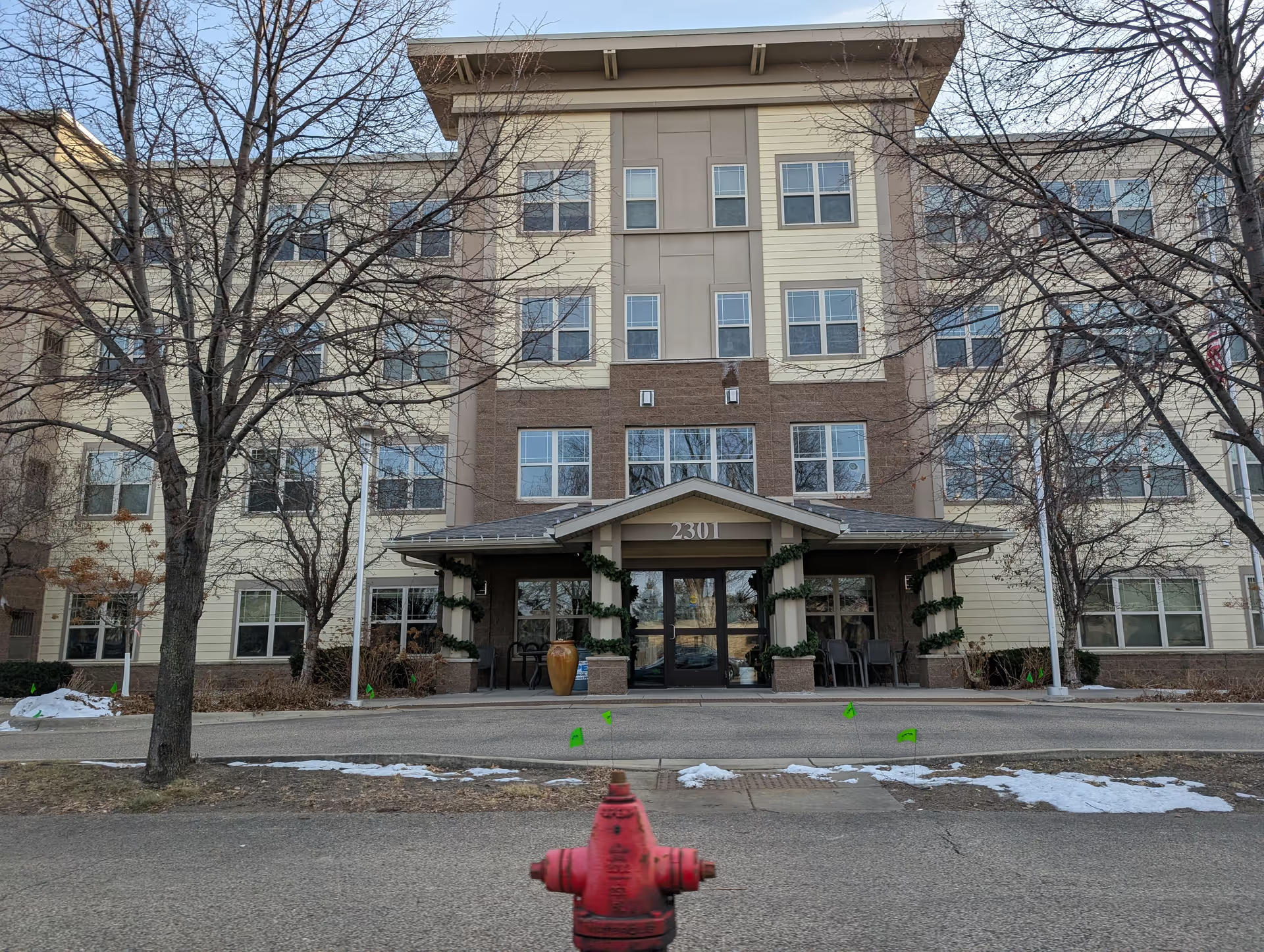
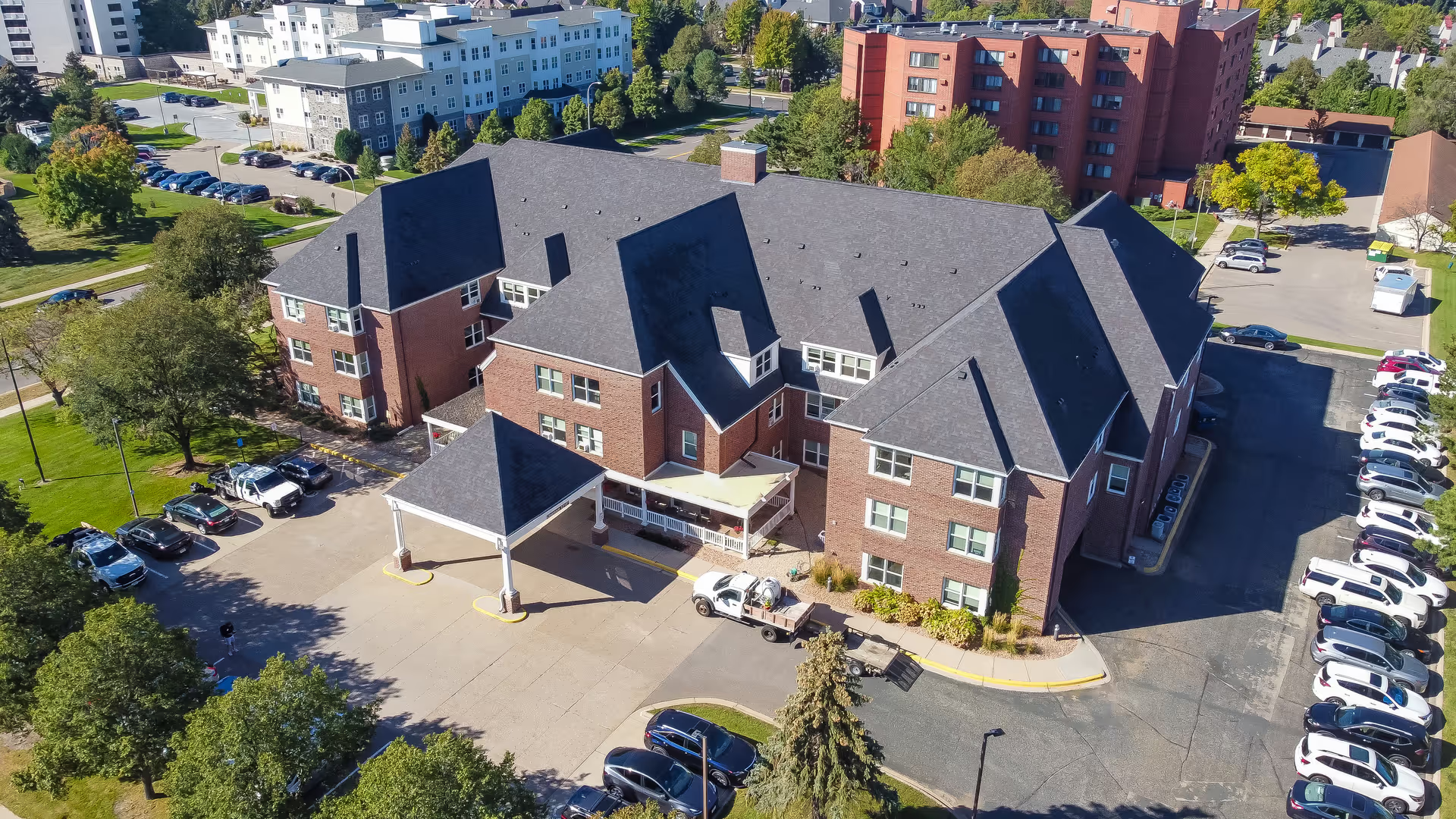
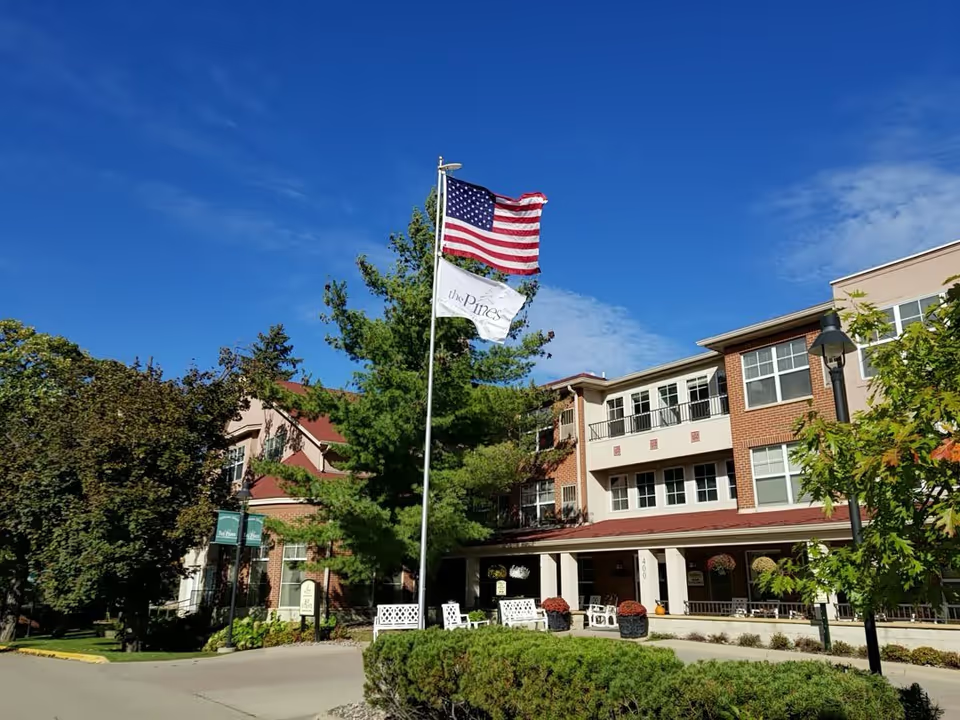
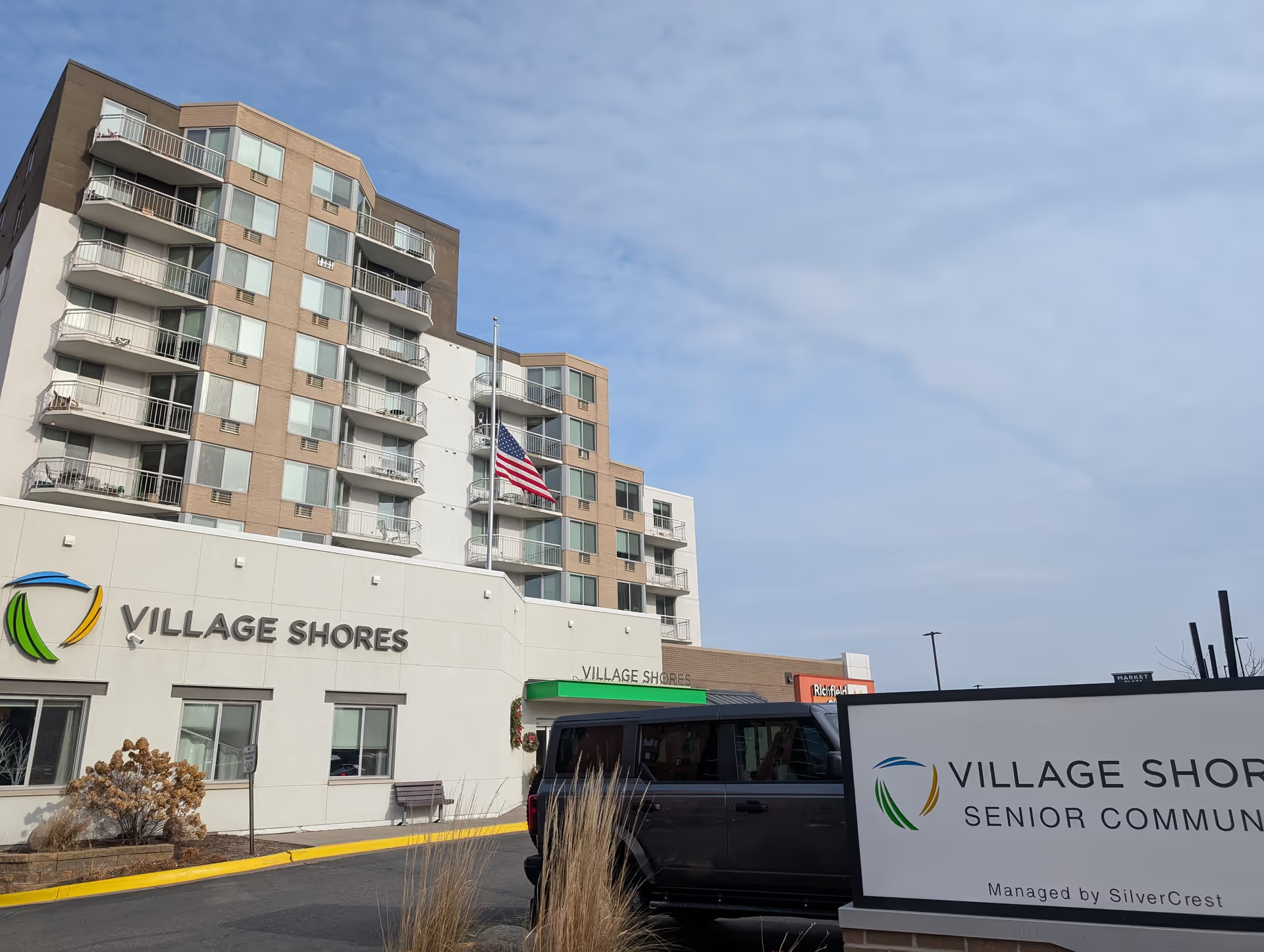
Facilities and daily operations are described positively: reviewers call the homes attractive and well-run, and point to fresh onsite meals and a comforting domestic environment. Formal descriptions of activities are limited in the reviews, but the interpersonal tone—staff characterized as personable and humorous—suggests a social, engaging daily atmosphere rather than a highly programmatic activity schedule.
Implications for prospective residents and families: the facility demonstrates clear strengths in small-scale, clinically supervised residential care, particularly for memory-care and end-of-life needs. However, families should probe management's policies on staff supervision, anti-discrimination and cultural-competency training, and communication practices during a visit. Specific questions to consider include how the facility handles staff conduct complaints, what training and oversight the RN owner provides, and how staff–family communication is structured and documented.