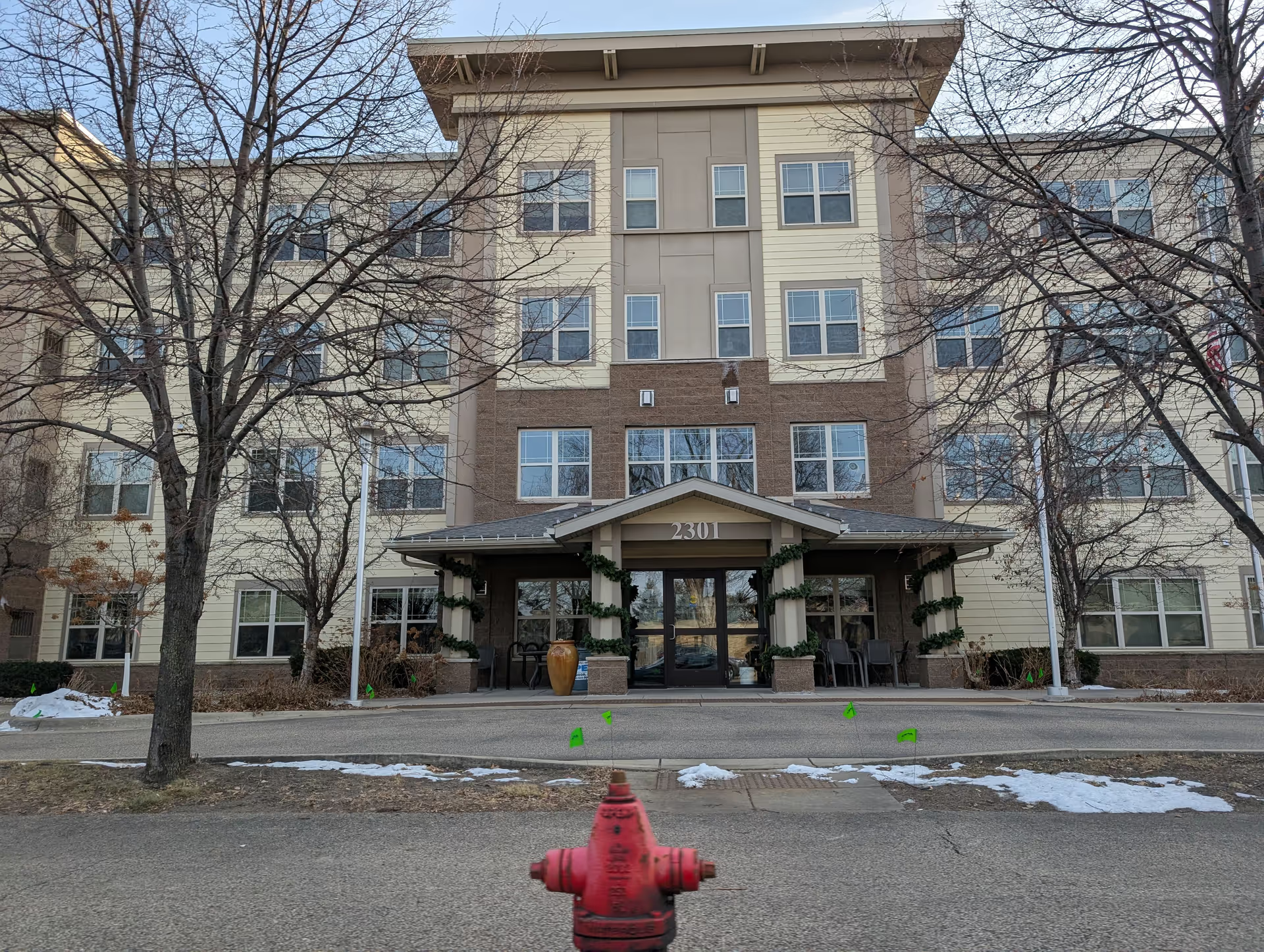
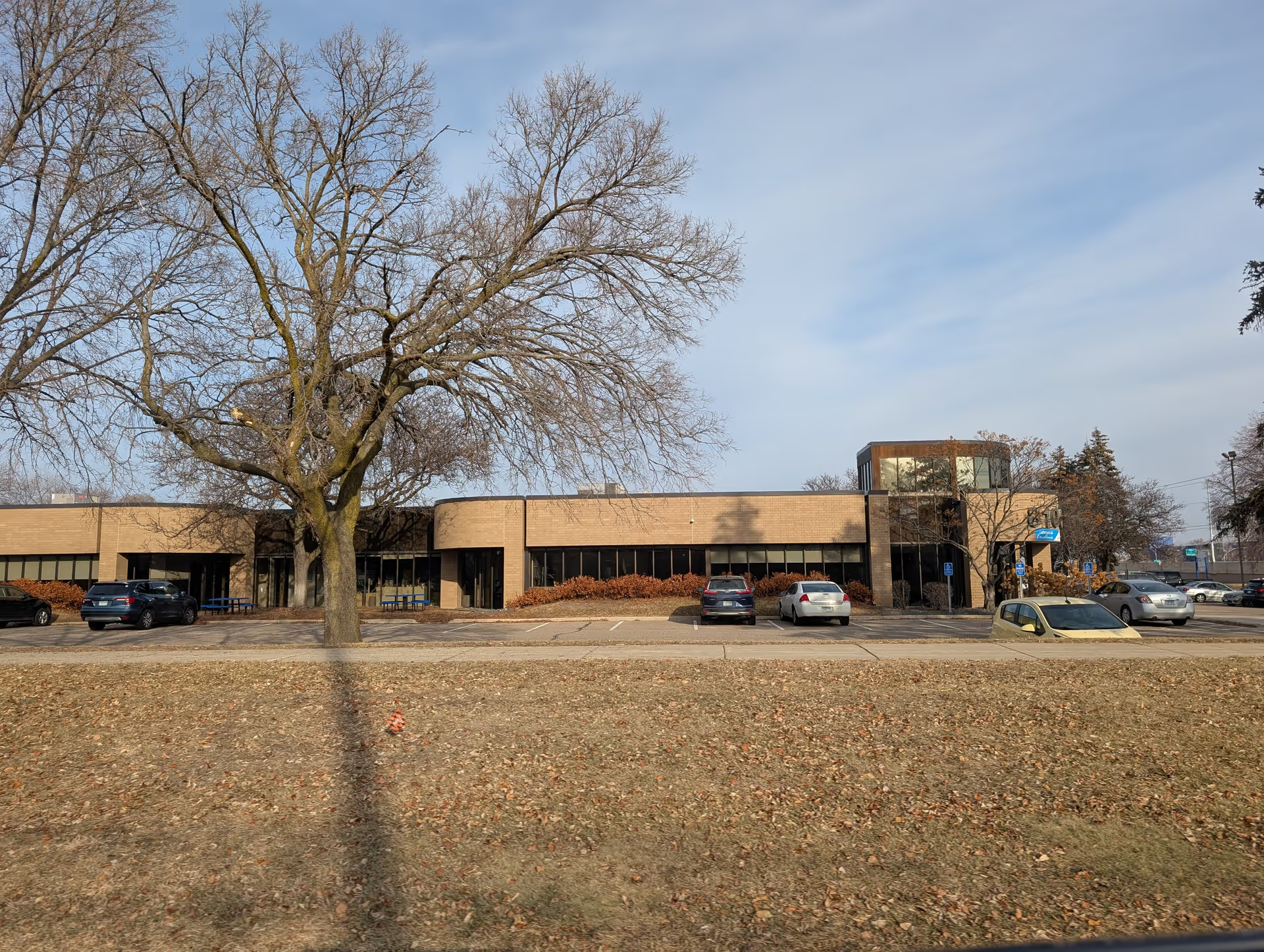
Wealshire of Bloomington elicits strongly mixed but consistent themes. Many families and residents praise the community for warm, compassionate caregiving—particularly in dementia-focused units—and they highlight skilled nursing leadership, strong COVID-era safety protocols, and an active, amenity-rich environment. Positive descriptions repeatedly reference bright, well-maintained common areas, engaging daily programming (music, theater, games, and outdoor visits), technology to keep families connected, and individualized attention when consistent staff assignments are in place. Several reviewers also emphasized supportive end-of-life presence and personalized transition assistance during move-in.
At the same time, a recurrent operational pattern is understaffing and frequent staff turnover. Those patterns are associated with inconsistent personal-care schedules (bathing and grooming follow-through), variability in staff conduct on different units, and uneven continuity of familiar caregivers. While many families report compassionate CNAs and nurses, others describe lapses in responsiveness and concerns about staff tone and professionalism. These contrasts suggest that quality can be unit- or shift-dependent rather than uniform across the whole building.
Dining and kitchen operations show a similar split. Some families commend the food quality, treats, and special amenities (ice-cream socials, pleasant snack options), while others raise significant concerns about meal-service consistency, accommodation of chewing/swallowing needs, and kitchen sanitation practices. Visitor meal-time rules and restrictions on communal dining during certain periods were also cited as operational limitations. Prospective families should seek direct observation of mealtimes and ask about dietary-accommodation protocols and kitchen oversight.
Facilities and activities are frequently highlighted as strengths: the campus layout, large activity spaces, secured courtyard, and programming for ongoing engagement are often described positively. The facility scale supports varied social offerings and specialty dementia neighborhoods, though a number of reviewers noted that private room sizes are smaller than expected for the overall community footprint.
Management and administrative patterns are mixed. Admissions and some front-line leaders receive praise for clear communication and helpful relocation support, but there are repeated concerns about billing transparency (daily rent billing, contract terms, and refund practices), human-resources responsiveness, and follow-through on commitments made during transfer or admission. Several reviews describe problems with personal-item handling and tracking, creating family frustration. More serious are allegations related to review manipulation and staff-termination practices; these are notable and warrant verification through direct inquiry and review of state inspection records.
Overall, Wealshire of Bloomington shows clear operational strengths—particularly around dementia care expertise, engaging programming, and a bright, amenity-rich environment—but also significant, recurring operational weaknesses centered on staffing stability, consistent personal care, food-safety practices, and administrative transparency. Prospective residents and families would benefit from focused questions during tours: current staffing ratios and turnover metrics, consistency of caregiver assignments, kitchen sanitation oversight, contract and billing details, personal-item policies, and recent state inspection or complaint history. Observing a mealtime, asking to speak with unit nursing leadership, and requesting names of long-tenured staff on the prospective unit can help clarify how the facility’s strengths apply to an individual’s needs.