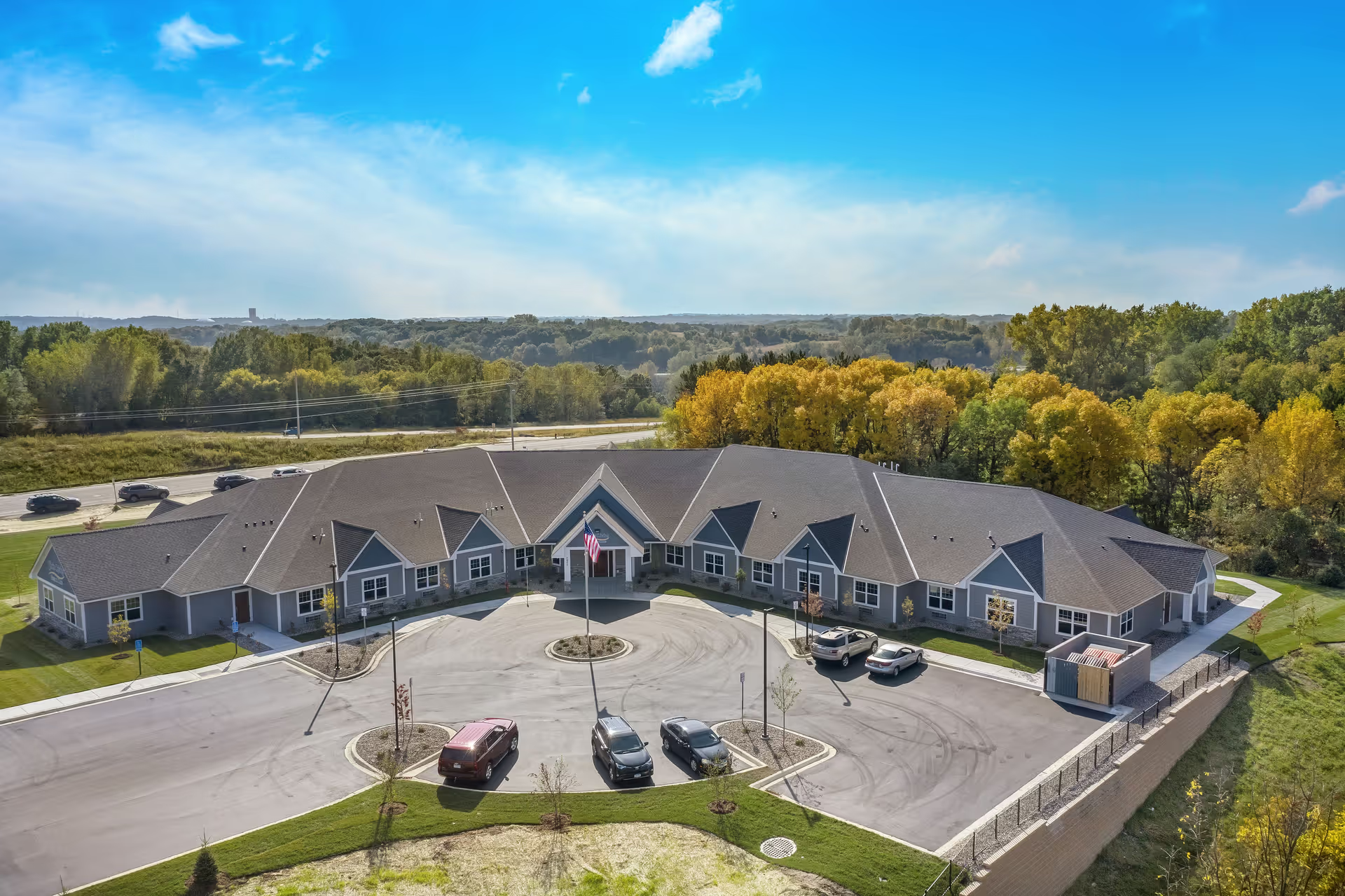
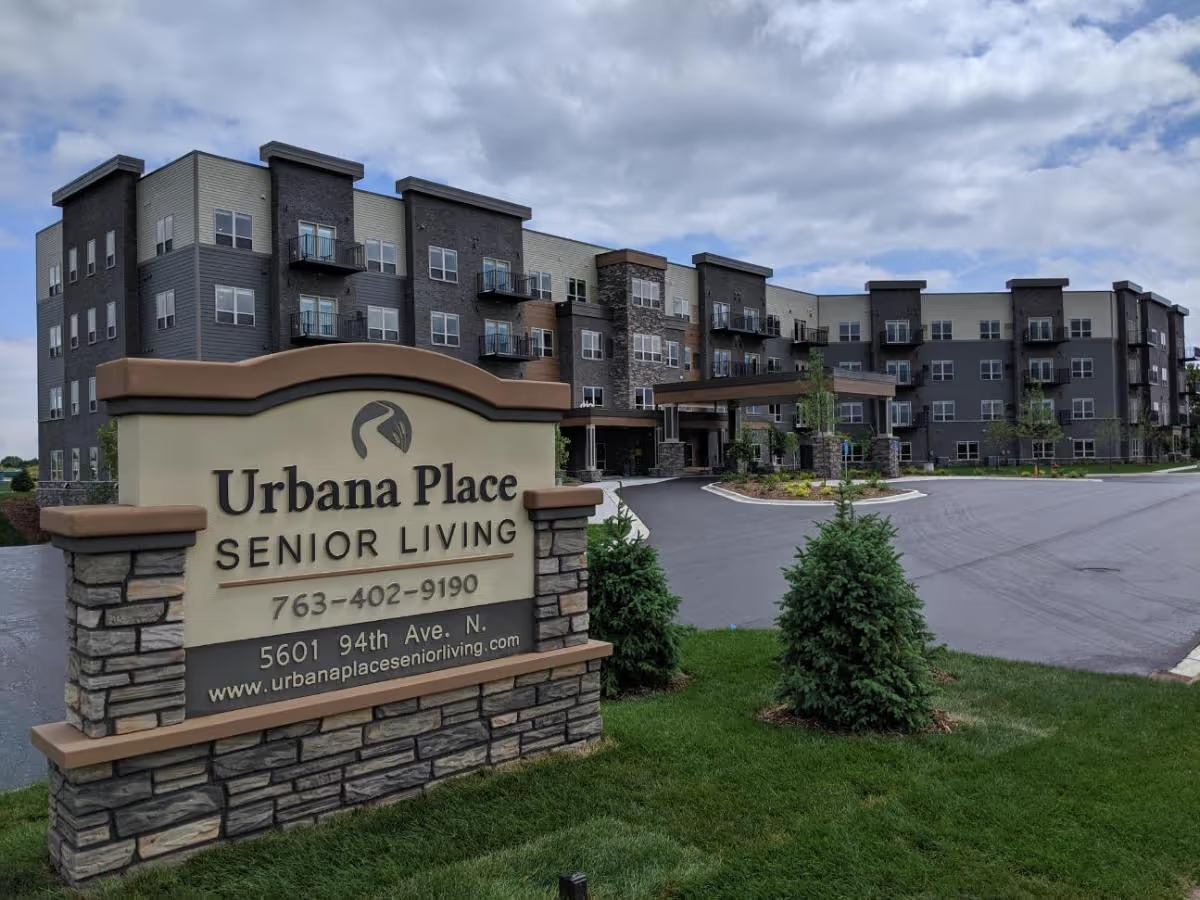
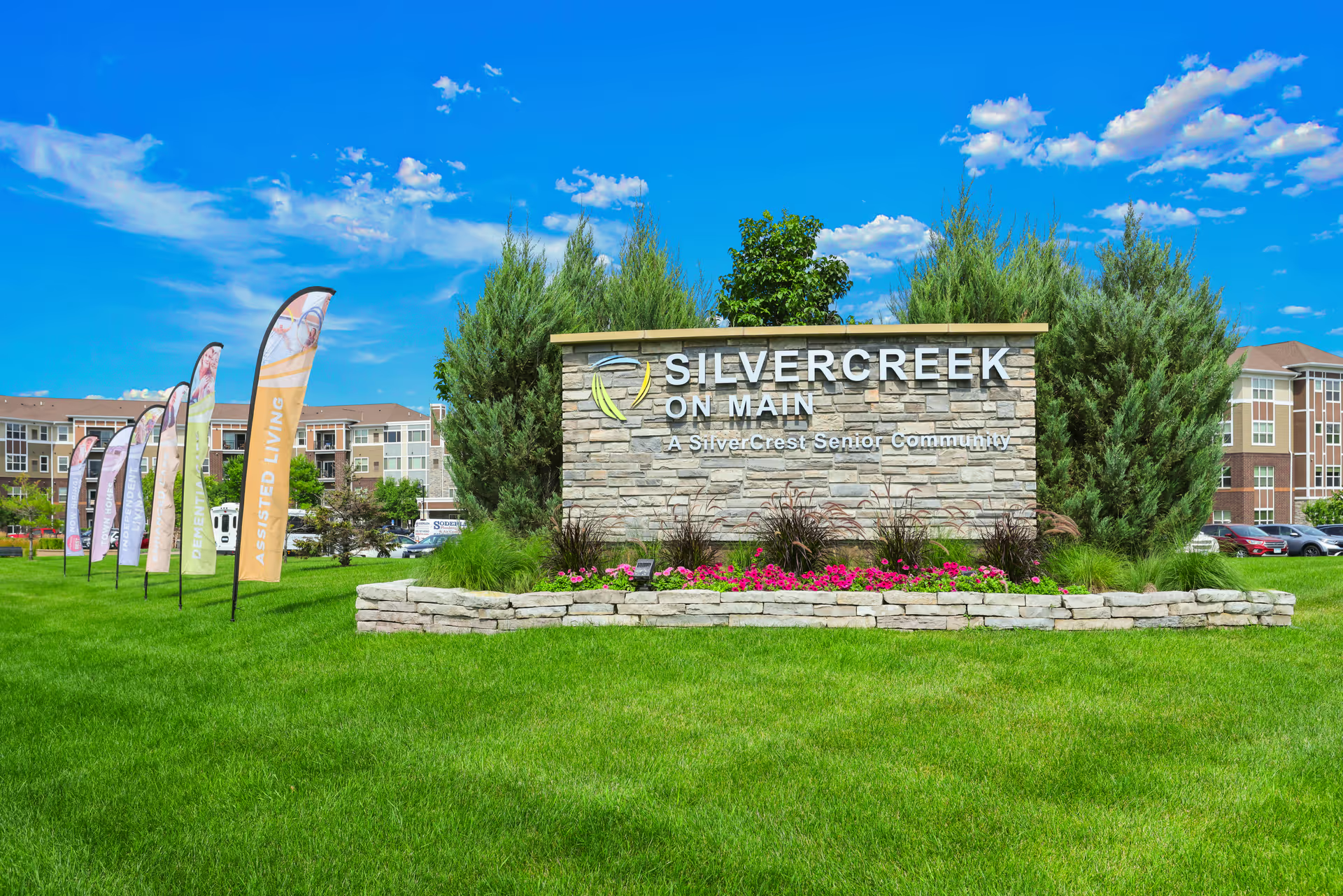
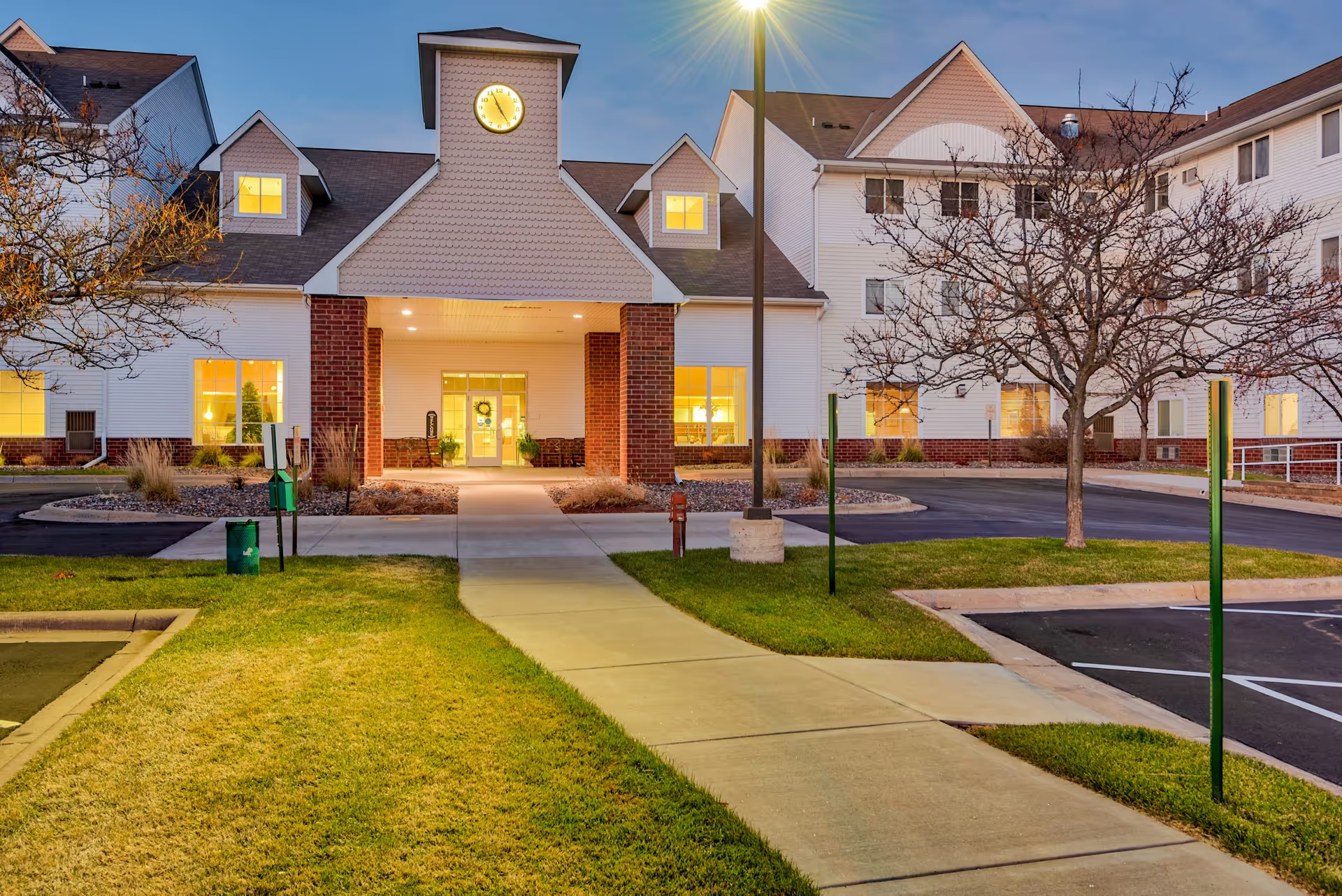
Tradition is consistently described as a community with a strong social culture, extensive activities, and a generally welcoming staff. Positive accounts emphasize compassionate, attentive caregivers, an active activities department that offers outings and intergenerational events, and a family‑like atmosphere that many residents and families find reassuring. Apartments are frequently praised for being spacious, bright, and well‑laid‑out, with private balconies or patios and in‑unit washer/dryer units. The property’s grounds, common areas, and courtyard are noted as well maintained, and aging‑in‑place options (assisted‑living continuity, on‑site medical calls, and medication management services) are available, which contributes to residents’ sense of security.
Dining is a central strength for a large number of reviewers: an on‑site chef, restaurant‑style dining room, and flexible meal plans are commonly highlighted, along with the staff’s ability to accommodate dietary needs. At the same time, there is a clear pattern of variability in dining performance. Several accounts describe an excellent culinary program and fine‑dining experience, while other accounts describe declines in food quality or service interruptions following personnel changes. Prospective residents should verify current kitchen staffing and sample meals during tours if dining quality is a primary consideration.
Staff and care quality generate mixed but predominantly positive impressions. Many reviewers single out caring nursing and concierge staff, timely assistance after incidents, and staff who go above and beyond during transitions or crises. However, there are recurring operational concerns: reports of high staff turnover, episodic communication lapses with families, and language or accent barriers that can impede clear exchanges. A smaller set of accounts raise clinical‑safety issues—examples suggest gaps in medication handling and inconsistent adherence to clinical procedures. Those findings indicate it is prudent to ask about current staffing stability, medication‑safety protocols, and transfer/assistance policies during a visit.
Operational and administrative patterns also warrant careful inquiry. Multiple reviewers described inconsistent maintenance responsiveness and uneven housekeeping standards—some apartments and common areas are described as spotless while other accounts cite sanitation concerns and appliance repair delays. Billing and invoicing practices are another recurring theme: families mention confusing statements, unexpected charges, and at least one instance of unpaid vendor invoices. Management transitions and a perceived emphasis on occupancy or financial targets have created uncertainty for some residents and families; conversely, other reviewers praise specific managers and the community’s responsiveness. Parking and certain accessibility routes (for example, lobby‑to‑garage access) are noted as limitations in some units.
Recommendation: Tradition offers many of the elements families seek in independent and continuing‑care settings—strong social programming, attractive apartments, and robust dining—paired with on‑site clinical and personal services that support aging in place. Because the reviews reveal variability in dining, maintenance, communication, and clinical processes, prospective residents should (1) tour during a meal service and ask about current kitchen leadership, (2) request written information about medication‑safety and staffing ratios, (3) clarify billing items and penalty/charge policies, and (4) test maintenance response expectations and accessibility for the specific unit under consideration. These targeted questions will help determine whether the community’s current operational performance aligns with a family’s priorities.