Overall impression Champlin’s senior living community presents a mixture of consistent strengths and recurring operational weaknesses. Many families and residents praised the staff’s interpersonal warmth, the tidy, well-maintained facility, and an activities/dining program that contributes to a social, home-like atmosphere. At the same time, reviews repeatedly point to operational gaps—notably in staffing consistency, medication processes, communication, and certain aspects of housekeeping and billing—that prospective residents and families should weigh when touring.
Care and staff Care quality is characterized by two broad patterns. On the positive side, staff are frequently described as compassionate, skilled, and attentive; maintenance and some clinical staff receive particular commendation for responsiveness and individualized assessments. However, staffing turnover and episodic short staffing contribute to inconsistent care experiences. Recurring concerns include delays or errors in medication administration, slow clinical follow-up during transitions, and uneven after-hours responsiveness. Several reviews described strong individual caregivers and improvements after leadership changes, indicating variability tied to personnel and management stability.
Dining and activities Dining is a notable asset in several accounts: meals are generally described as tasty, included in many contracts, and offer homestyle options. Reviewers also noted a broad suite of activities, regular outings, and transportation that support social engagement. Areas for improvement include menu variety (some found meal cycles repetitive) and occasional cold meal service. Activity participation can be uneven—while the program offerings are robust, some residents felt less engaged or experienced limited staff escorting to activities, particularly in a larger building layout.
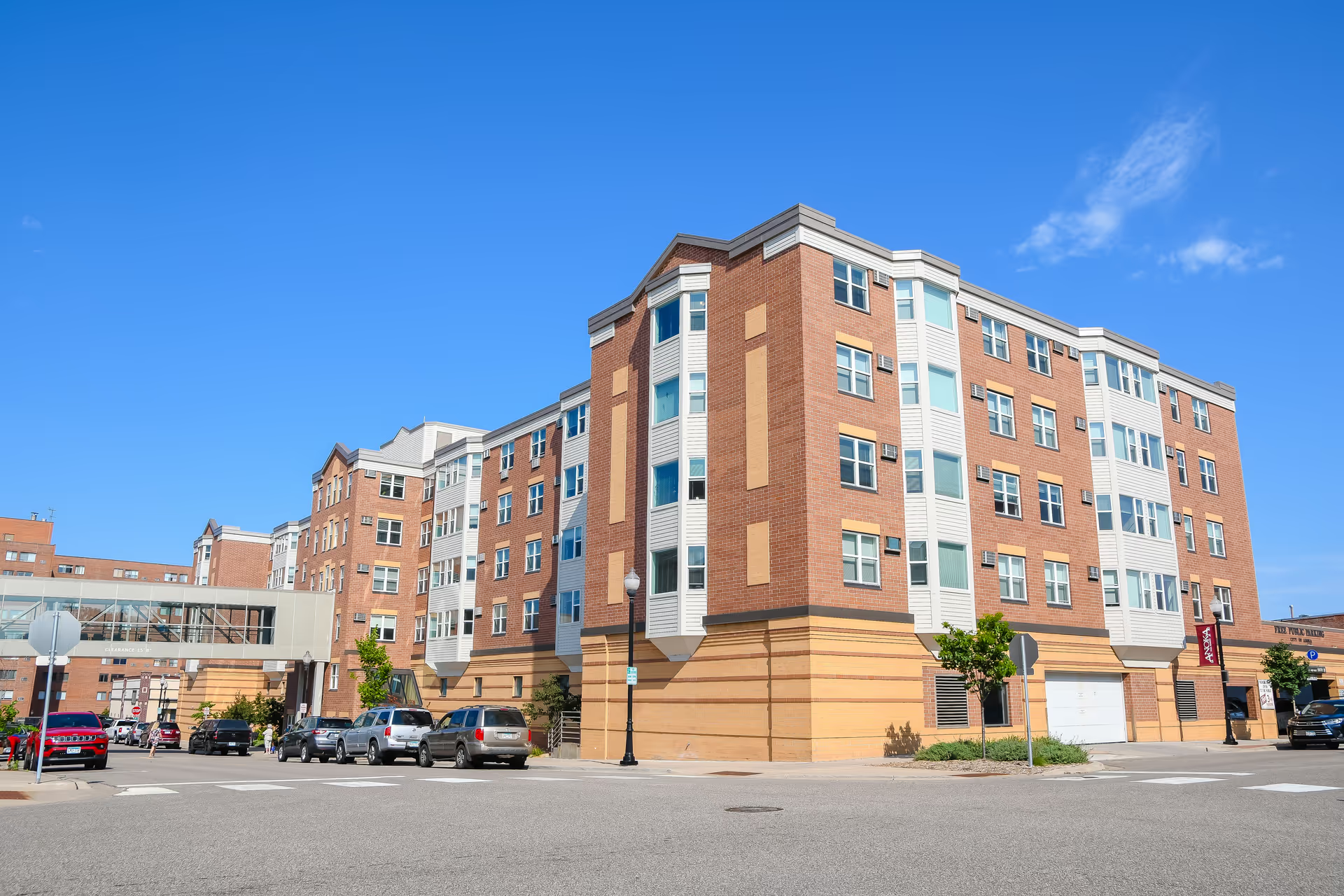
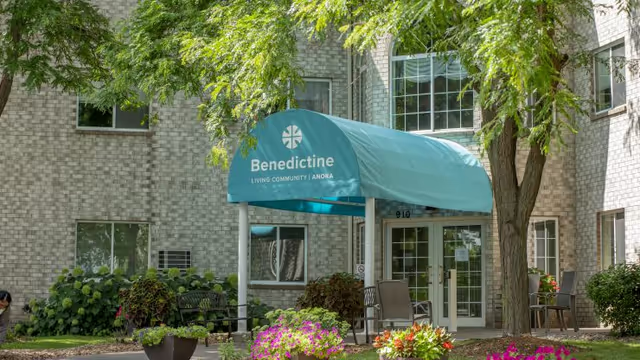
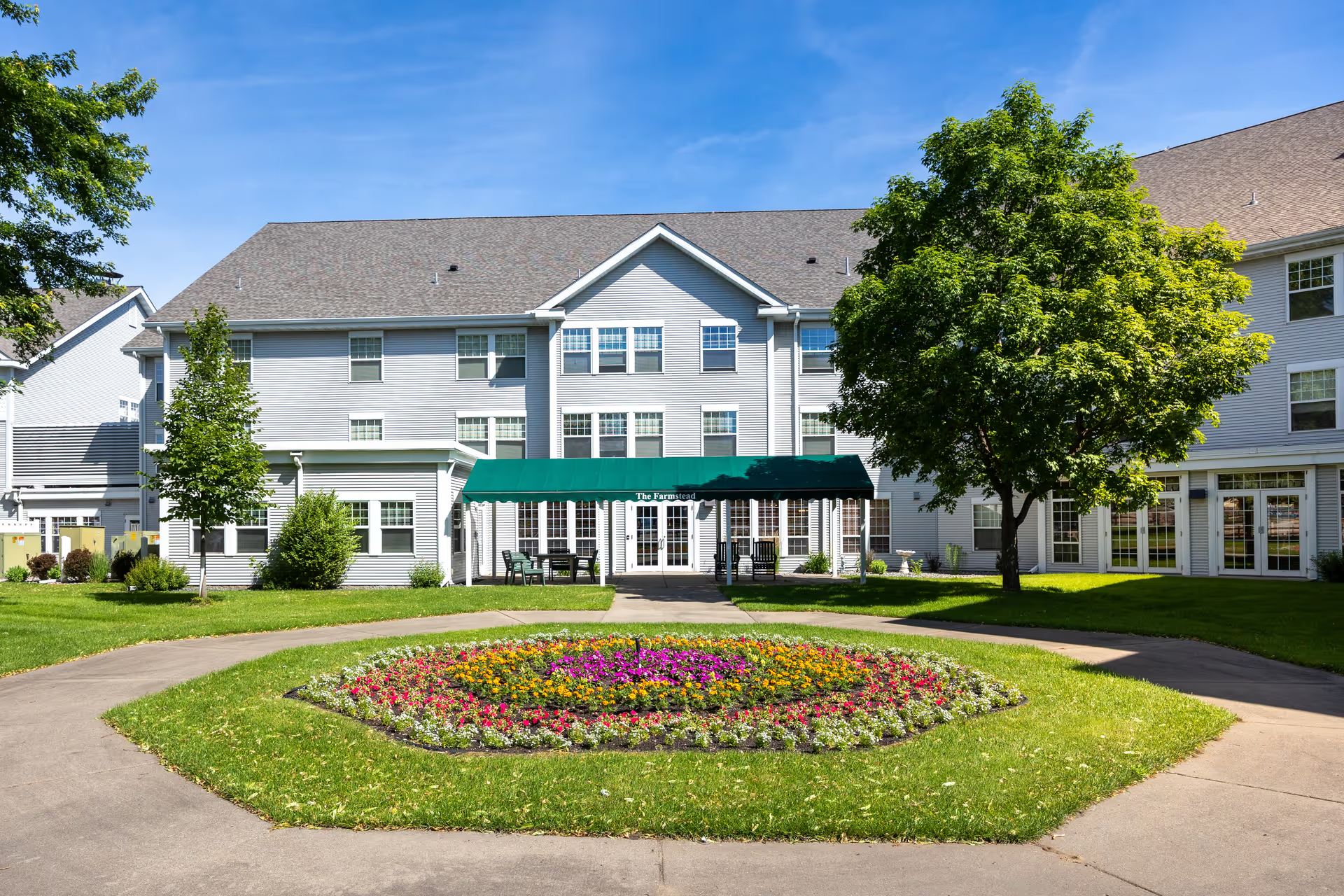
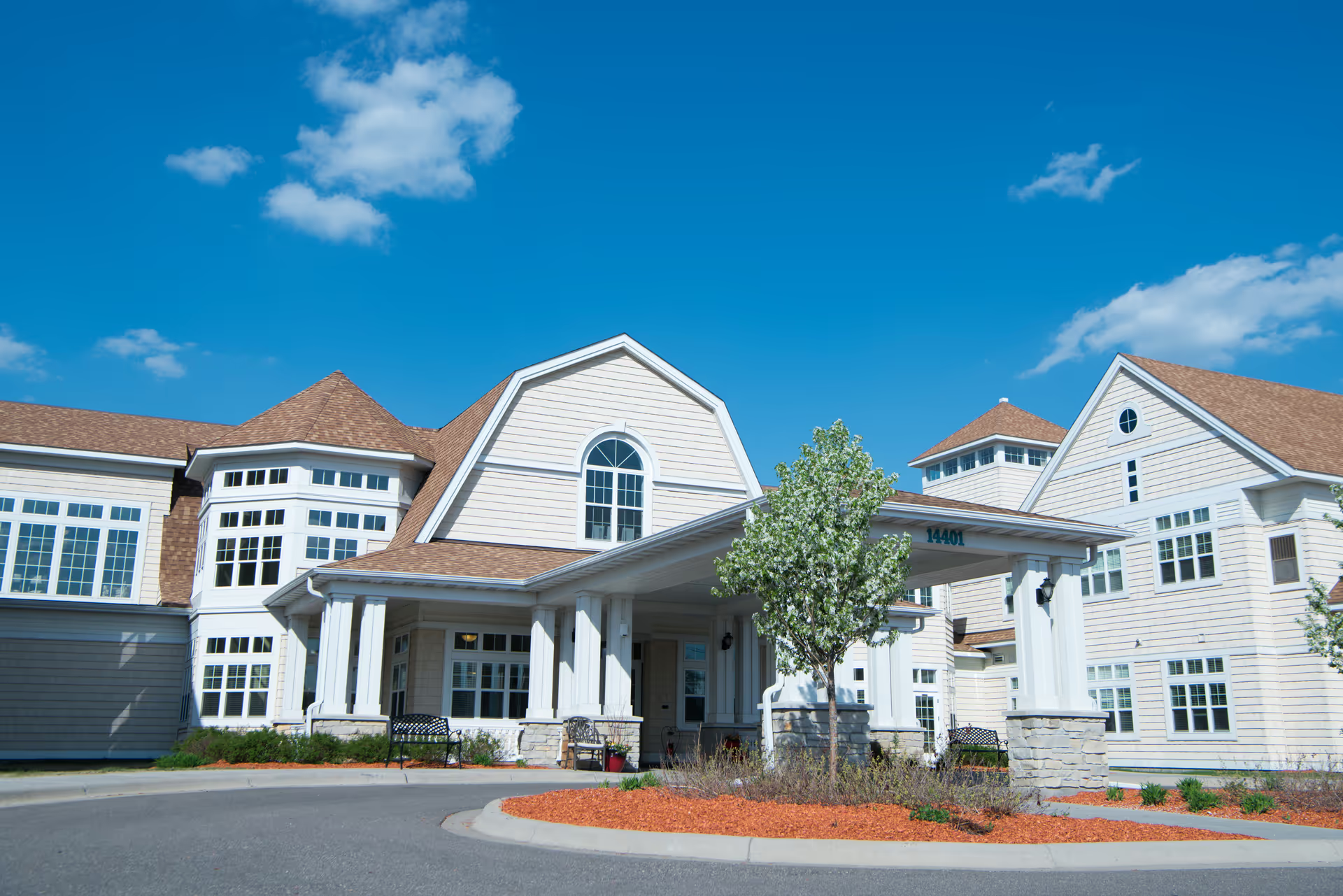
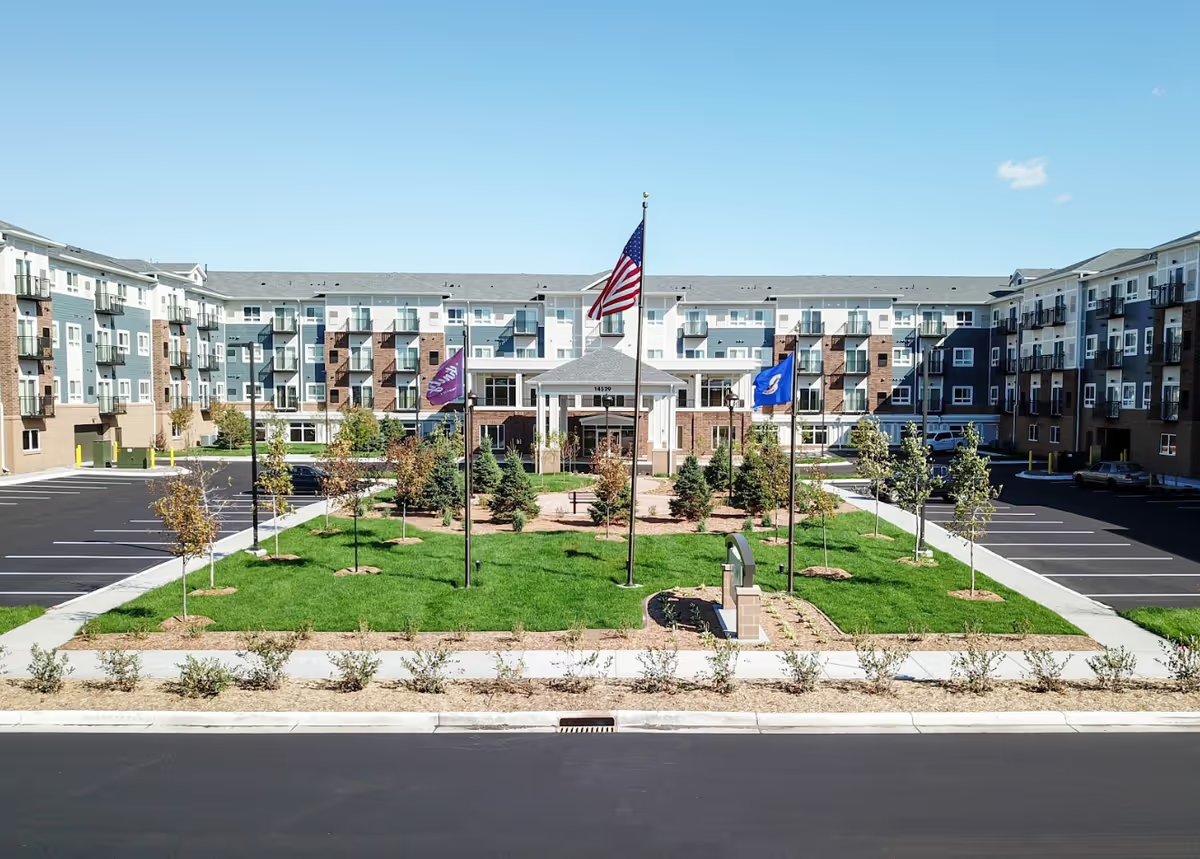
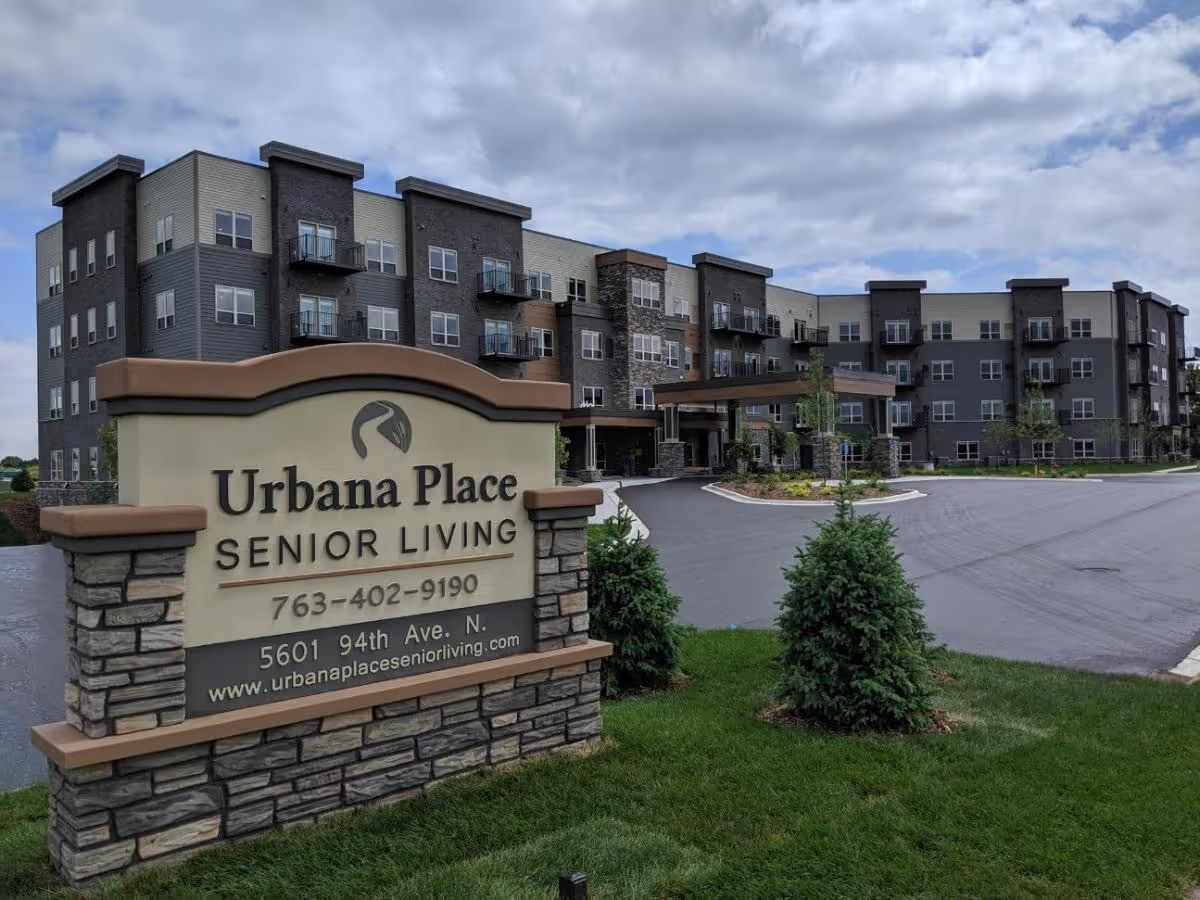
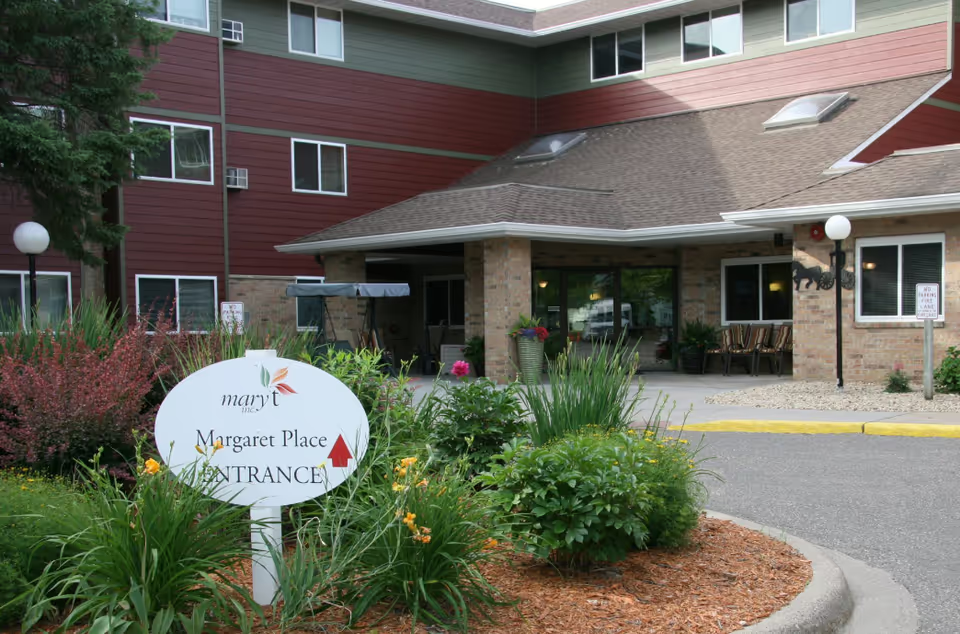
Facilities and amenities Physical plant strengths include clean common areas, attractive landscaping, bright lighting, wide hallways, and spacious apartment layouts with large kitchens and pleasant views. The building offers covered parking and a secure environment with on-site clinical presence. Operational issues flagged include inconsistent cleaning of specific common spaces (elevator and some corridors), noisy wall-mounted cooling units with incomplete coverage, and a scale that can feel impersonal for residents seeking a smaller community. Memory-care units are available and staffed with expertise, but private-room availability and room size in that neighborhood were cited as constraints.
Management, move-in, and billing Initial tours and move-ins are often described as welcoming and well-handled, and some families reported effective, collaborative resolution of early concerns after leadership changes. Nonetheless, weaknesses recur around family communication, new-resident orientation, and move-in coordination—promises about services or room readiness have sometimes been unfulfilled. Billing and admissions processes drew repeated criticism for complexity, a steep entrance or ancillary fee structure, and billing disputes. Prospective families should request clear written explanations of all fees, change policies, and the community’s process for clinical escalations and after-hours coverage.
Notable patterns and takeaway The dominant pattern is a community with strong interpersonal strengths—warm staff, active programming, and generally well-kept facilities—tempered by operational inconsistencies tied to staffing, medication administration, communication, and administrative processes. For families prioritizing compassionate staff, included meals, and an active lifestyle program, Champlin may be a good fit, provided they confirm clinical staffing levels, private memory-care availability, HVAC comfort in chosen units, and detailed billing terms. For those for whom consistent clinical processes, evening security responsiveness, or a smaller-scale community are primary concerns, a careful, documented comparison with alternative communities is advisable.