Benedictine Living Community–Anoka consistently draws praise for its direct-care staff, nursing team and resident-focused approach. Families and residents describe staff as compassionate, welcoming and attentive; many highlight individualized care plans, prompt post-fall response, and regular daily check-ins that contribute to a sense of safety. The nursing and leadership teams are frequently characterized as professional and collaborative, and the community offers tiered/continuing-care options that allow care intensity to ramp up as needs change.
Dining and social life are prominent strengths. The facility's kitchen is noted for made-from-scratch meals, menu choices and an on-site restaurant option; reviewers regularly mention varied menus, accommodating kitchen staff and positive mealtime experiences. Programming includes daily activities, exercise classes, movies, bingo, music and outing opportunities such as weekly shopping trips. These offerings, combined with live entertainment and resident-led projects, support an engaged social environment and a clear sense of community.
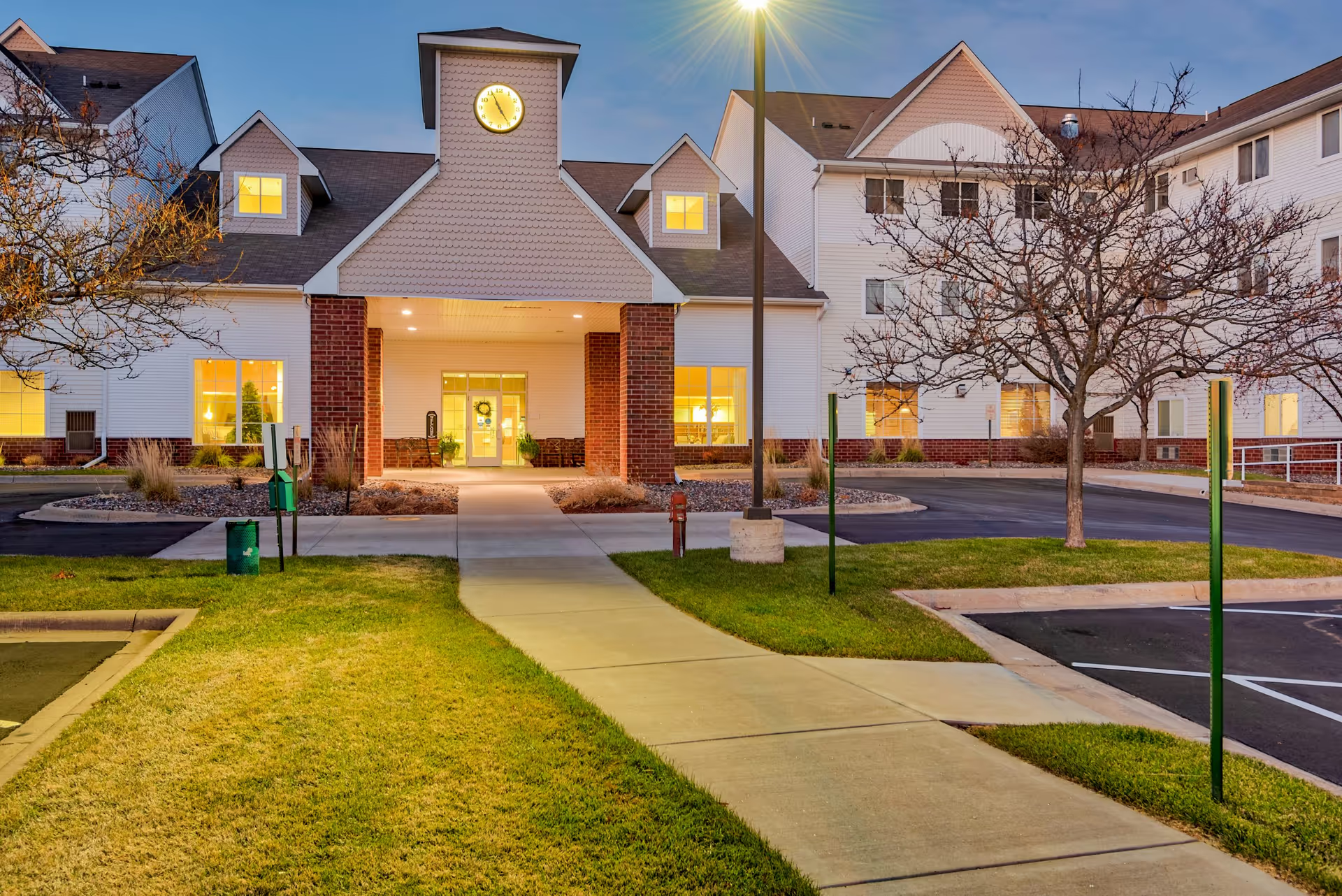
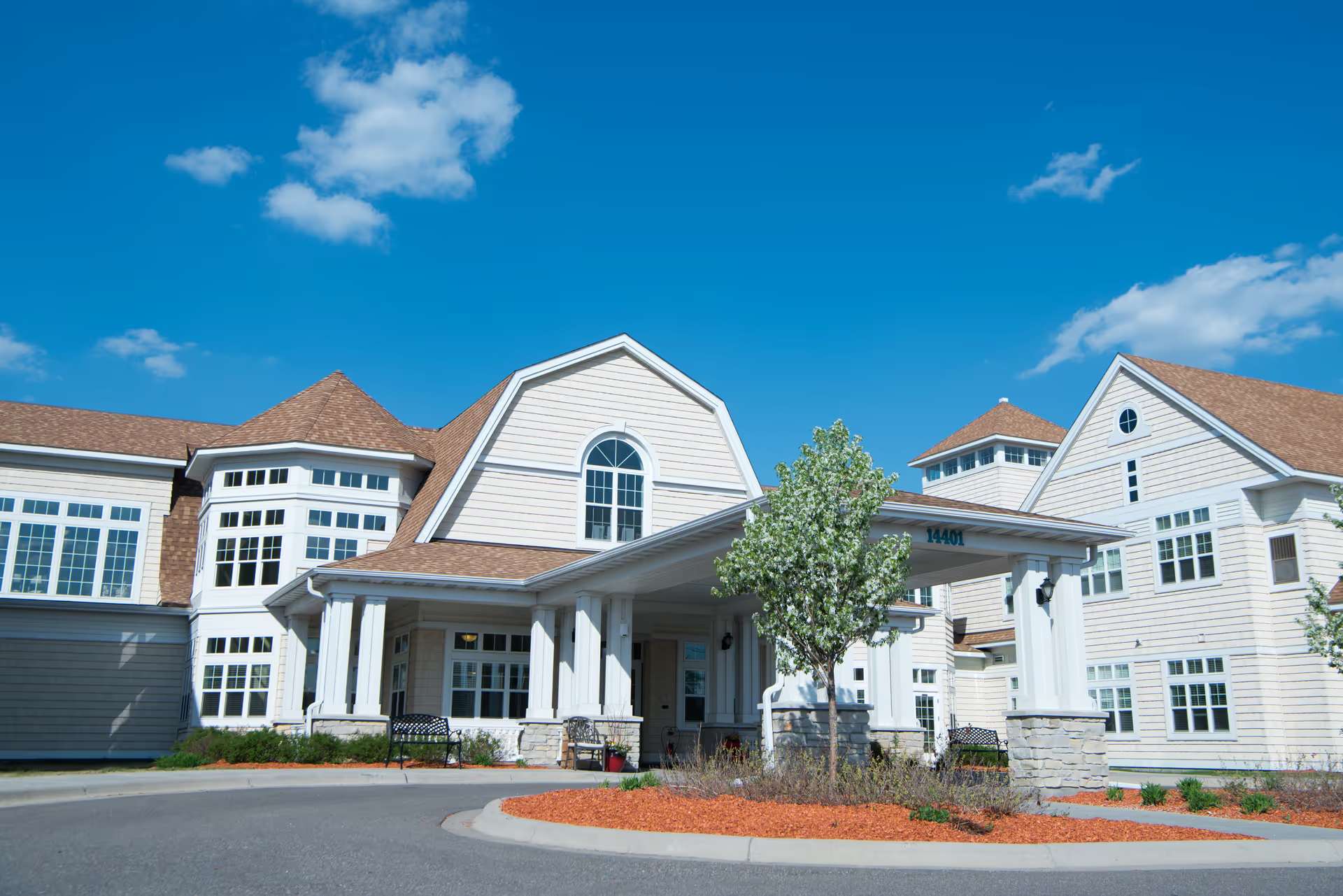
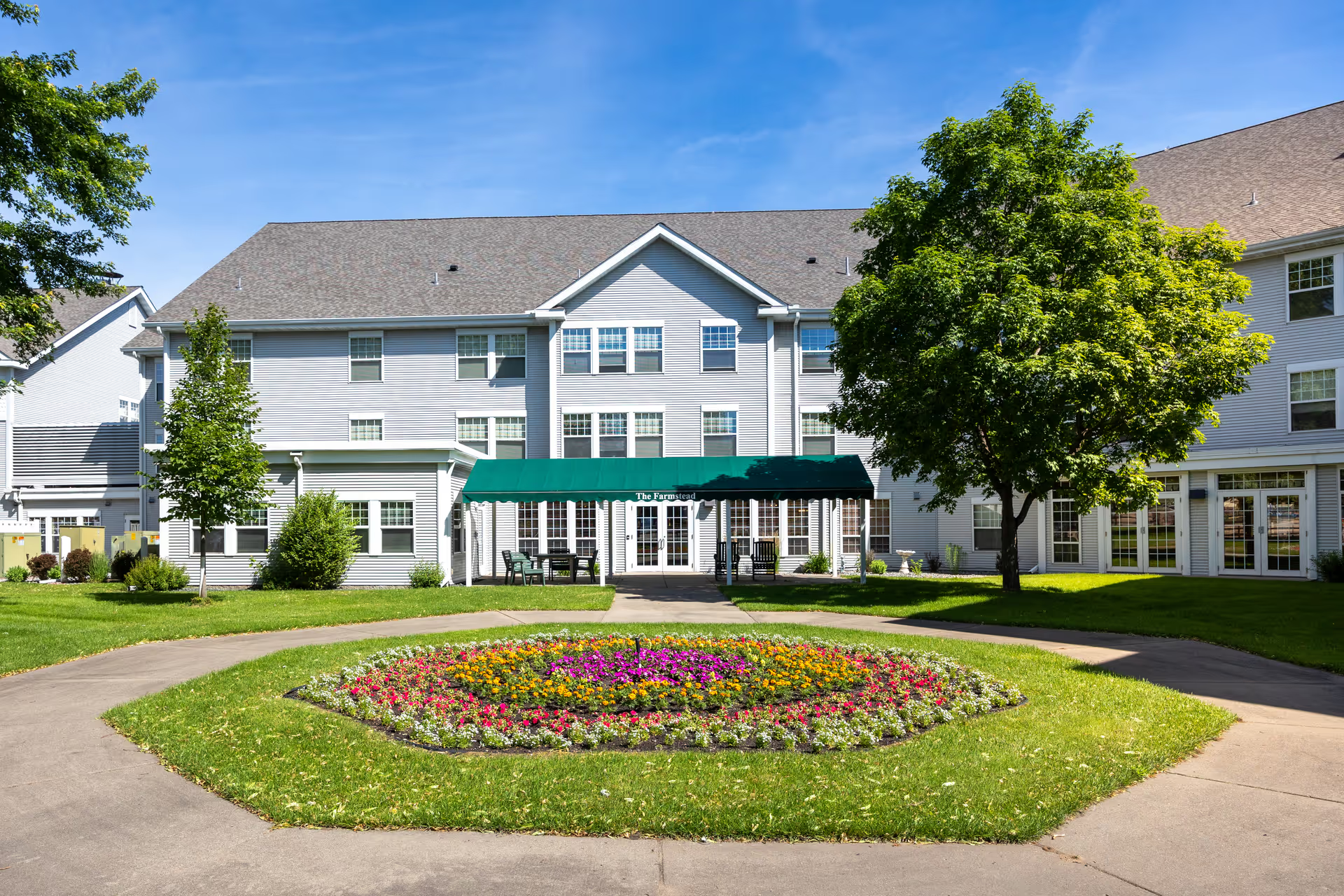
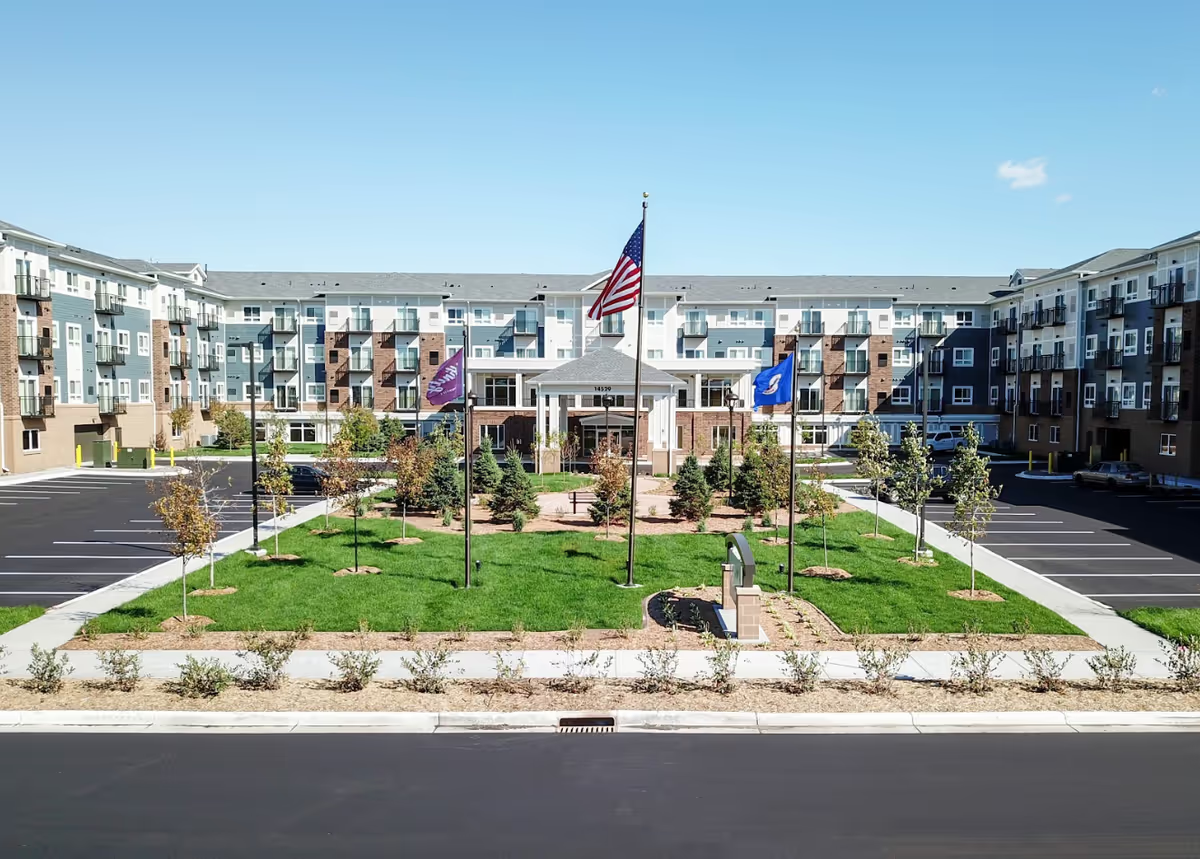
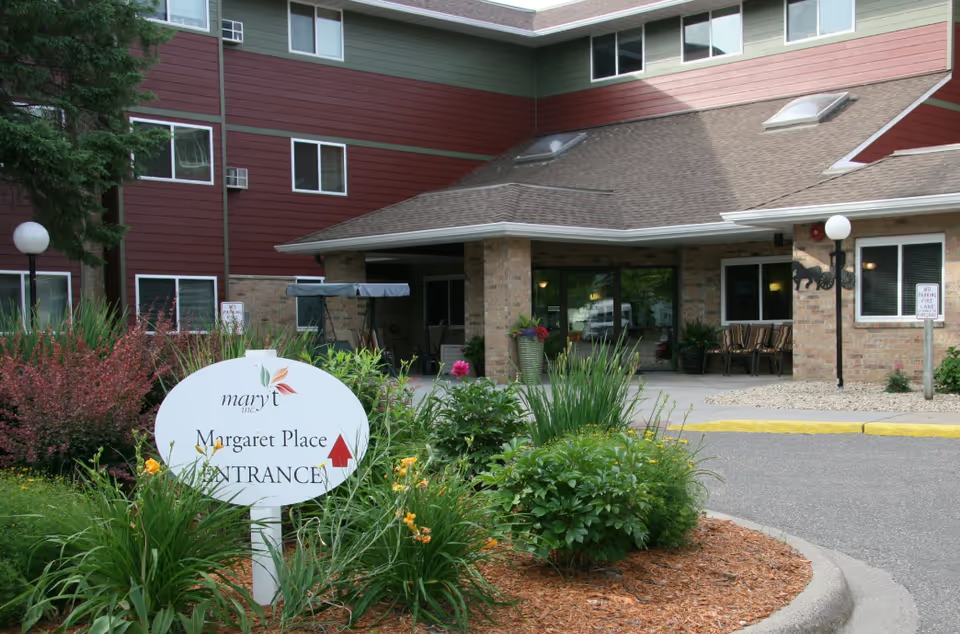
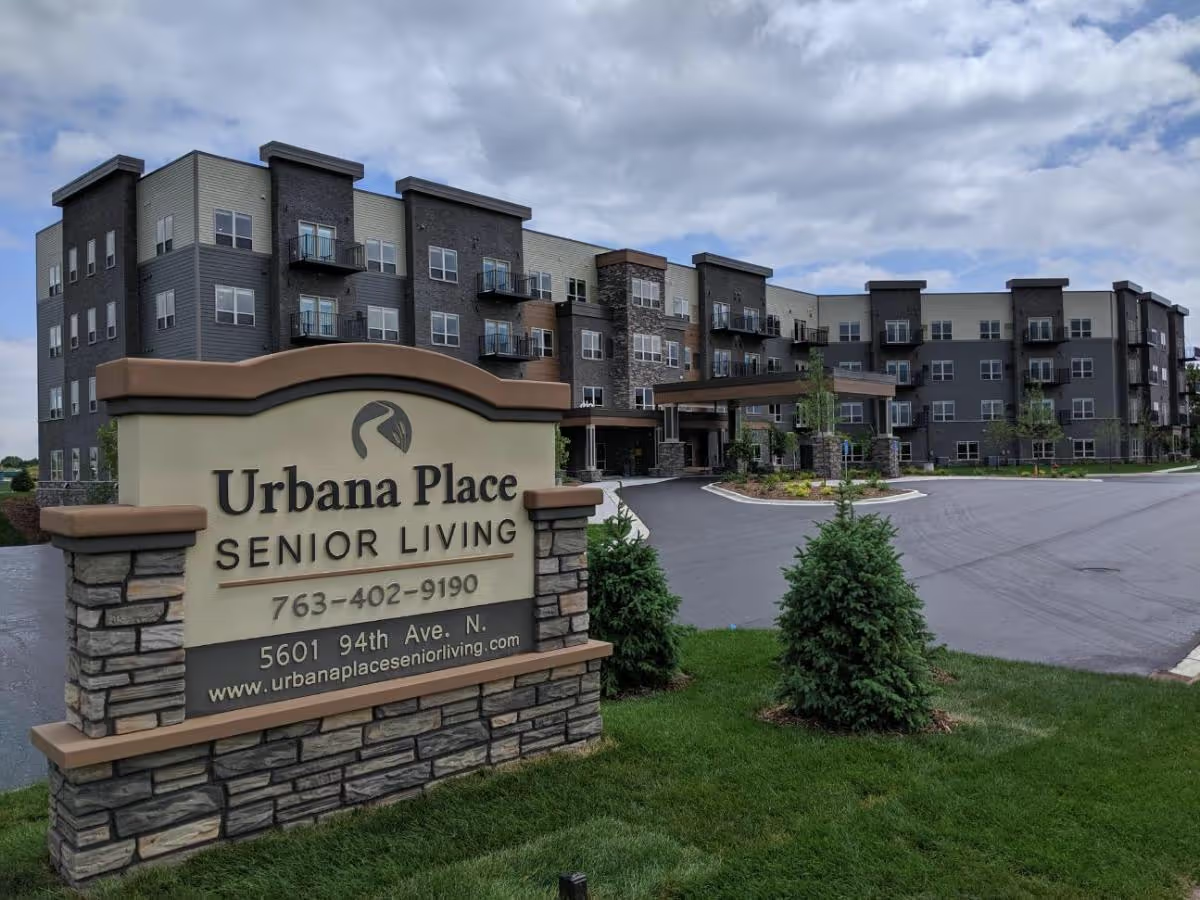
The physical plant receives strong marks for cleanliness and upkeep. Reviewers cite recent renovations, sunlit common areas, large windows, and well-maintained apartments (some with balconies and park views). Maintenance responsiveness and included services such as housekeeping and linens are commonly noted as conveniences that reduce family burden. The community's smaller, home-like scale is described as fostering friendly resident interactions and easier acclimation for new residents.
Operational patterns that prospective families should weigh include staffing consistency, cost transparency, and clinical limits. Several comments point to variability in staffing levels and occasional communication gaps—including front-desk interactions and language barriers among some direct-care staff. Billing practices and extra charges are a repeating concern: families describe add-on fees, unclear fee scales and limited pricing flexibility, which can affect overall perceived value. Clinically, a few reviewers indicated that certain medication-administration needs may exceed the scope of typical assisted-living services and could require higher-acuity settings.
Overall impression across the reviews is favorable: the facility is repeatedly recommended for its caring staff, strong dining, active programming and clean, updated environment. The most common caveats involve operational details—consistent staffing, clearer billing disclosures, and clearer communication pathways—rather than fundamental deficits in care. Families prioritizing a warm, community-oriented assisted-living environment with attentive nursing and robust dining and activities will find many strengths here; those with tightly constrained budgets or residents needing complex medication regimens should clarify scope of services and fees before committing.