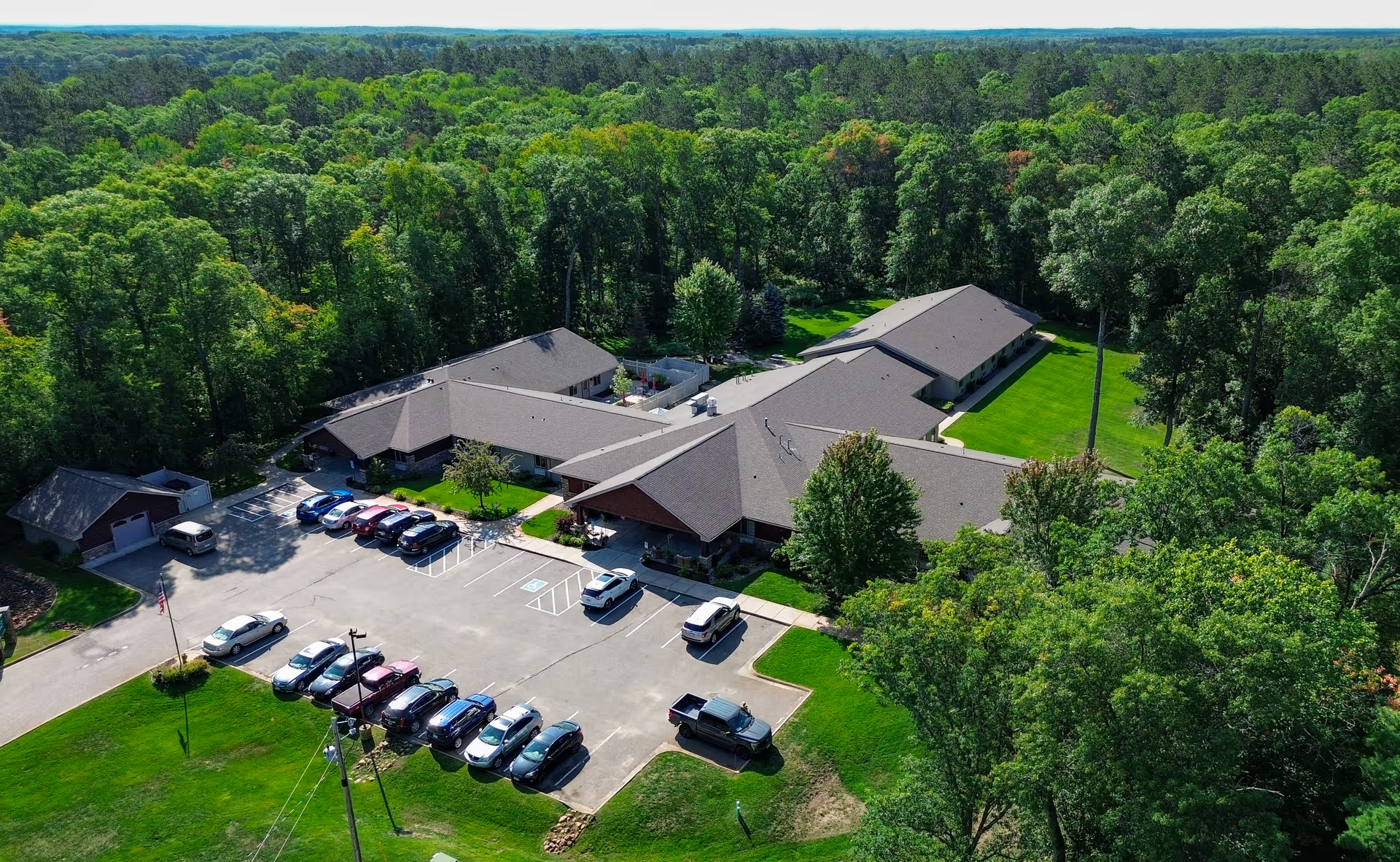
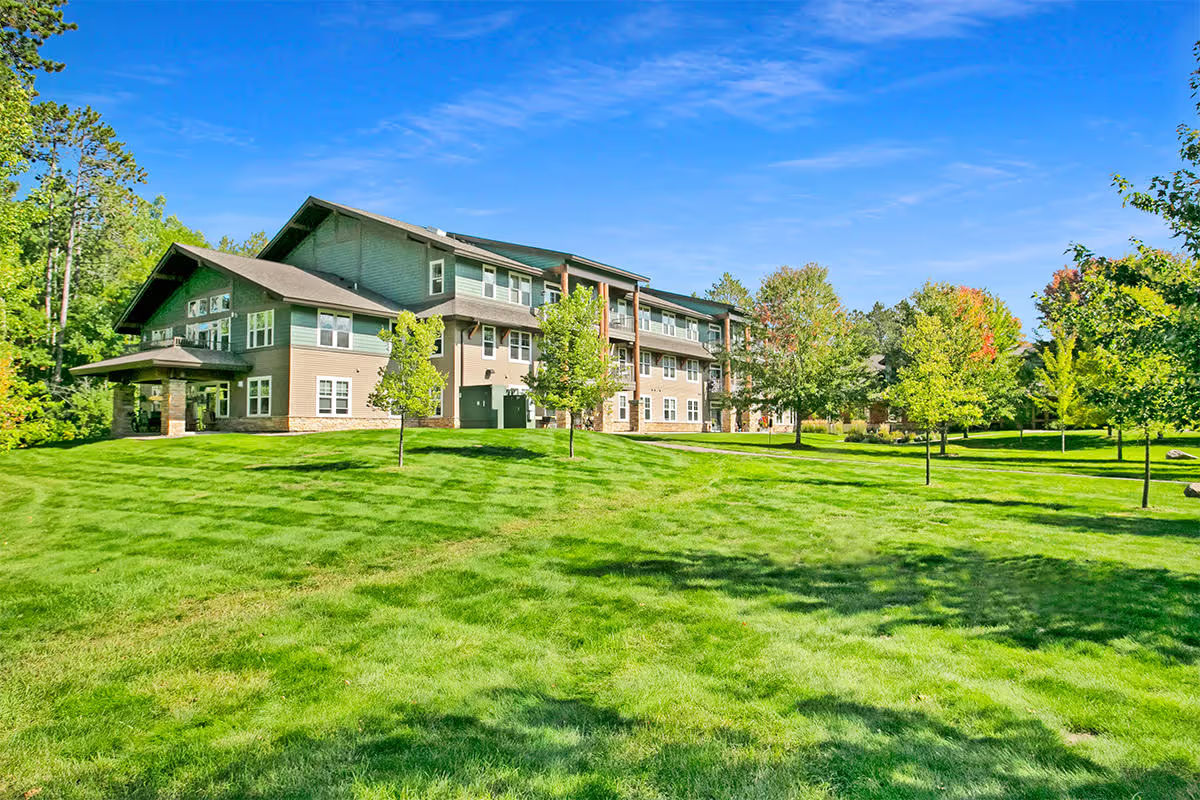
Whitefish at the Lakes presents as a newer, well-appointed senior living community with modern apartment finishes, two-bedroom units that often include balconies and in-unit laundry, and interior parking. Common areas are described as clean and nicely decorated; the building layout and outdoor amenities (patio, raised gardens, and social pub area) support both indoor and outdoor socializing. Unit-level features highlighted include granite countertops, stainless-steel appliances, and contemporary kitchens.
Care and staffing appear to be a central strength. Multiple accounts emphasize courteous, helpful, and professional staff who provide routine clinical involvement such as nursing checks and dietitian consultations. The community operates a call-button system with follow-up checks, and there are references to hospice coordination when needed. These elements suggest attention to basic clinical oversight and resident safety practices, along with personalized assistance from front-line staff.
Dining and activities receive generally positive remarks. The facility offers meal-plan options, mid-day dining service, and access to nutritional guidance. Residents and families often described meals as satisfactory. A broad range of social and wellness programming is available, including music programs, Bible study, chair exercise classes, walking clubs, game rooms, and on-site salon services. Amenities such as whirlpool/relaxation areas, a game room, and organized entertainment contribute to an active social environment.
Notable operational patterns temper the overall favorable impressions. Several reviewers raised concerns about administrative transparency and consistency: specifically, a lack of clear, upfront cost disclosures and incomplete breakdowns of fees; communication gaps between management, residents, and families; and instances where contracted services were not reliably delivered. Related comments indicate ambiguity about the facility’s assisted-living capabilities within independent living units, which can create confusion when resident needs change. There were also isolated operational follow-through issues in ancillary services (for example, laundry management) that point to opportunities for improving administrative processes.
For prospective residents and families: the community offers a modern physical environment, active programming, and generally attentive staff and clinical touchpoints. At the same time, it would be prudent to request detailed, written explanations of pricing and service inclusions, confirm the scope of care available within the chosen unit, and ask about administrative policies for service delivery and resolution of service lapses before committing. These steps can help align expectations with the facility’s operational practices.