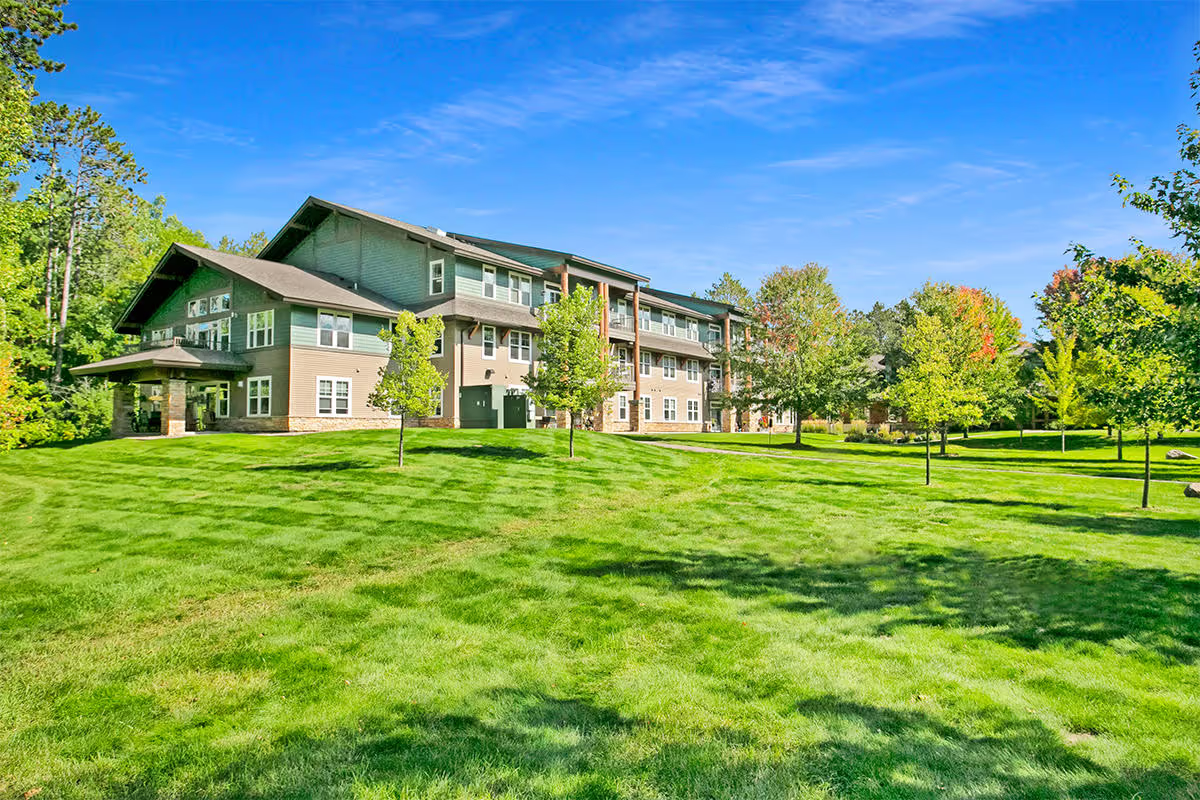
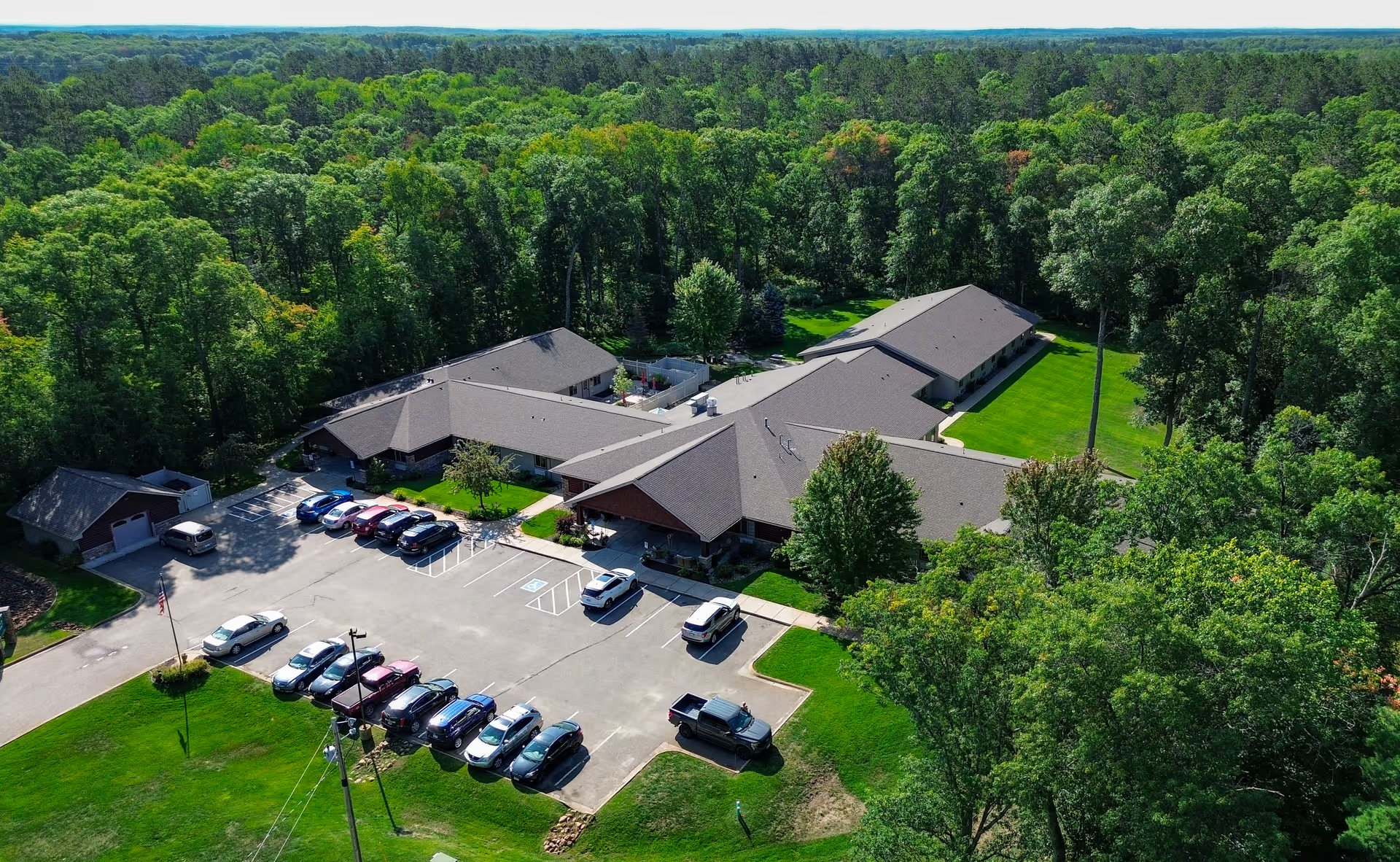
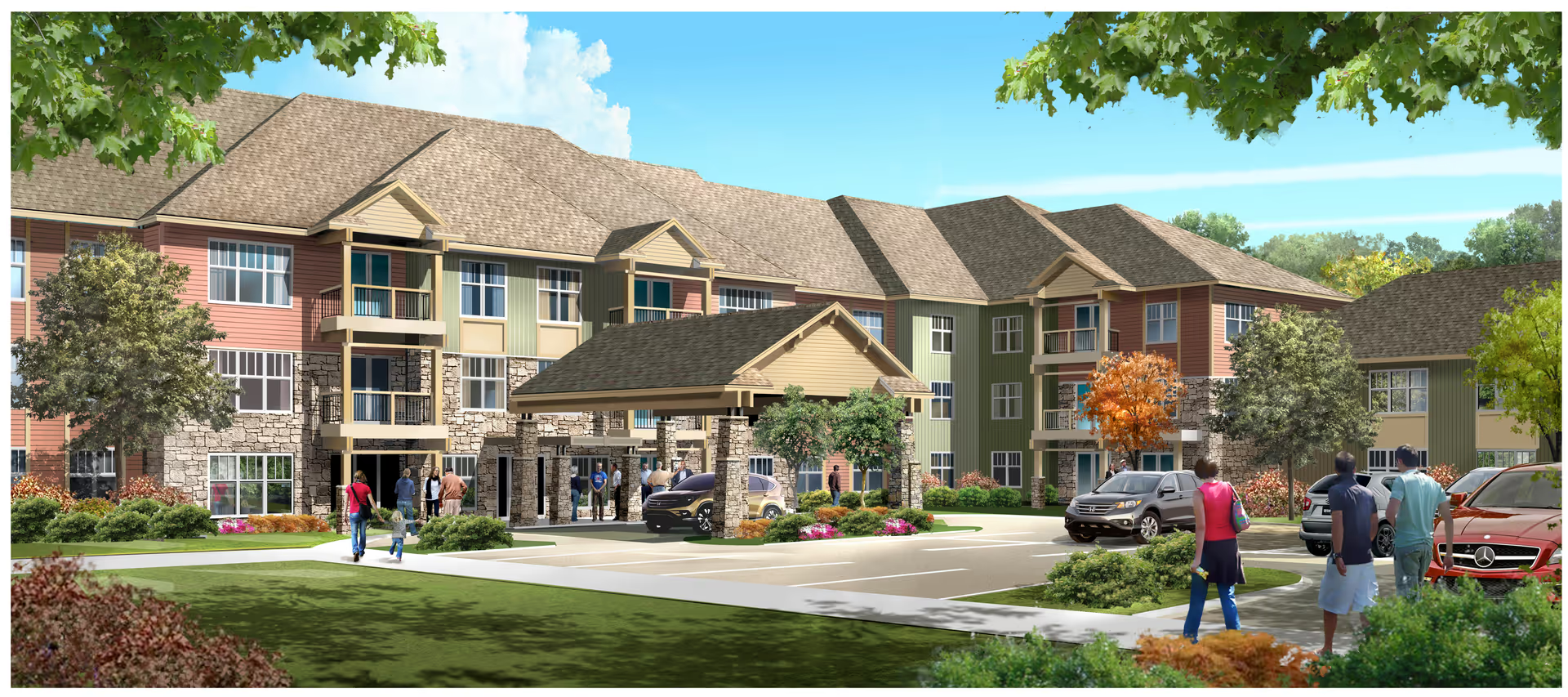
Edgewood Brainerd presents as an attractive, well-kept community with many operational strengths. Families consistently describe a clean, recently built facility with an elegant lobby, bright dining areas, wide halls suitable for mobility devices, and a one-level layout that is convenient for many residents. The community layout separates memory care from assisted living, and reviewers frequently praised the home-like one-bedroom apartments and overall decoration and ambiance.
Care quality and staffing show a mixed but generally positive profile. Numerous families highlighted caring, responsive staff members, a compassionate memory-care director, and responsive nursing involvement. Staff availability, frequent safety checks in memory care, and front-desk accessibility were noted as positives. At the same time, there is a pattern of variability: some reviews describe concerns about staff conduct and communication tone, and staffing rotations or occasional shortages have been linked to lapses in service consistency. Several reviewers raised an allegation regarding end-of-life care communication and discharge decisions; this points to a need for clearer expectations and written policies around transitions and advance care planning.
Dining and activities are frequently cited strengths. Meals are described as home-style with variety and generally good taste, and the community offers multiple meal choices. Activity programming is robust on many days — exercise classes, trivia, arts and baking groups, live entertainment, sing-alongs, and off-site outings such as pontoon boat rides and bus trips are part of the calendar. Reviewers also noted an active memory-care program with art activities and an engaged activity director. That said, activity delivery can be inconsistent at times (pandemic impacts and staffing pressures were mentioned as causes), and some families reported that promised outings or outdoor time did not always occur as expected.
Facility operations and management communication are areas to probe during a visit. While many families praised helpful staff and a welcoming environment, others reported unexpected room changes, handling of personal furnishings, and delayed or unclear setup of clinical services. Specific operational themes include inconsistent approaches to personal-care tasks (including skin-care attention), uneven medication/OTC administration processes, and meal-timing inflexibility that can disadvantage late risers. Memory-care physical spaces were described by some as small or restrictive, which may affect perceptions of safety and freedom of movement.
Overall, Edgewood Brainerd tends to score well on cleanliness, amenity quality, dining, and activity variety, with many families recommending it for its staff and atmosphere. The notable patterns of variability — in management transparency, continuity of caregiver assignments, and consistency of certain clinical and activity services — suggest prospective residents and families should tour the community, ask for written policies on room changes, care transitions, medication/OTC administration, staffing ratios, and a current activity calendar, and observe a mealtime and an activity to confirm day-to-day experience meets expectations.