Legacy of Delano Senior Living presents a mixed picture: the community is frequently described as clean, welcoming, and conveniently located, with recently renovated units and an open-concept design that supports socialization. Families and residents commonly praise the friendly, attentive housekeeping and maintenance teams, prompt routine maintenance response, and an inviting dining room and common areas. The community offers a robust calendar—morning exercise, ecumenical services, regular outings (including Thursday trips), and meaningful activity programming—which many residents find engaging. The cost point and some individual staff members drew positive comment as well.
Care and staffing appear to be strengths in routine domains: staff are often characterized as kind, respectful, and responsive for everyday needs, and leadership and teamwork receive favorable mentions. At the same time, reviewers describe variability in clinical and emergency-level responsiveness. Several accounts point to delayed responses to personal-assistance calls and slow fall-button follow-up, suggesting gaps in response-time consistency and the need for deeper clinical experience on some shifts. These observations translate to a facility-level concern about staffing experience, training, and emergency-response protocols rather than a uniformly poor care environment.
Dining emerges as a notable area of discrepancy. While some reviewers singled out kitchen staff for going the extra mile, others described inconsistent meal quality, an overreliance on reheated or carbohydrate-heavy offerings, and particular issues with memory-care meal preparation. Taken together, these comments indicate uneven culinary leadership and process control in the kitchen: prospective families should clarify menu planning, staffing of cooks versus preparatory staff, and accommodations for special diets or memory-care needs.
Activities and social life are strengths for many residents—there is frequent programming, group exercise, and outings—yet a few reviewers found the activity mix less suited to newcomers or certain demographics (for example, fewer offerings perceived as appealing to men). Social integration for new residents can sometimes be slow, and the chapel or multipurpose rooms are used flexibly rather than having a dedicated fitness room, which constrains program space.
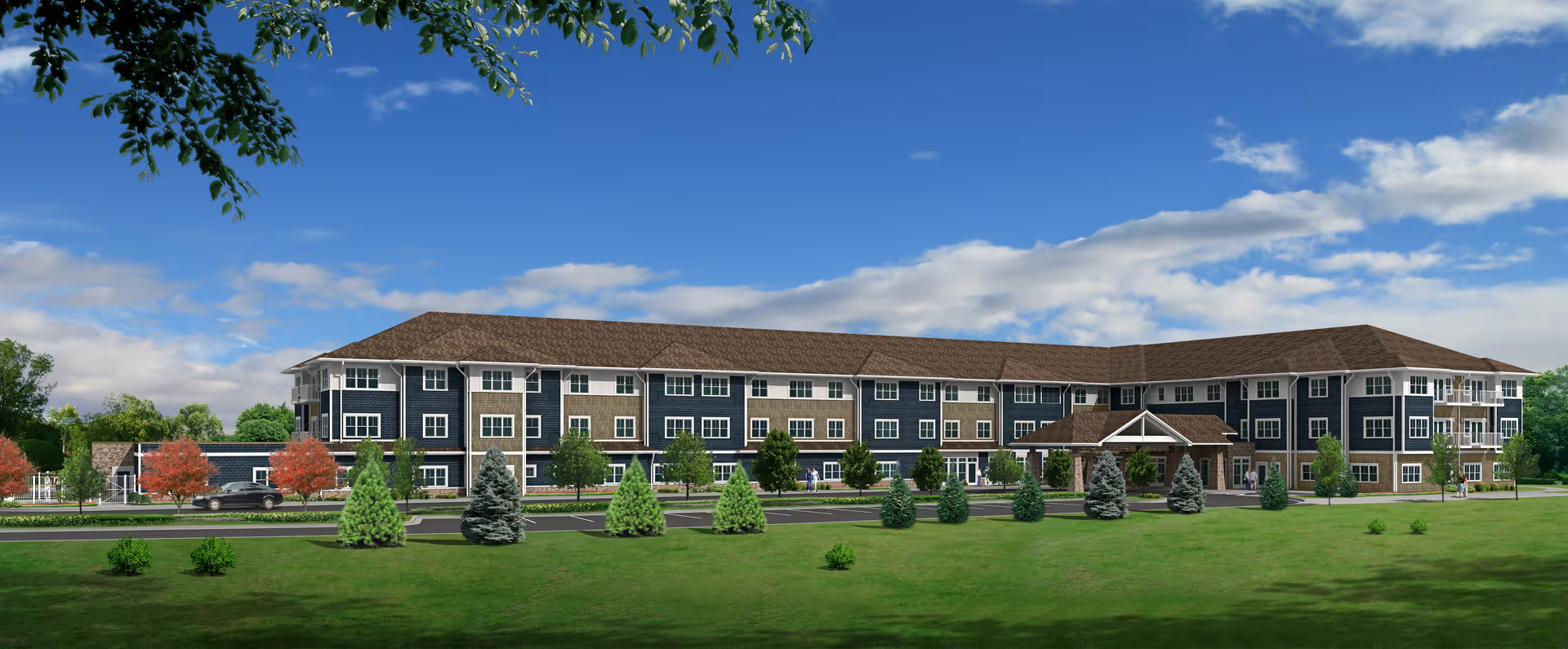
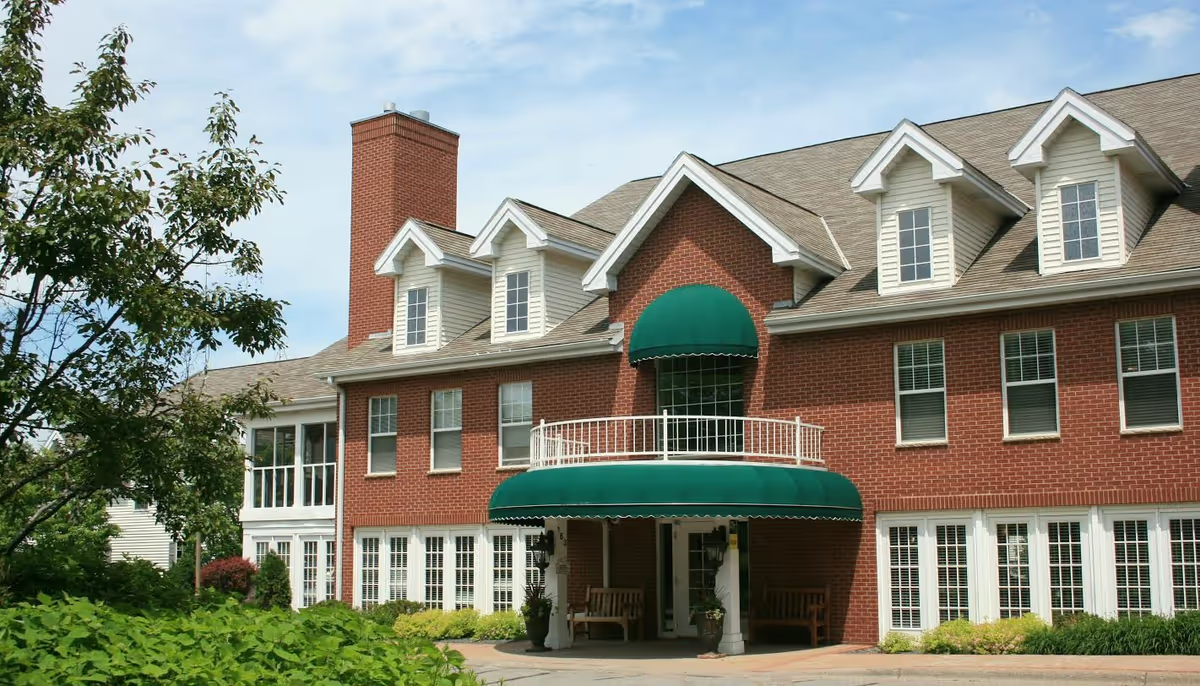
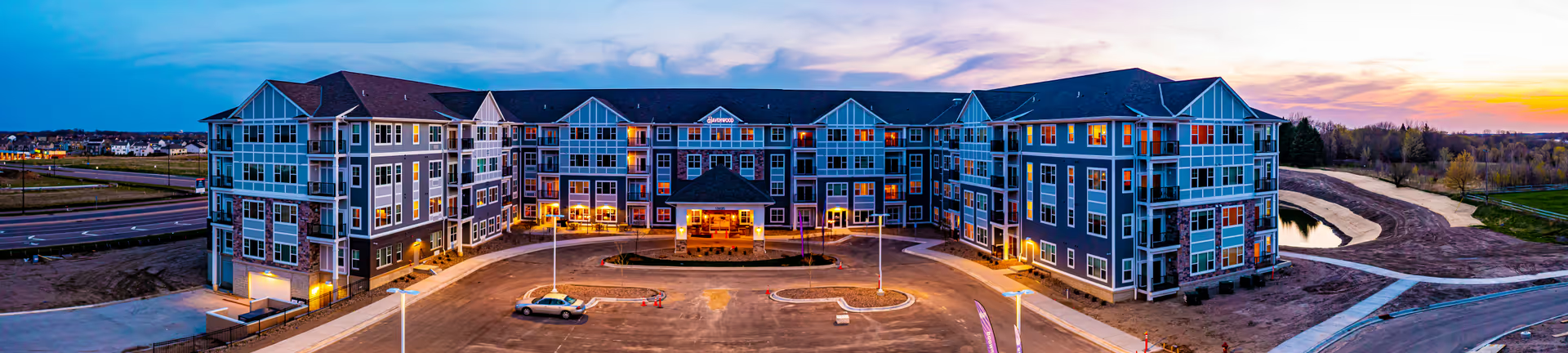
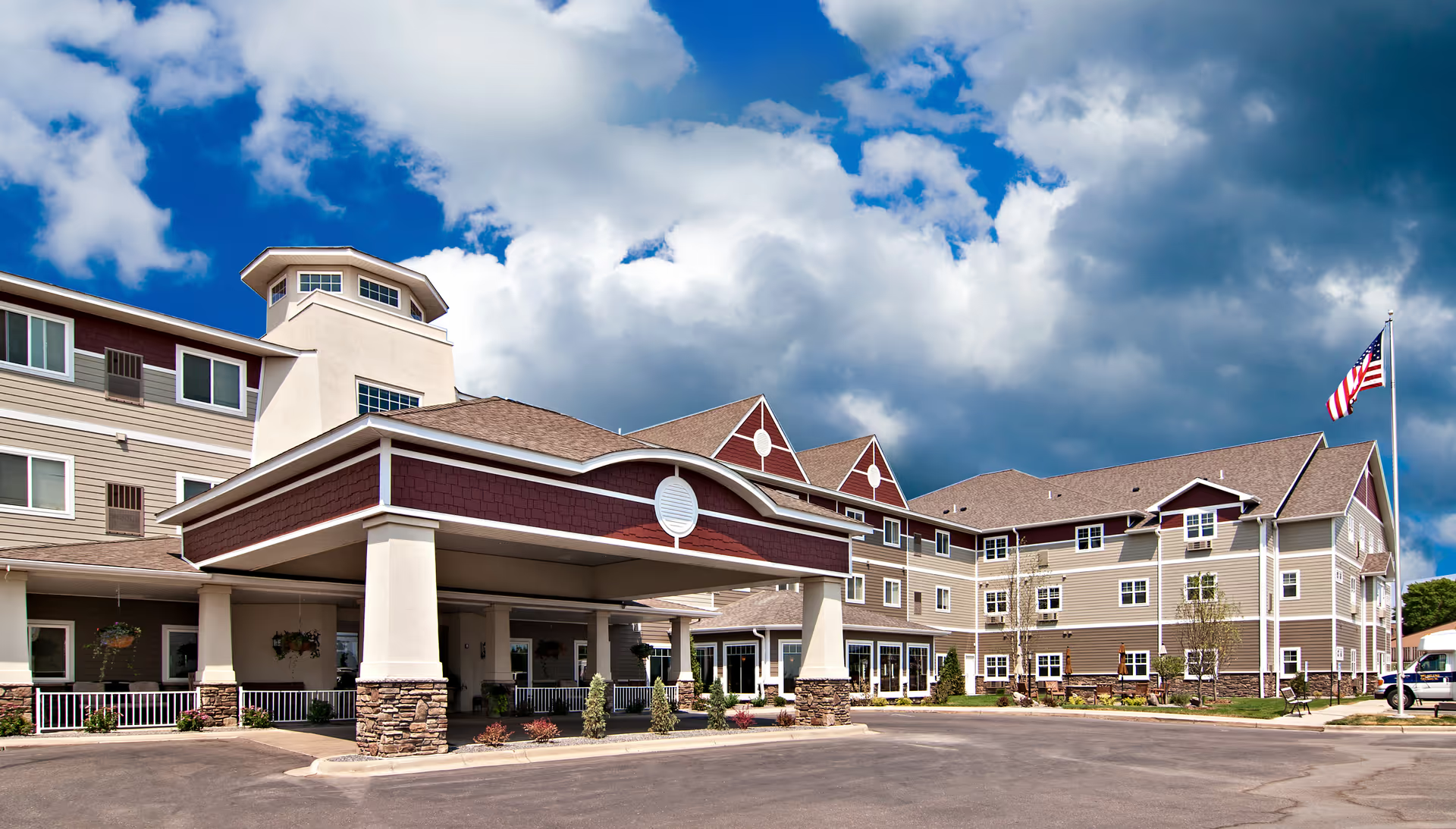
Facility amenities receive mixed feedback. The building is described as well-kept and odor-free with renovated memory-care space, but private apartment sizes are characterized as small and there is limited parking infrastructure (no covered or heated parking). On-site amenity gaps include the absence of a dedicated exercise room and other comforts that may matter to some families.
Administrative and management patterns deserve scrutiny during a tour. Positive references to strong leadership and helpful staff coexist with concerns about payroll administration, staff overwork, and rigid financial terms such as nonrefundable deposits and post-move-out billing. There are also isolated, serious claims regarding governance and financial conduct; these are not part of routine operational feedback but are significant enough that prospective residents should ask management about governance, billing practices, and staff-payroll procedures.
Recommendation: Prospective residents and families should tour at different times of day, observe mealtimes in both assisted- and memory-care areas, and attend an activity to assess cultural fit. Ask for specifics on staffing ratios, emergency response times and protocols, culinary leadership, sample menus and special-diet accommodations, parking options, amenity plans, and written financial policies (deposit/refund terms and final-billing procedures). Doing so will help validate the many positive aspects reviewers note while clarifying operational areas where the facility has room for improvement.