The reviews portray Parks' Place Memory Care as a facility with many operational strengths centered on person-centered memory care. Care quality is frequently described as attentive and compassionate, supported by a high staff-to-resident ratio and a cohesive caregiving team. Families commonly note that residents appear more alert and content, and that staff build social bonds and lasting friendships among residents. The presence of a hospice program is identified as a complementary service for residents requiring end-of-life support.
Staffing and the social climate are recurring positives: multiple reviewers highlight well-coordinated staff, consistent caregiving, and a family-like atmosphere. Communication is often praised for being outstanding, with staff facilitating daily connection and family involvement. At the same time, a minority of accounts raise concerns about staff conduct and the tone of some interactions; those comments suggest occasional lapses in how staff communicate with family members and residents.
Dining and programming are strong aspects of the community. Dining is described as high quality and customizable, with references to five-star meals and individualized choices. The activities program is extensive and adapted to cognitive abilities — multiple activity leaders run a varied schedule including media-room programming, nature videos during meals, and use of versatile social spaces. Reviewers describe residents as engaged, happier, and forming meaningful friendships as a result of the programming.
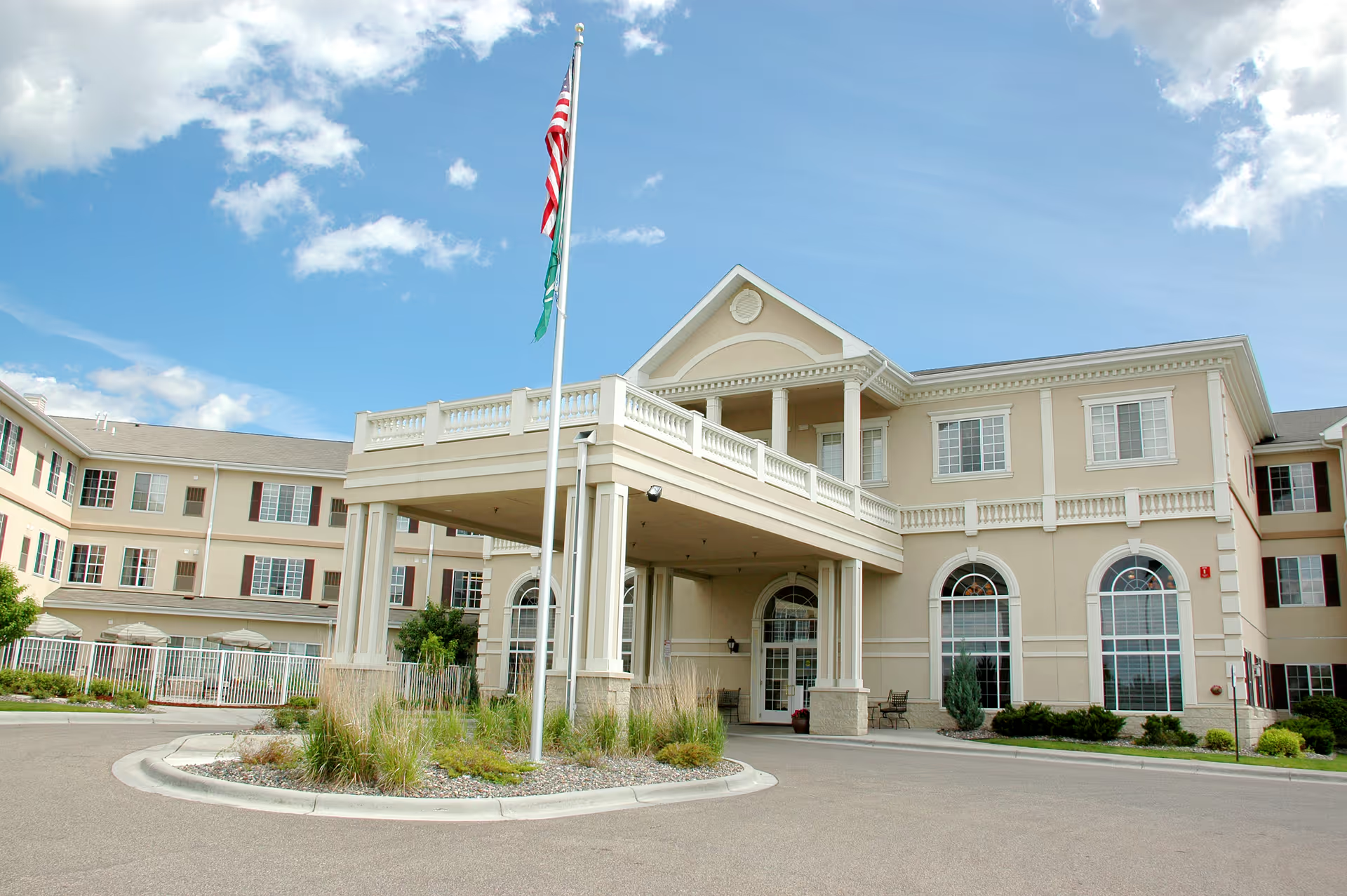
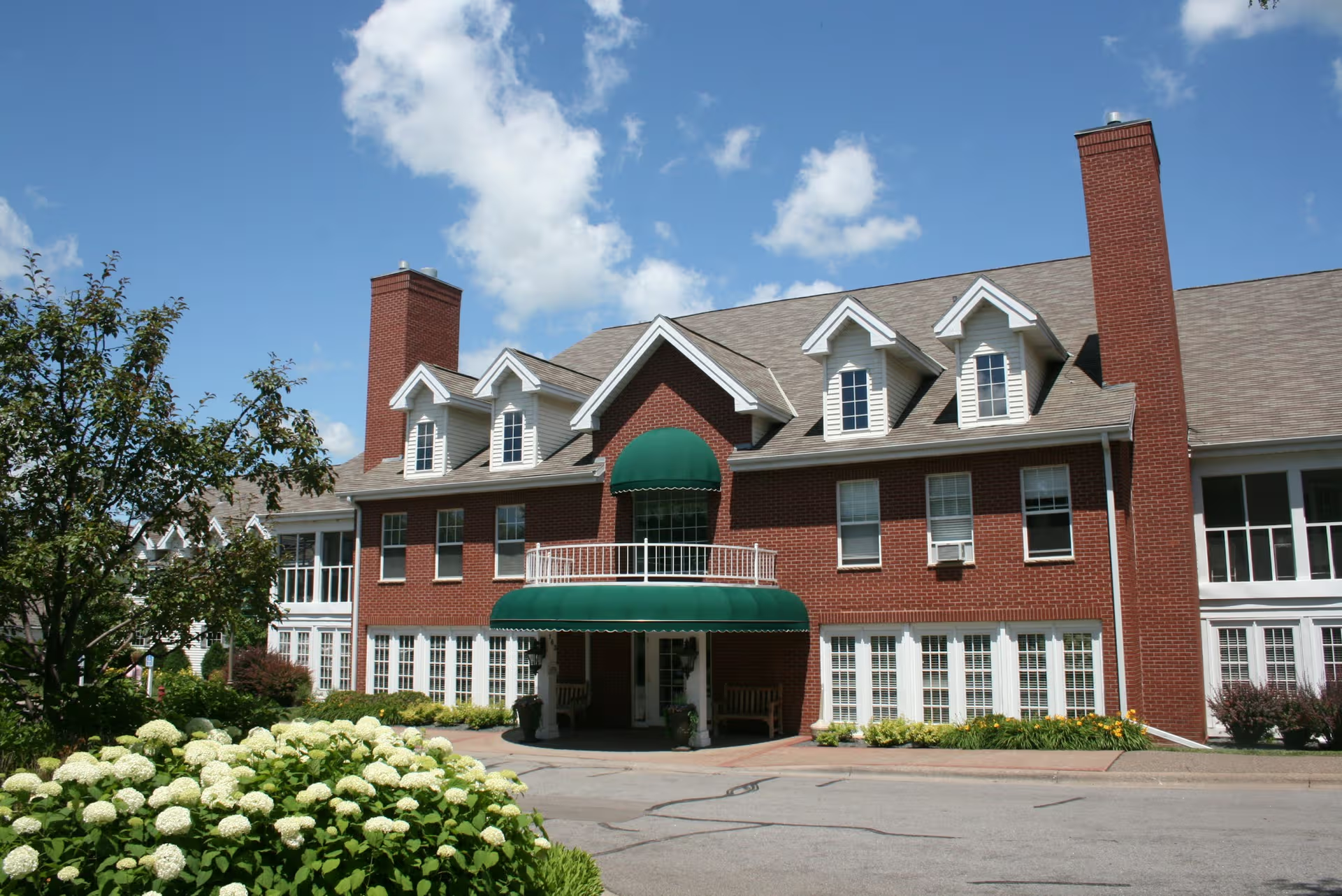
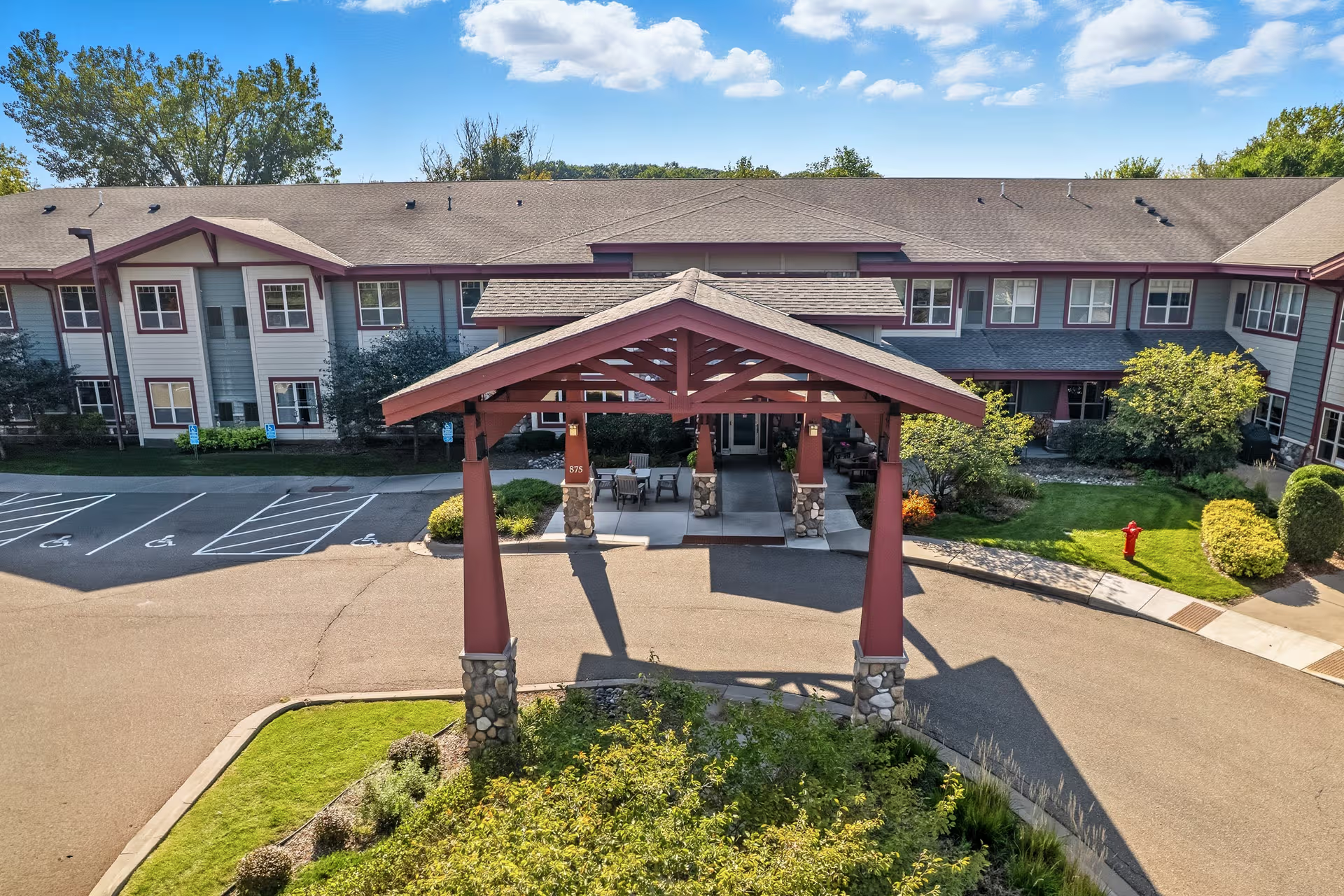
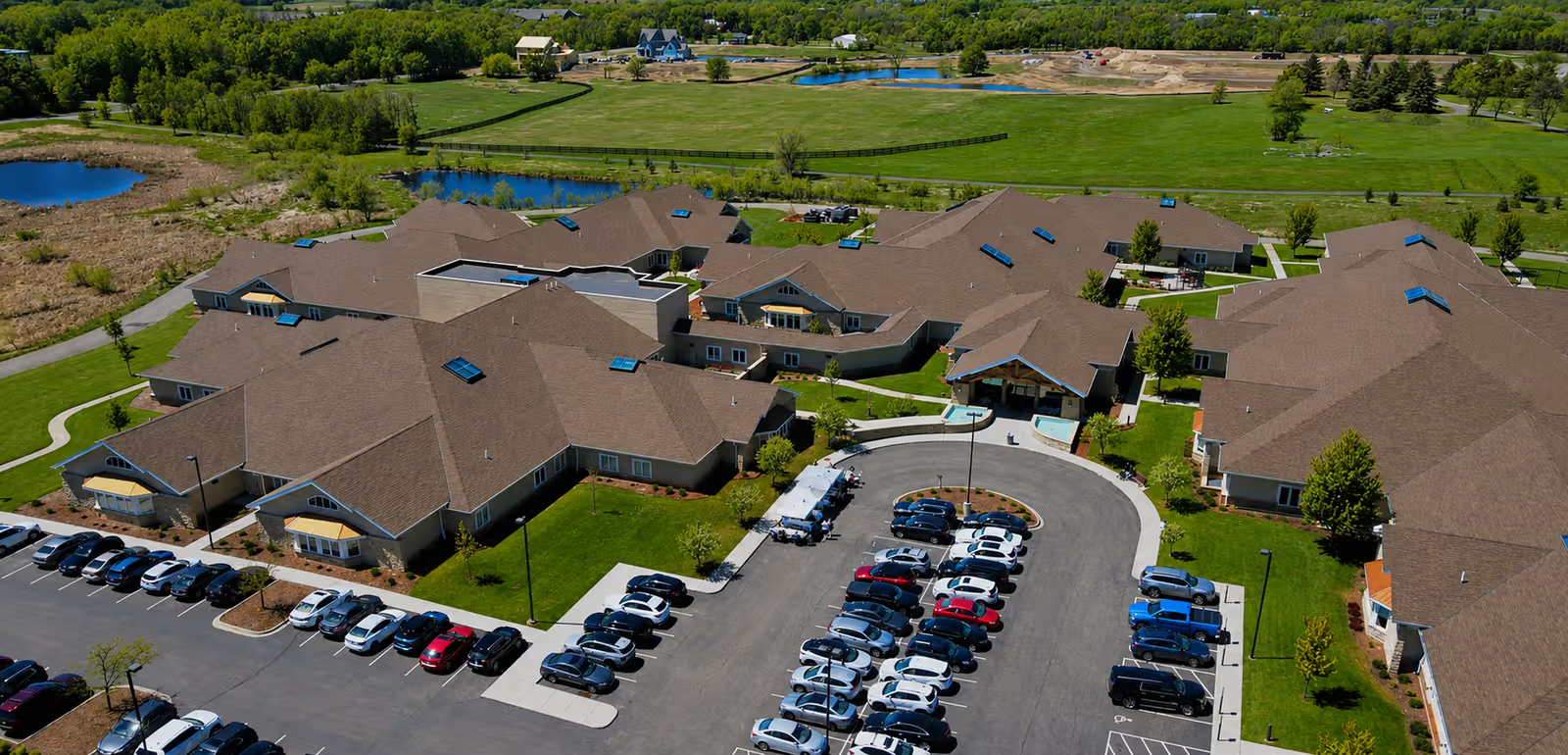
The physical environment receives consistent praise: reviewers mention a well-maintained, attractive building with bright common areas, a sunroom/four-season porch, dining room, hair salon, media room, and shaded outdoor seating. Safety and sanitation practices are noted positively alongside the aesthetic upkeep, contributing to a calm, caring climate.
Notable patterns across the feedback include an overall high level of satisfaction with daily care, activities, and facilities, paired with isolated but significant concerns about the facility's ability to manage certain higher-acuity or more complex care needs. Several families describe situations where explanations were insufficient or responsiveness to questions felt dismissive. A small number of more serious allegations—framed in the reviews as discriminatory conduct by staff—warrant direct inquiry from prospective families.
For prospective residents and families, the available information suggests that Parks' Place is strong in routine memory-care services, social engagement, dining, and environment. Visitors should confirm the facility's capacity for specific clinical requirements, ask for examples of how complex care needs are managed, and review communication and escalation protocols. Requesting references, observing interactions during a visit, and discussing staff training on conduct and non-discrimination can help assess whether the facility’s strengths align with a household’s particular clinical and interpersonal expectations.