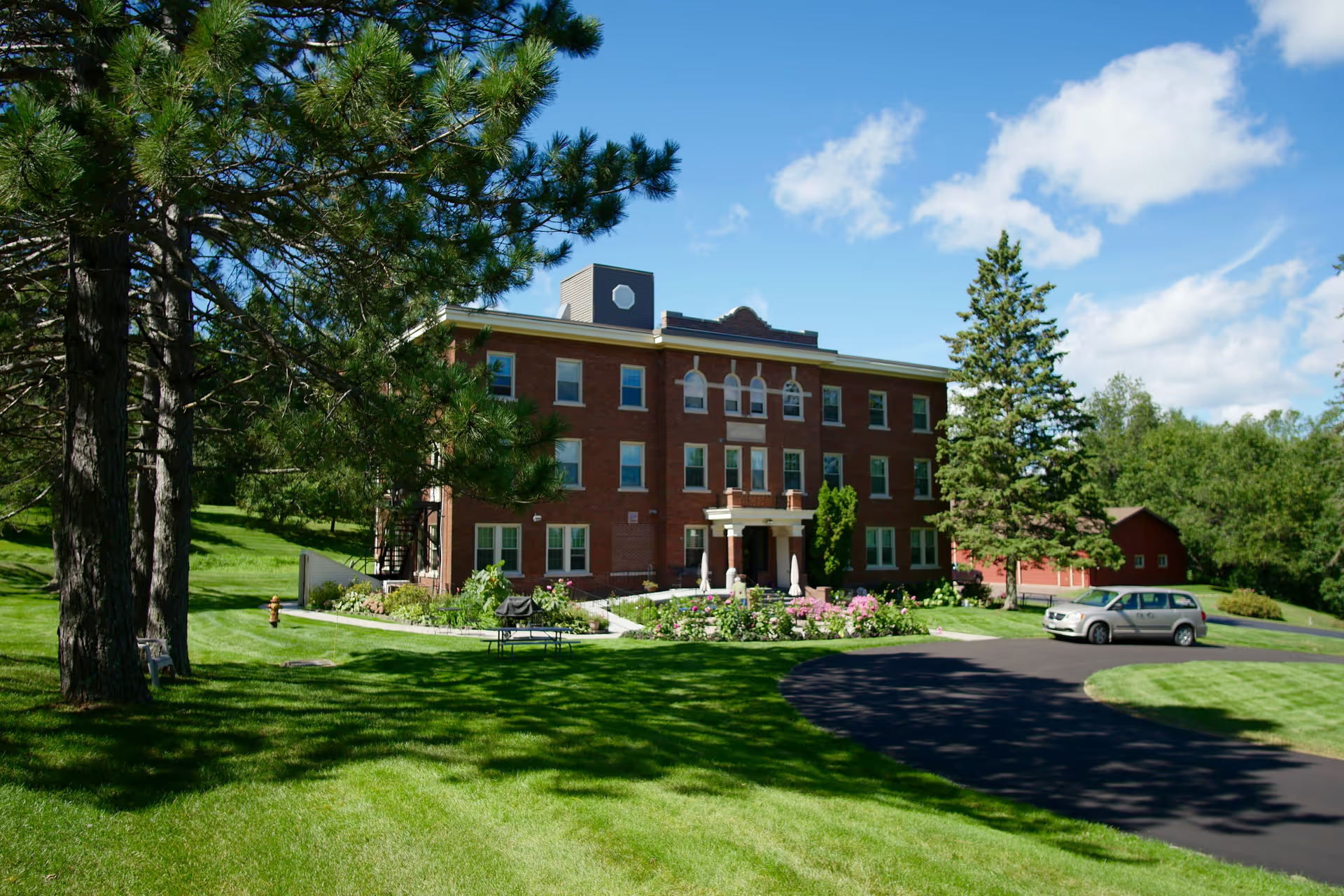
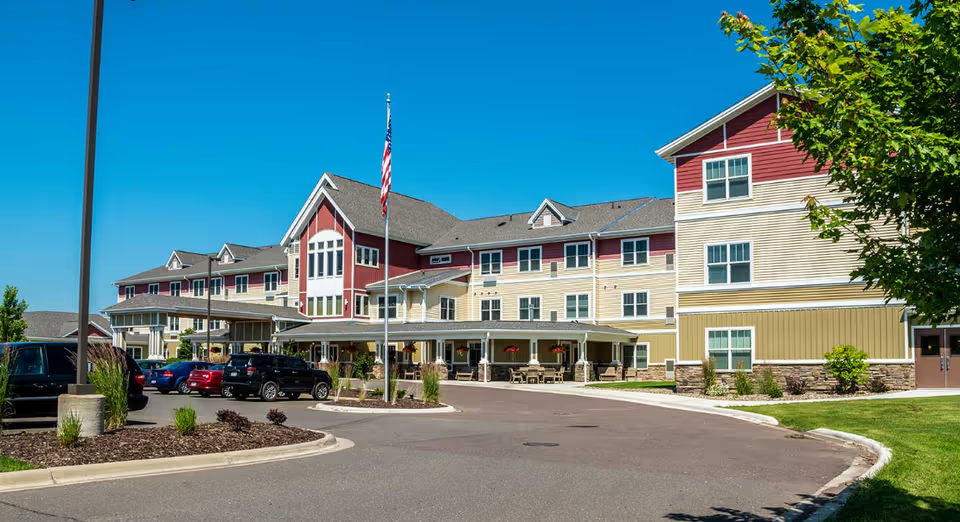
Benedictine Living Community–Duluth elicits strongly polarized impressions. Many families and residents praise the clinical side of the campus: therapists (PT and OT) and rehabilitation staff receive frequent commendation for restoring function, coordinating discharge, and using a whole-person approach. Short-term rehab and outpatient transition support are clear strengths. The memory-care program and dementia‑area teams are also frequently described as providing individualized, compassionate care that adapts to changing needs. Physical plant attributes—including sunny rooms, a courtyard and gardens, salon, library, chapel and transportation—are consistently seen as positive contributors to resident quality of life.
At the same time, reviewers point to operational inconsistencies that affect day‑to‑day experience. Staffing levels are described as variable, with particular strain overnight and reliance on agency aides leading to uneven continuity of care. Families report delayed responses to needs and call lights, limited staff visibility in hallways and common areas, and inconsistent caregiver performance. These patterns are linked to gaps in sanitation and incontinence‑care practices in some units, as well as episodic lapses in attention to other basic needs. A small number of serious allegations concerning staff conduct amplify concerns about oversight and workplace culture.
Administration and business practices receive mixed marks. Some reviewers note engaged leadership and respectful communication; others describe poor follow‑through, billing mistakes, and miscommunication about level-of-care transitions. These administrative issues have, in a few cases, resulted in unexpected charges or difficult move coordination. Nutrition and dining are generally adequate—menu information and appealing dishes are reported—but there are recurring comments about inconsistent meal quality and nutritional attention for some residents.
Activities and social programming are strengths for many residents: music, games, outings and religious services contribute to social engagement and emotional well‑being. The campus layout, indoor amenities and outdoor spaces support therapy and recreation. Overall, experiences appear to vary by unit and by shift. Prospective residents and families who value strong rehab services, a faith‑based culture, and attractive grounds will find many positive elements here; those for whom consistent 24/7 bedside reliability, tight administrative accountability, and uniform caregiver continuity are the top priorities should inquire specifically about staffing patterns, night coverage, sanitation protocols, billing controls, and how the facility manages agency staff and incident follow‑up before committing.