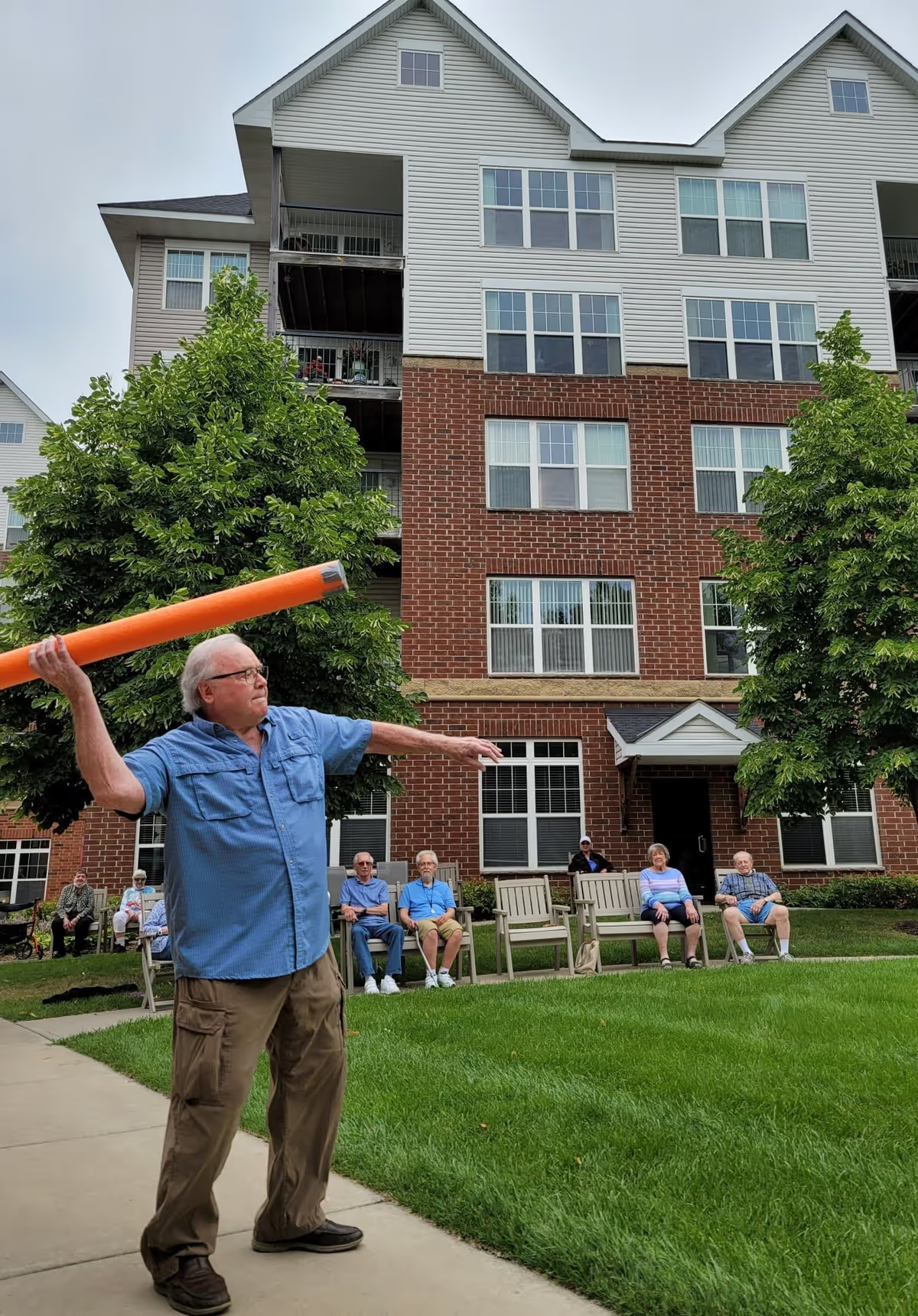
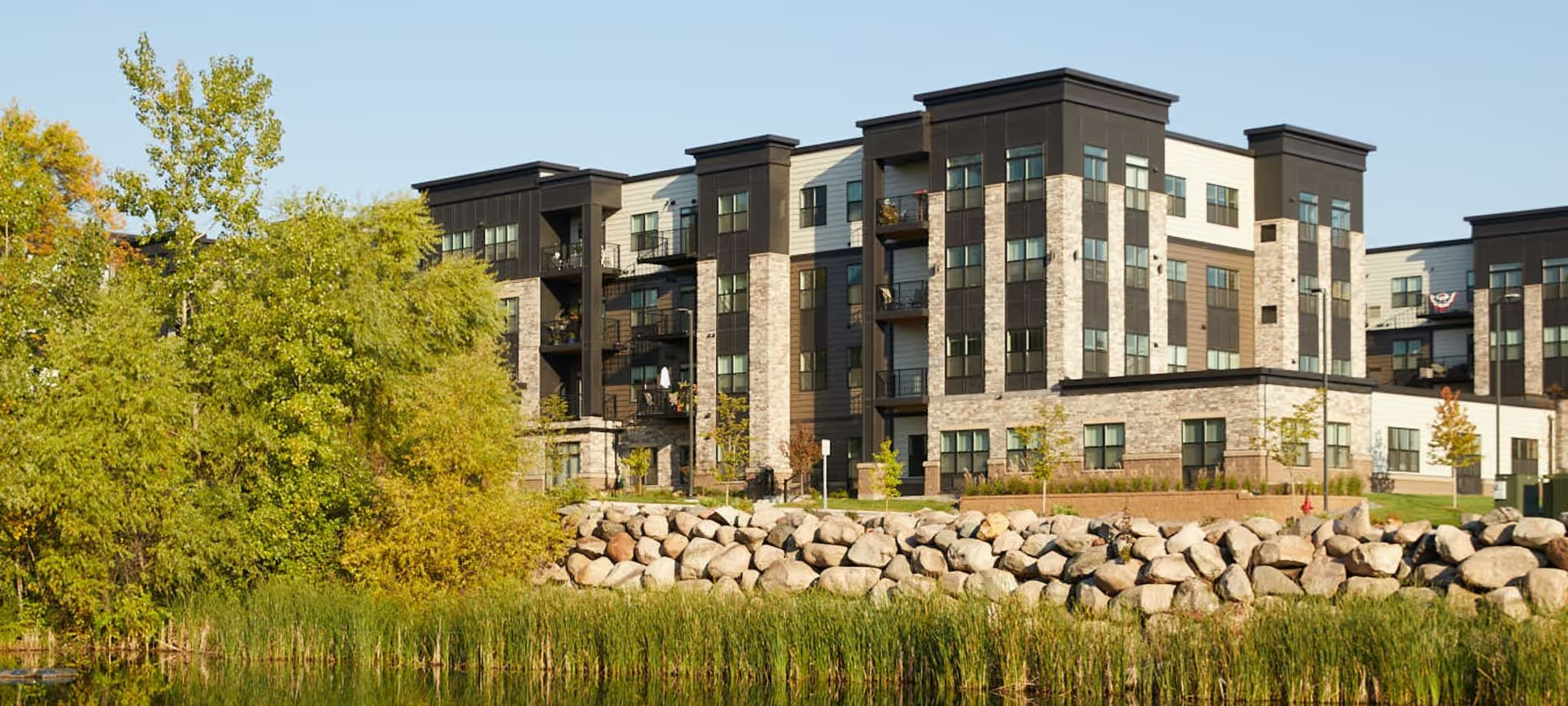
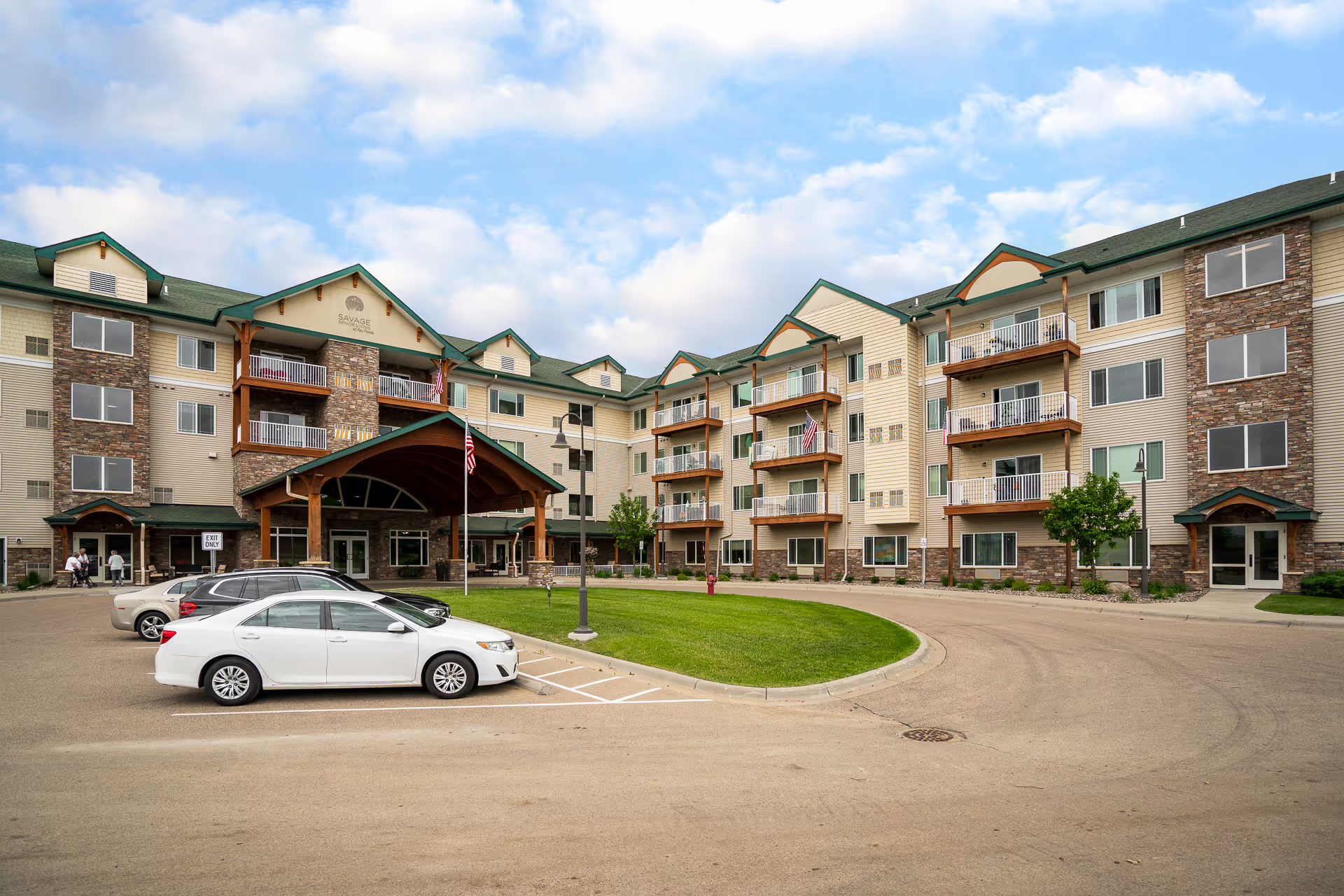
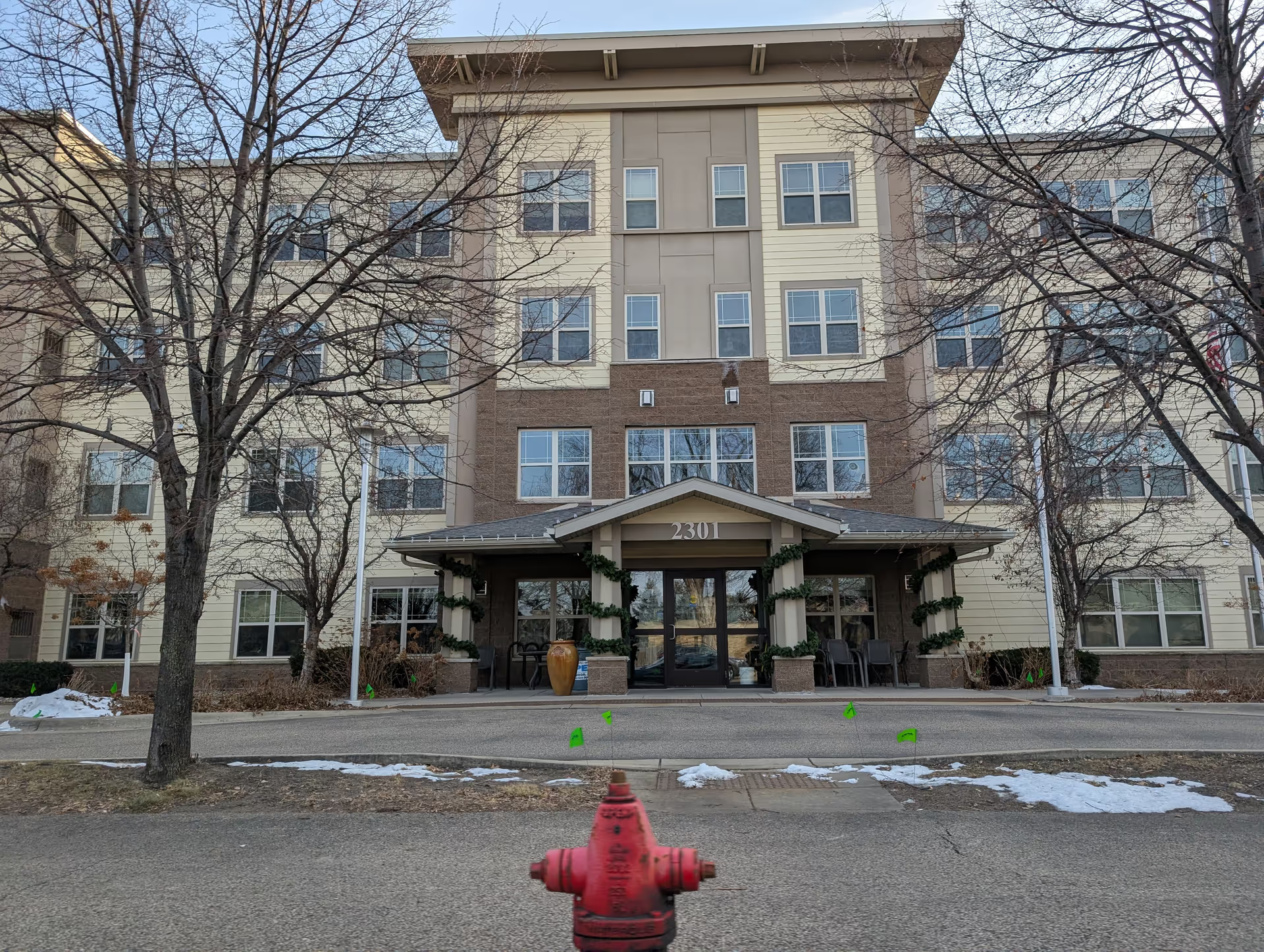
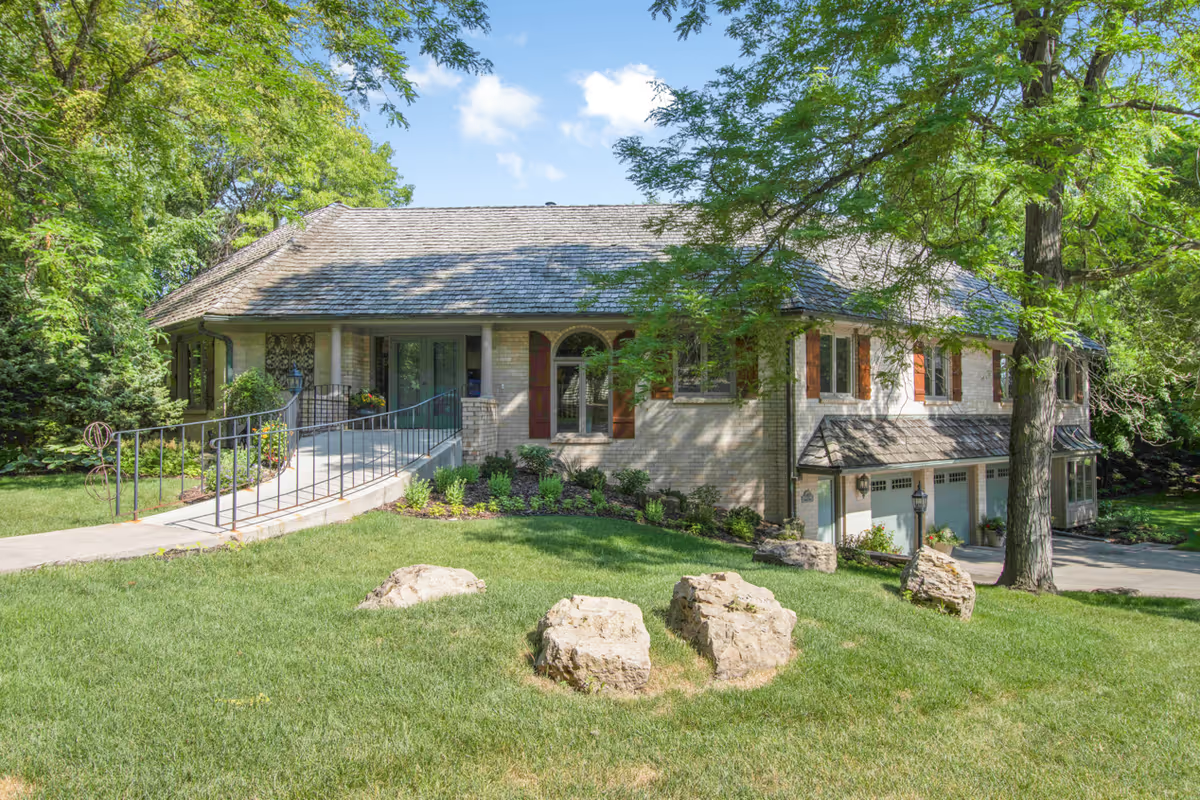
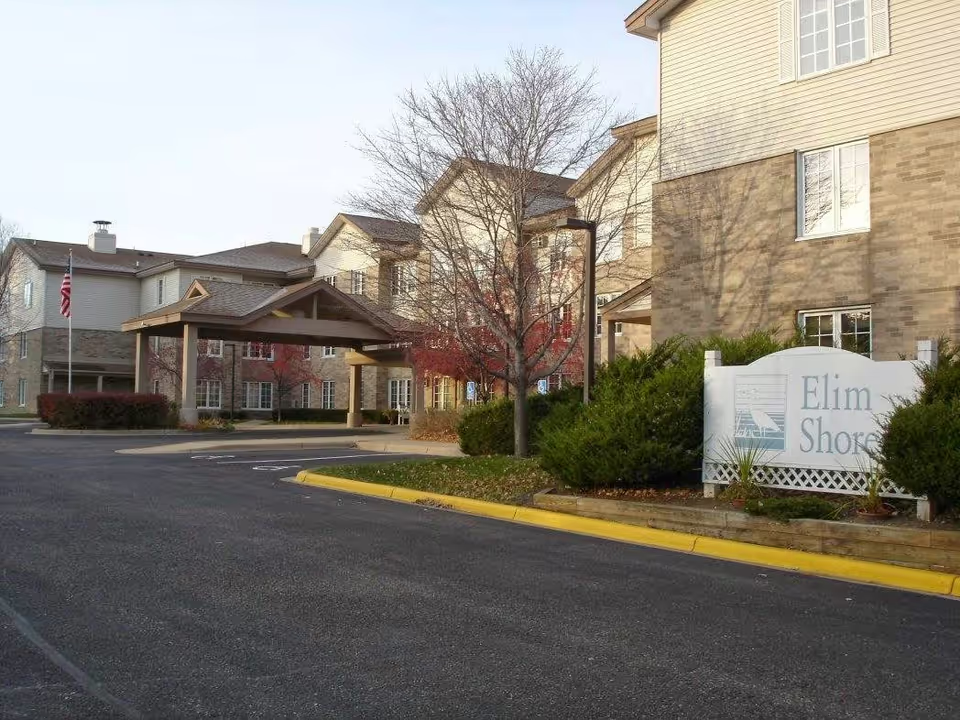
Prairie Bluffs Senior Living presents a mixed profile. Many reviewers describe a modern, well-maintained community with attractive apartments, a range of amenities, and a strong activity program. The facility's physical environment is frequently praised: contemporary finishes, organized common areas, on-site features such as a bistro, beauty shop, movie theater, exercise space, and concierge/maintenance support contribute to a comfortable setting. The smaller scale of the community and an active calendar are commonly cited positives that foster social connection and a family-like atmosphere.
Care quality and staff performance are described variably. Numerous commenters highlight compassionate, attentive caregivers and engaging activity staff; several families specifically complimented individual nurses, maintenance, and dining staff for responsiveness and warmth. At the same time, a recurring operational theme involves clinical responsiveness and medication handling. Several reviewers raised concerns about medication delays, limited after-hours nurse coverage, long call-button response times, and gaps in documentation during hospital transfers. These issues point to potential weaknesses in clinical coverage, coordination, and continuity of care that prospective families should investigate further.
Management and organizational issues appear as another pattern. While some families report collaborative leadership and good communication with directors, others describe inconsistent leadership visibility, limited follow-through on commitments, and unclear billing or pricing information. There are also serious process-related allegations from a subset of reviewers about intrusive practices and coercive management behavior; these claims warrant direct inquiry with the provider and review of policy and oversight mechanisms. Housekeeping and laundry processes were noted as inconsistent in some accounts, indicating variability in operational execution.
Dining and activities are strengths for many residents. The community offers a range of menu options and regular programming (bingo, book club, singalongs, bus trips, guest speakers). Staff-run activities and smaller-group offerings support social engagement. At the same time, meal quality and consistency are described as variable, and activity availability appears more limited in some memory-care contexts. Prospective residents should confirm current menus, dining procedures, and the memory-care activity schedule during a visit.
For families concerned about memory care and clinical complexity, reviewers pointed to mixed experiences: compassionate interactions occur alongside cited instances of missed clinical tasks and questions about staff training. Outdoor access for memory-care residents was noted as limited by some reviewers. Cost is another consistent consideration; the community is perceived as high-cost by several families, and pricing or contract clarity was sometimes lacking.
Recommendation: prospective residents and families should weigh the facility’s strong physical environment, amenities, and social programming against the operational concerns highlighted by reviewers. When touring, ask specific questions about overnight and after-hours clinical coverage, call-response metrics, medication administration protocols, documentation and transfer procedures, staff training in dementia care, housekeeping and laundry workflows, privacy policies, and a full breakdown of fees and contract terms. Request examples of recent staffing ratios, meet the director of nursing, and seek references from current families to get a clearer, up-to-date picture of daily operations and leadership responsiveness.