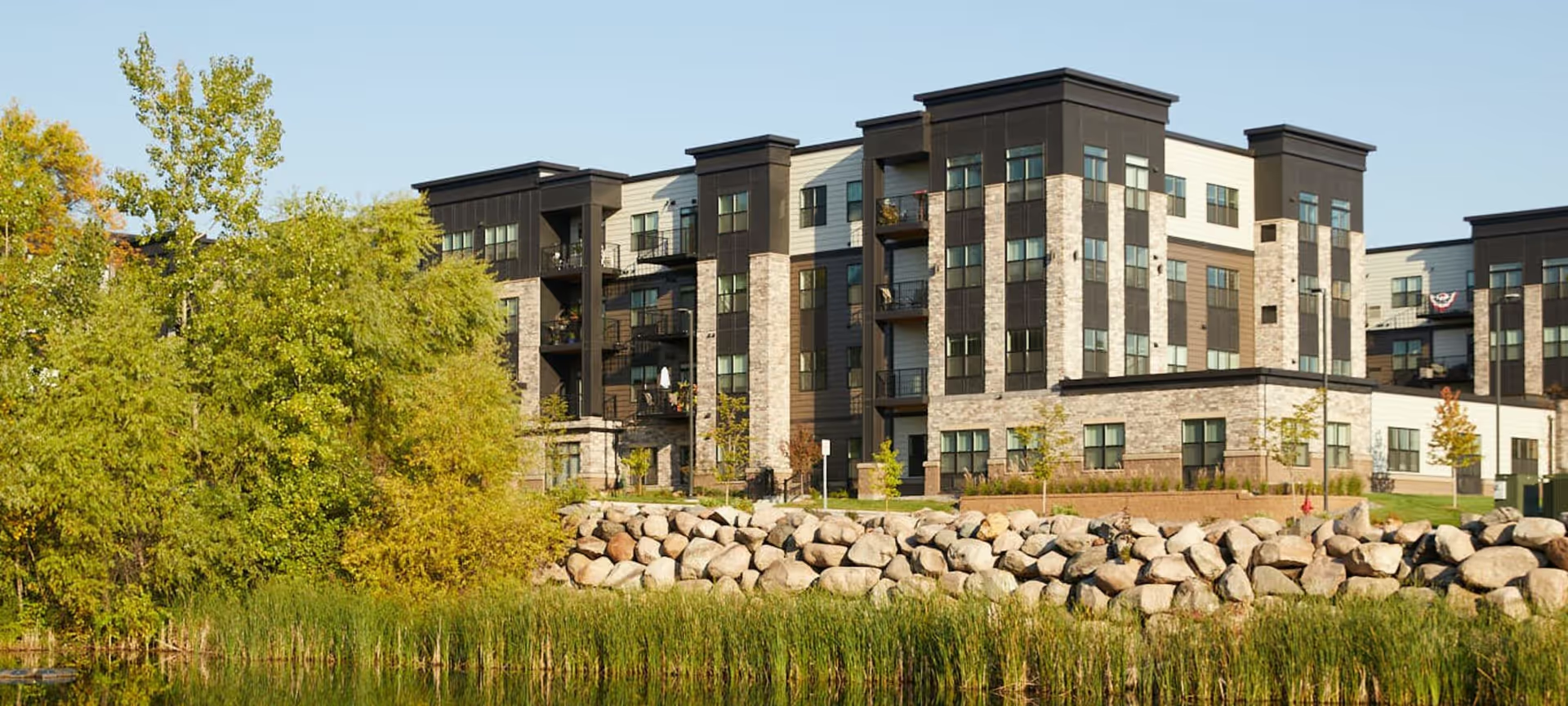
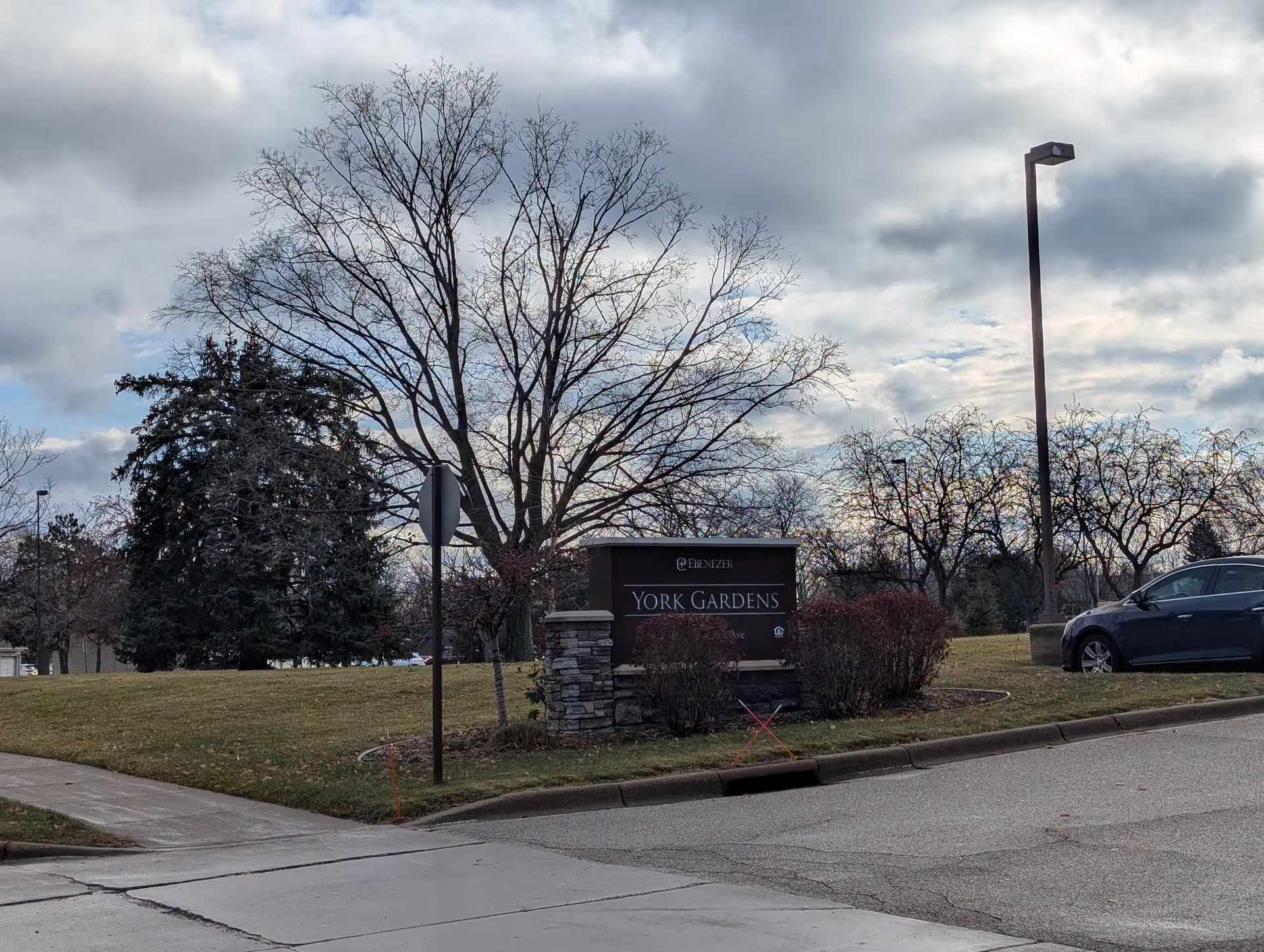
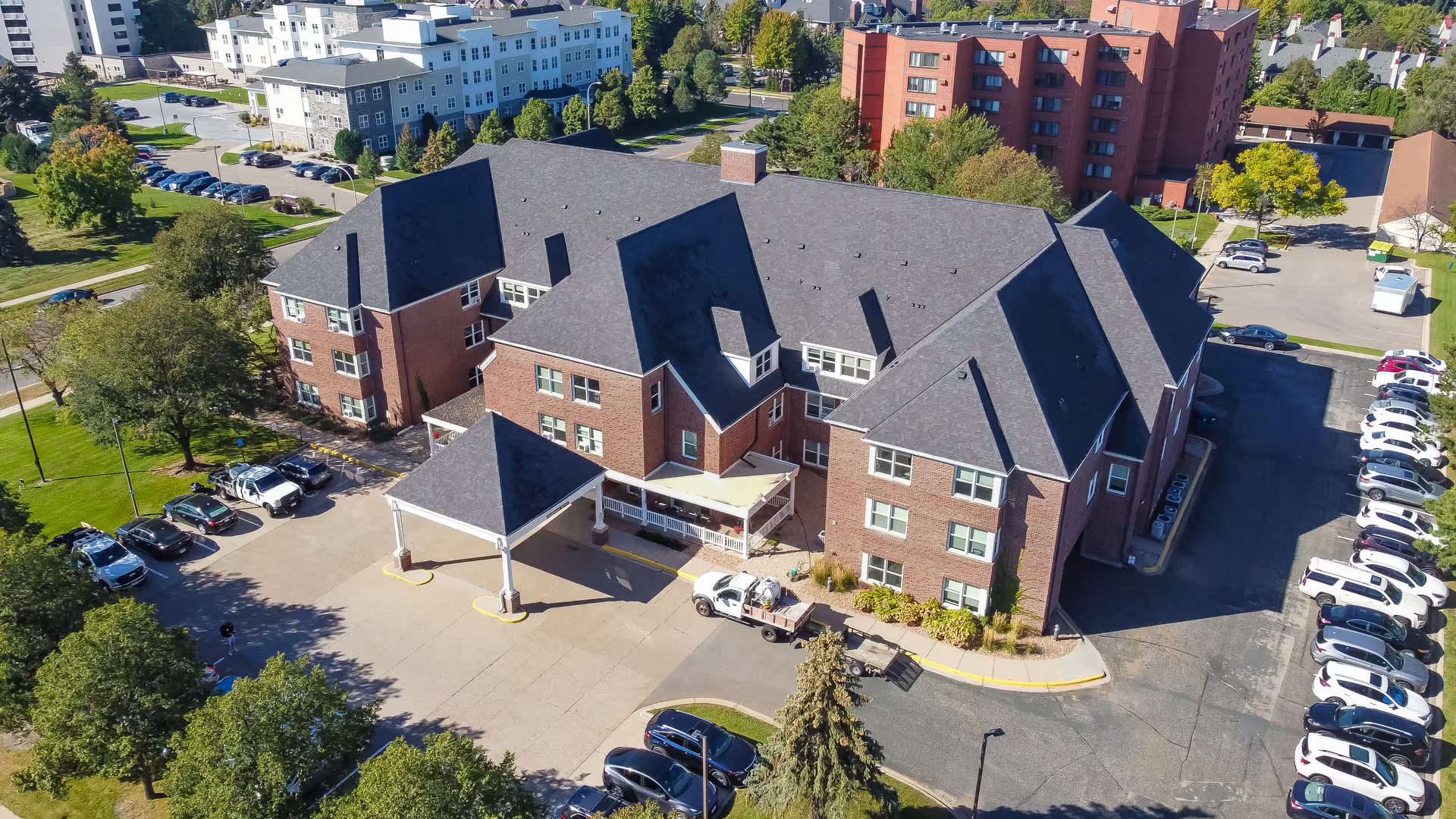
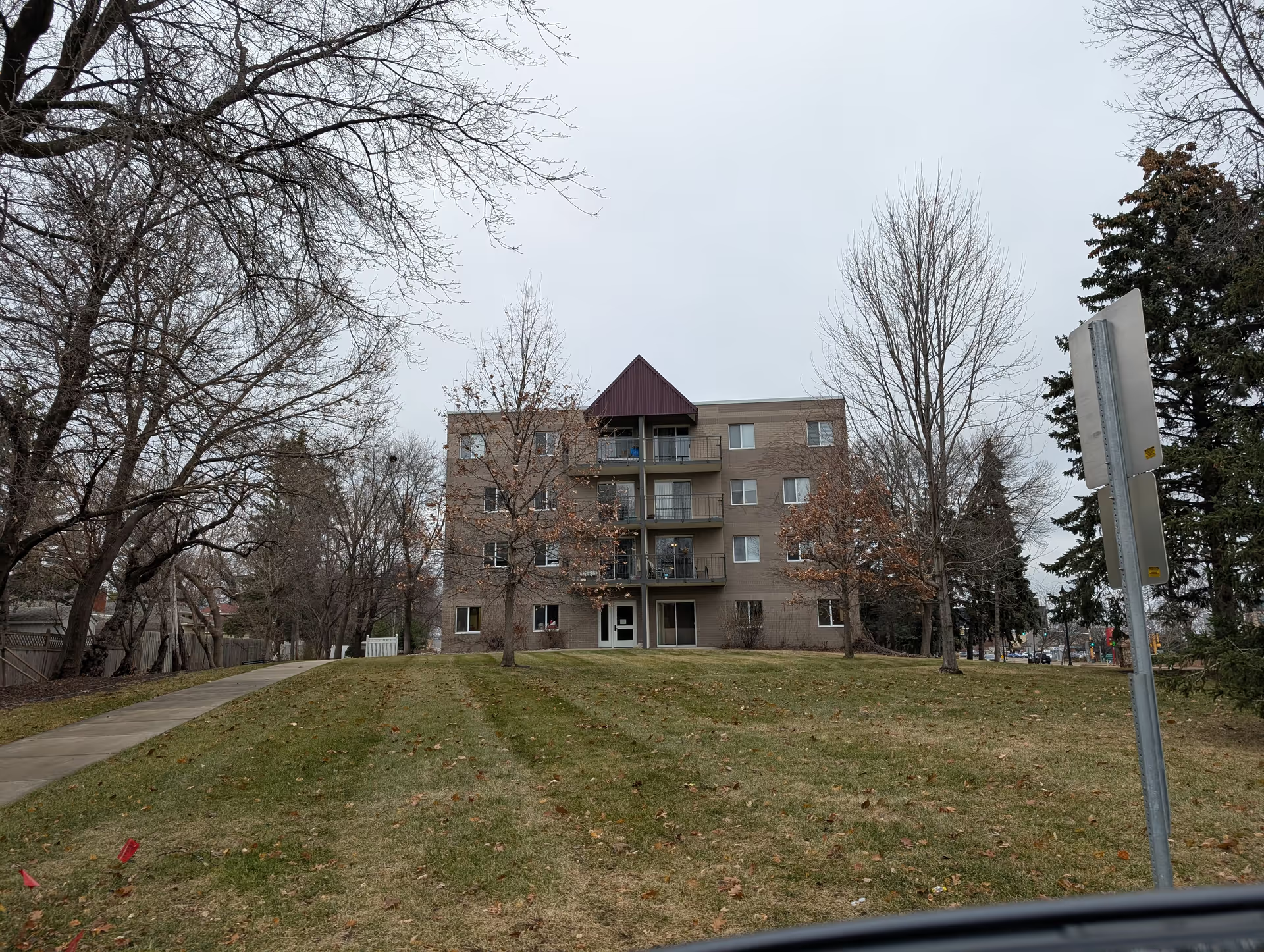
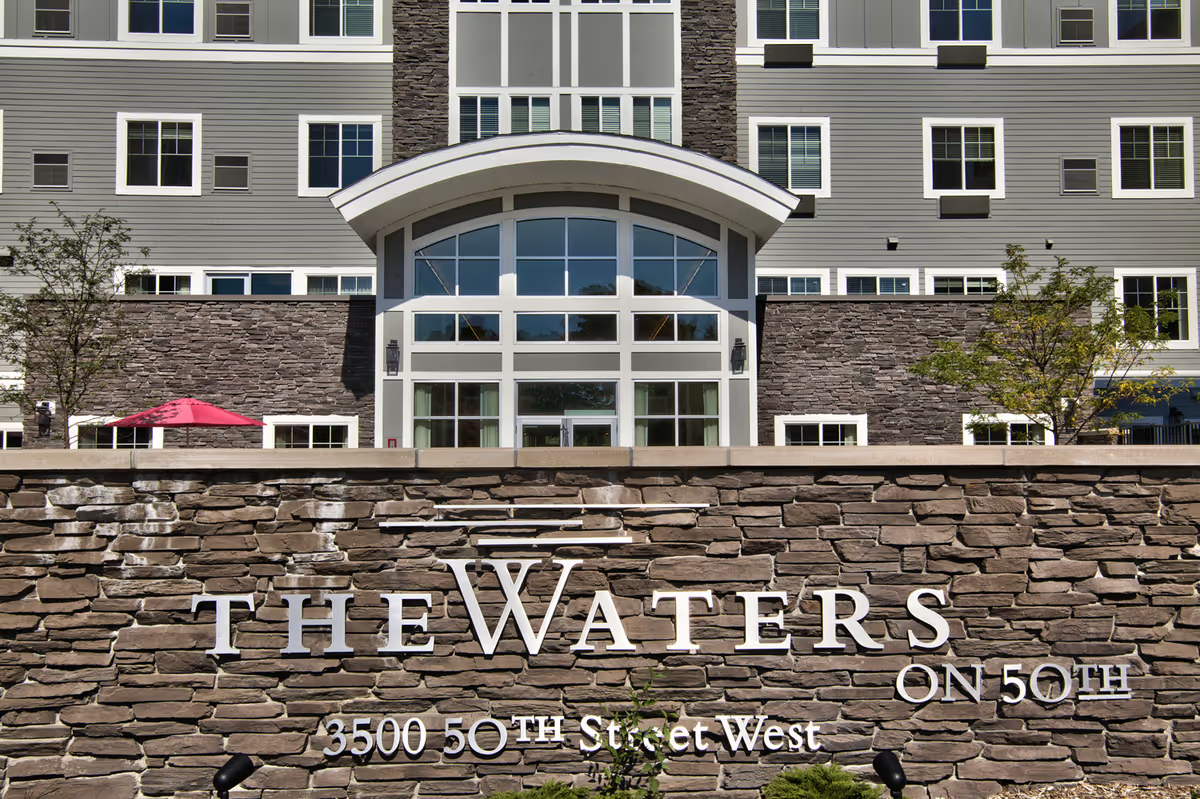
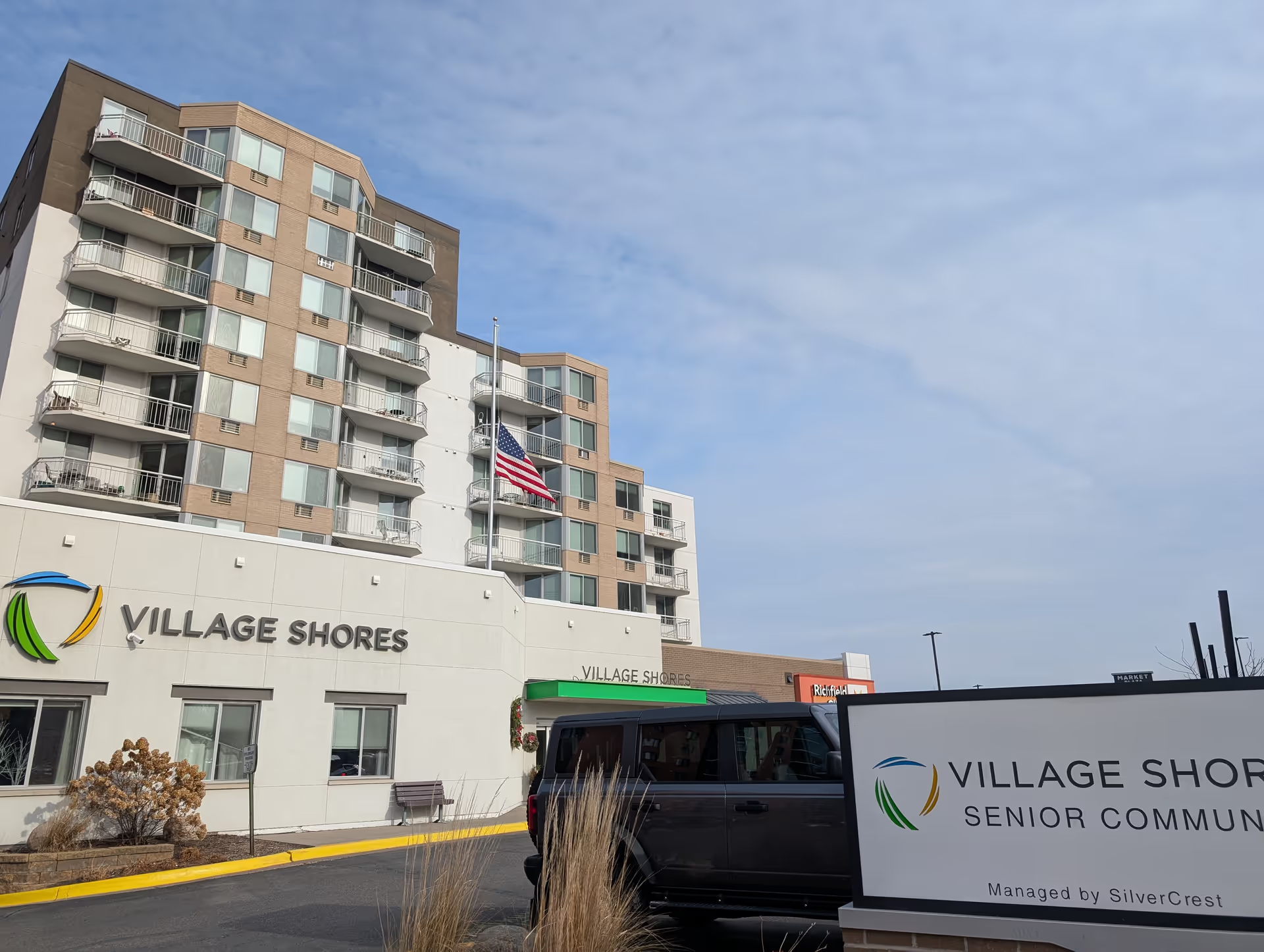
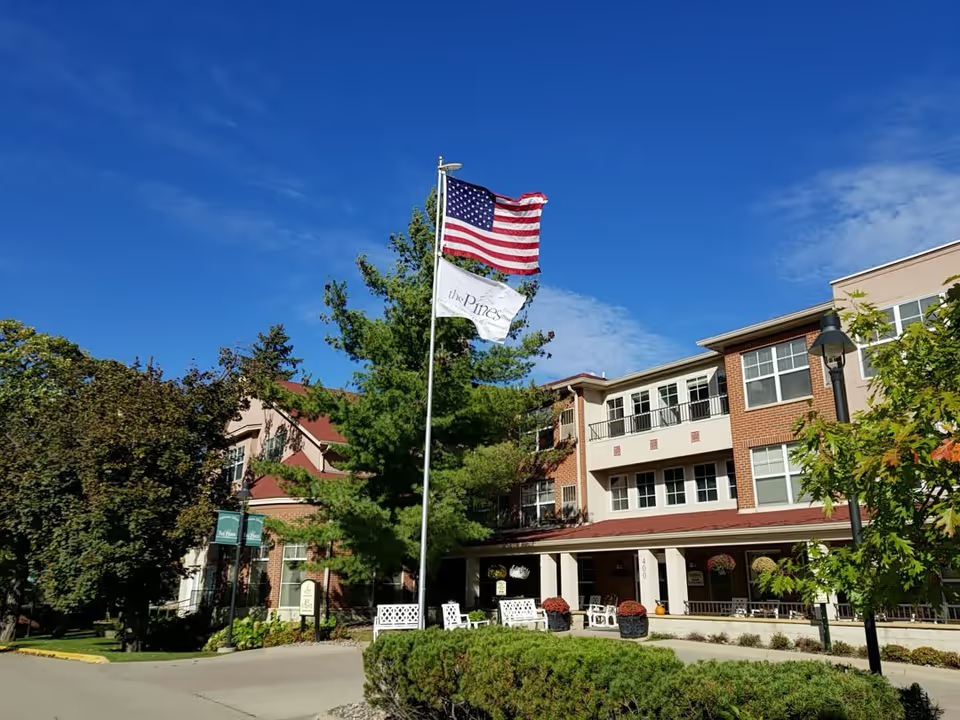
The reviews present a mixed picture. Strengths center on the local team and the physical campus: reviewers consistently describe caring direct-care staff and a supportive local leadership presence, positive social relationships between residents and assisted-living staff, and generally well-maintained facilities. The provider offers a broad continuum of services — independent living, assisted living, memory care, nursing, short-term rehabilitation, and adult day services — which can be attractive to families seeking a single campus that can accommodate changing needs.
Care quality and daily services are described in both positive and concerning terms. Many accounts praise staff members who take time with residents and build social bonds; however, there are also recurring concerns about lapses in care continuity, responsiveness to family requests, and adherence to planned transitions. Specific operational patterns cited include transfers or placement changes that families did not expect and difficulties getting agreed-upon services delivered in a timely fashion. Those patterns suggest prospective families should probe procedures for care planning, transfer protocols, and how the facility documents and enforces service commitments.
Staff and workforce issues are a prominent theme. While front-line employees and some local leaders are characterized as dedicated and resident-focused, there are consistent indications of HR and employee-relations challenges at the management level. Reviewers indicate strained communication between corporate leadership and on-site teams, and concerns about staff morale and retention that could affect continuity of care. Prospective residents should ask about staff turnover rates, orientation/continuing-education processes, and how resident concerns are escalated.
Management and governance present another clear pattern. The commentary differentiates the local team from central corporate leadership: local staff and leadership receive positive mention, while centralized decision-making, inconsistent enforcement of policies, and perceived unresponsiveness from corporate or human-resources functions draw criticism. Financial and administrative processes are particular points of friction — examples include inconsistent pre-approval requirements for expenses, disputes over billed or unpaid charges, and unclear communication about cost responsibilities. These issues point to a need for transparent, written explanations of billing policies and an escalation path for disputed charges.
Facilities and programmatic offerings rate well in physical upkeep and range of services, but there is limited specific information about dining and activities in the supplied summaries. Given the importance of meals and engagement for quality of life, families should request current menus, sample activity calendars, and observations of meal service during a visit. Likewise, inquire about short-term rehab protocols, how transitions between levels of care are handled, and safeguards to ensure individualized care plans are followed.
Overall, the dominant pattern is one of a locally strong caregiving culture and good campus resources constrained by inconsistent corporate processes, administrative responsiveness, and HR challenges. For prospective residents and families, recommended due diligence includes: confirming written care-plan and transfer policies, obtaining a clear statement of billing and pre-approval rules, meeting both local leadership and corporate contacts to assess responsiveness, and asking about staff turnover and complaint-resolution procedures. These steps can help clarify whether the local strengths are supported by reliable operational practices at this location.