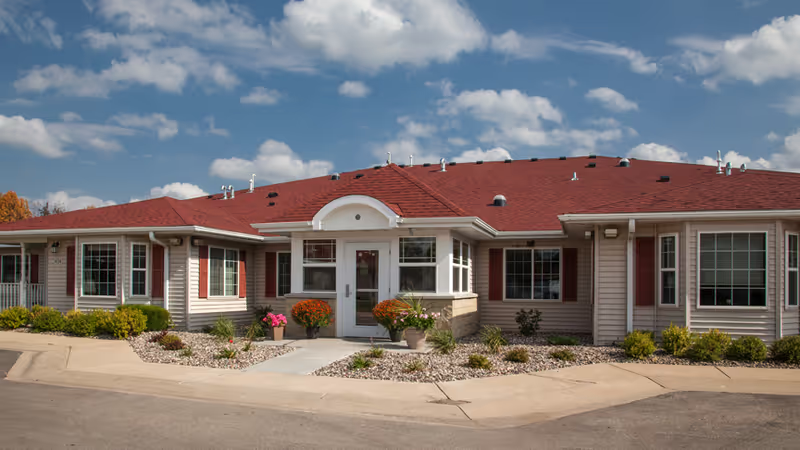
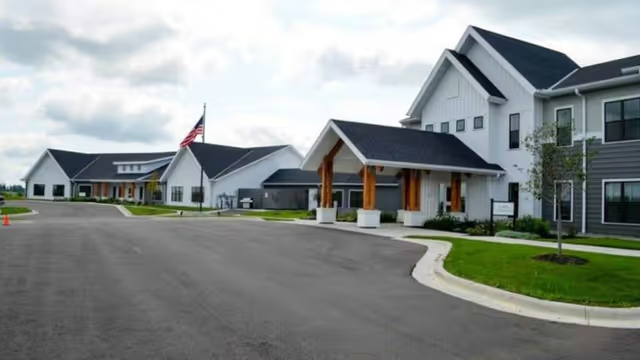
Reviewer feedback for Arbor Garden Place presents a mixed picture. On the positive side, families and residents frequently mention a clean, recently updated building with comfortable rooms, regular activities, and generally good dining. Multiple comments describe staff as friendly and at times willing to go above-and-beyond, and reviewers note an emphasis on resident safety and an active activities calendar that contributes to resident engagement.
Care-quality comments are more variable. Several reviewers raised concerns about inconsistent delivery of clinical tasks and lapses in following physician-directed care plans. There are specific patterns suggesting weaknesses in pressure-injury prevention and skin-monitoring practices, as well as inconsistent bathing and personal-care scheduling. Some families described troubling experiences with end-of-life communication and expectations; while these are serious and appear to be individual but significant concerns, they point to the need for clearer clinical protocols and family communication around advanced care.
Staffing and leadership emerge as recurring themes. Many reviewers describe high staff turnover and leadership instability, including unfilled administrative roles and a revolving door at the director level. These patterns are linked to uneven continuity of care, staffing shortages that affect service delivery, and inconsistent follow-through on commitments (for example, transportation or promised services). At the same time, several reviewers singled out particular caregivers who provided consistent, compassionate attention despite these operational challenges.
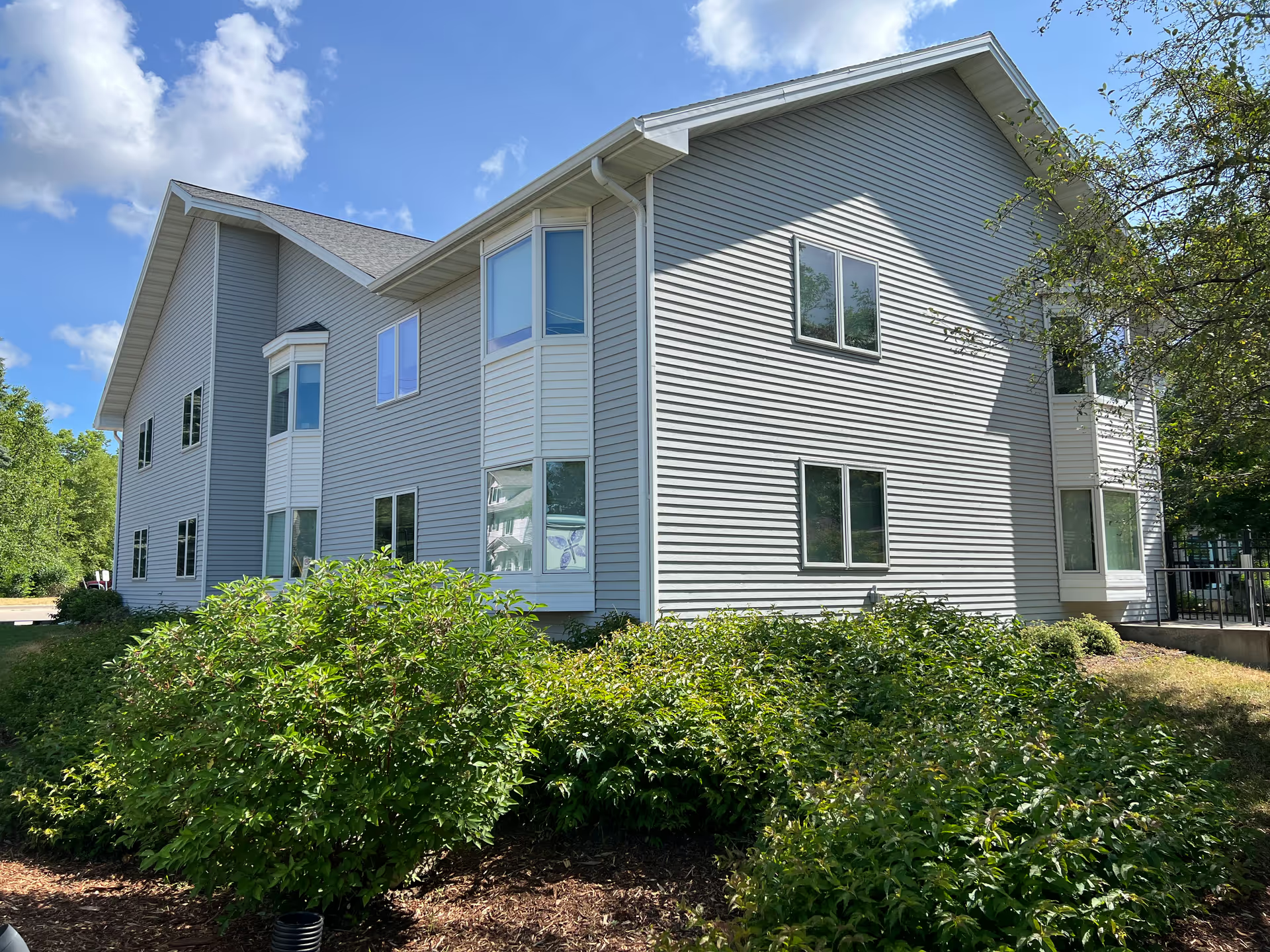
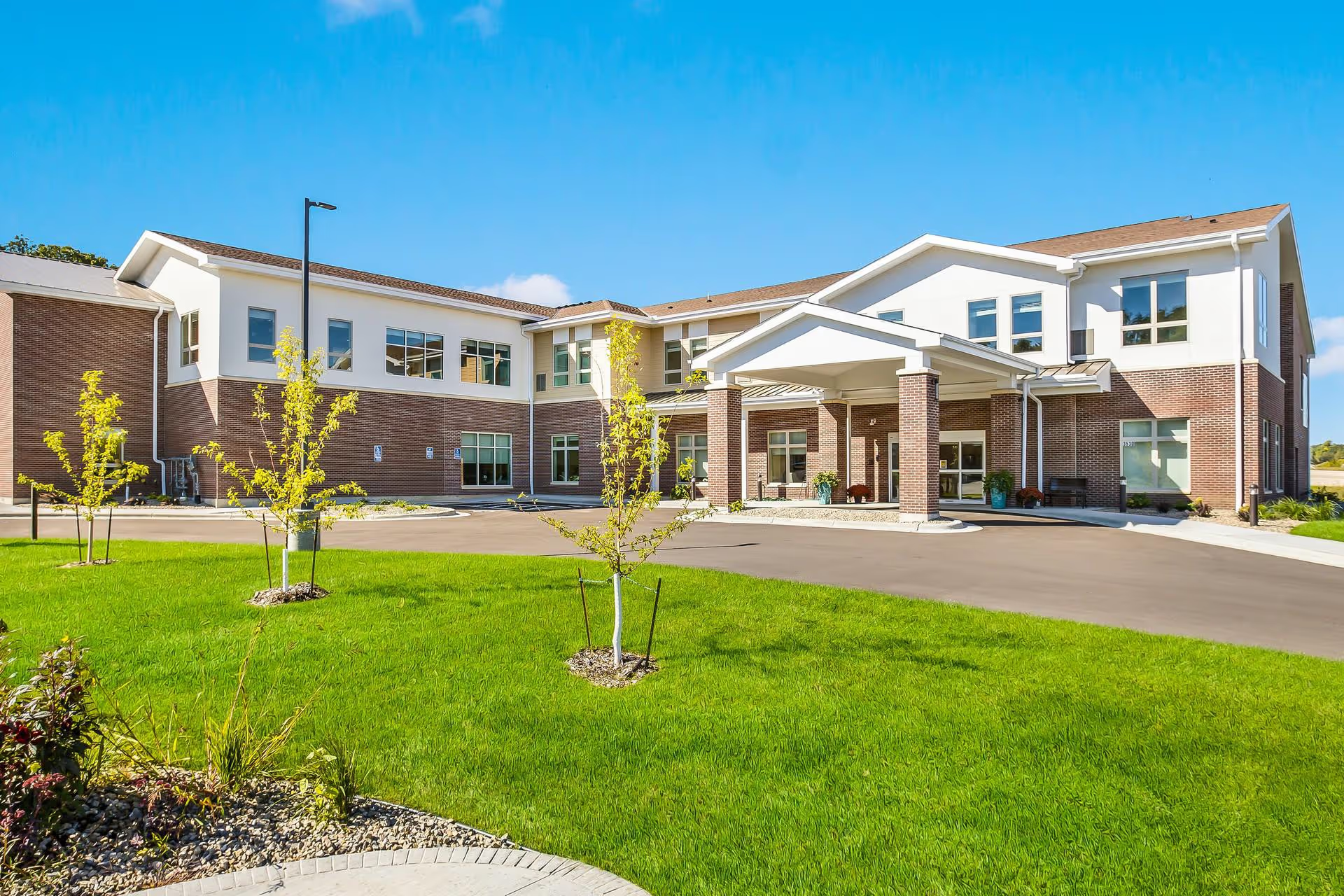
Dining, activities, and facilities are commonly praised. Meals are described positively, communal areas are kept clean, and programming is available to residents. The facility’s newer construction and well-maintained interior are among the more consistent positives in the feedback.
Management and operational issues are the primary sources of dissatisfaction. Reviewers report a perception that financial considerations influence decisions, irregular communication from leadership, and unreliable ancillary services (notably transportation). These operational traits appear to amplify the effects of staffing turnover on day-to-day resident experience.
Overall, the data indicate a facility with solid physical amenities and several committed staff members, but with notable operational and clinical reliability concerns tied to turnover and leadership gaps. Prospective residents and families may find the environment attractive but should ask targeted questions before committing: staffing ratios and continuity plans, clinical protocols for skin care and adherence to physician orders, end-of-life care policies and family communication processes, transportation scheduling and guarantees, and evidence of stable leadership or succession planning.