Reviews reflect a facility with notable strengths in hands-on caregiving, spiritual and hospice support, and social programming, alongside recurring operational weaknesses. Families frequently describe compassionate direct-care staff—particularly CNAs and some nurses—and highlight strong hospice and on-site pastoral involvement for end-of-life support. Rehabilitation outcomes and therapy services are cited positively in multiple accounts, with examples of meaningful mobility improvement. The activities program is active, including music, hymns, crafting, movies and frequent entertainment that contribute to a welcoming atmosphere.
Care quality is mixed across reviewers. Many families praise attentive staff and individualized attention, but others identify inconsistent clinical practices. Concerns focus on delayed medication delivery and gaps in pain-management follow-through, variable nursing knowledge on certain clinical tasks, and long waits for assistance. A subset of accounts raises clinical-safety concerns such as falls and staff transfer errors; these point to possible weaknesses in fall-prevention protocols and transfer-safety procedures rather than being characterized as isolated events alone. Staffing variability and turnover appear to contribute to uneven care experiences.
Dining experiences are similarly mixed. Positive comments include accommodating dietary adjustments, in-room dining options, and generally good-tasting meals for some residents. Conversely, several reviews indicate limited menu variety, repetitive selections (for example, frequent pasta or soup offerings), small dining-room capacity, and inflexibility around substitutions. These operational limitations may affect resident satisfaction with both variety and mealtimes.
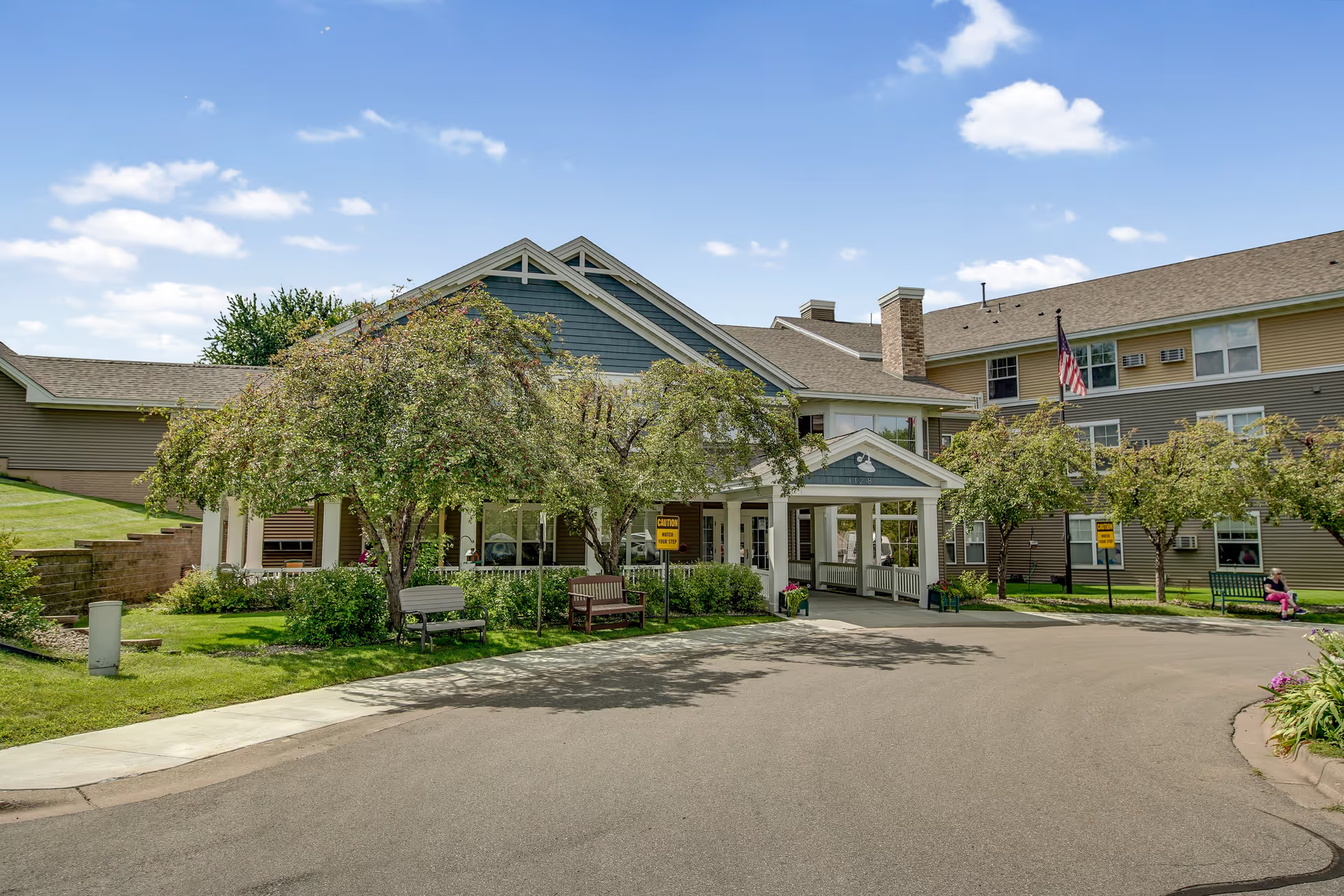
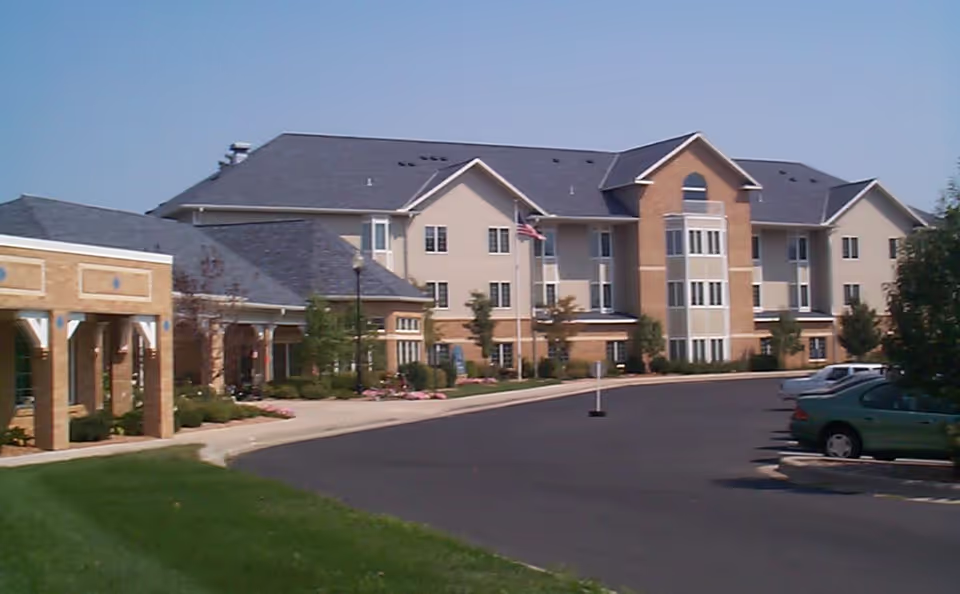
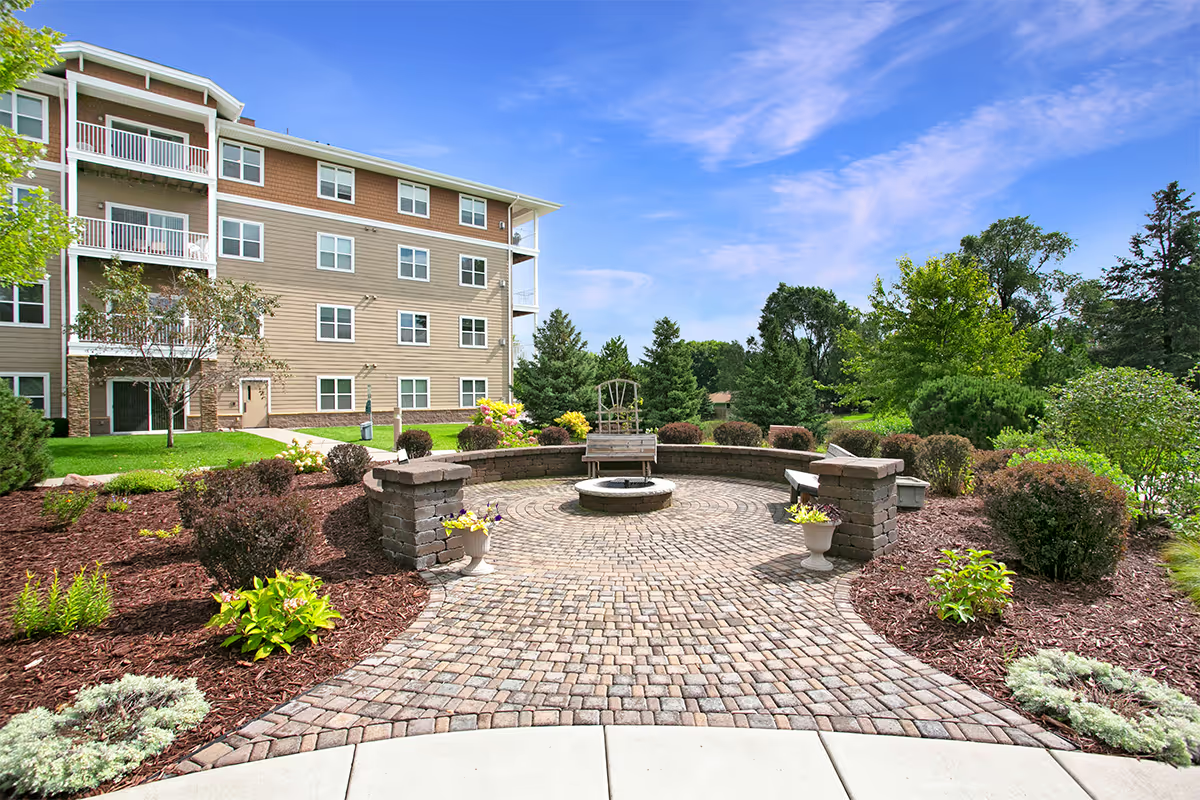
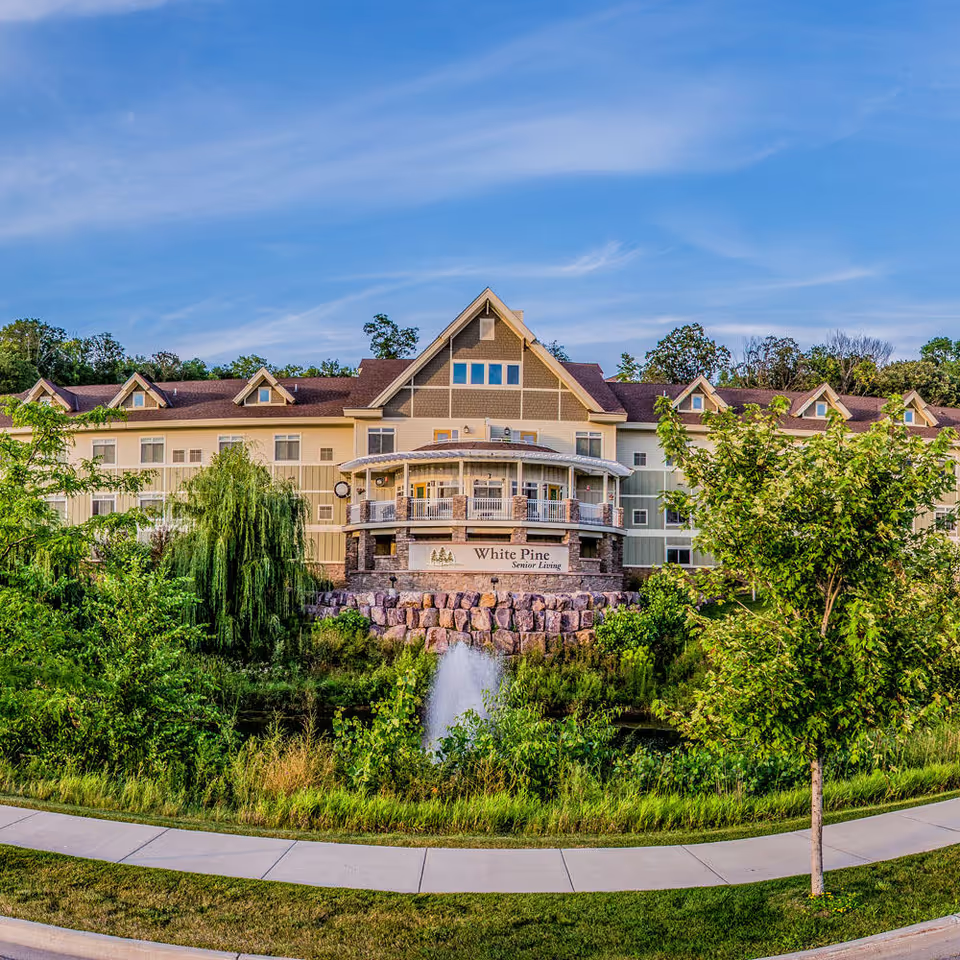
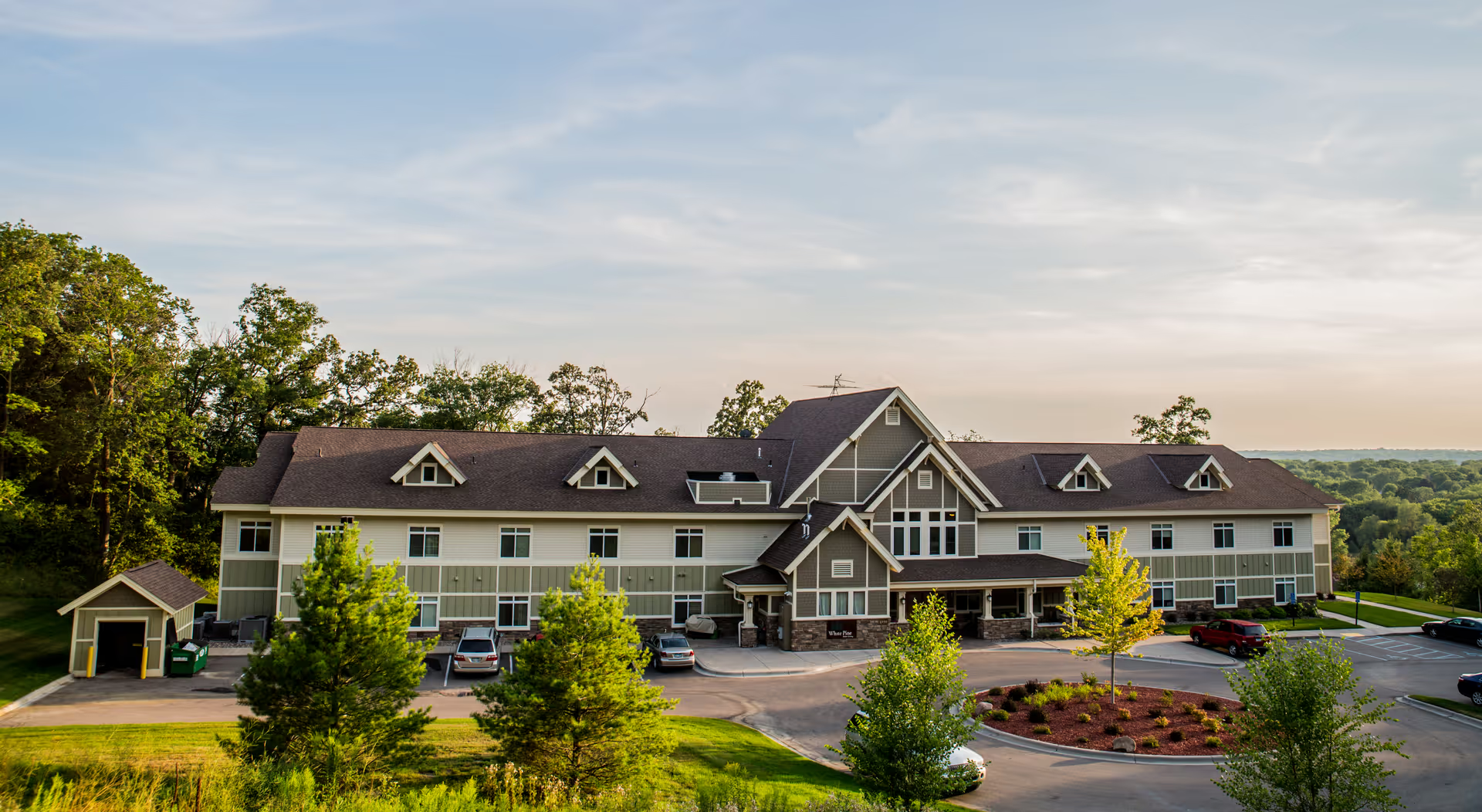
The facility environment receives largely favorable remarks: many reviewers describe clean, well-decorated common areas, plenty of natural light and exterior views, and easy parking. However, there is not uniformity across the campus—some areas and furnishings are described as newer or recently renovated, while other areas show wear and older furniture. This suggests inconsistent maintenance and variable physical condition between units.
Management and communication are a noted area for improvement. While some families report prompt resolution when issues are raised, others describe lapses in transparency and inconsistent follow-through from administrative and nursing leadership. Cost is another recurring theme; several reviewers consider the facility expensive relative to the mix of services and operational inconsistencies they observed.
For prospective residents and families: this facility demonstrates clear strengths in personal, pastoral and rehabilitative care, and it offers an active social program and generally pleasant environment. Before committing, consider discussing specific operational topics during a visit—staffing ratios and continuity, medication administration protocols and pain-management procedures, fall-prevention and transfer practices, dining menu variety and substitution policy, and how maintenance/renovation is prioritized. Asking for recent staffing schedules, medication-administration audits, and the facility’s approach to clinical incident communication can help clarify whether the operational weaknesses noted in some reviews have been addressed.