Overall impression: Reviews describe a facility with many strong operational features alongside a set of serious, recurring concerns. A majority of comments emphasize caring, engaged staff, responsive management, and a clean, modern environment where residents receive individualized attention and social programming. However, a subset of families raised substantial clinical and operational issues that suggest uneven performance in core areas of care and supervision.
Care and staff: Positive comments consistently highlight compassionate caregivers, connected nursing and management, and staff who spend quality time with residents. Several families praised directors and managers for strong communication, discharge coordination, and supportive transitions. These strengths are reflected in reports of improved behaviors for residents who were transferred in from other settings, rapid move-ins, and close family engagement. At the same time, other reviewers described lapses in clinical oversight — delayed responses to calls, inconsistent supervision, and variability in how staff follow clinical protocols. Those accounts point to uneven staff performance rather than a single, uniform standard of care across the facility.
Dining and nutrition: Experiences with dining are mixed. Some families report appropriate nutrition, individualized meal attention, and helpful staff presence during meals. Conversely, other comments indicate failures to follow posted menus, inconsistent beverage service, and limited supervision during meal times. These contrasting reports suggest meal-service continuity and dining supervision may depend on staffing levels or shift-by-shift practices.
Safety, medication, and clinical coordination: Several reviews raise operational concerns around safety and clinical procedures: medication administration practices, emergency-response reliability, and fall prevention. There are also mentions of multiple hospitalizations and challenges coordinating end-of-life care or hospice initiation. Taken together, these themes indicate potential gaps in medication-administration controls, incident response protocols, and clinical handoffs that prospective families should probe further.
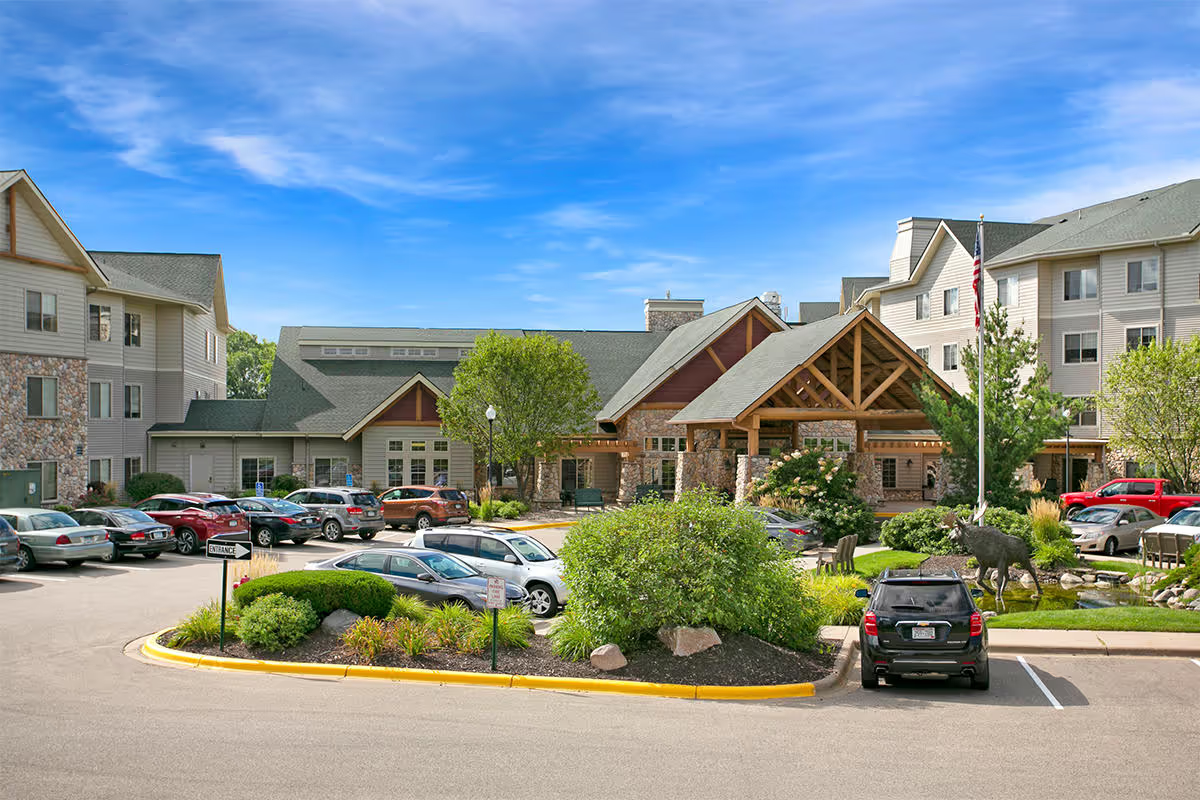
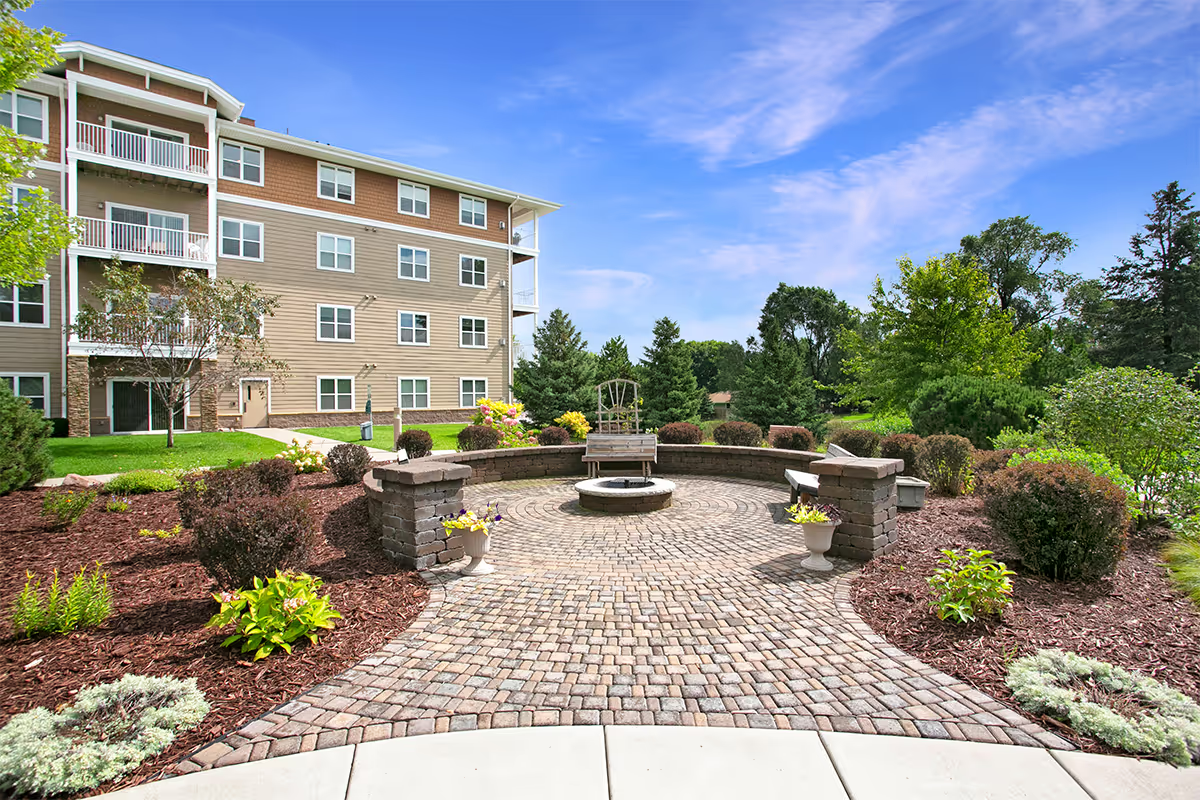
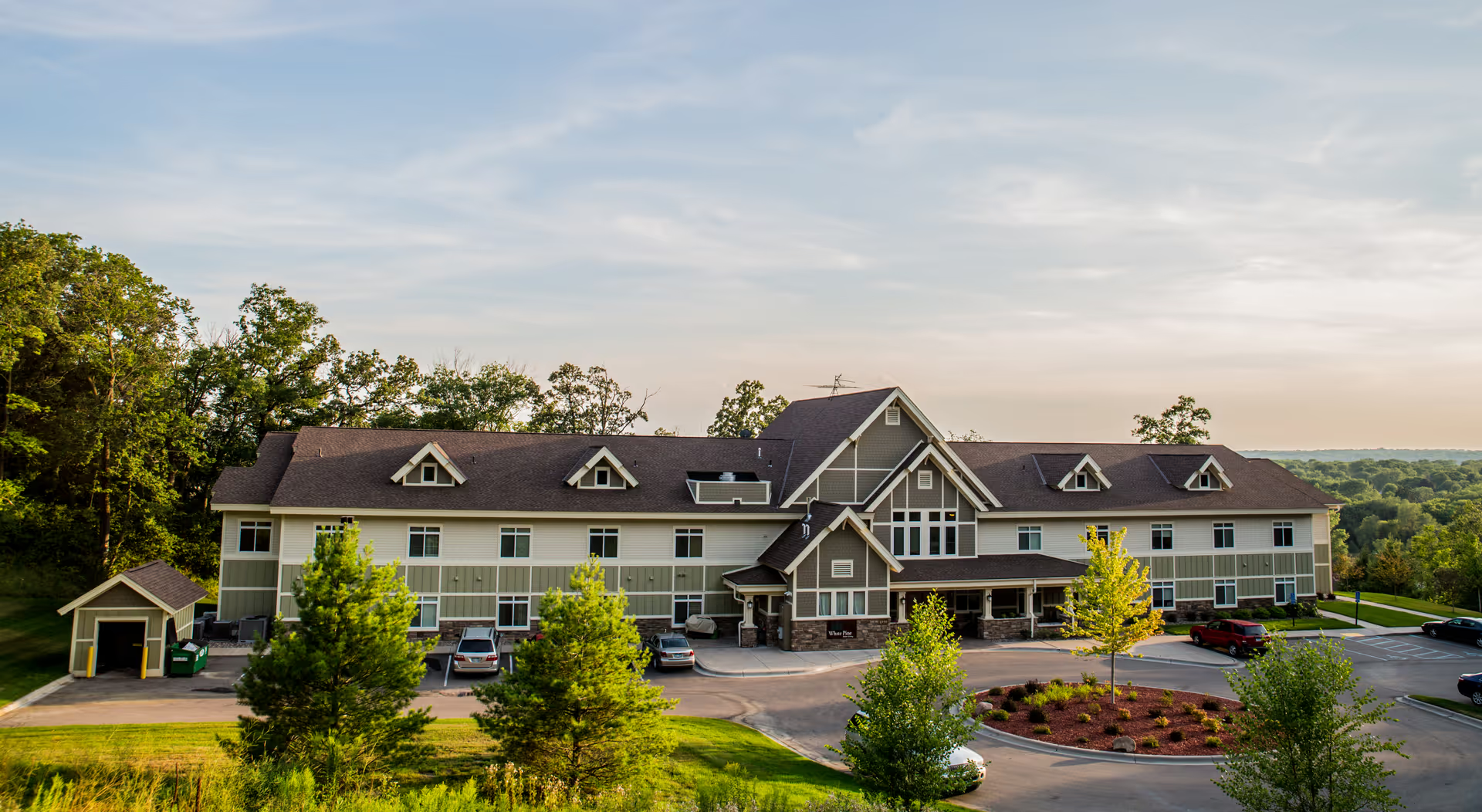
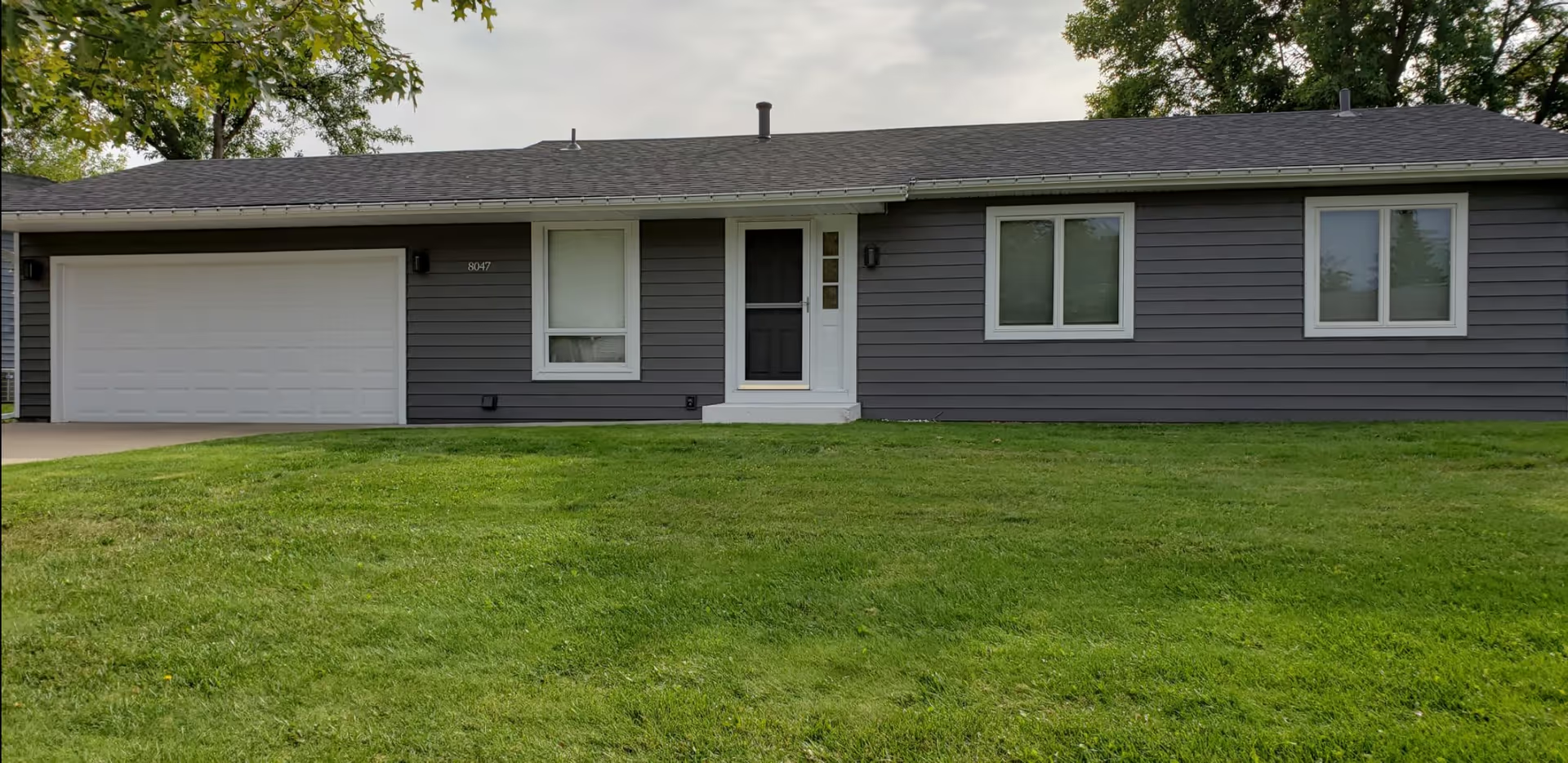
Facilities and activities: The physical plant receives consistently positive remarks — described as clean, tidy, new, and well maintained — and the smaller size appears to support personalized attention. Activity offerings, social interaction, and opportunities for engagement (music, group activities, common spaces) are cited as meaningful contributors to resident well-being. These operational strengths are noted as reasons families felt relieved and confident placing loved ones there.
Management and communication: Management and specific directors are frequently praised for responsiveness, coordination around moves and discharges, and family communication. Yet, some families report breakdowns in communication with frontline nursing staff and inconsistencies in follow-through. This pattern suggests effective leadership at the management level but variable consistency in execution at the care-team level.
Notable patterns and guidance for families: The reviews form a clear split between families who experienced consistently good, individualized care and those who encountered significant clinical and safety gaps. Prospective residents and their families should validate operational controls directly: ask about staffing ratios by shift, medication-administration and emergency-response protocols, housekeeping schedules, dining supervision practices, fall-prevention programs, and hospice/advance-care coordination. Request recent incident logs or examples of corrective actions, and seek references from families whose loved ones have similar care needs.
Bottom line: The facility demonstrates substantial strengths in staff compassion, facility upkeep, and individualized programming, but there are documented operational weaknesses that could affect clinical safety and continuity of care. These mixed signals warrant direct, specific questions from families to assess whether the facility’s current practices match the needs and risk profile of a particular resident.