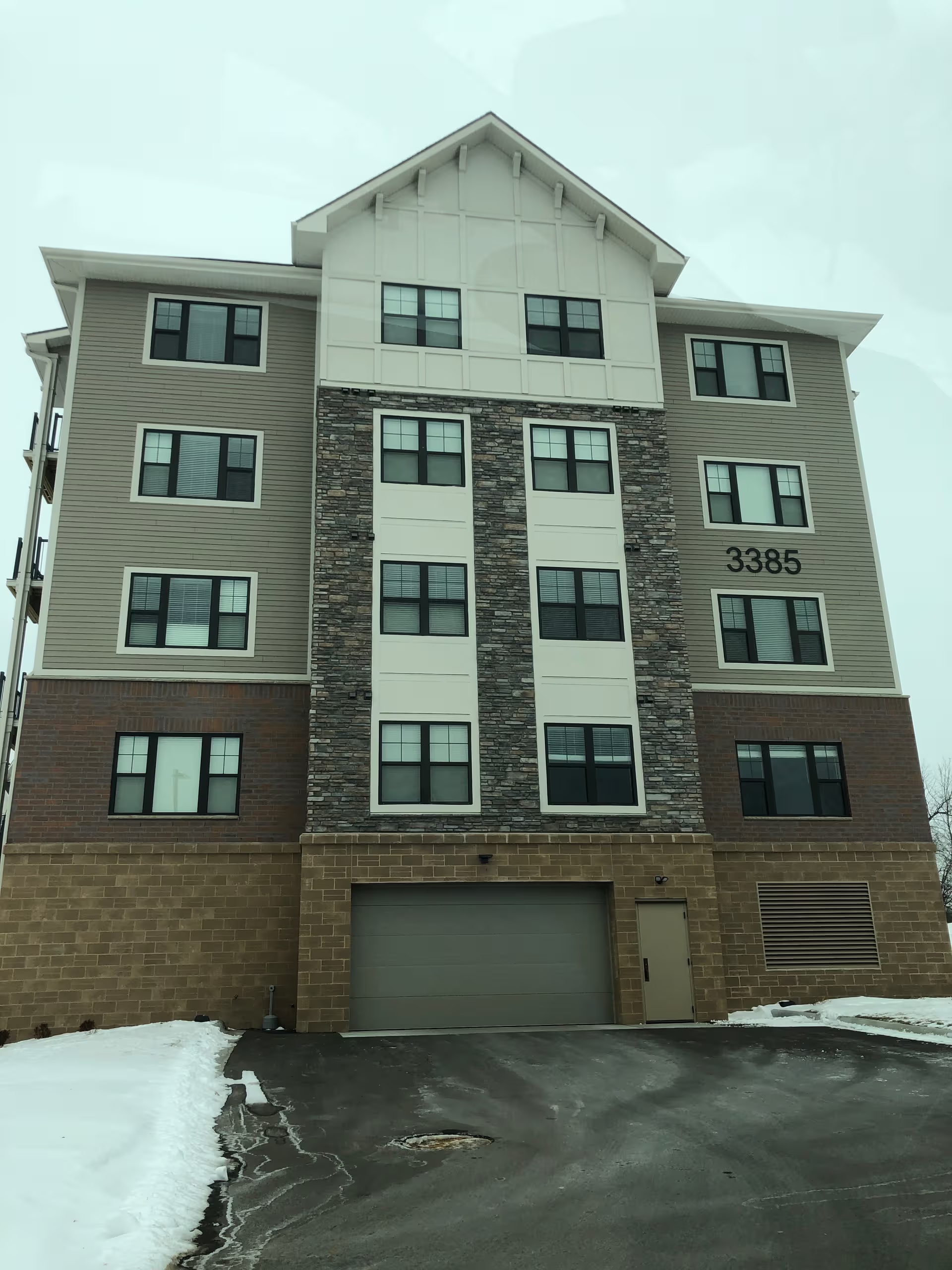
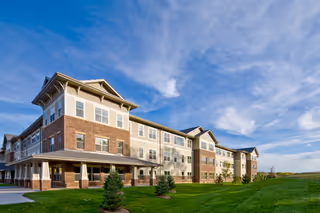
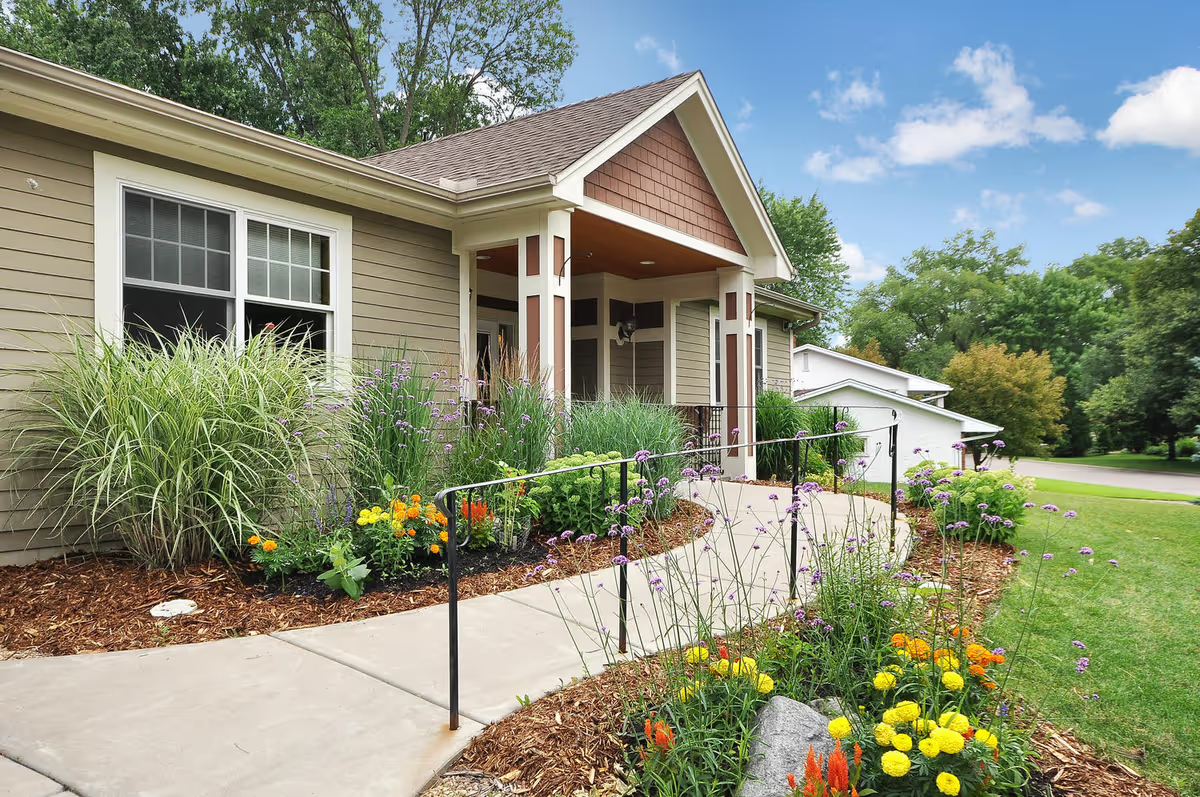
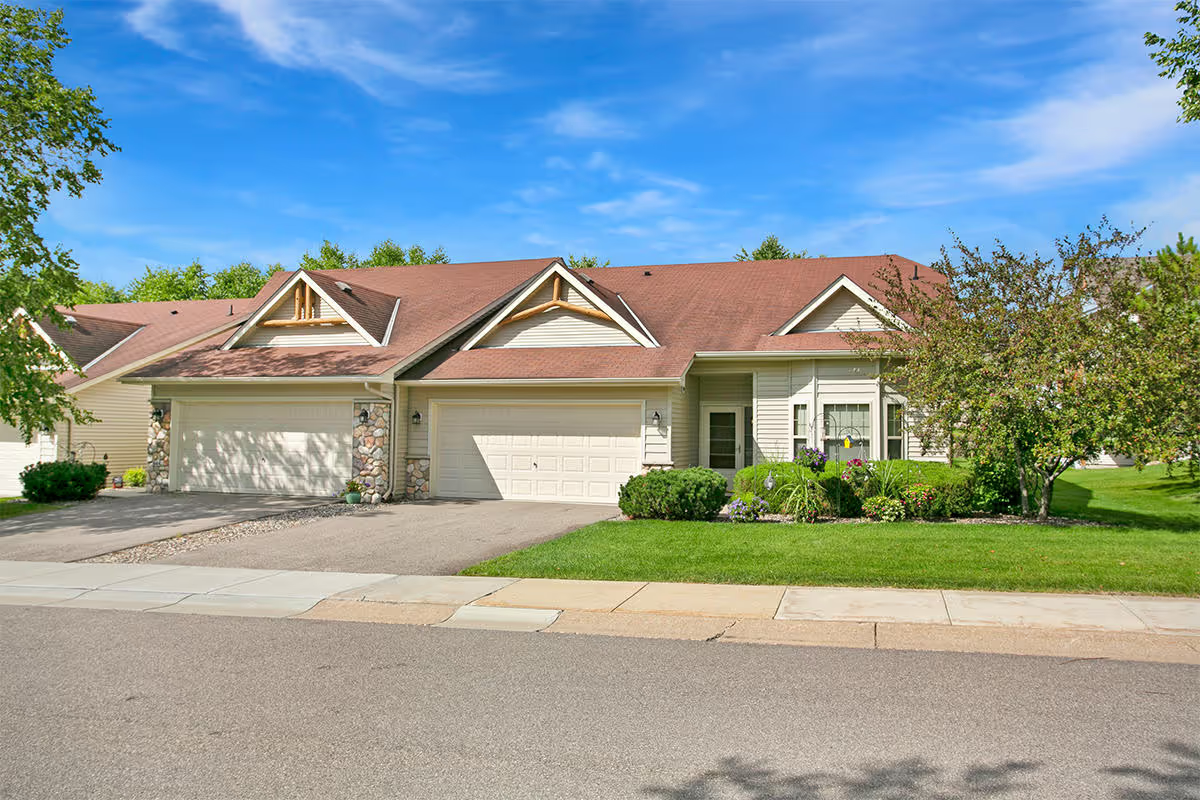
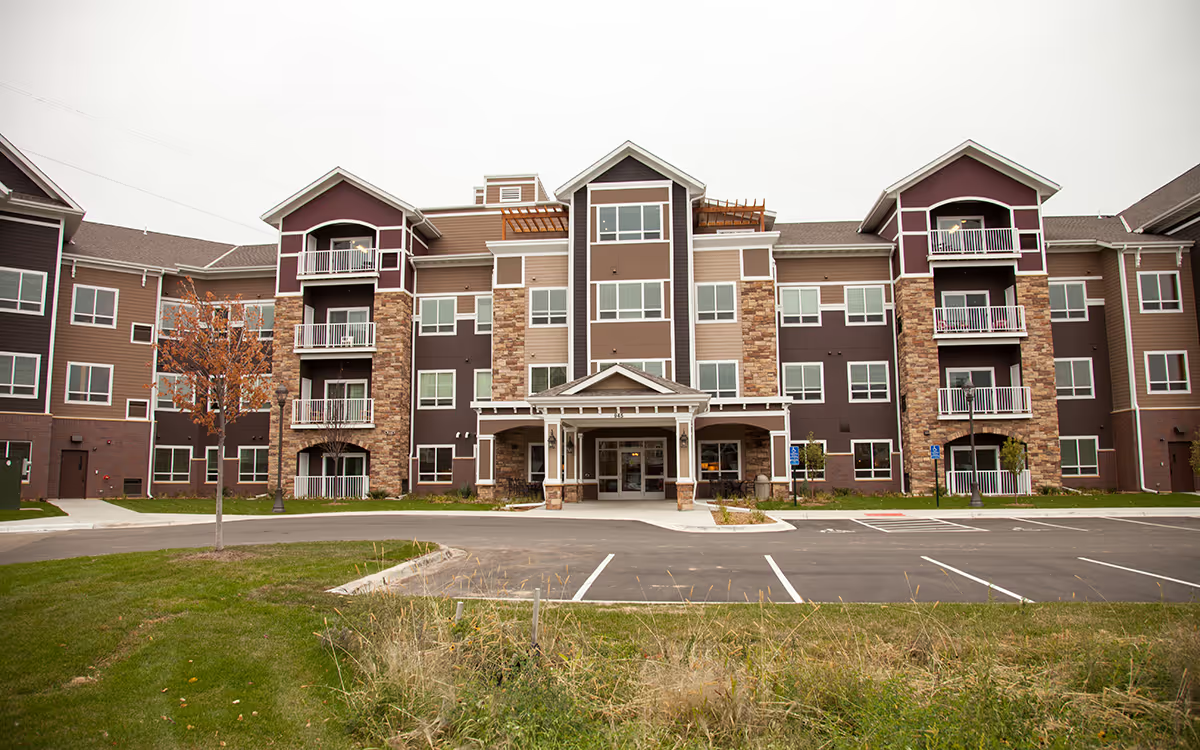
Stonehaven Senior Living is consistently described as a modern, well-appointed community with many amenities designed for independent living and transitional care. The facility’s new construction and attentive upkeep are frequent positives: reviewers mention bright, spacious apartments, private balconies with pond or golf-course views, underground heated parking, a community theater, library, bar, and a wellness center. Housekeeping, weekly outings and on-site physician visits contribute to a sense of convenience and safety for residents who wish to age in place.
Staffing and day-to-day care quality are central strengths in the majority of accounts. Many families and residents describe staff as friendly, caring, and engaged — staff who know residents by name and help with acclimation. Activities programming is a notable strength: a broad, scheduled roster includes exercise classes (chair yoga, aerobics), games, sing-alongs, trivia, bingo, religious services, happy hours, movies, and offsite shopping trips. Reviewers emphasize a strong resident community, social engagement, and spiritual connection opportunities that contribute to residents’ sense of purpose and well-being.
Dining is another prominent feature. The community is repeatedly praised for chef-prepared, nutritious meals and varied menu options, with dining room presentation and extras such as dining linens and a theater popcorn amenity noted. That said, there are indications of variability over time: several families describe earlier consistently high meal quality with later interruptions or declines associated with staffing changes.
There are recurring operational concerns to weigh. A pattern of leadership and ownership transitions has coincided with higher staff turnover, particularly in the kitchen and some care roles; reviewers indicate this has affected continuity of services. Communication gaps between management and families are also described, including reduced clarity about program changes and less proactive updates. Specialized memory-care offerings have changed: a branded memory program was removed and there are reports of limited availability in assisted-living/memory-care units, creating access constraints for residents who may need that level of care in future.
Practical considerations flagged by residents include occasional usability issues with in-unit appliances and some compact one-bedroom floorplans that may feel constrained depending on needs and furniture. These operational and programmatic weaknesses are not universal but are significant for families for whom consistency of clinical and dining services, and reliable access to memory care, are priorities.
Overall, Stonehaven presents as a warm, well-equipped community with many strengths in staffing culture, social programming, and facilities. Prospective residents and families should balance those positives against recent patterns of staff and leadership turnover, periodic dining-service inconsistency, and limited memory-care capacity. Those who prioritize an active social environment, new physical plant, and attentive day staff are likely to find Stonehaven a strong fit; families requiring guaranteed continuity of specialized memory or assisted-care services should inquire specifically about current staffing stability, program availability, and the facility’s plan for sustaining those services.