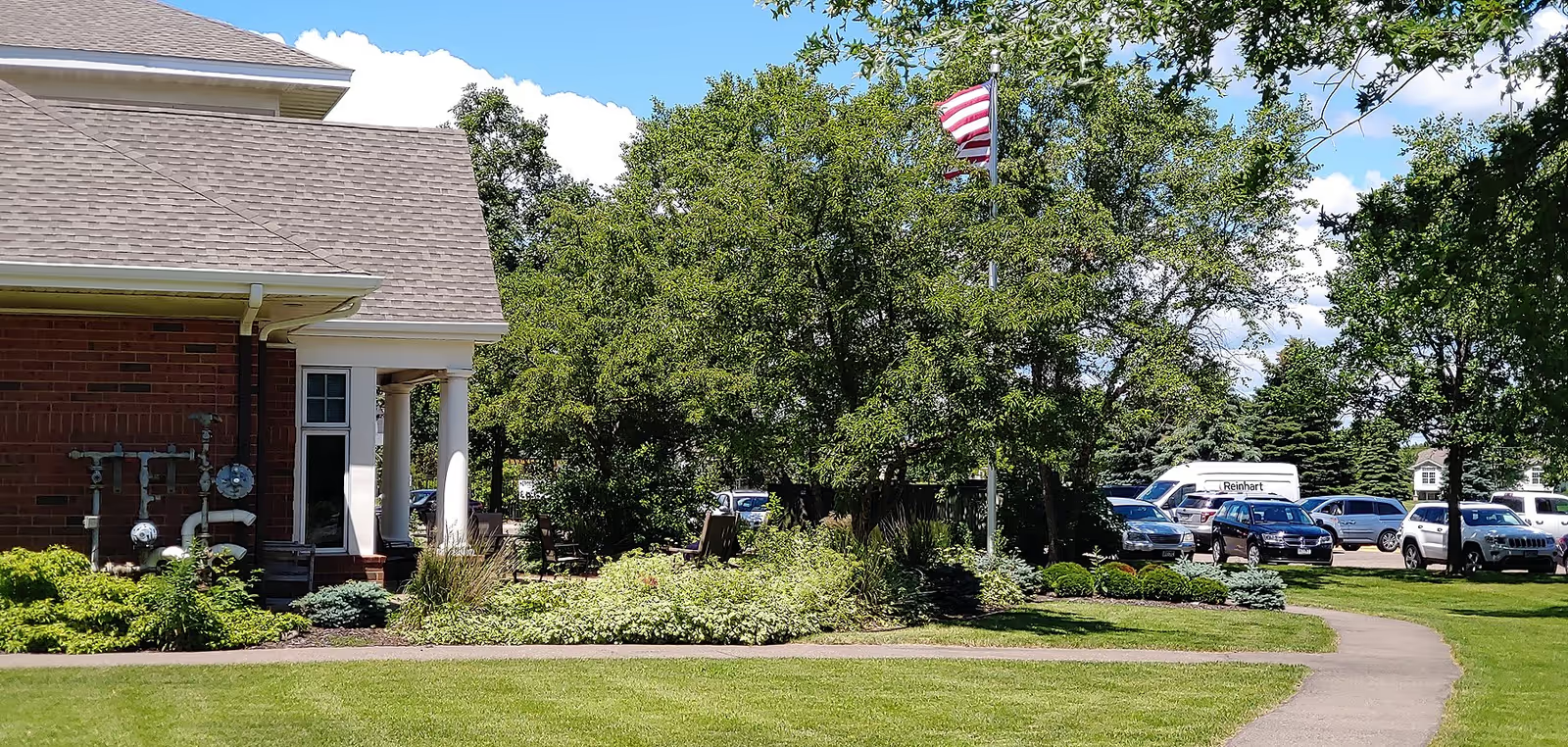
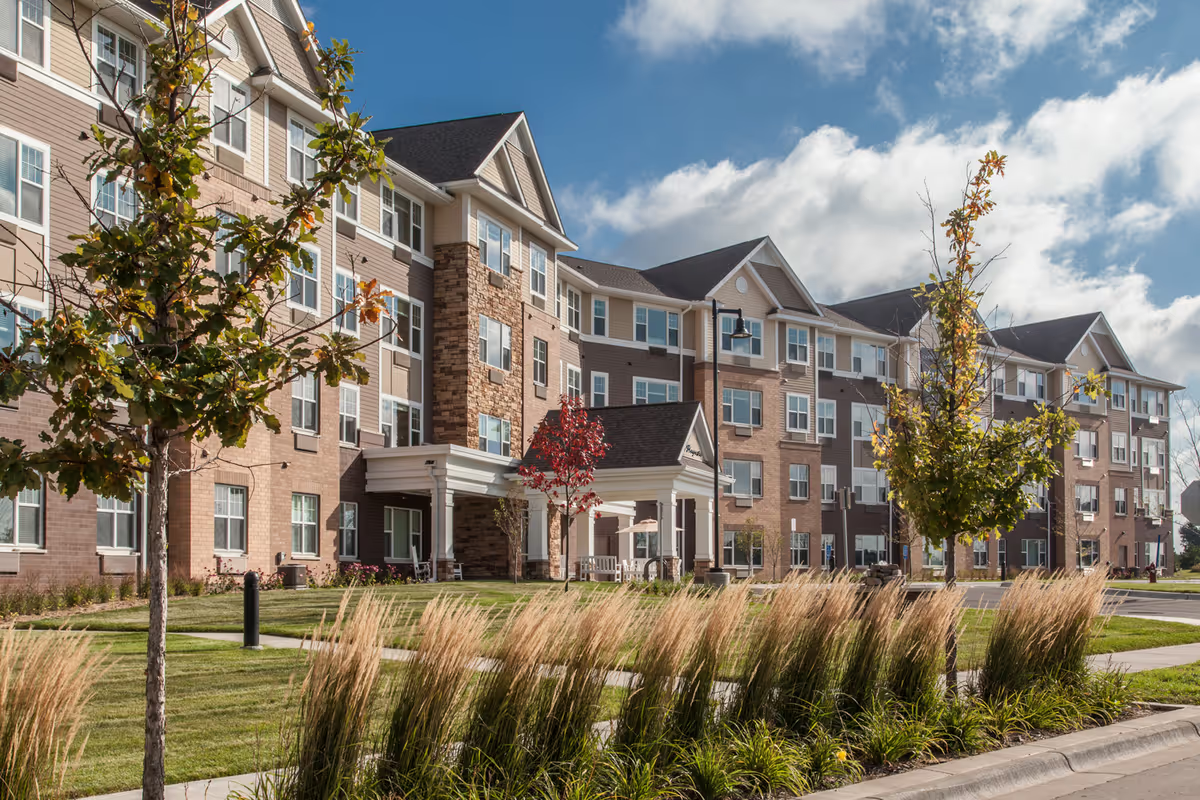
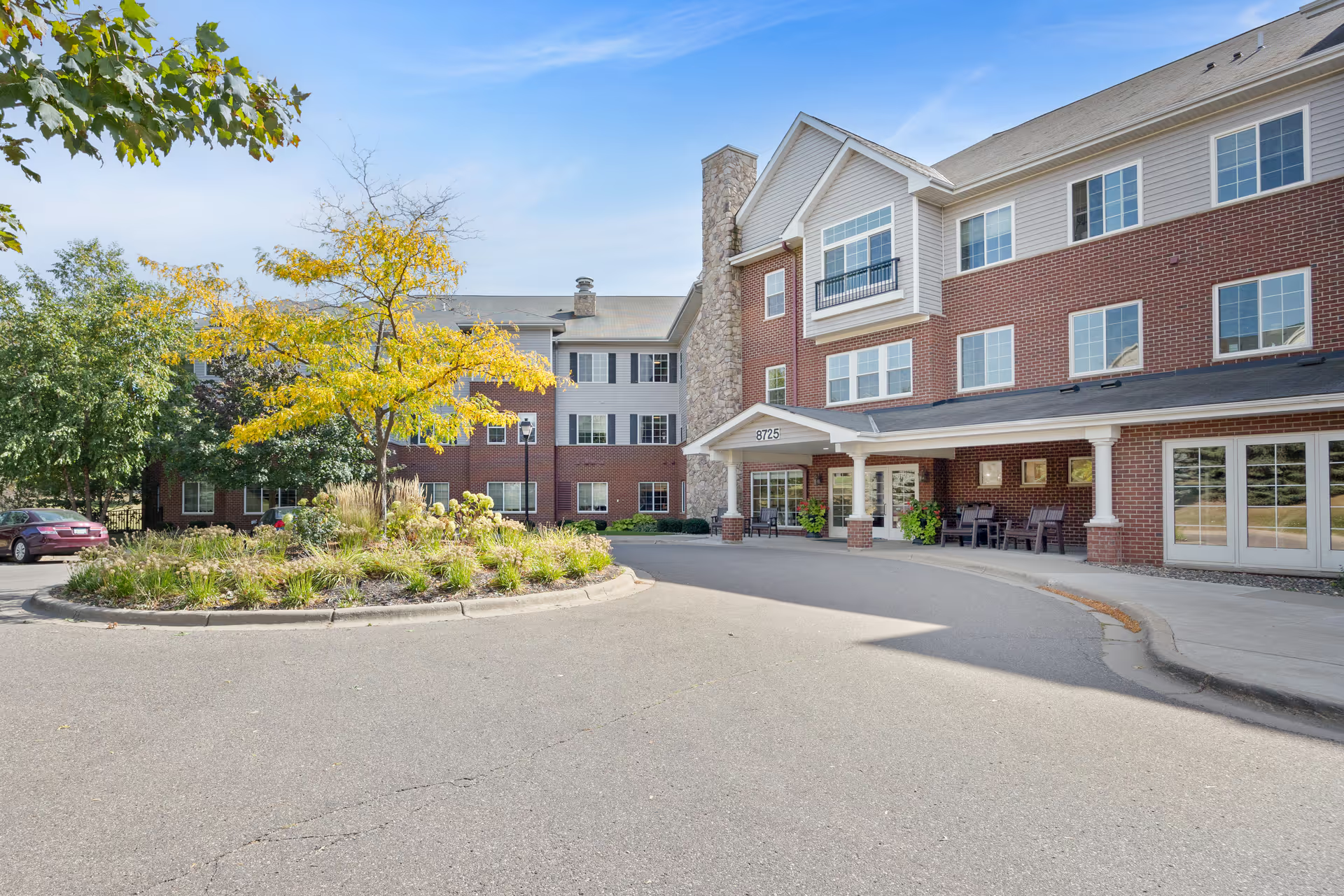
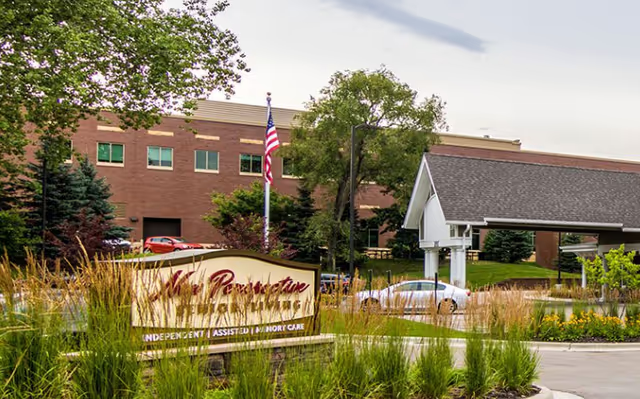
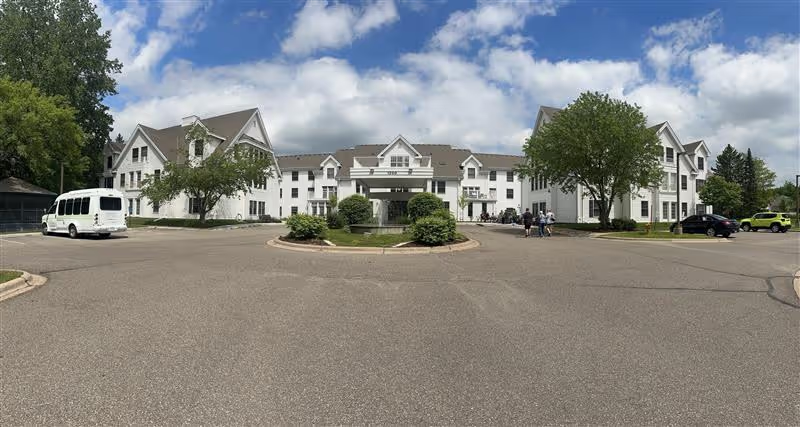
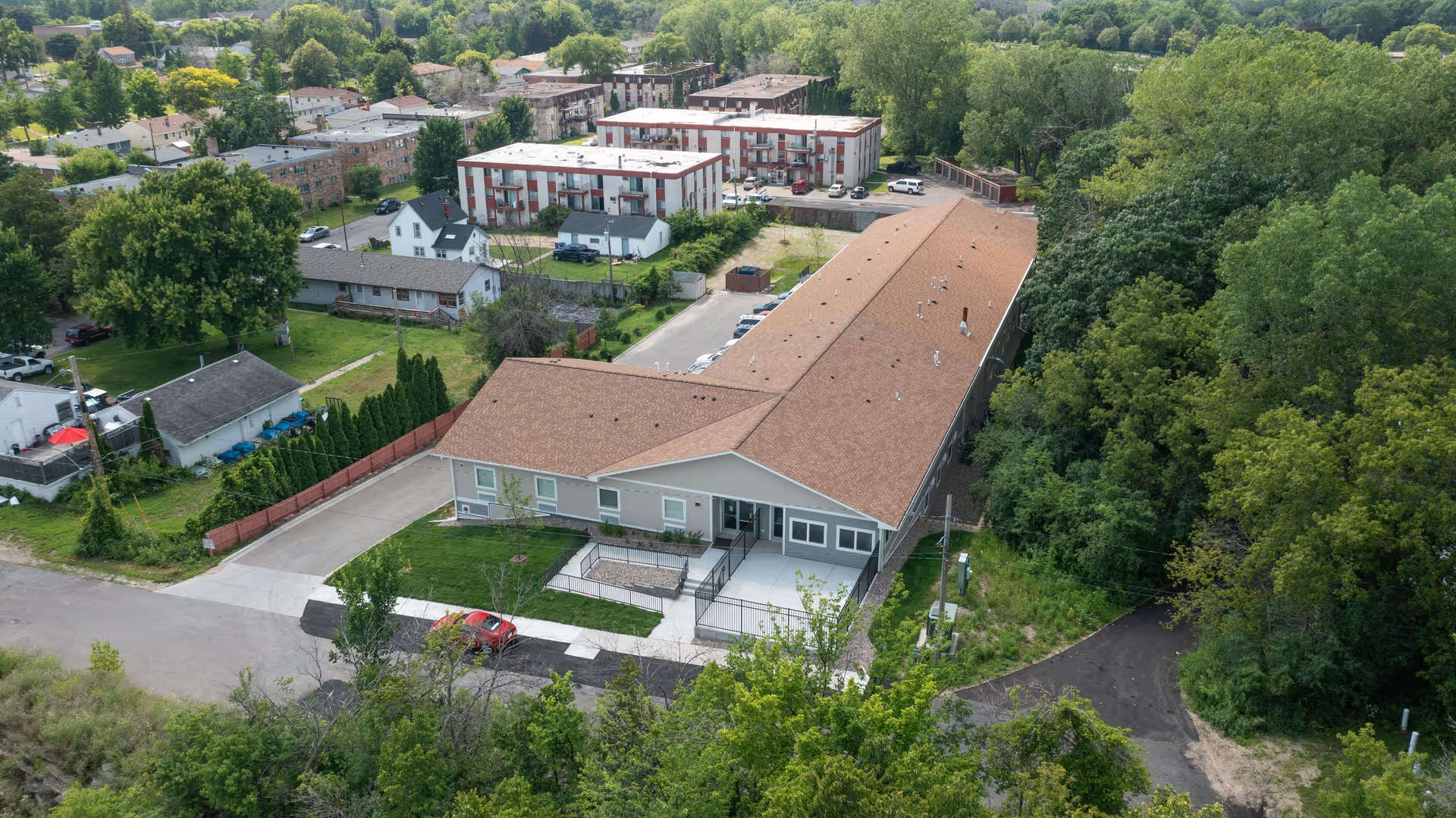
Boulder Ponds presents as a modern, well-appointed senior living community with a strong set of physical amenities and an active social calendar. Many accounts emphasize the new and clean facility, restaurant-style dining spaces, accessible design features (wide hallways, balconies, secure patios), and on-site rehabilitation resources including whirlpool therapy. Common highlights include a broad mix of activities — live music, bingo, exercise, themed socials and animal visits — and visible elements that support social connection such as happy-hour offerings, outdoor spaces, and resident-centered events.
Care and direct-support staff receive a mix of praise and critique. Numerous families describe compassionate, attentive aides and nurses who create a welcoming, home-like atmosphere; individual staff members and teams were named for outstanding, above-and-beyond work. At the same time, recurring operational themes include chronic understaffing and high turnover that contribute to inconsistent responsiveness to call buttons and care requests. Several accounts point to medication-administration and tracking weaknesses and to delays in attending to residents; these patterns suggest variability in clinical oversight depending on staffing and shift coverage.
Dining and housekeeping show a similar split between strengths and weaknesses. The dining setting and menu variety are appreciated by many, and the restaurant-style model is a consistent positive. However, families also describe variable food quality, early meal times, occasional menu cutbacks or items out of stock, and a perceived decline in consistency over time. Housekeeping is often praised for cleanliness in parts of the building, yet other comments note sanitation concerns and odor control issues in some common areas — indicating uneven housekeeping monitoring or enforcement.
Activity programming and memory-care services are strong in the general community but more variable in memory-care households. The broader community benefits from frequent events and social offerings, which help residents stay engaged. Conversely, several reviewers describe limited or inconsistent programming specifically within memory care, and a need for a clearer, dementia-focused engagement approach.
Facility maintenance and safety observations are mixed. The building layout, underground parking, and accessible pathways are positives, and maintenance staff receive favorable mentions. At the same time, there are reports of accessibility or maintenance gaps such as difficult-to-open doors, unsealed door fixtures, curb/safety-marking concerns, and weaknesses in door/alarm systems that affect resident safety and freedom of movement. These items appear operational — requiring targeted maintenance and audit rather than structural redesign.
Management and communications emerge as an important differentiator. Admissions and some frontline administrative staff are described as helpful and supportive, and hospice coordination and several named team members earned strong praise. Yet families also describe inconsistent communication, unmet marketing promises, confusing billing actions, and perceptions of management being out of touch or unstable. The cumulative pattern suggests an organization that excels at resident-facing hospitality and individual staff relationships in many cases, but struggles with consistent operational systems, staffing strategy, and leadership continuity.
Overall, Boulder Ponds offers many attributes attractive to prospective residents — modern facilities, robust social programming, and numerous staff who provide compassionate care. The primary areas to evaluate in a tour or decision include current staffing levels and turnover, memory-care engagement plans, medication-safety protocols, housekeeping and odor-control procedures, and written clarification of billing and promised amenities. These operational elements appear to drive the variability in family experience: where they are strong, families report excellent outcomes; where they are inconsistent, families report notable service gaps.