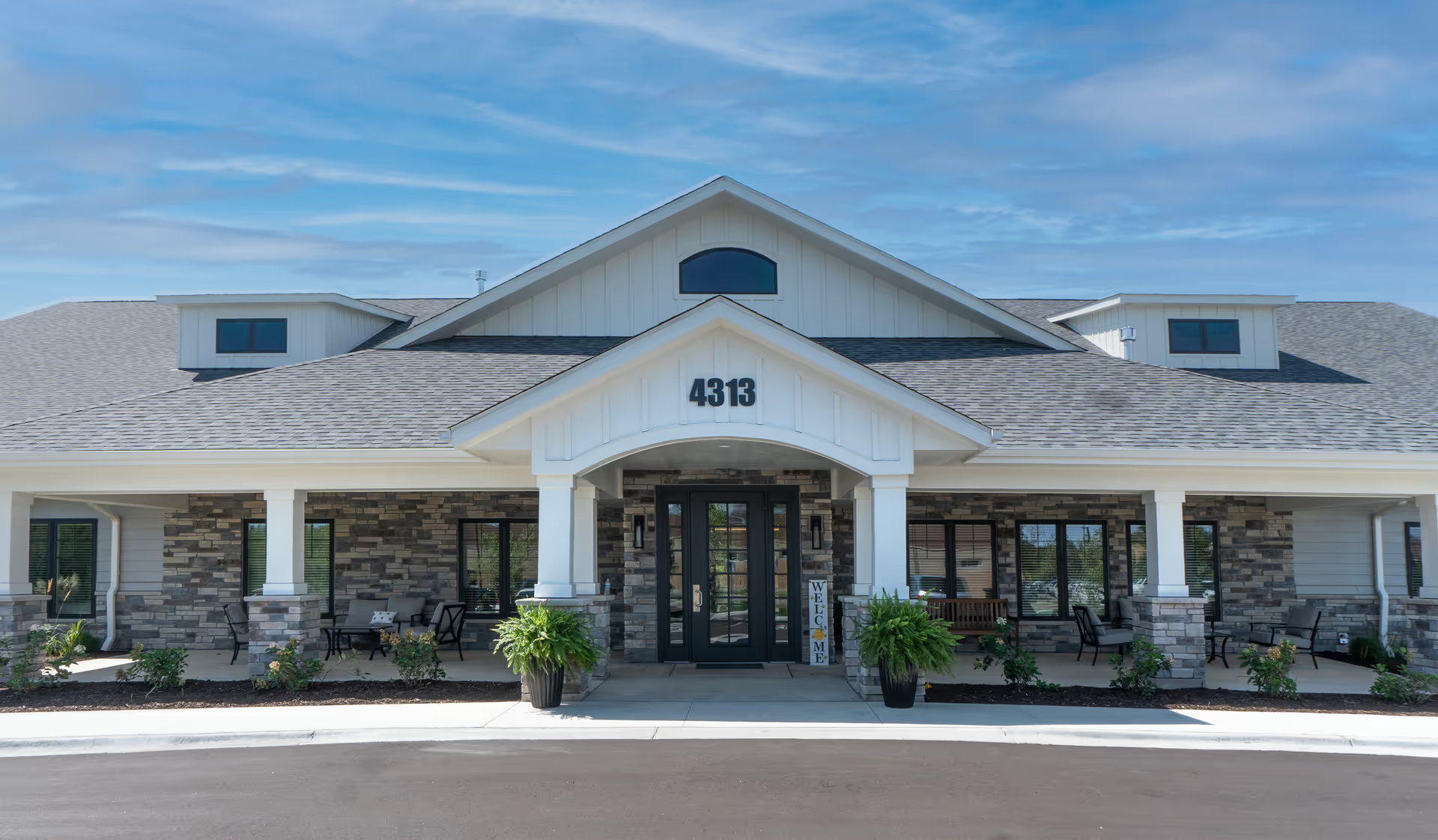
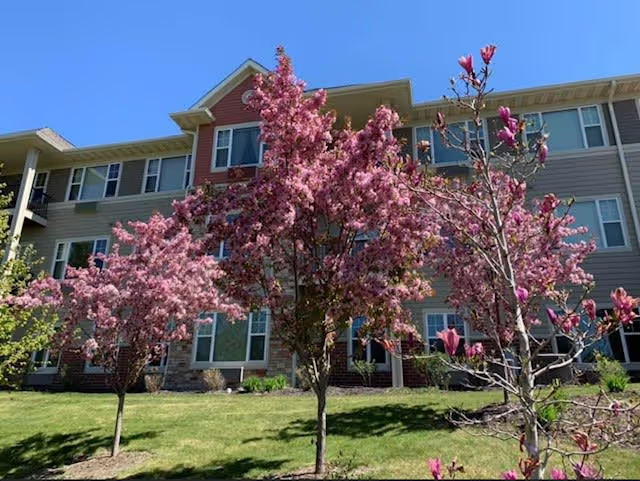
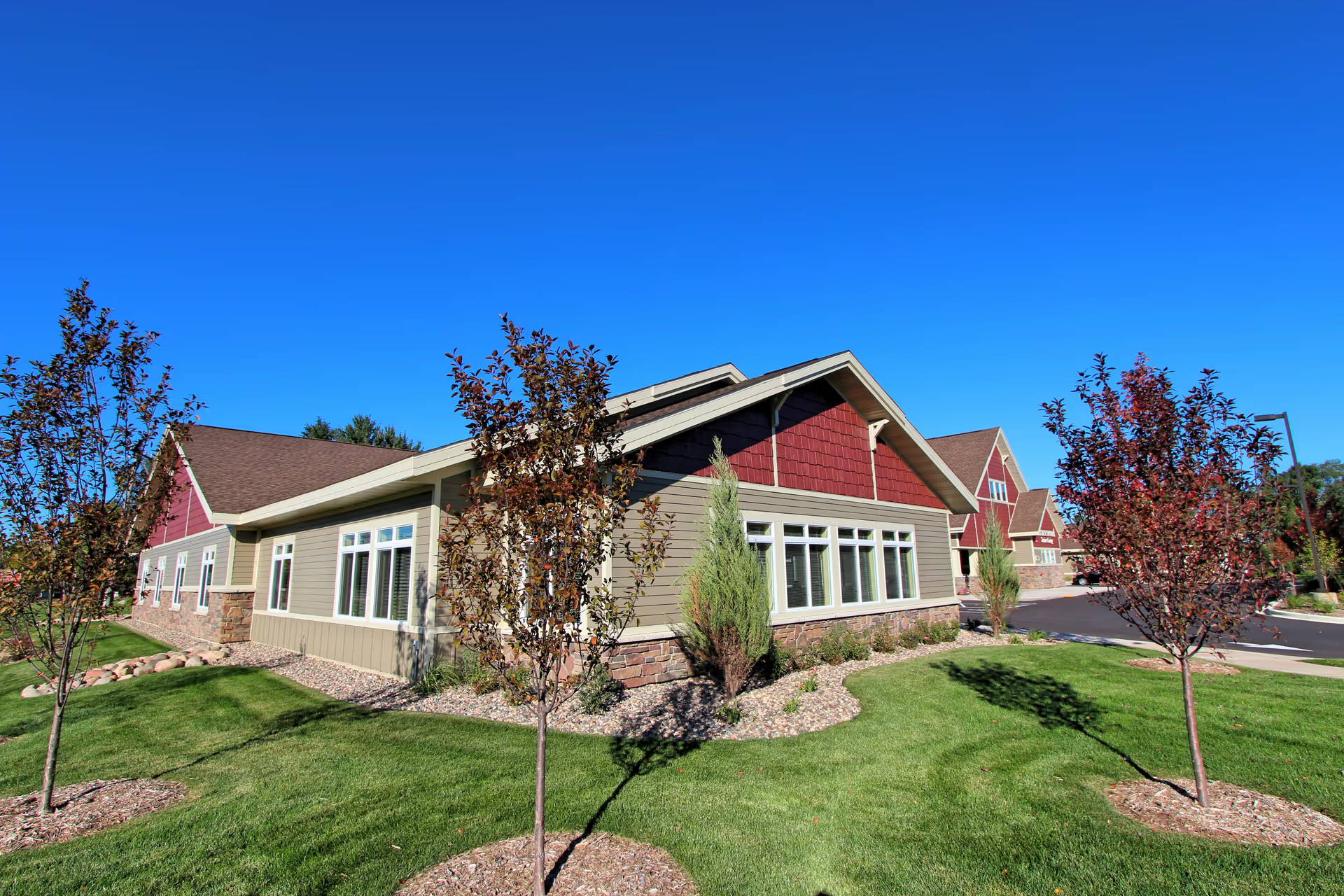
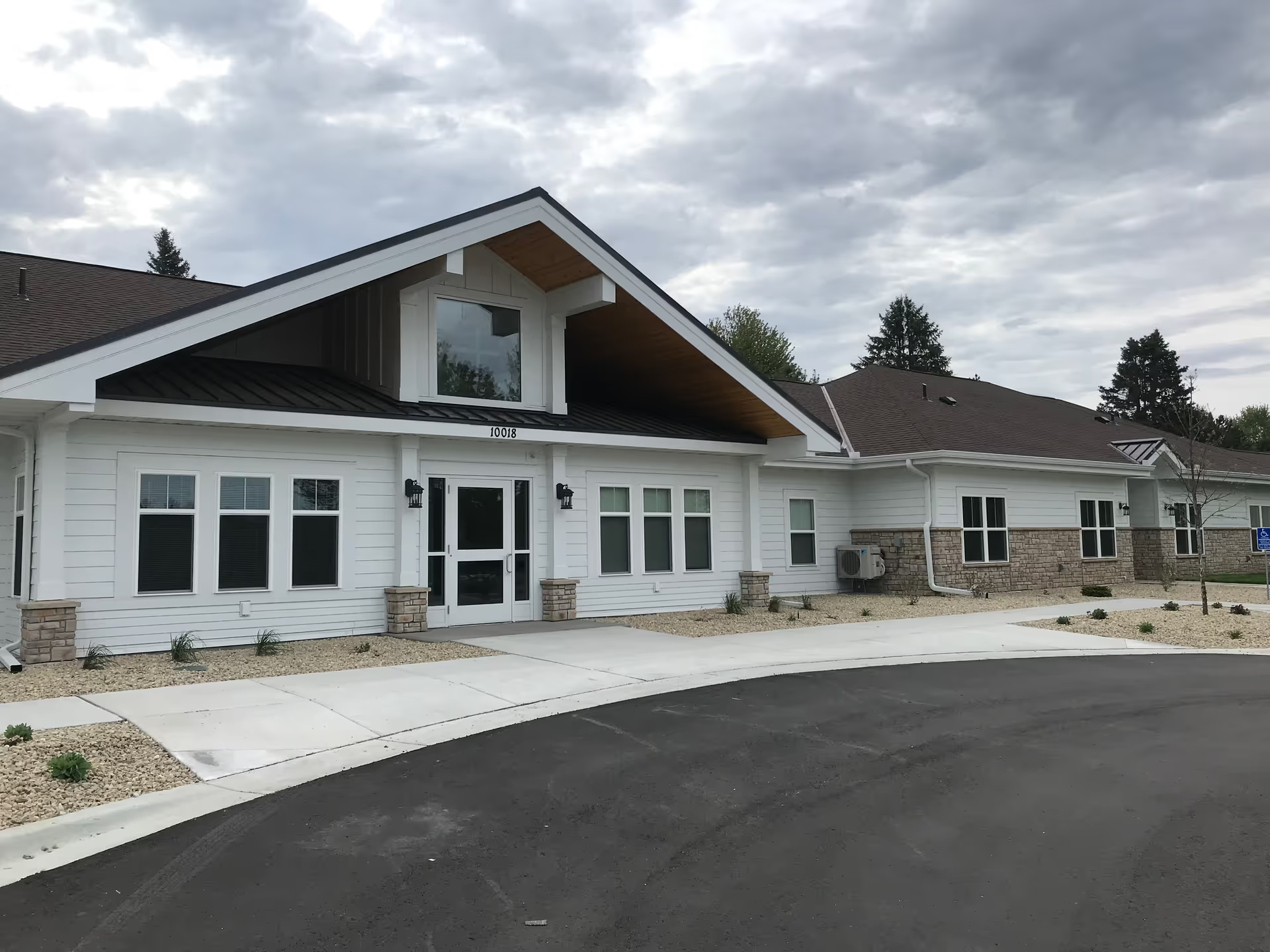
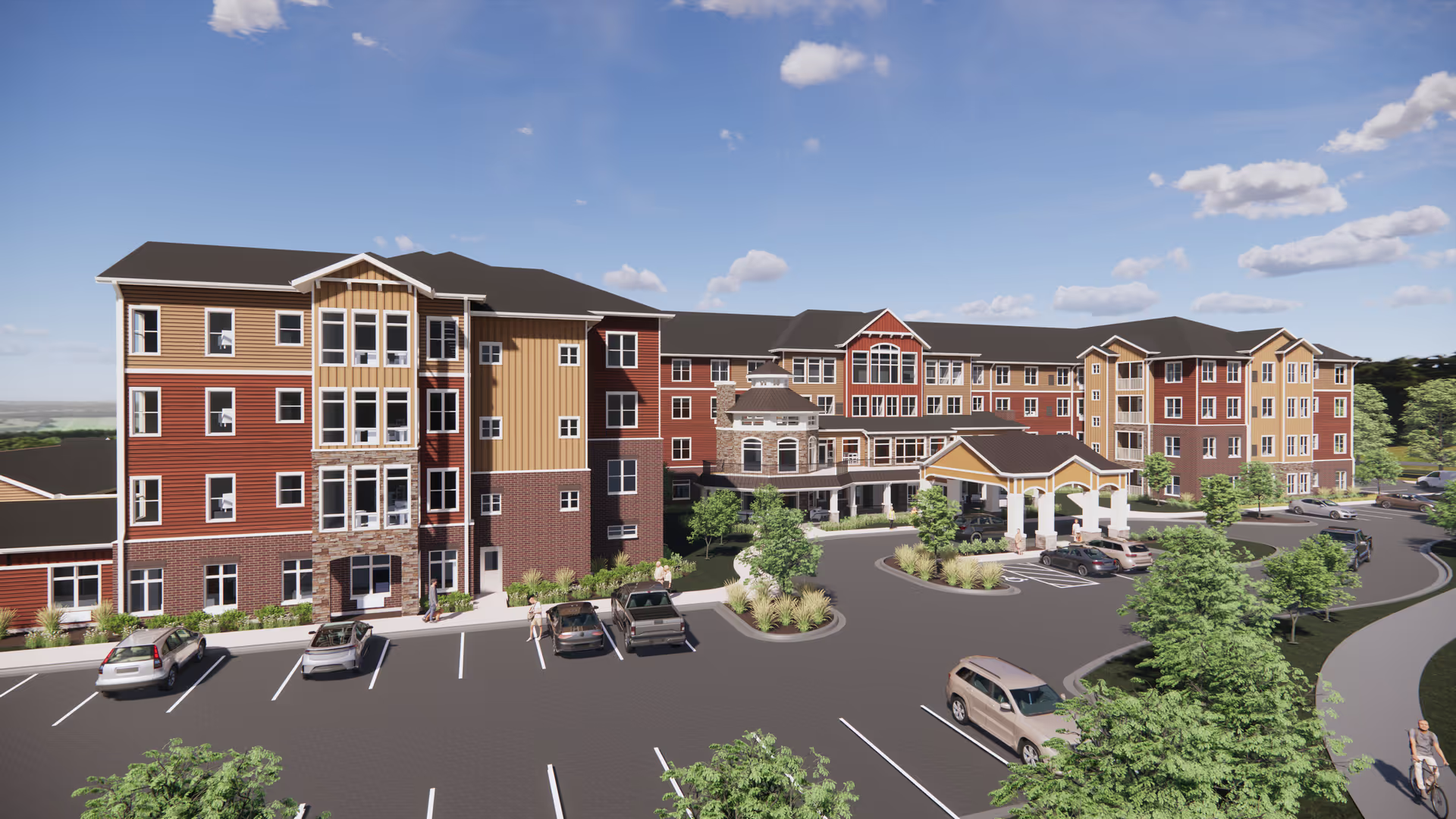
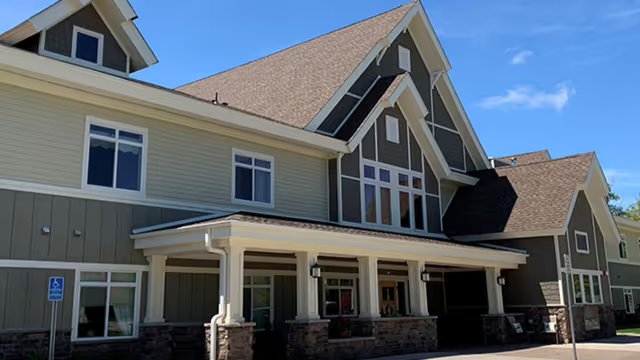
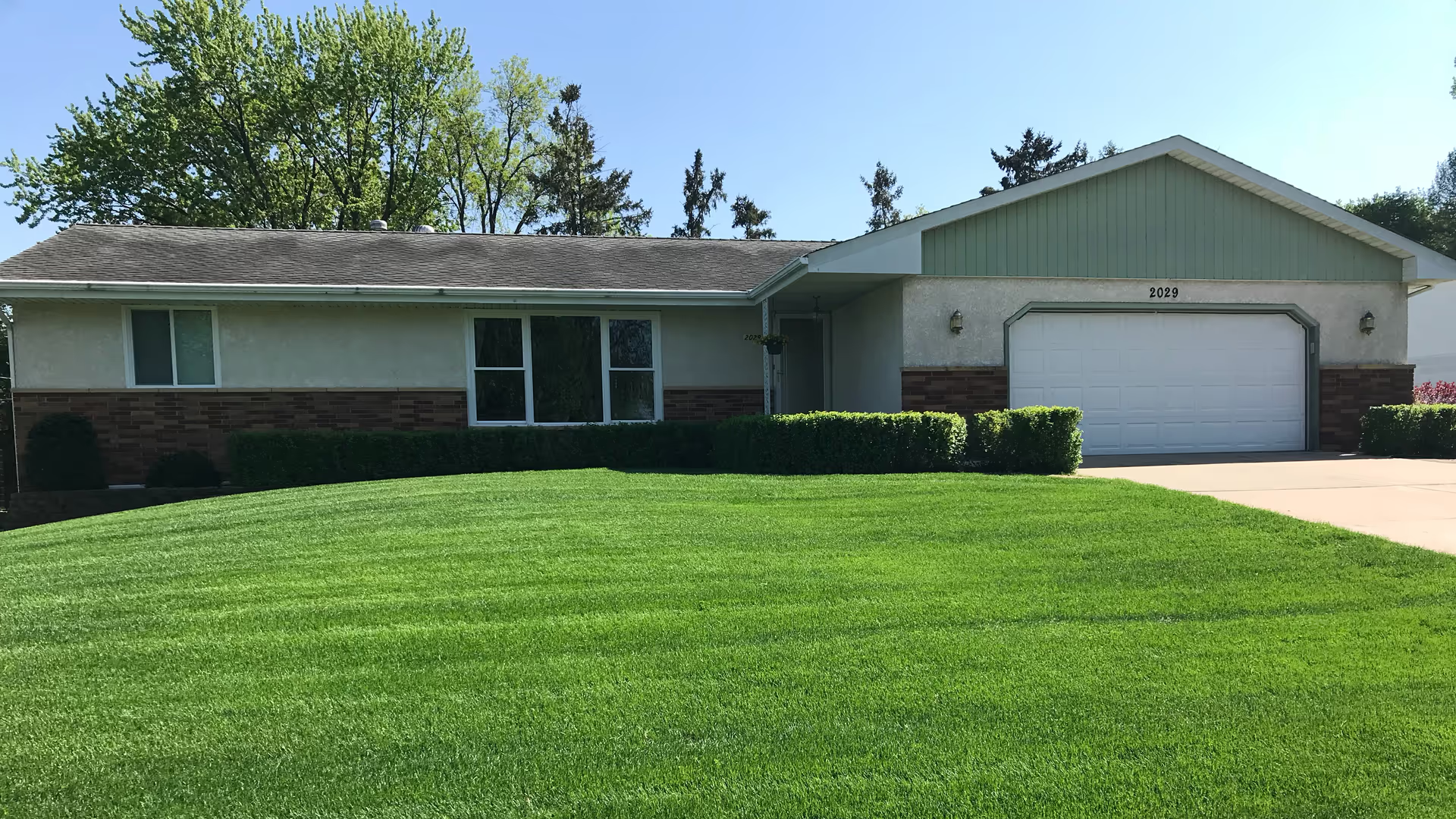
Lyngblomsten at Lino Lakes is described as an aesthetically strong, well-equipped senior living community with a number of amenities and design features families find appealing. Positive comments focus on the building’s tasteful architecture and interior presentation, an all-in-one campus model, and visible investments in fitness and aquatic facilities. Dining and culinary presentation are frequently highlighted as strengths, and the community atmosphere is characterized as welcoming with an active social calendar and offsite trips.
Care quality and staff: reviewers present a mixed picture. Many comments praise caregiving staff as kind and caring, and the facility’s appearance and cleanliness are repeatedly noted. At the same time, there are operational concerns about staff capabilities and responsiveness in memory-care contexts. Specific themes include perceived gaps in memory-care training, intermittent delays in attending to resident needs, and instances of staff activity that reviewers interpreted as distractions (notably personal-device use during shifts). These patterns suggest variability in frontline practice that could affect residents who require closer supervision.
Dining and infection control: dining quality and culinary pairings are identified as a positive asset; however, there are also concerns about sanitation and infection-control consistency. One account described issues during an infection event that raised questions about dining hygiene and related protocols. These comments indicate a need for stronger and more consistently applied infection-control and dining-sanitation procedures, and clearer communication with families when events occur.
Activities and social engagement: the community offers engaging events and field trips and some residents are described as well-welcomed into an active social program. Conversely, other comments raise concerns about activity suitability and frequency for residents with memory-care needs — reporting that programming can be overstimulating or not well tailored to cognitive limitations, and that some residents experience limited companionship. This points to opportunities to better tailor programming and staffing ratios to match the needs of different resident populations.
Management and operational oversight: a recurrent pattern is concern about supervisory and managerial follow-through. Comments indicating a lack of visible oversight — for example, inconsistent staff conduct, unresolved sanitation questions, and variability in personal-care routines — suggest the facility may benefit from strengthening supervisory practices, staff training refreshers, and enforcement of professional standards (including personal-device policies). Improving these areas could help align the positive environmental and culinary strengths with consistently reliable care delivery.
Overall impression: Lyngblomsten at Lino Lakes appears to offer a high-quality physical environment, strong dining, and engaging programming for many residents. However, families should evaluate the facility’s memory-care protocols, supervision levels, infection-control practices, and activity tailoring during tours and conversations with leadership. Asking for details on memory-care training, staffing ratios in the memory unit, recent infection-control audits, supervision practices, and examples of individualized activity plans will help prospective residents and families assess fit and risk mitigation strategies.