Overall impression is mixed, with strong positives around interpersonal care and therapy balanced against recurring operational and clinical concerns. Many accounts describe staff who are welcoming, compassionate, and resident-focused; reviewers frequently highlight attentive nursing, strong rehabilitation programs, on-site music therapy, engaging activities, and a culinary director responsive to dietary needs. These strengths make the facility appealing for residents seeking active therapy and a social environment, and several comments emphasize a pleasant admissions experience and good food.
At the same time, there are substantive and recurring operational issues. Descriptions indicate inconsistent staff competence and training, and variability in care quality between shifts or units. Several items point to gaps in clinical-care processes — such as oxygen and suction management and tracheostomy-related procedures — and slower-than-expected clinical responses in some situations. There are also explicit safety concerns for residents with cognitive impairment linked to unsecured exits or door controls, suggesting the need to confirm secure-exit policies and supervision protocols for that population.
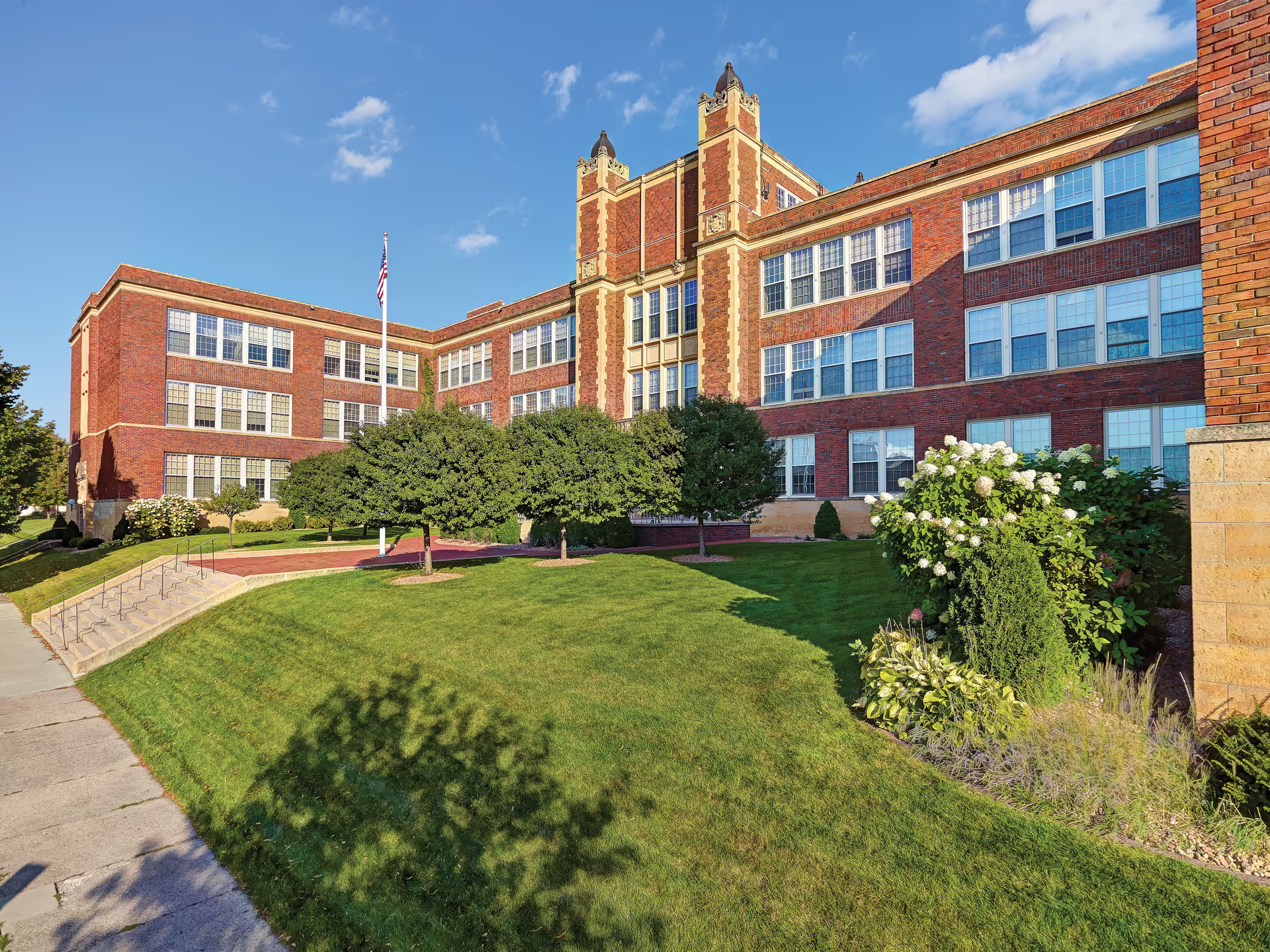
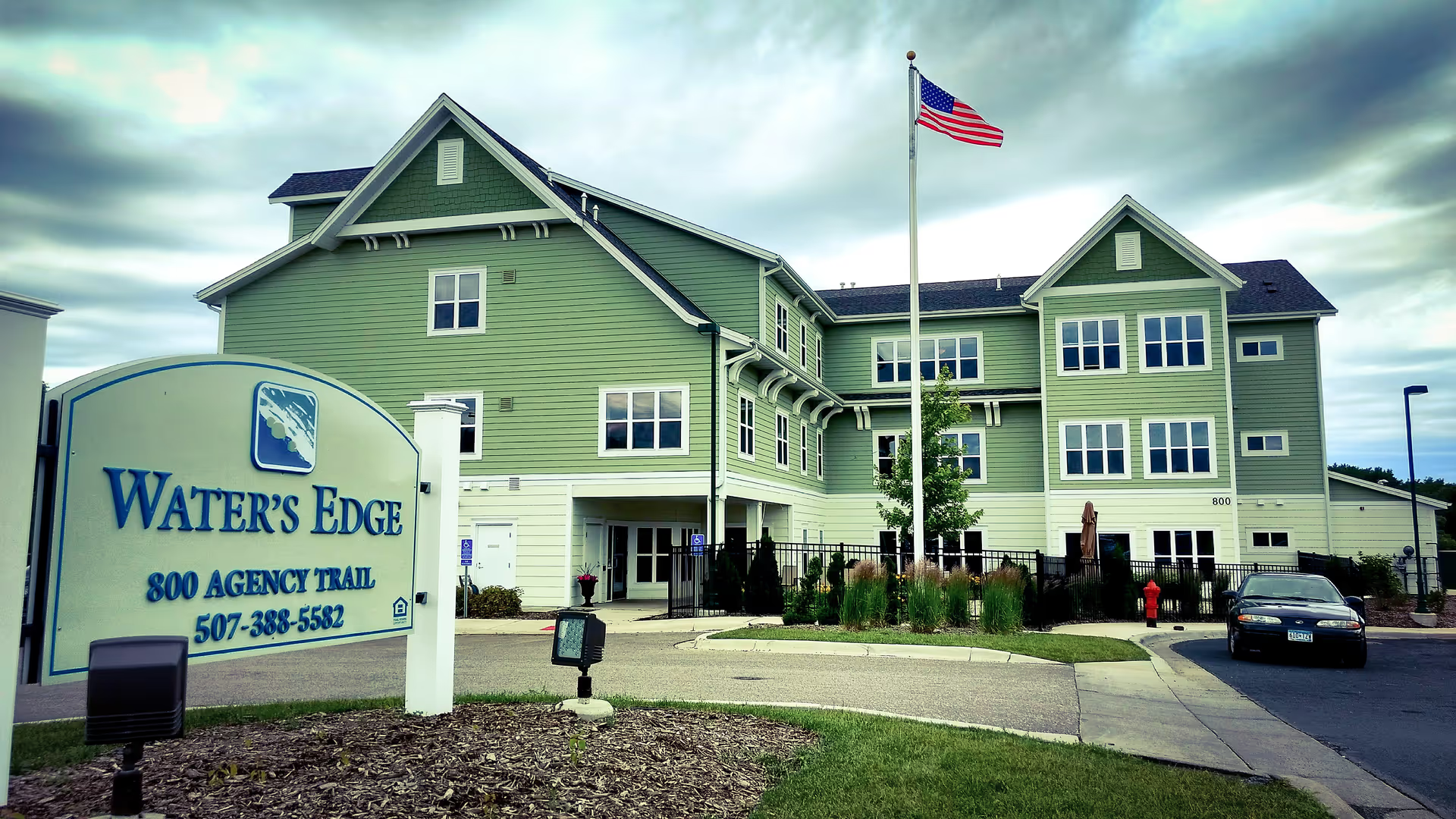
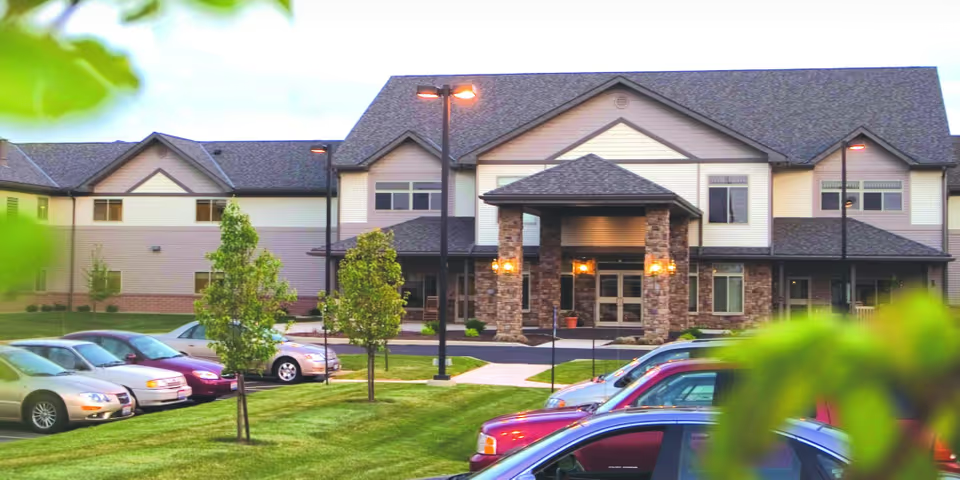
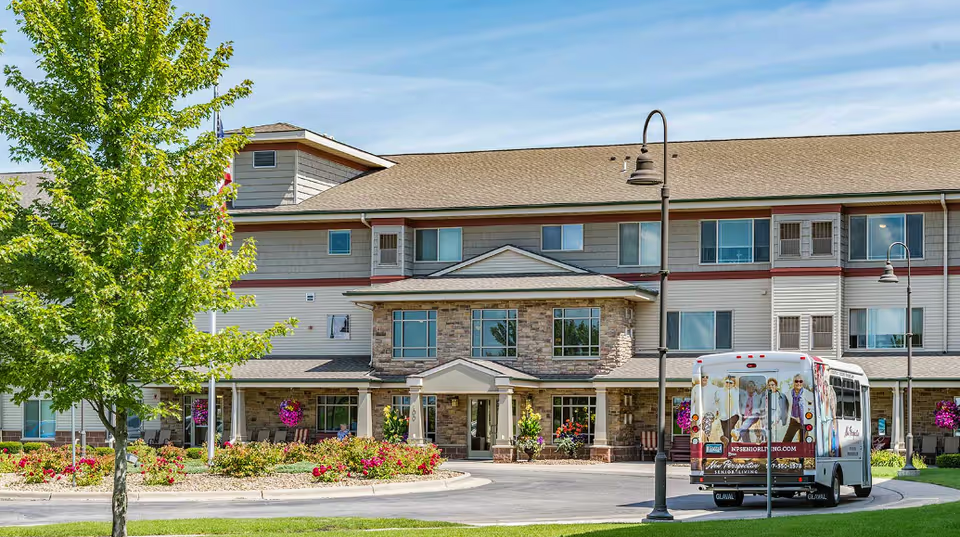
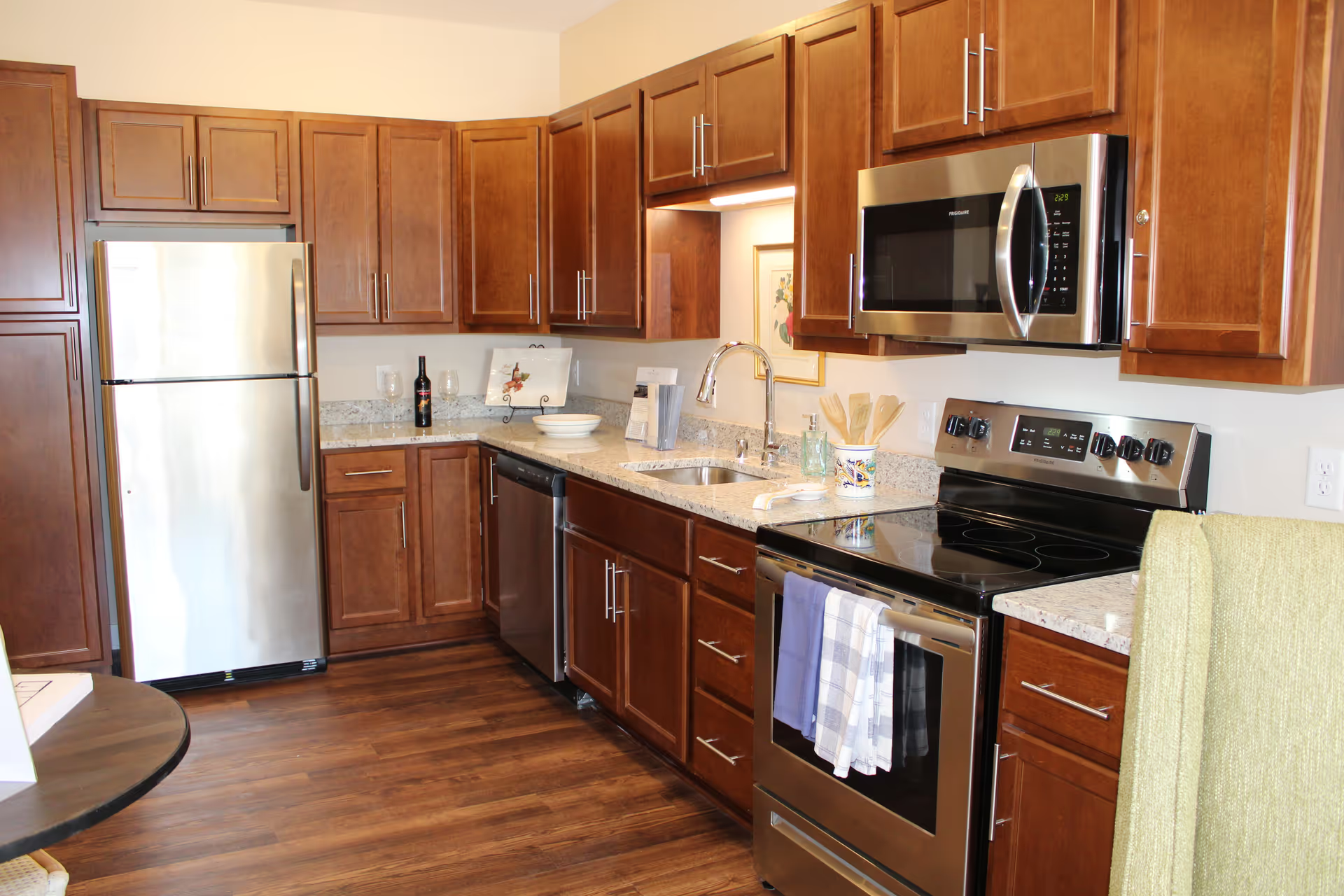
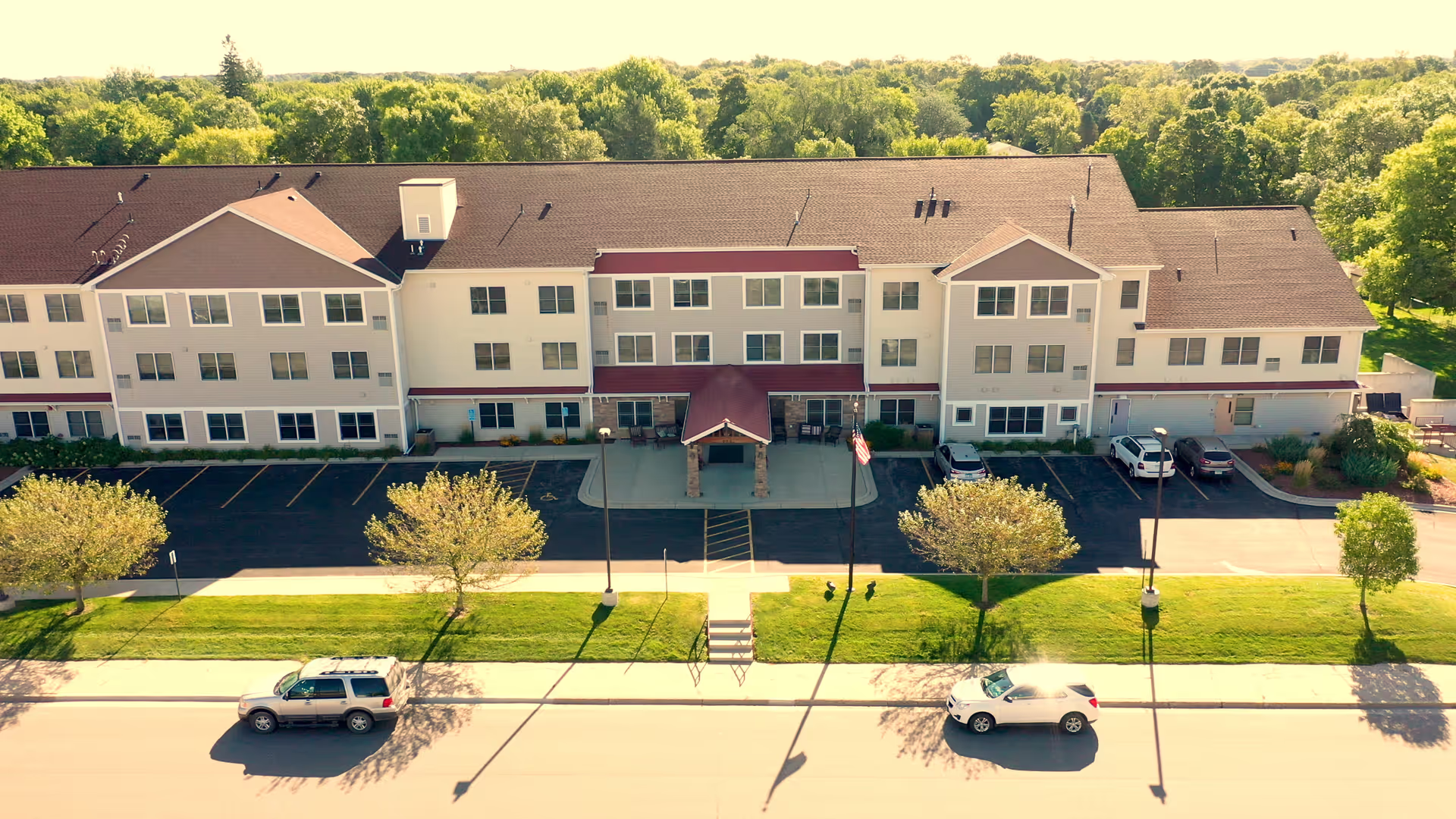
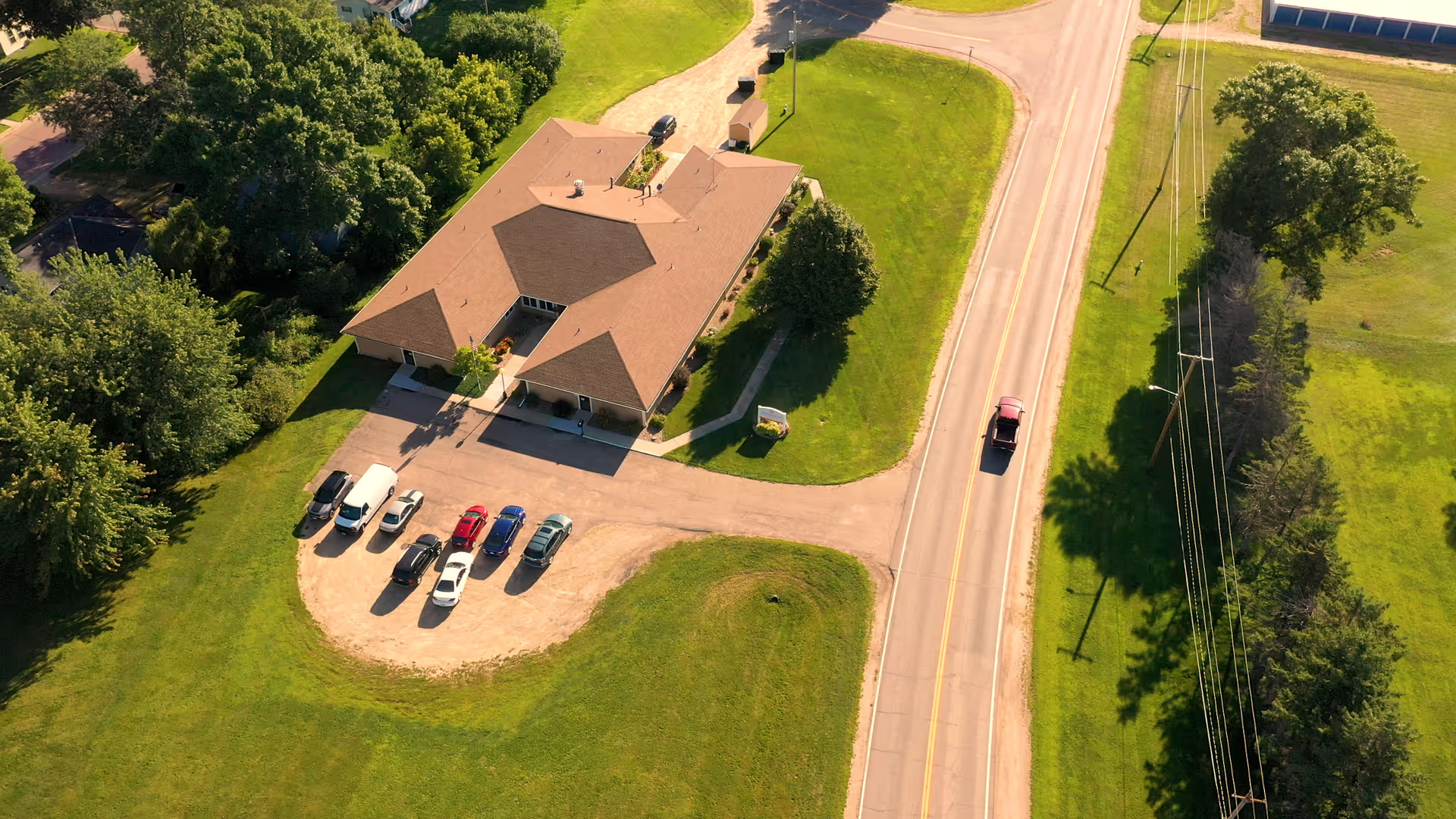
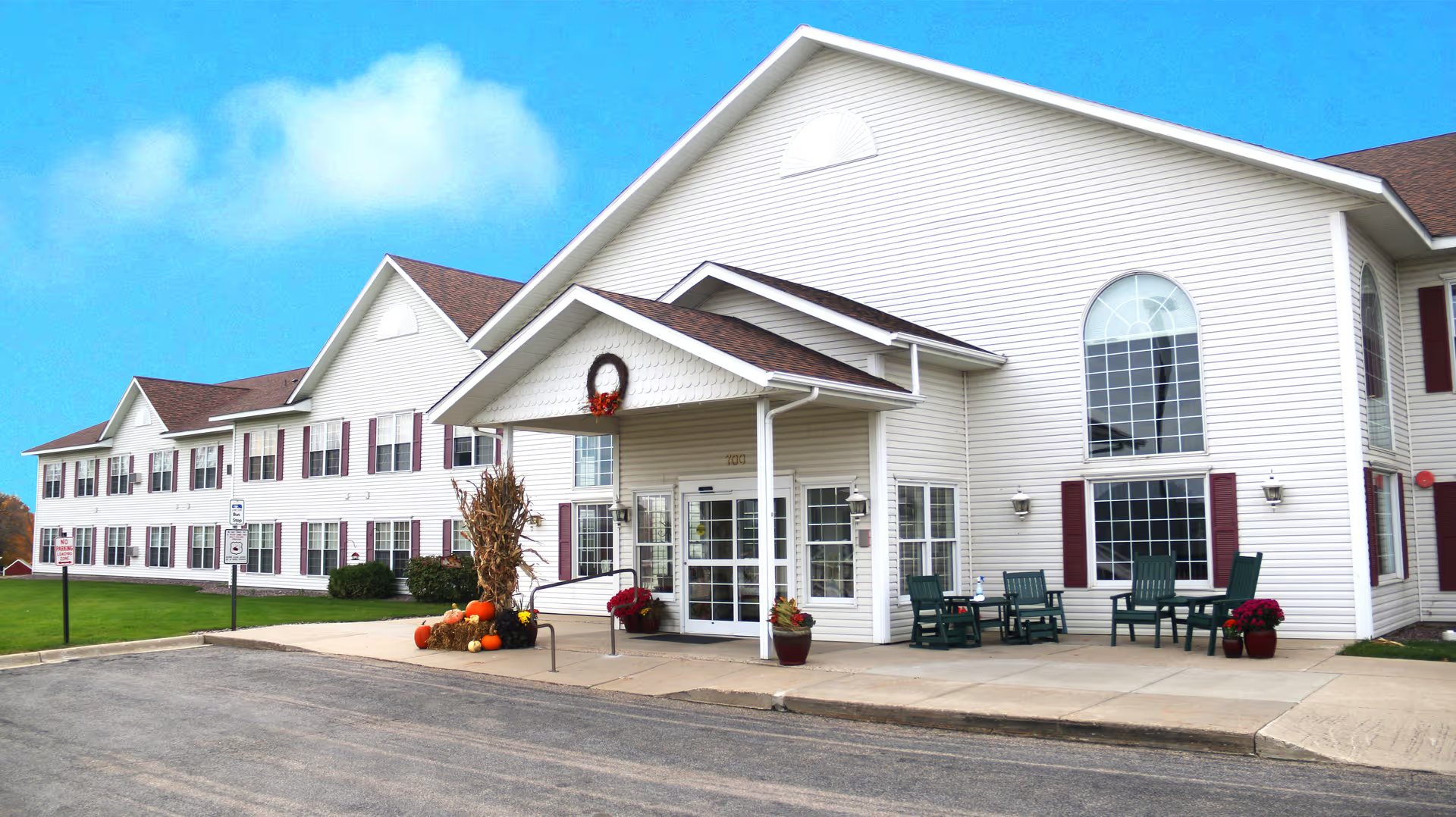
Facility condition feedback is mixed: some reviewers describe clean, attractive common areas and well-maintained spaces, while others indicate aging infrastructure, broken or poorly maintained equipment, and episodic sanitation issues. These conflicting descriptions suggest maintenance and housekeeping performance may vary across units or over time. Management and administrative themes include disorganization, inconsistent oversight, and concerns about how corporate-level decisions align with on-site operations, which can affect staffing, maintenance prioritization, and communication with families.
For prospective residents and family members, the most important takeaways are the facility's apparent strengths in rehabilitation, social engagement, and a generally warm staff culture, contrasted with operational risks that could affect higher-acuity or memory-care residents. Recommended topics to address during a visit or inquiry: current staffing levels and training programs, clinical protocols for respiratory care and emergency response, secure-exit and wandering-prevention measures, maintenance and equipment-repair processes, infection-control and sanitation audits, and how corporate oversight interacts with local administration. Verifying these specifics will help determine whether the facility’s strong rehabilitative and social offerings are matched by reliable clinical and safety practices for an individual’s needs.