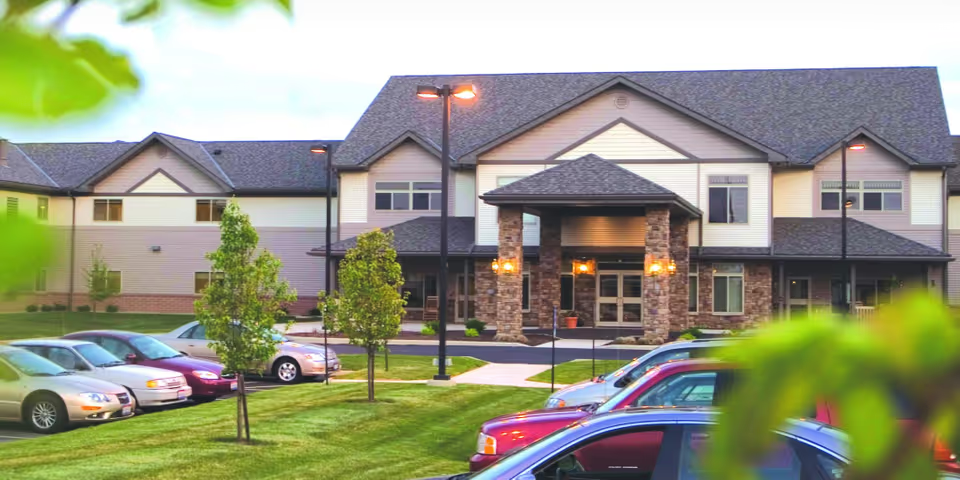
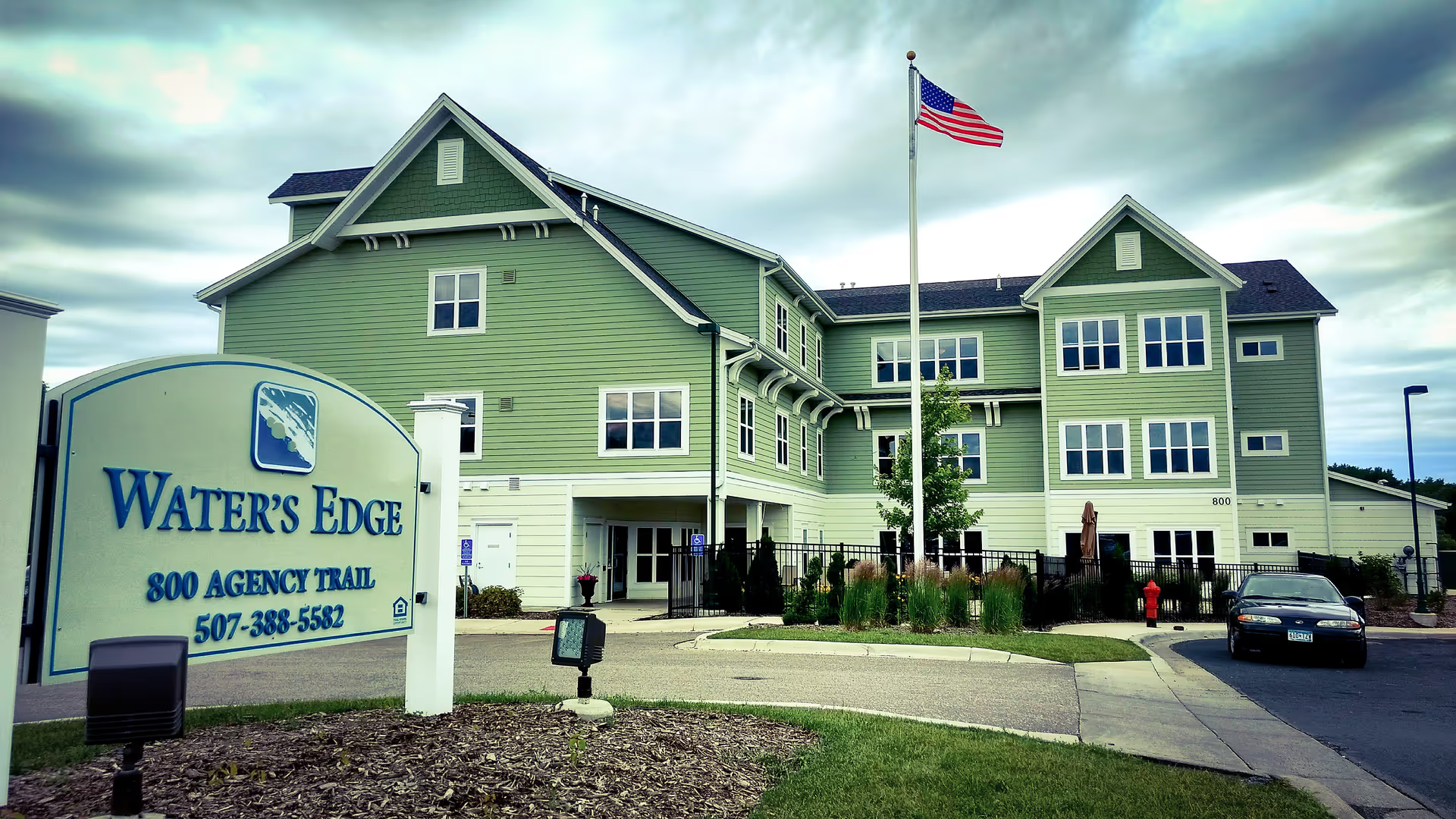
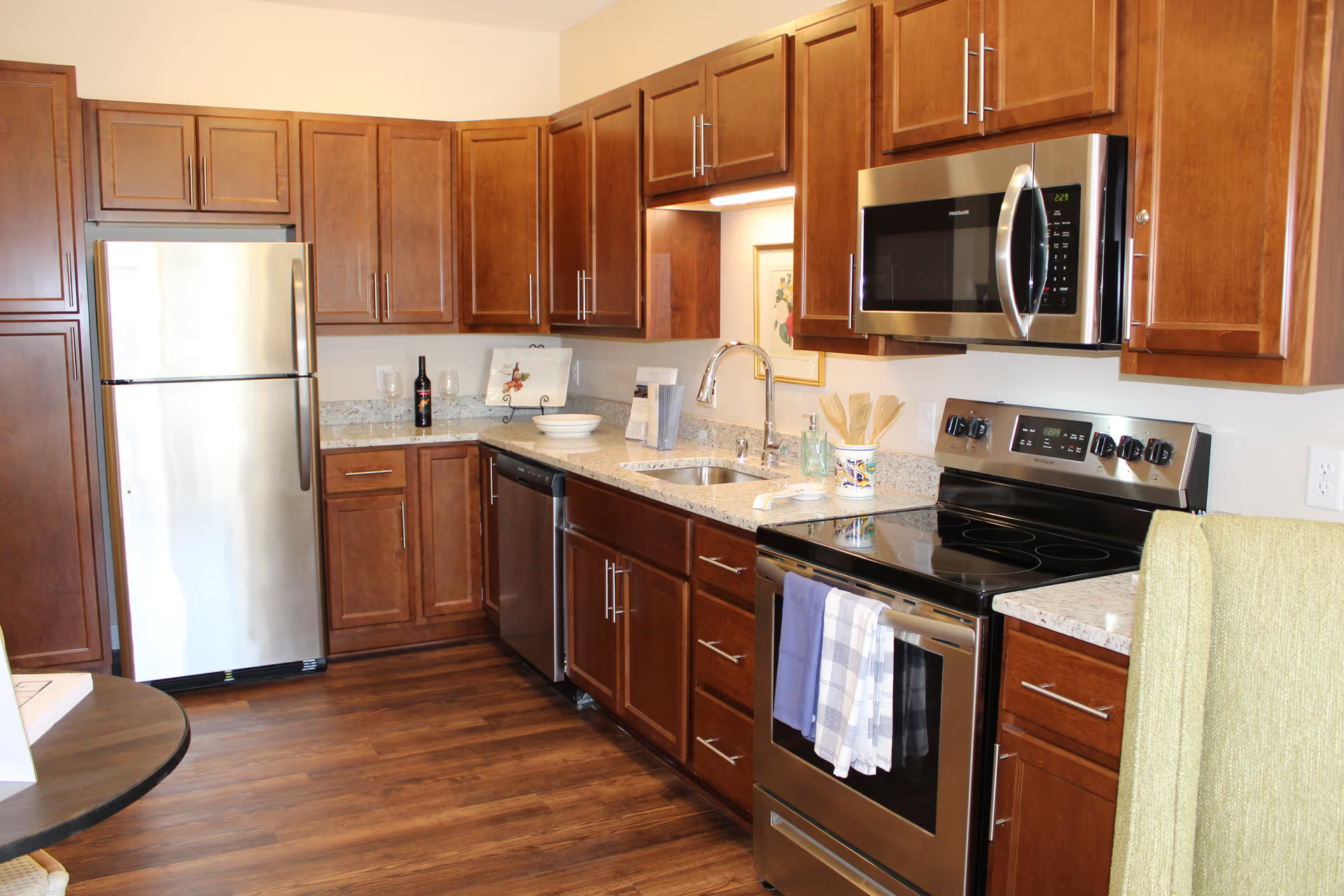
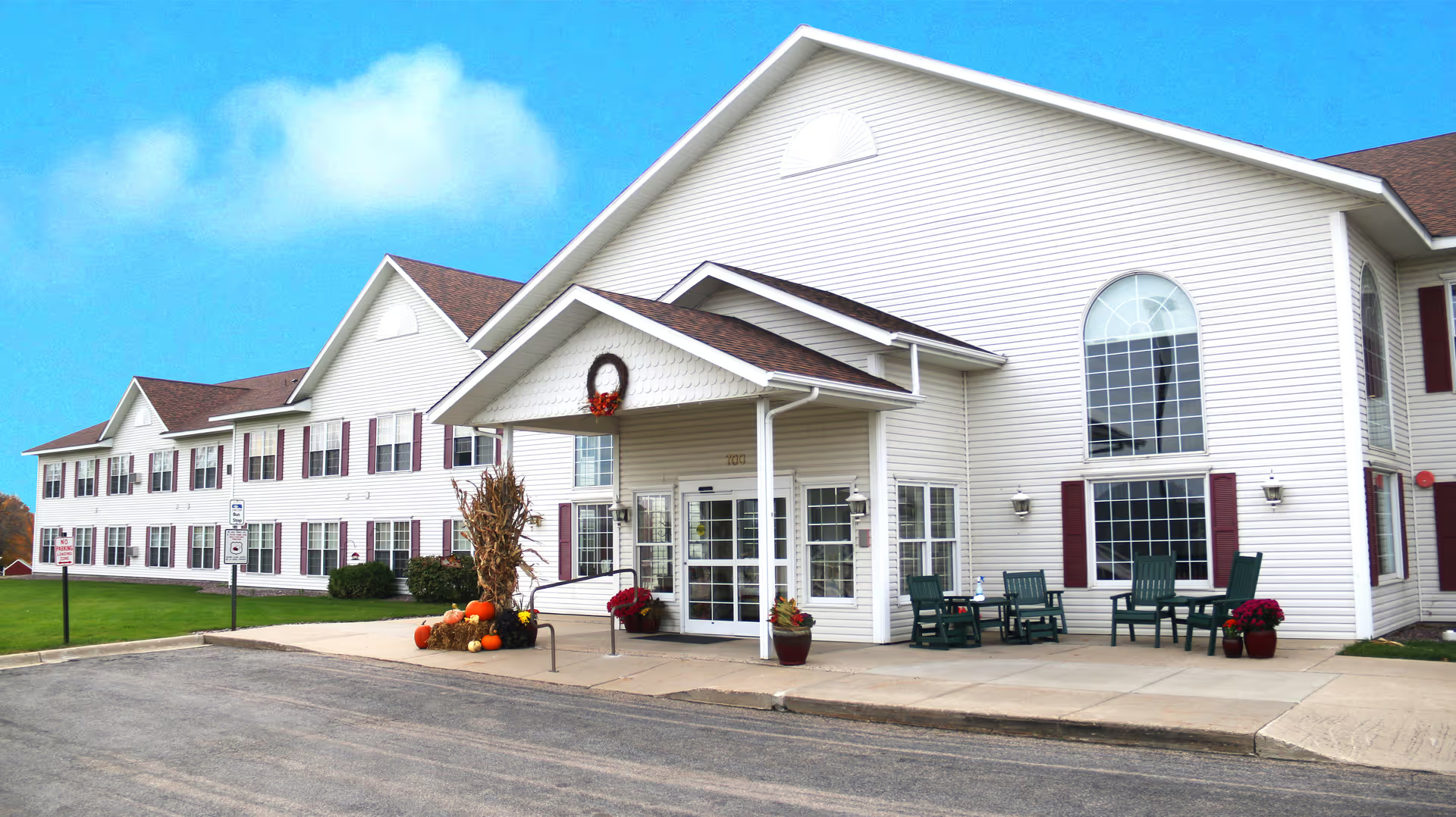
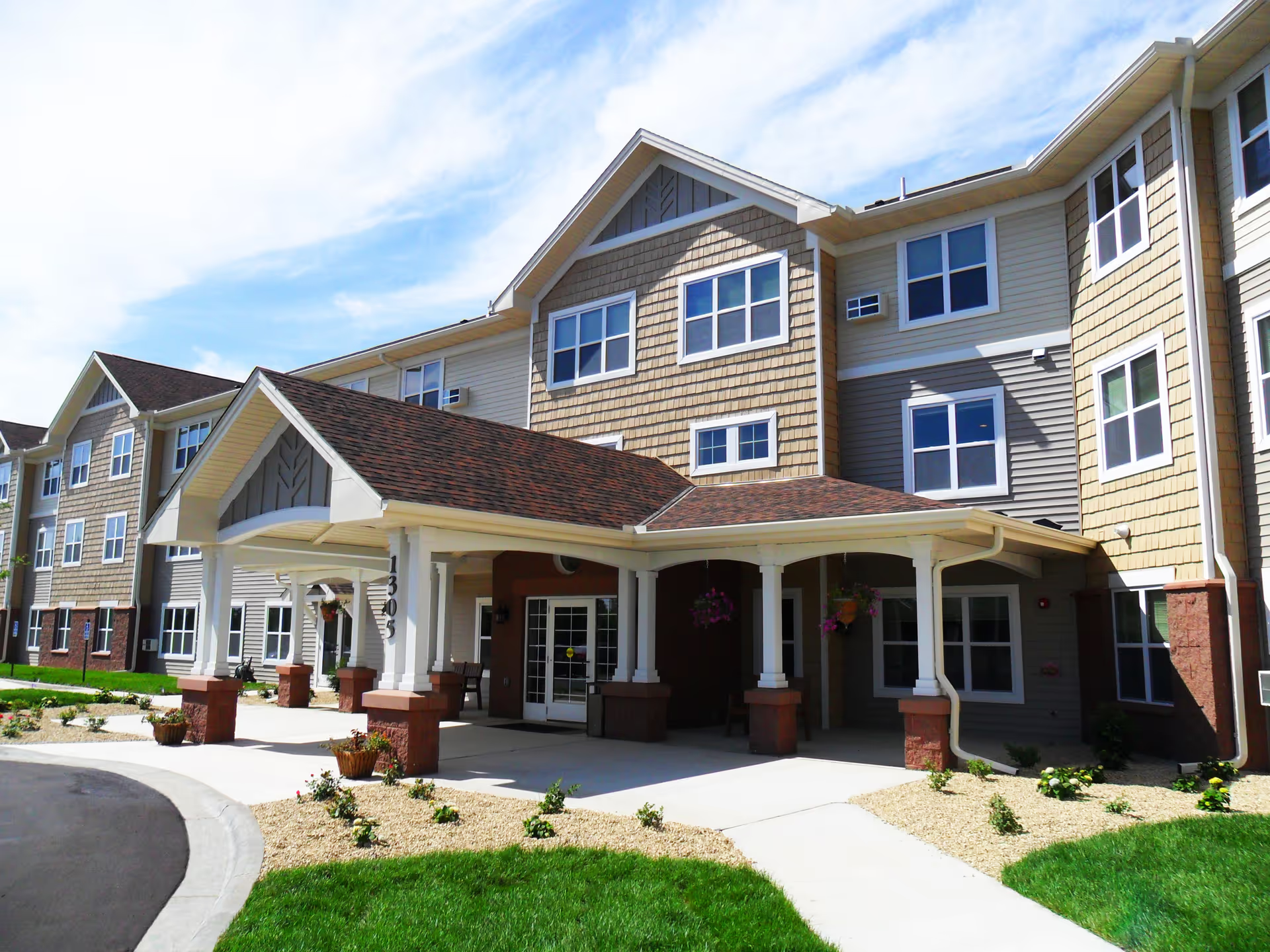
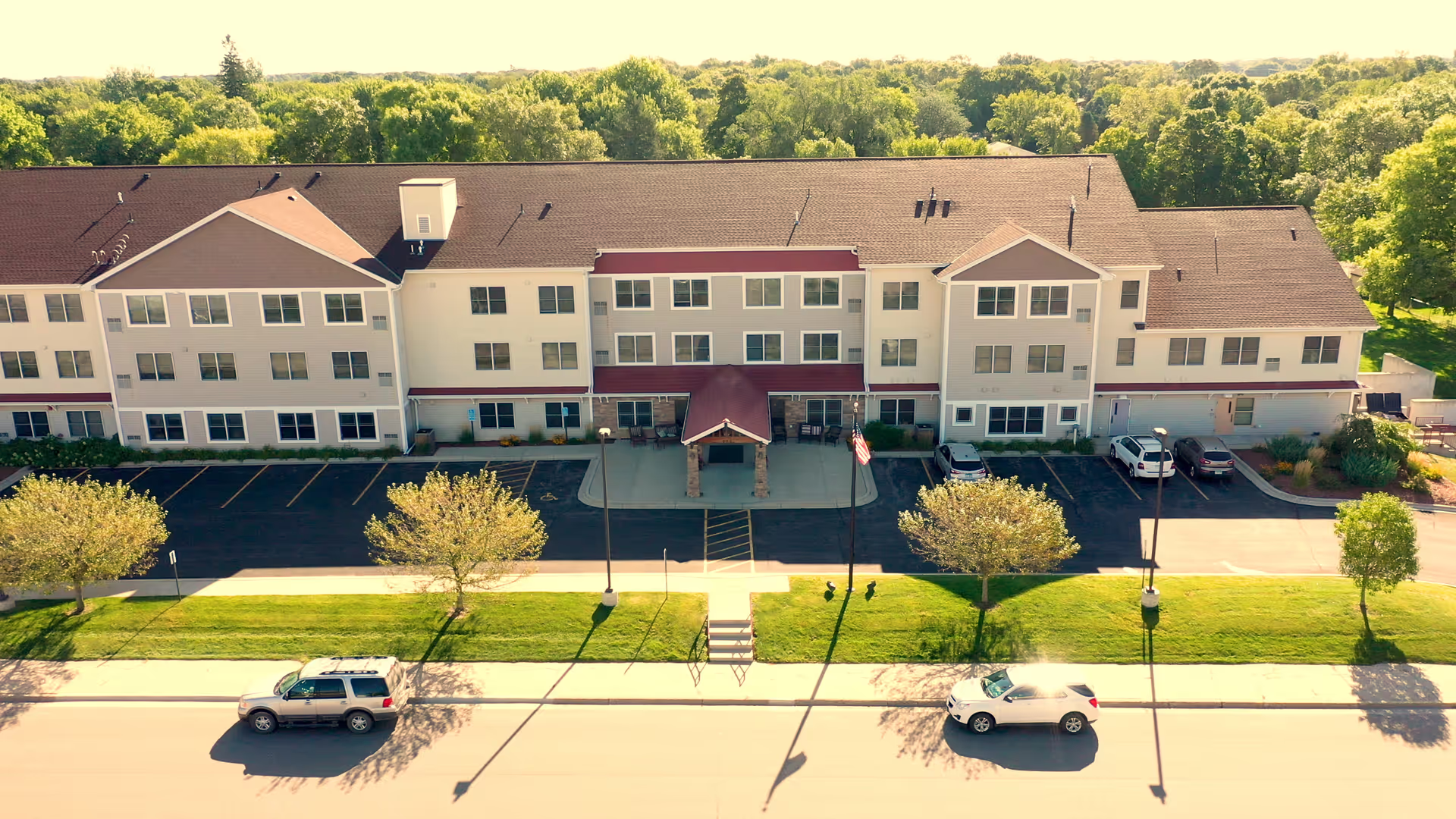
New Perspective Senior Living - Mankato elicits a mixed but distinct pattern of strengths and operational concerns. Many families and residents praise the facility's warm caregiving culture, robust activities calendar, attractive physical plant, and strong dining program. At its best the community offers compassionate direct care, home-style meals, a variety of social and wellness options (exercise classes, crafts, walking clubs, and regular services), and useful on-site amenities such as a library, movie theater, barber area and transportation services. Apartments are frequently described as spacious and bright, and housekeeping/maintenance are often viewed as attentive in common areas.
Care quality is uneven across levels. Independent and assisted-living residents are generally well supported, with families noting a genuine, family-like atmosphere and accessible care teams including nursing, therapy, and dietary resources. However, several reviews raise substantive concerns specific to the memory-care unit: inconsistent supervision, difficulty with dressing/feeding assistance, and perceived gaps in staff dementia competencies. Reviewers also describe clinical process shortfalls such as medication-administration errors and delays in clinical follow-through. These point to broader operational issues around staffing, training, and incident-response protocols that prospective families should investigate.
Staffing and management produce polarized impressions. Numerous comments emphasize caring and hardworking staff, strong activity directors, and responsive admissions/sales personnel who facilitate smooth transitions. Conversely, other comments cite staffing shortages, low wages for direct-care and housekeeping positions, and management follow-through that can be inconsistent. These operational pressures appear to contribute to variable experiences with communication, incident follow-up, and housekeeping standards across different units.
Dining is a clear strength for many residents: reviewers frequently describe the food as delicious, varied, and home-cooked. That said, other families report inconsistent meal timing, cold or late deliveries, and occasions where prescribed diets were not consistently followed. This suggests reliable meal quality in the dining room with some vulnerability in service continuity for room-delivered or specialized meals.
Facilities and programming score well overall. The community is repeatedly described as clean, attractive, and well-appointed, with ample activities and opportunities for family involvement. Amenities and transportation options are meaningful advantages for active residents. Cost and value concerns appear repeatedly; several reviewers characterize pricing as high and note occasions where ancillary fees or extra charges were not clearly communicated during move-in.
Notable patterns for prospective residents and families: (1) the facility can deliver excellent day-to-day living, social engagement, and dining; (2) experience in memory care and during clinical incidents is more variable and merits targeted inquiry; (3) staffing levels, dementia-specific training, medication-safety practices, after-hours access, and fee transparency are key areas to evaluate during tours. Also be aware of at least one serious allegation of discriminatory behavior mentioned by reviewers — this should prompt direct conversation with leadership about policies, staff training, and grievance processes. Asking specific questions about staffing ratios, dementia-care certification, incident-response and family-notification protocols, diet-management procedures, and a clear itemization of ancillary fees will help families judge fit and risk for an individual resident.