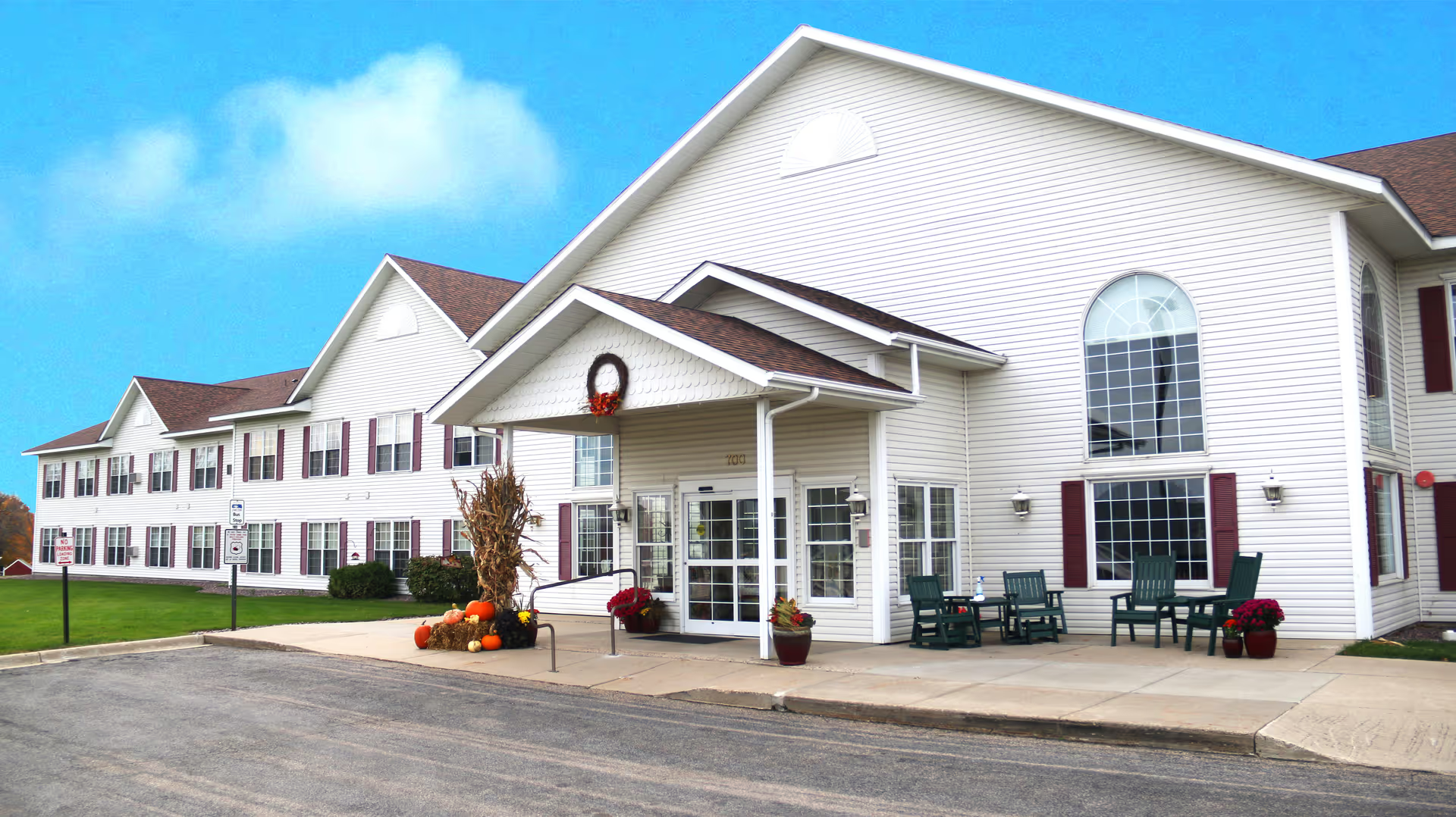
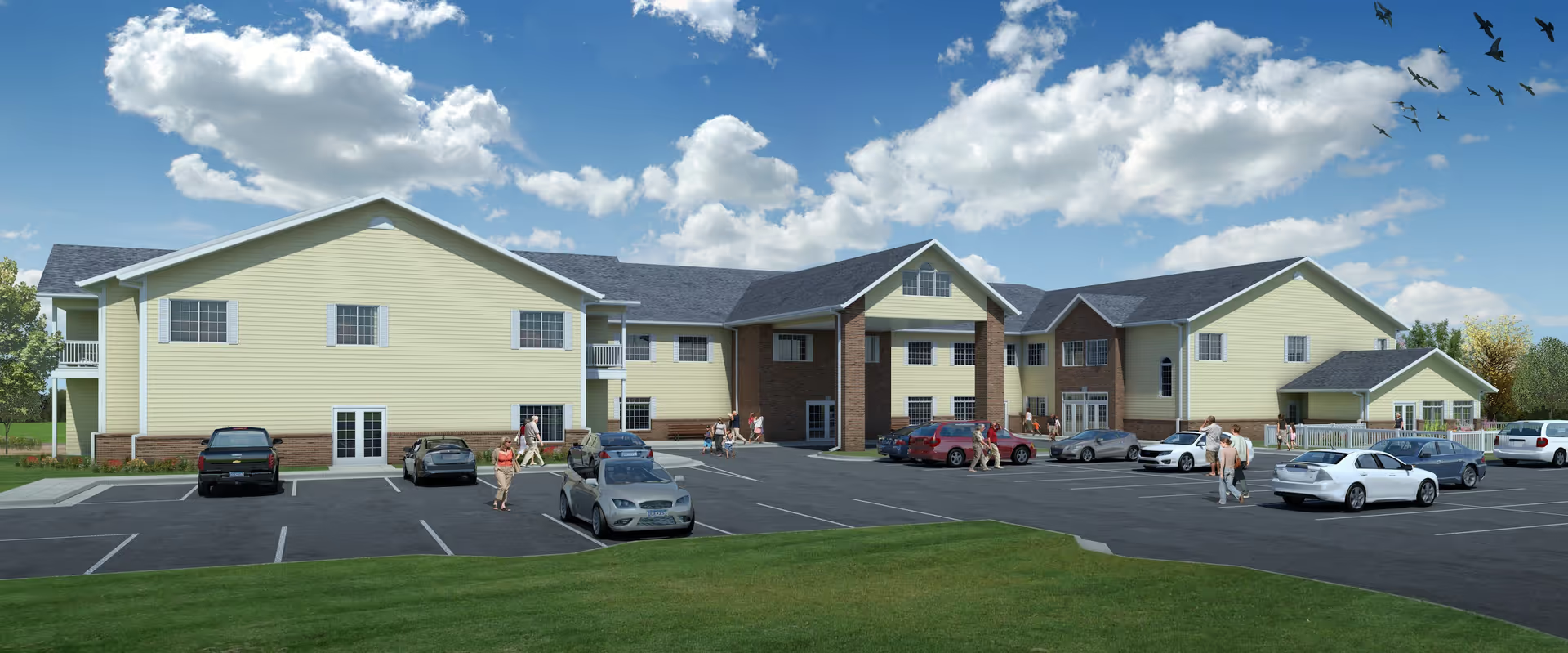
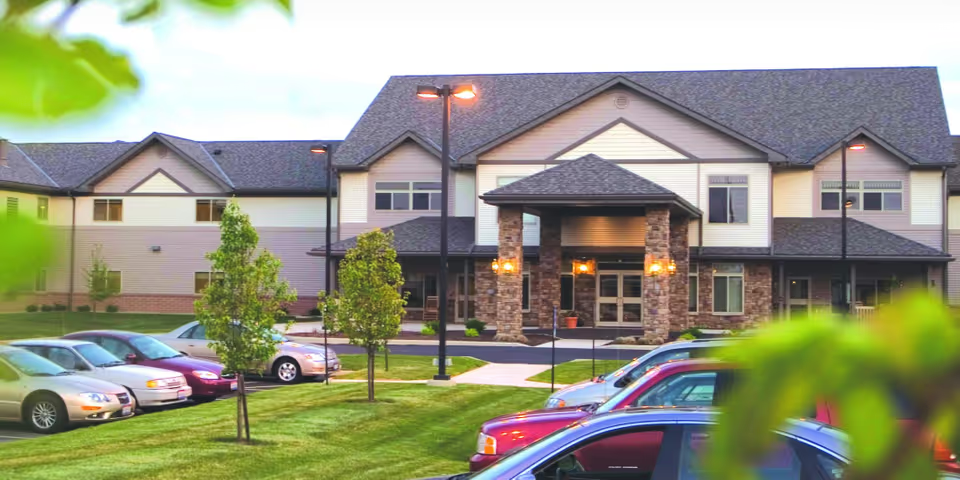
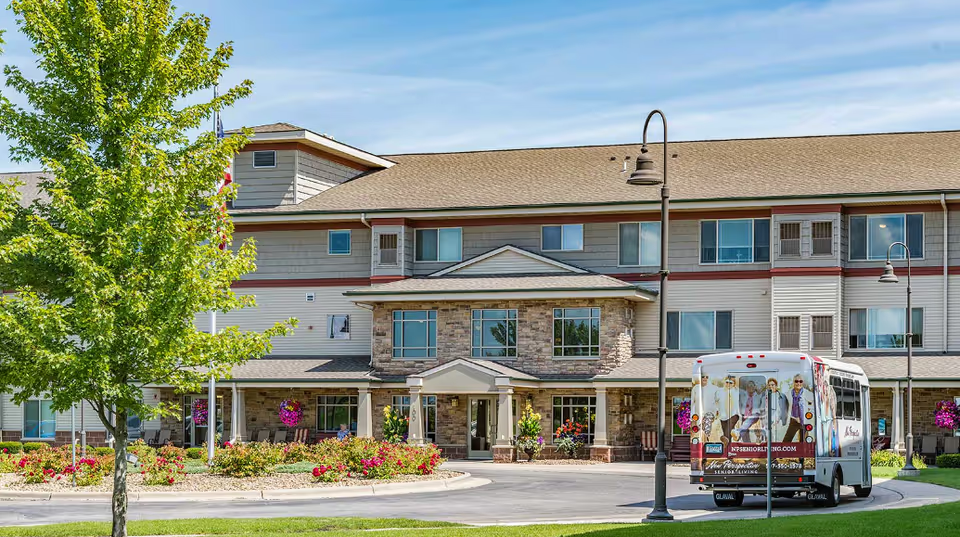
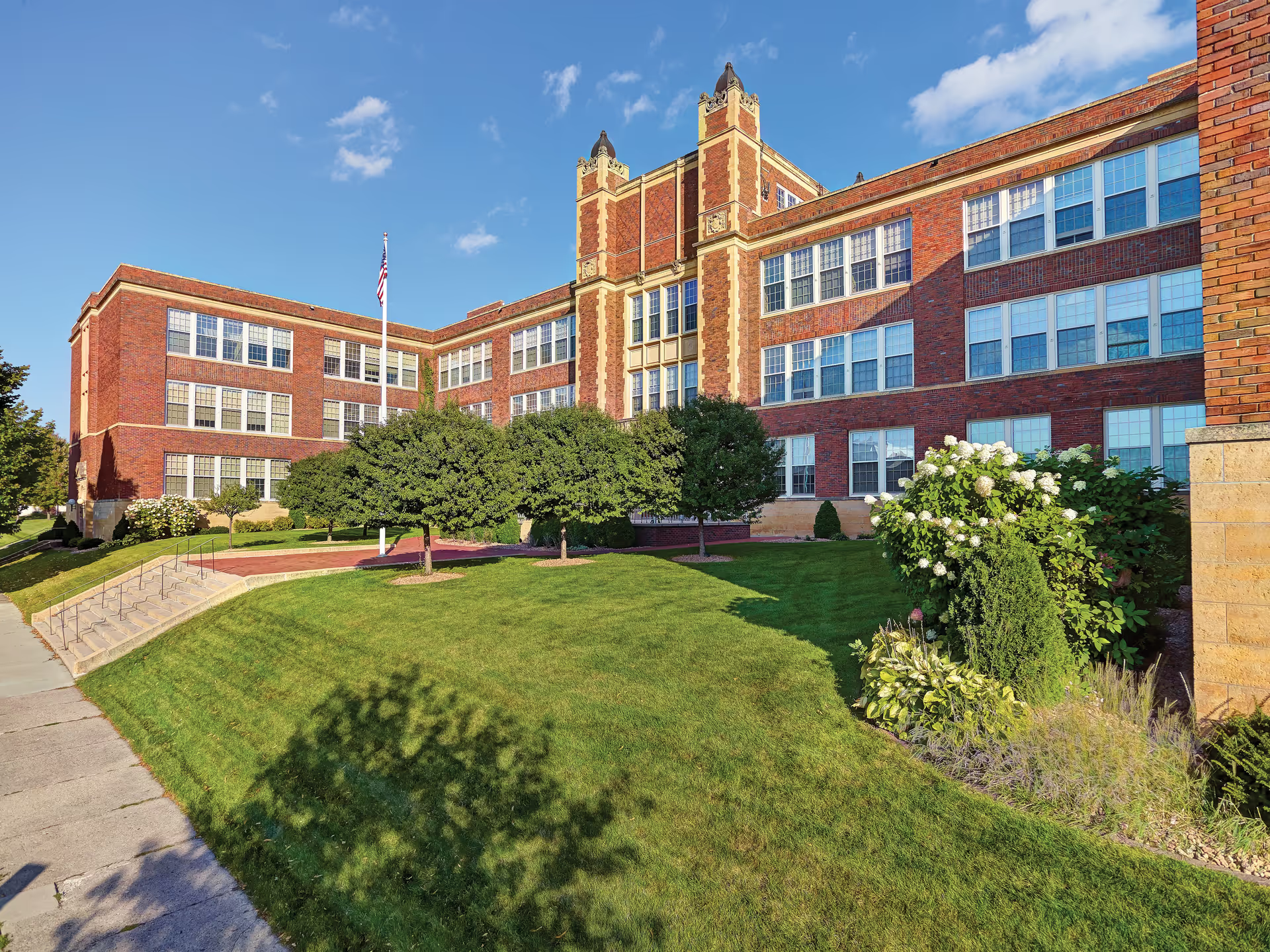
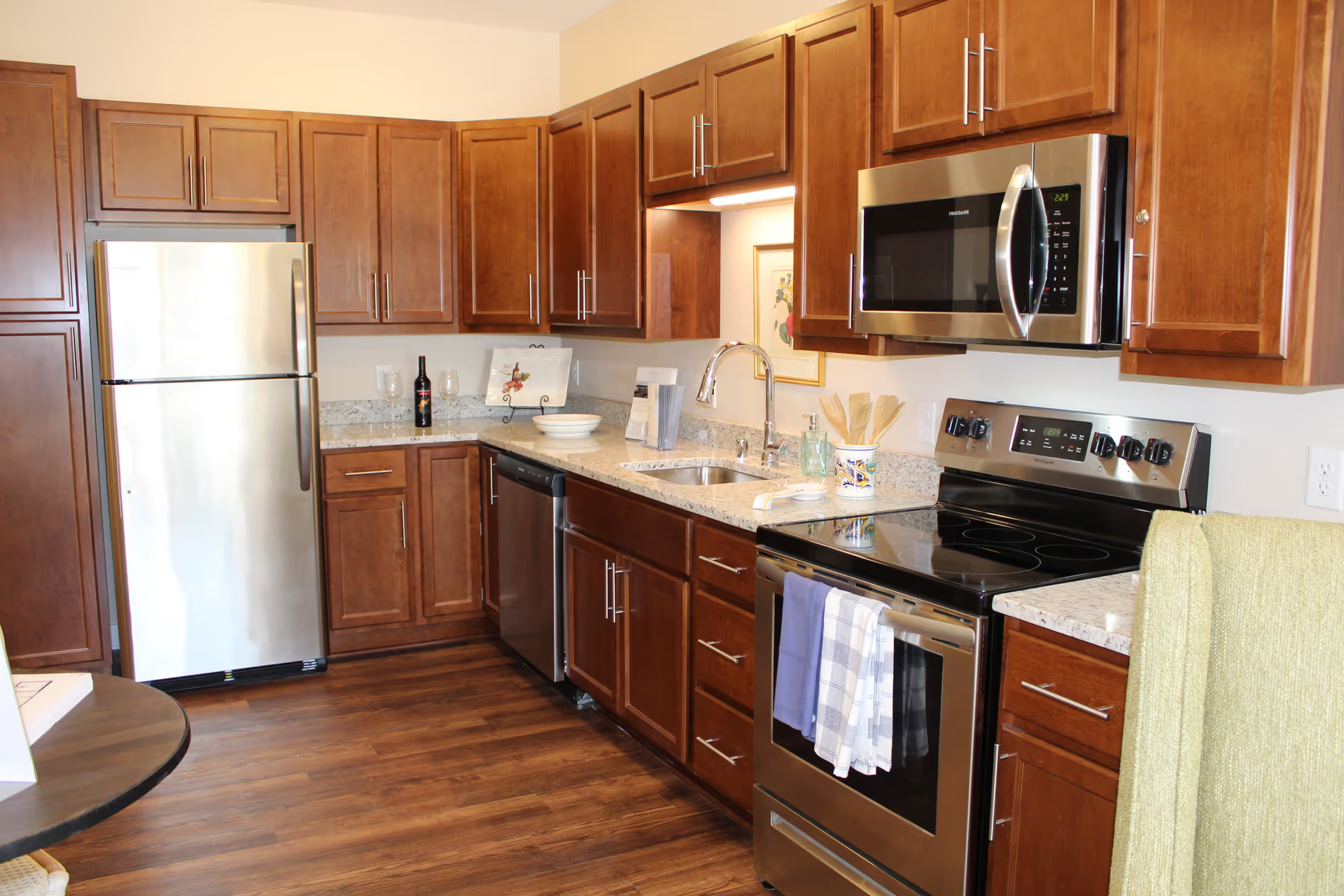
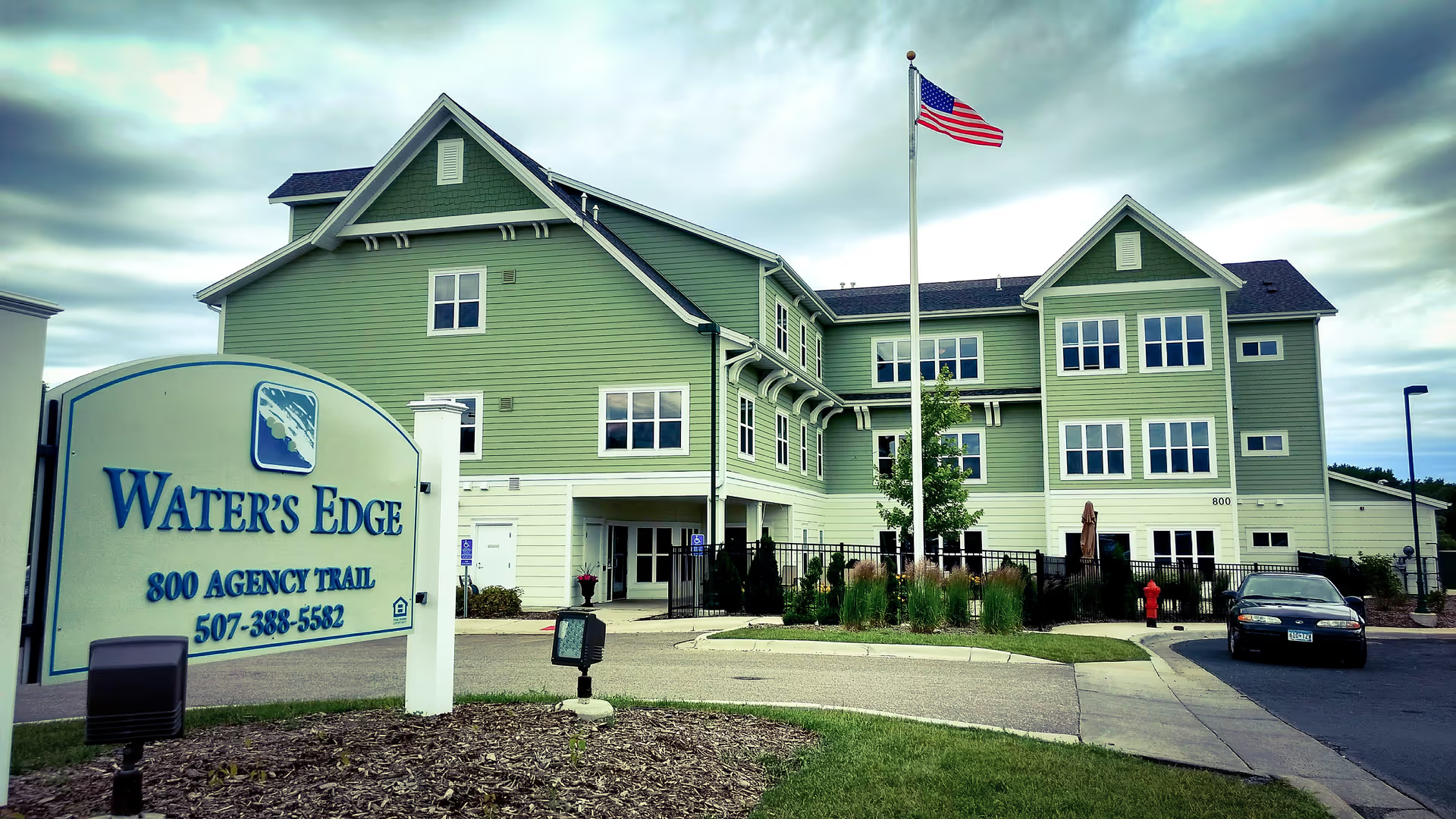
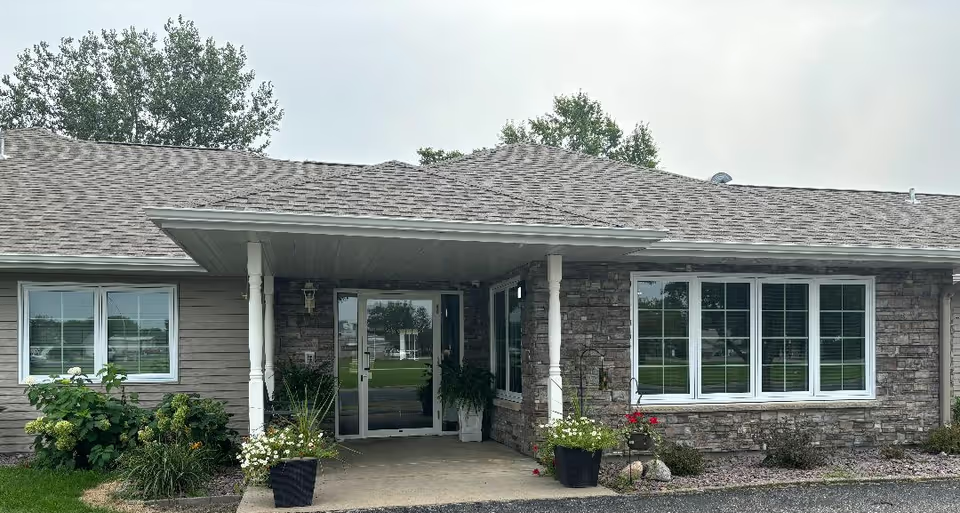
Overall impression: Reviewers convey a generally positive view of Ecumen Prairie Hill’s environment and many of its caregiving strengths, while also identifying operational areas that merit attention. The facility’s new, contemporary design and well-kept interior are repeatedly highlighted; families describe a bright, hotel-like lobby, airy apartments with large bathrooms, open dining with outdoor views, social rooms and patio space, and amenities such as weekly bedding service, self-serve laundry, and on-site animals that support resident engagement.
Care and staff: Staff behavior is the most consistently praised element. Reviewers describe caregivers, nurses, and management as compassionate, dignified, and attentive; several note prompt clinical responses and meaningful ceremonies or personalized attention. The memory-care unit is cited as a strength: a small, 12-resident household model with relatively high attendant staffing and around-the-clock RN/LPN coverage that families perceive as supportive. There are also multiple accounts of successful rehabilitative support and transitions back toward greater independence for residents.
Daily life, dining, and activities: Reviewers report an active social program with plentiful activities and outings, accommodating meal service for dietary preferences, and a pleasant dining environment. Apartment-level features such as kitchenettes, balconies, and roomy bathrooms are seen as positives for resident comfort. Overall cleanliness and a well-maintained building are mentioned consistently.
Management and operational patterns: Several reviewers raise concerns about staffing consistency and clinical coordination outside the memory-care unit. These concerns take the form of uneven staffing levels on some shifts, gaps in training or coordination among team members, and occasions where management follow-through or clarity of communication could be improved. Families have welcomed steps toward better communication — for example, monthly meetings between resident assistants, management, and nursing staff — but indicate that sustained improvement in training and operational follow-through is needed.
Safety and quality considerations: While many families praise prompt attention and top-notch nursing in certain areas, others express broader concerns about care-quality and safety practices as operational traits rather than single incidents. Prospective families should inquire directly about staffing patterns by shift, training programs for new and existing staff, and how safety or care-quality issues are tracked and resolved.
Other practical notes: The facility’s relative newness and modern amenities are assets. Some reviewers indicated uncertainty about pricing or financial transparency; prospective residents and families may benefit from clear, itemized explanations of costs and services. The memory-care model is described as non–government-regulated, which some view positively but others may want to clarify in terms of oversight and standards.
Bottom line: Ecumen Prairie Hill demonstrates many strengths — notably a well-maintained, contemporary setting, a small and well-staffed memory-care household, and a culture that families experience as compassionate and responsive. At the same time, reviewers identify facility-level operational issues around staffing consistency, staff training/coordination, and management communication that prospective families should explore during tours and admissions discussions. Asking for specifics about shift staffing, training curricula, incident-response protocols, and a clear breakdown of fees will help determine whether the facility’s strengths align with an individual resident’s needs.