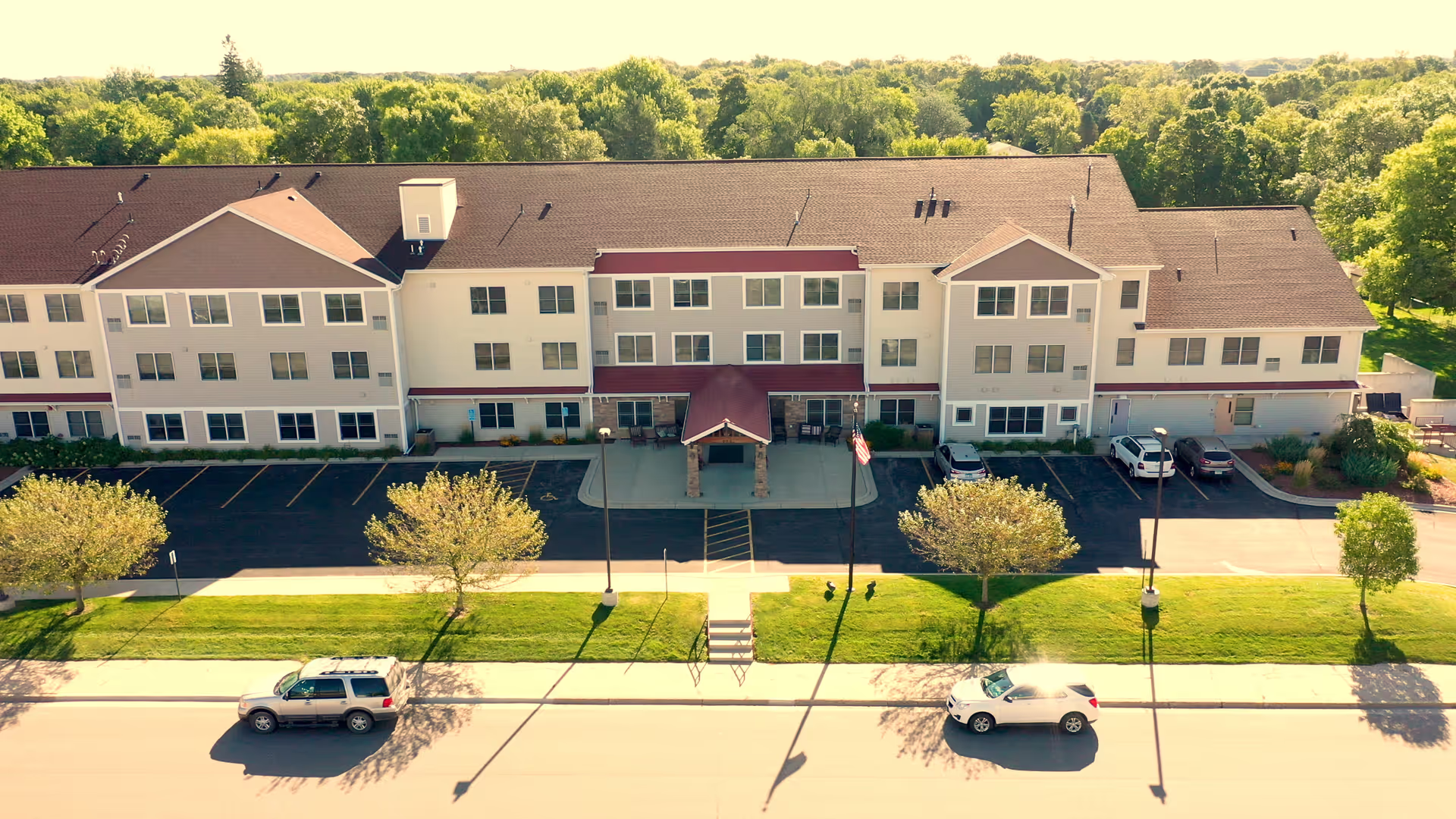
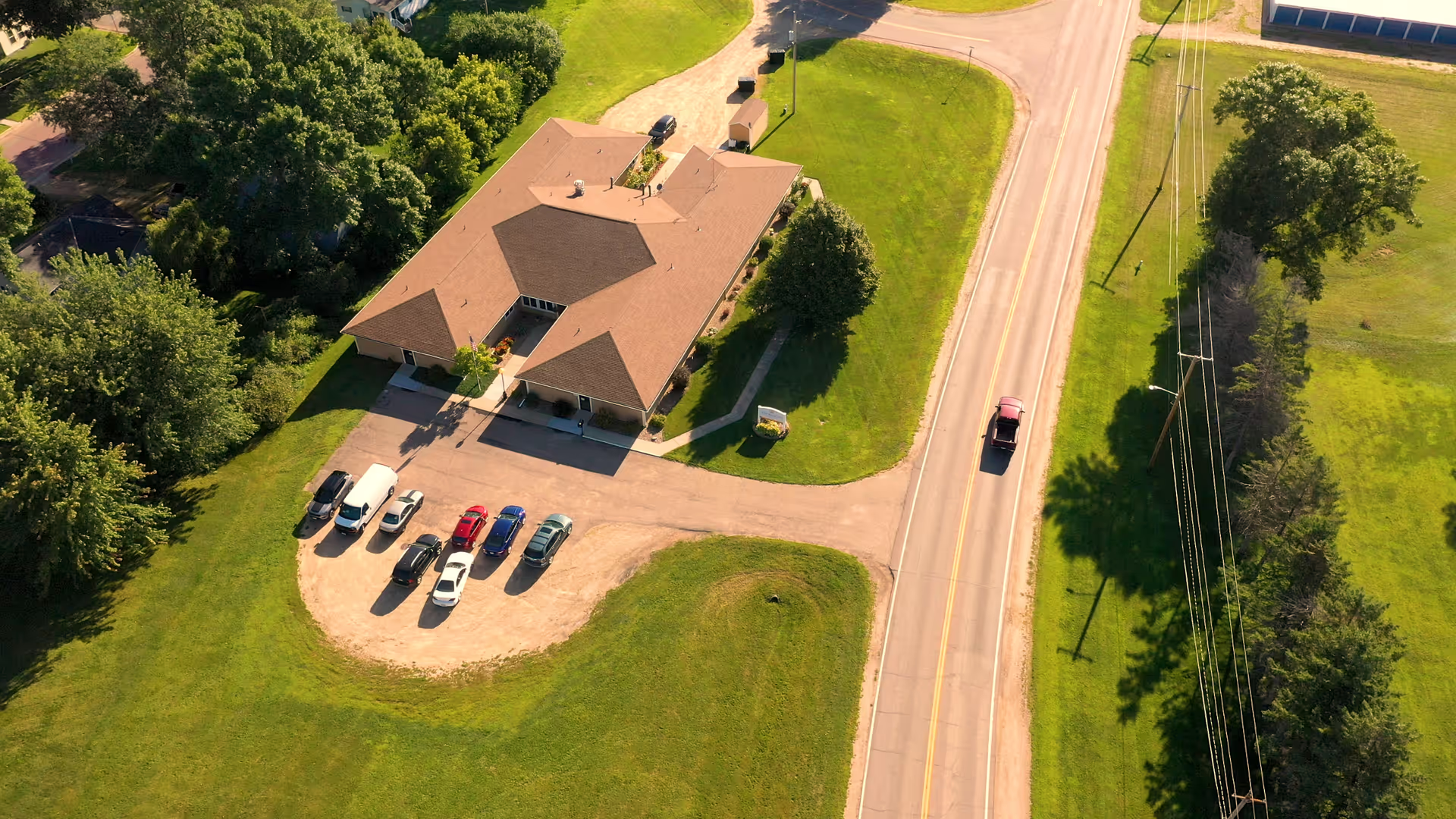
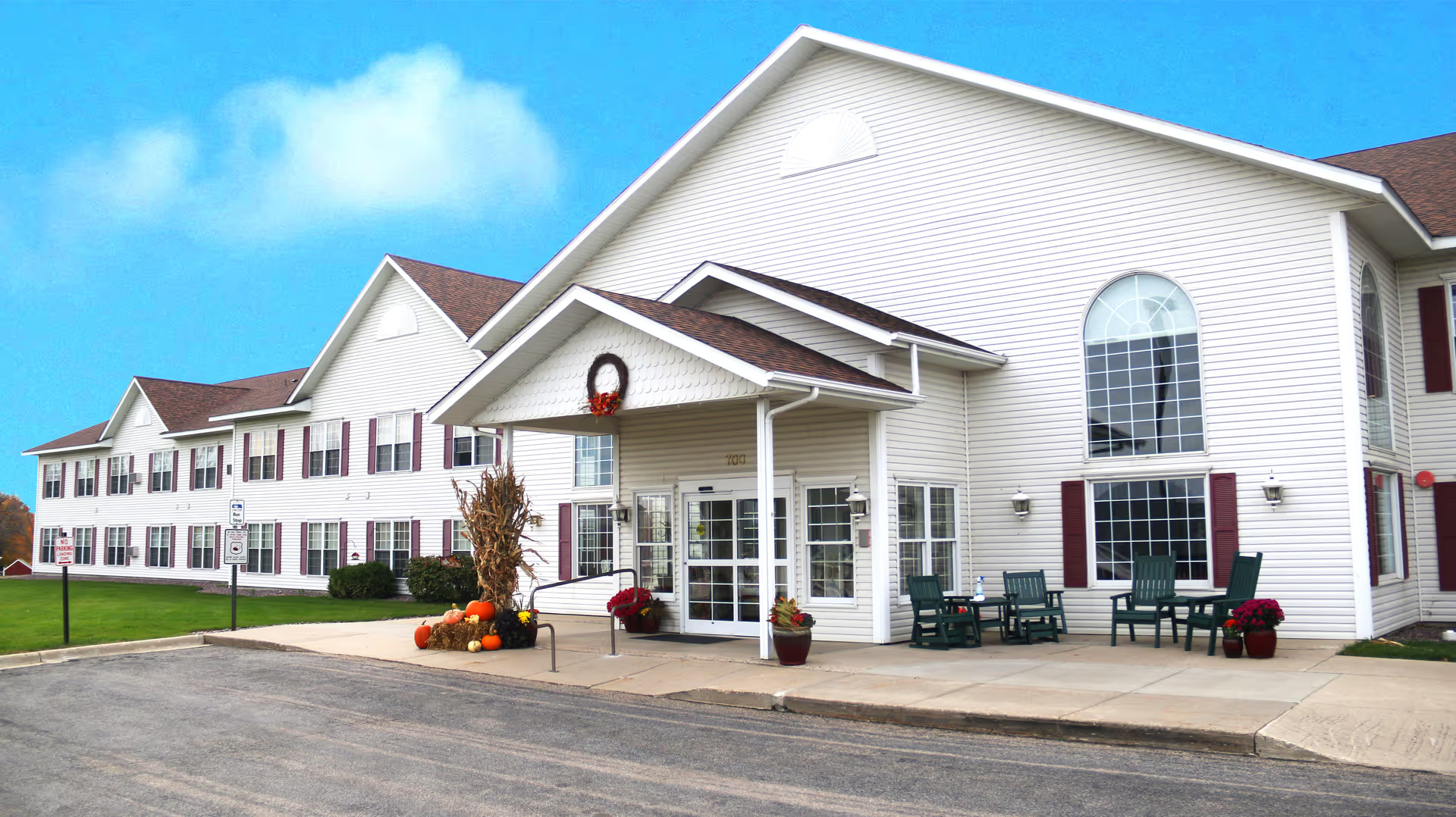
Overall impression is mixed: many reviewers emphasize a strong, compassionate front-line staff and an attractive, well-maintained facility environment, while a recurring set of operational weaknesses creates concern for some families. Positive experiences highlight attentive nursing and therapy teams, an accommodating kitchen that can handle special dietary requests, a bright short-term rehabilitation unit with successful discharges to home, and an engaged activity director who provides scheduled programming. The facility’s location adjacent to a hospital and clinic is viewed as convenient for medical follow-up.
Care quality shows a bifurcated pattern. Several families describe compassionate, hardworking caregivers who contribute to meaningful rehabilitation outcomes, timely progress in therapy, and general comfort. Conversely, a number of reports point to operational lapses that affect care consistency: understaffing at certain times (notably evenings and weekends), delayed responses to call lights and attendant requests, missed or delayed medication administration, and uneven support for incontinence and hygiene needs. These operational issues are the primary driver of negative impressions where they occur; when staffing and medication processes function well, families tend to describe markedly better outcomes.
Staff matters beyond clinical skill are also divided. Many reviewers praise individual employees as kind, professional, and willing to go above and beyond. Others describe concerns about staff conduct and communication tone, staff use of personal phones while on duty, and instances where privacy practices appeared inadequate. These contrasts suggest variability in staff behavior and unit-level supervision rather than uniform culture across the entire facility.
Dining and activities are similarly mixed. The kitchen is frequently described as accommodating and capable of meeting special requests, but meal palatability and consistency are cited as a recurring dissatisfaction by some residents and families. Activities programming exists and an active director is frequently noted as an asset; however, engagement level and perceived relevance of activities vary by resident and reviewer.
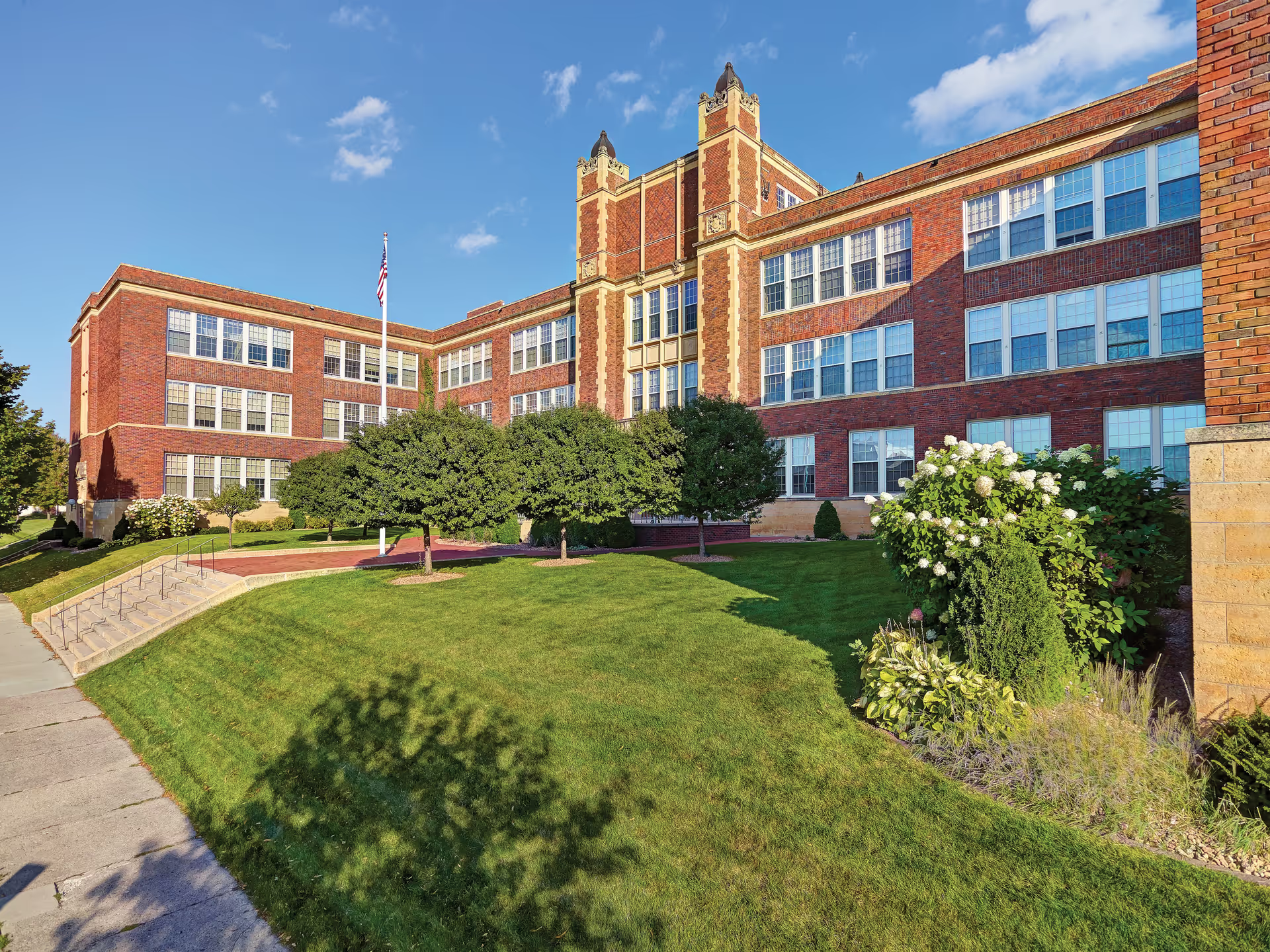
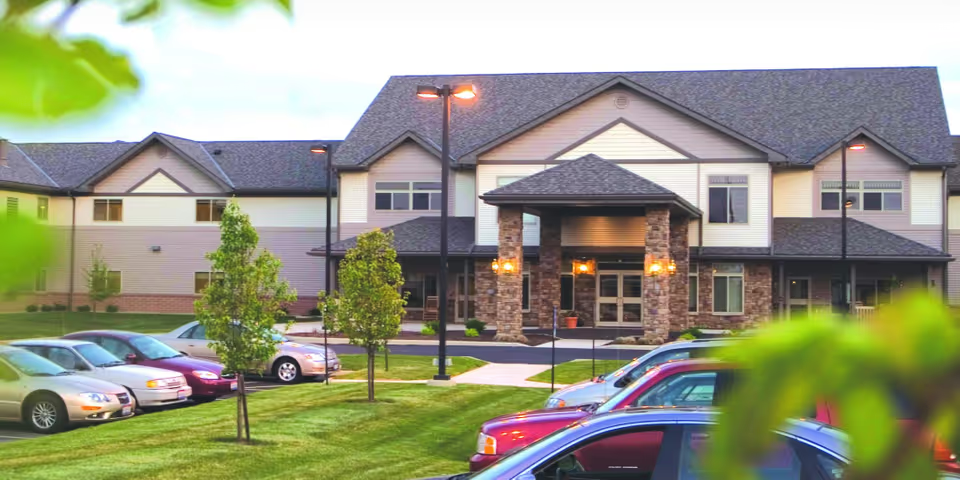
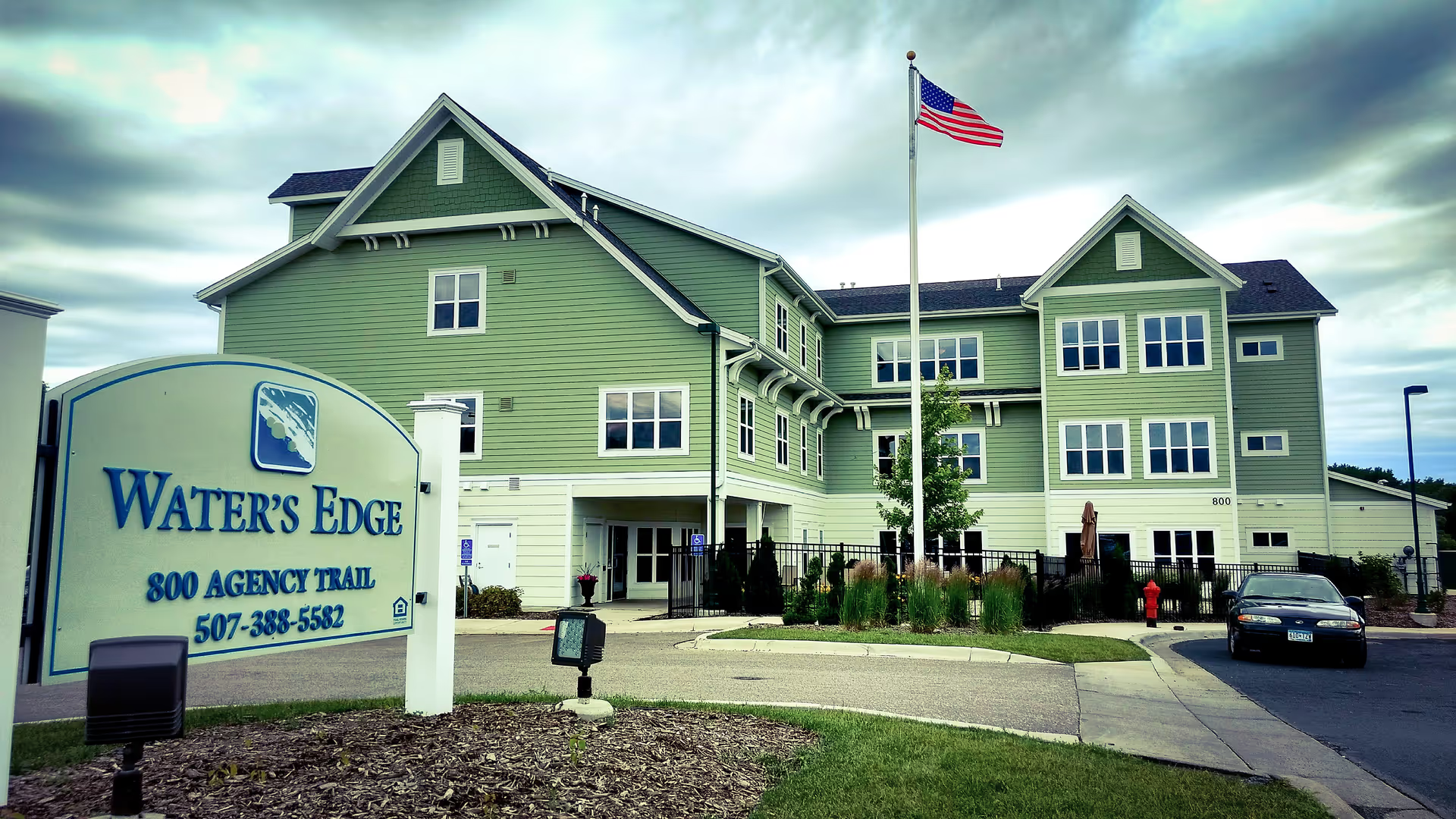
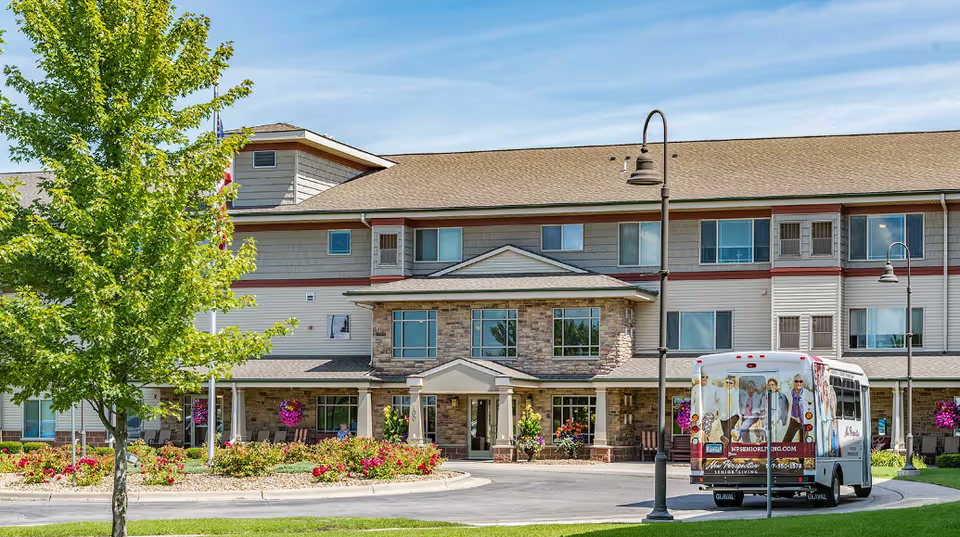
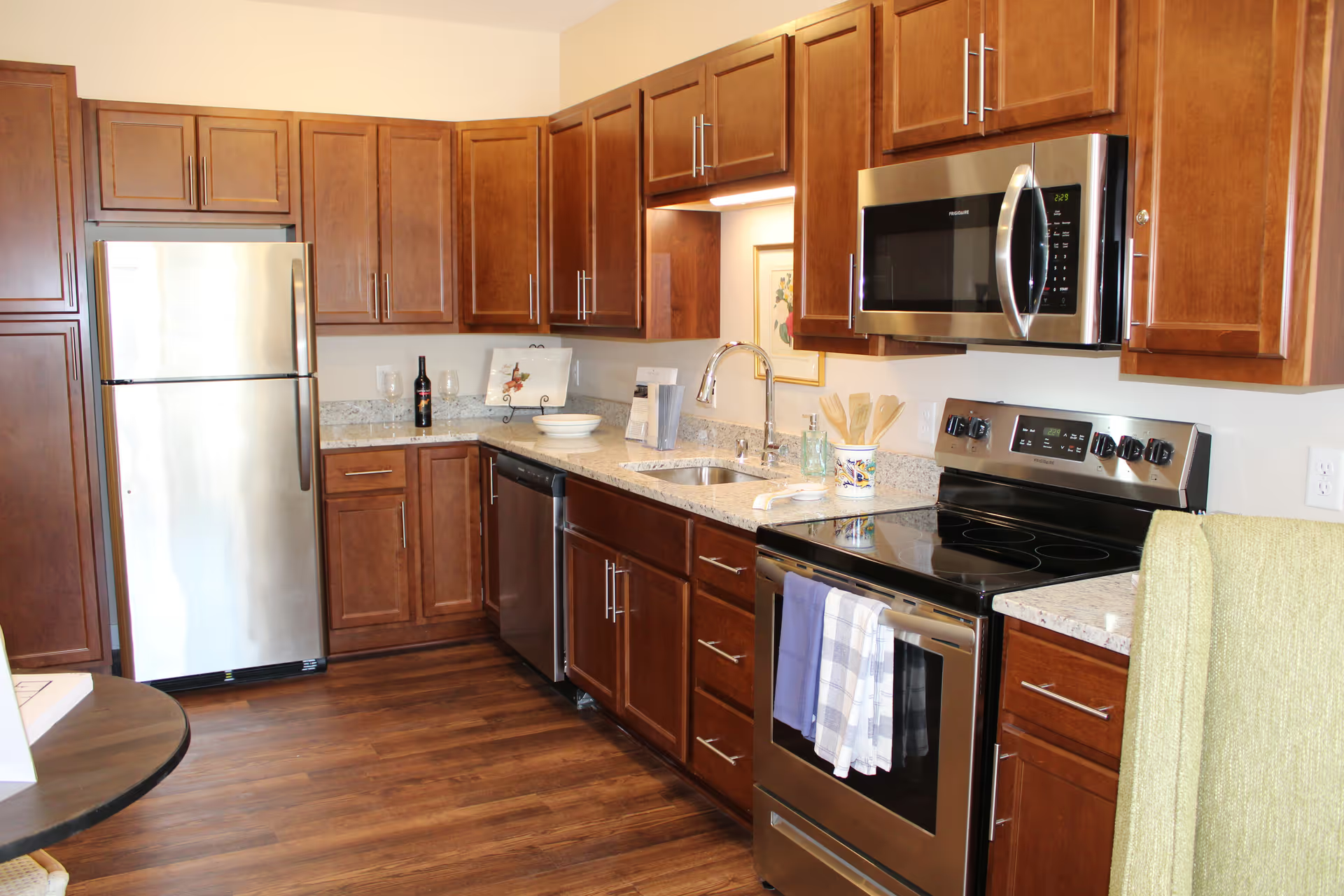
Facility condition and safety observations are generally positive in public and short-term rehab areas: reviewers note attractive finishes, plenty of natural light, and a clean atmosphere. At the same time, comments about older infrastructure in some wings, maintenance issues (exposed fixtures, wall damage), and long corridor distances with small room footprints point to uneven physical conditions and potential accessibility concerns.
Management and communication are areas of concern for some families. Specific mentions include perceived poor customer-service interactions from leadership, slow or unclear communication with families and hospice providers, and uneven follow-through on complaints. When leadership is described as open and communicative, families report greater satisfaction; where leadership responsiveness is perceived as lacking, negative impressions are amplified.
Notable patterns for prospective residents and families to consider: operational weaknesses cluster around off-peak staffing and responsiveness, medication administration and change processes, and maintenance in older facility areas, while strengths center on empathetic caregiving, effective short-term rehab outcomes for many patients, and an attractive, hospital-adjacent setting. A site visit that includes observation during evenings or weekends, discussion of staffing ratios and medication protocols with leadership, and review of activity and dining options may help families assess how well the facility’s strengths align with an individual resident’s needs.