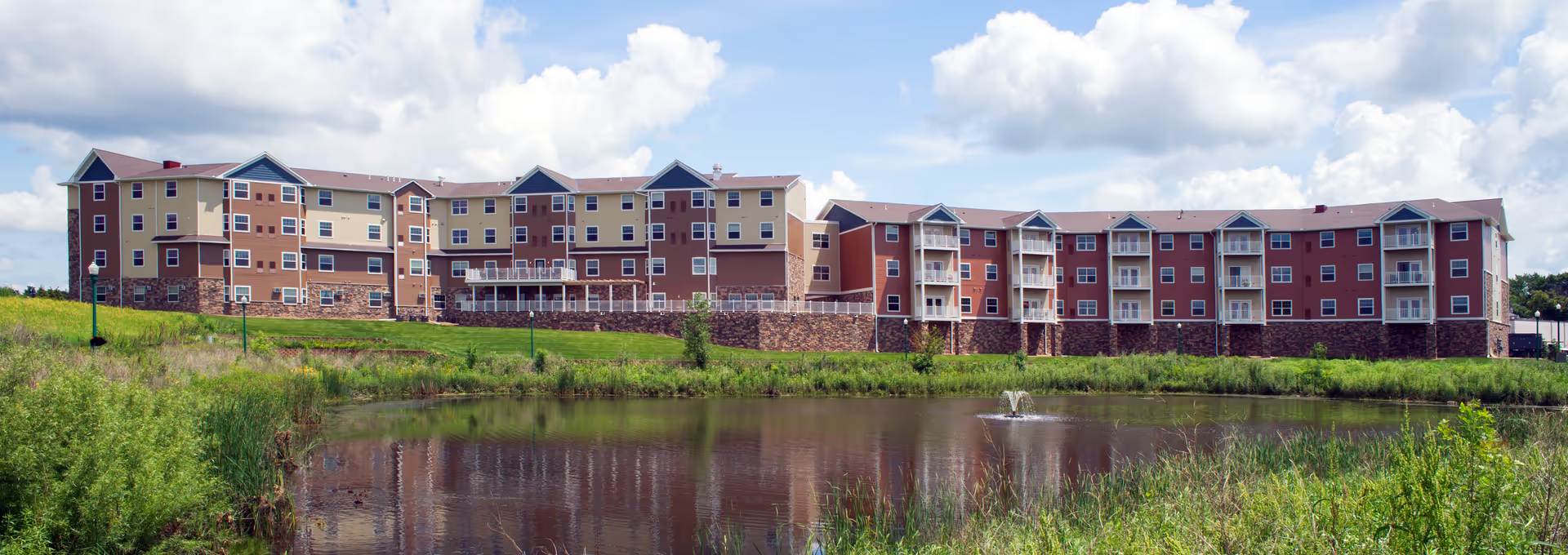
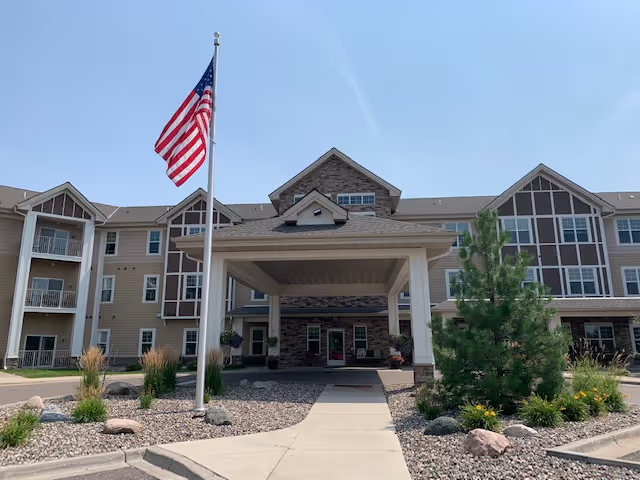
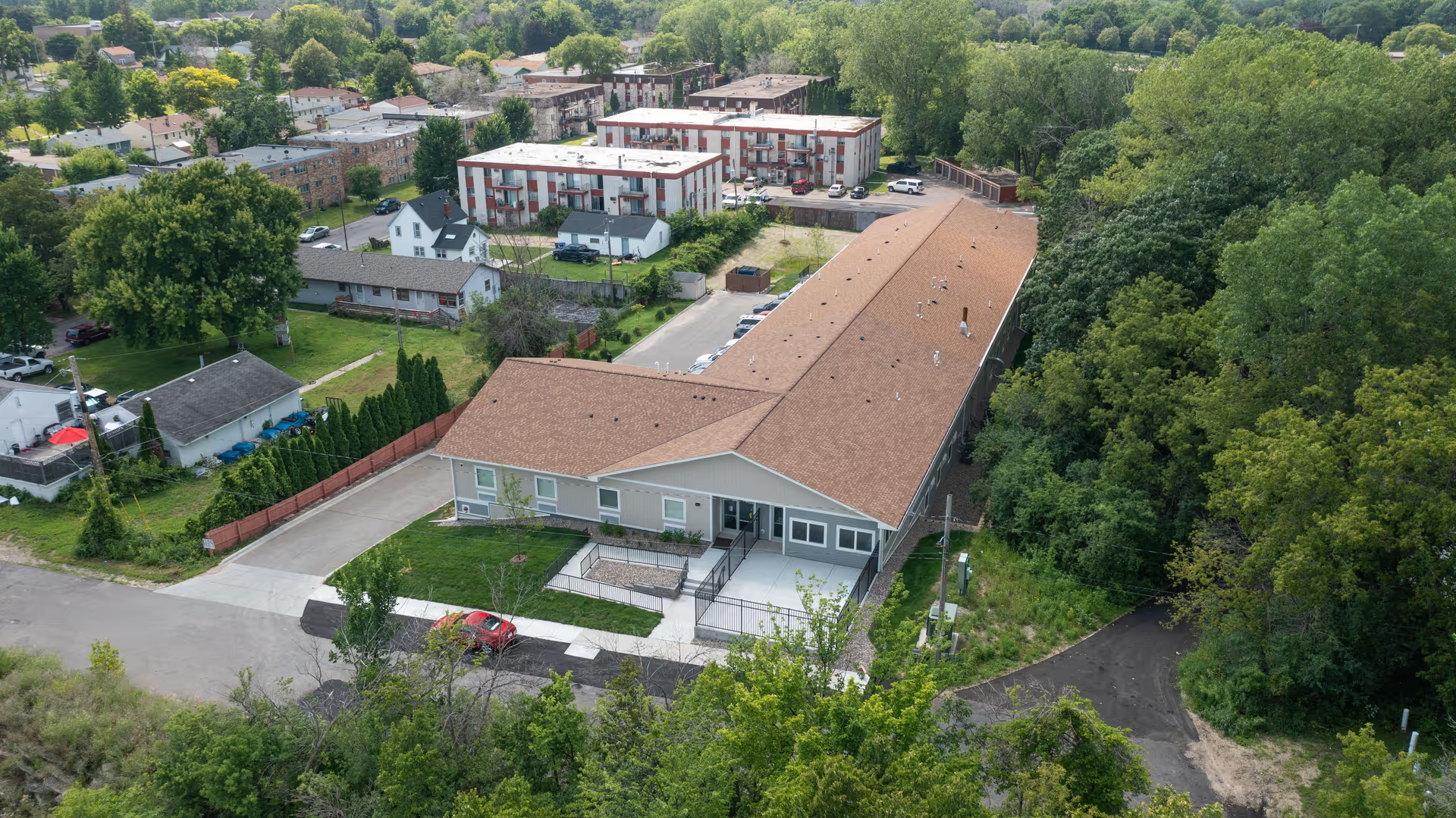
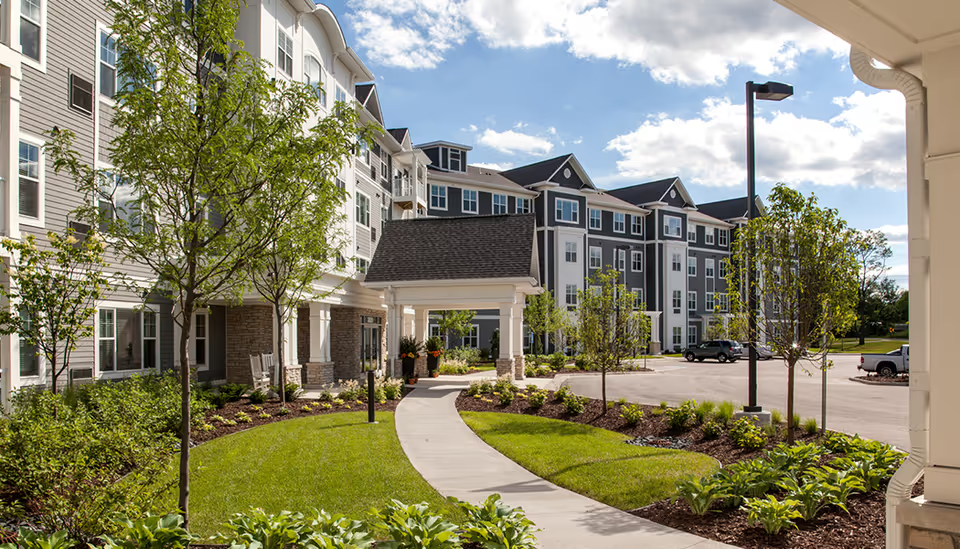
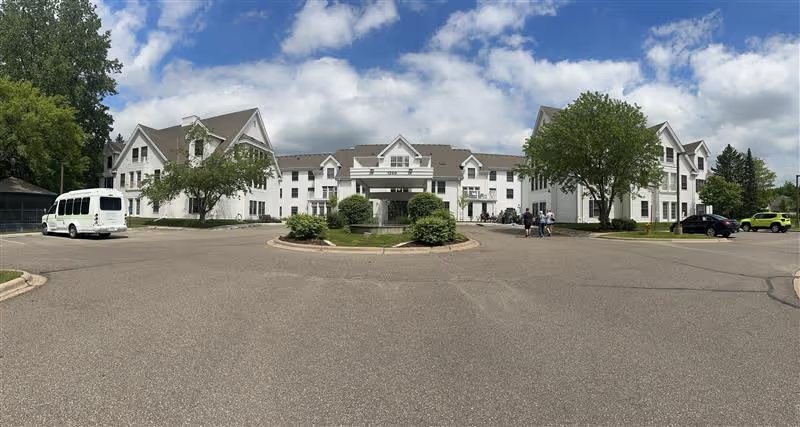
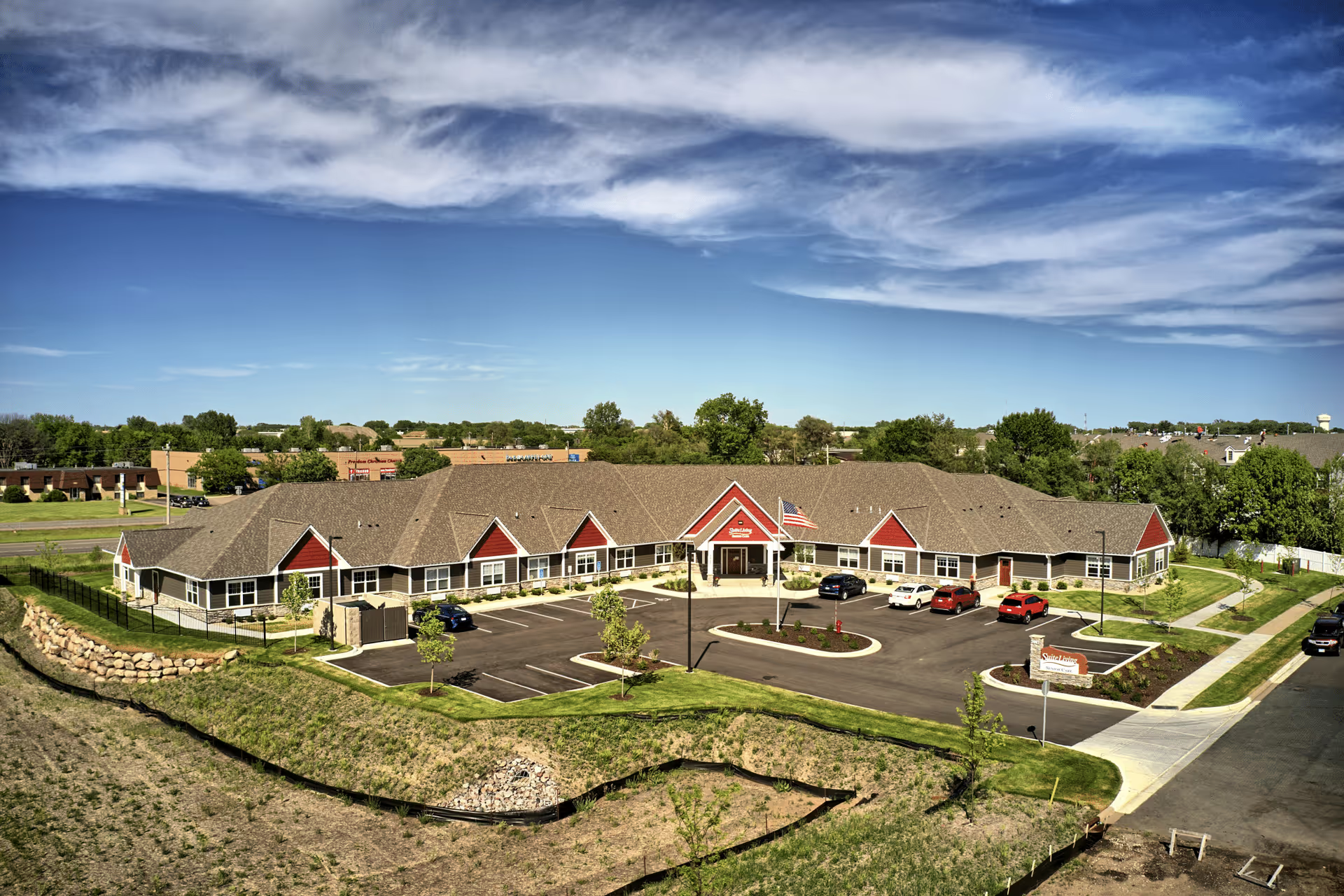
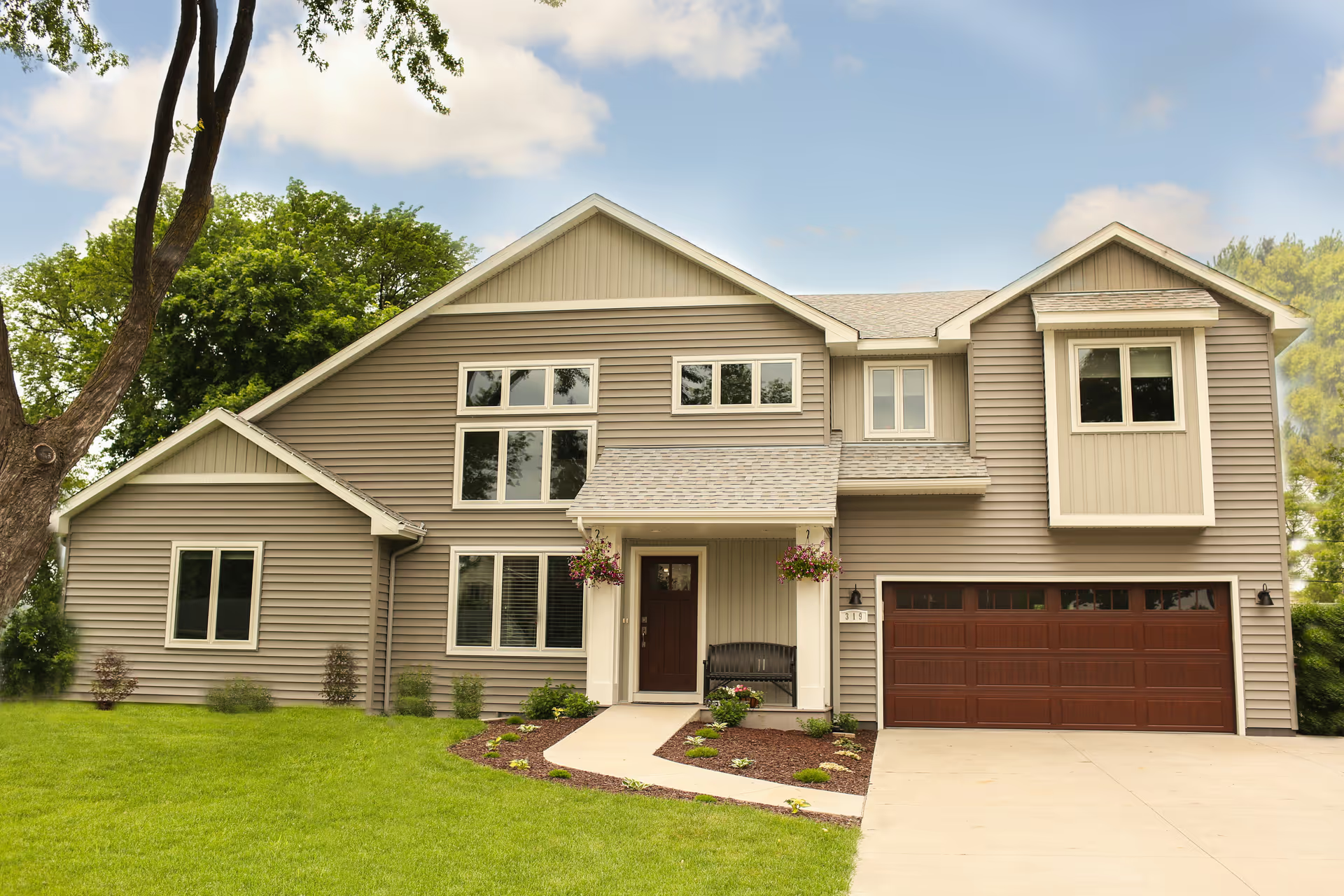
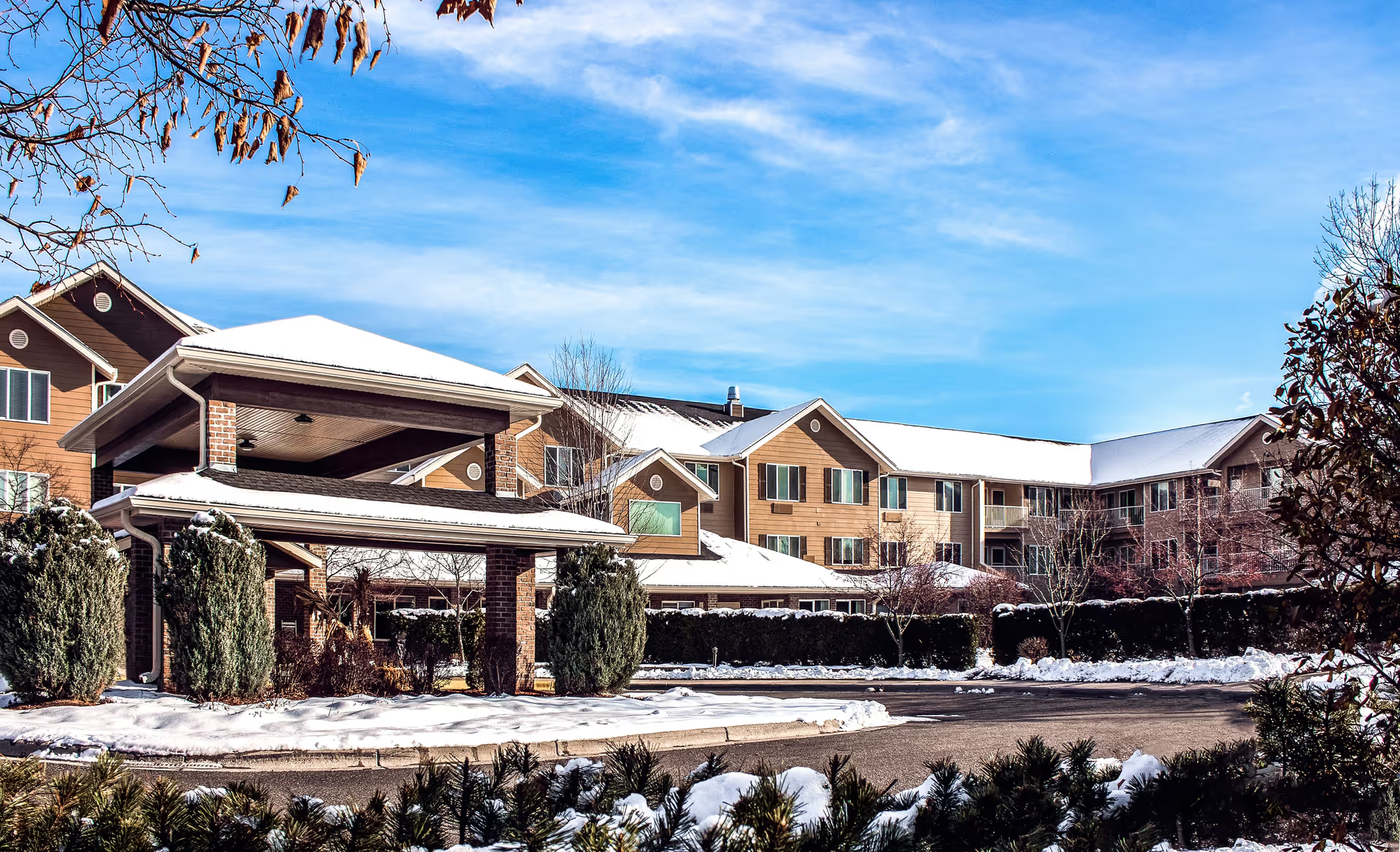
Carefree Cottages of Maplewood elicits a mix of strong positives and recurring operational concerns. On the positive side, the community is frequently described as attractive and well-located, with spacious, bright cottage-style apartments, many units that include private doors and attached garages, and a large campus with scenic grounds and walking areas. Common amenities highlighted include a community center, library and puzzle tables, gardens, and accessible transportation for shopping and worship. The facility supports an active social program—bingo, luncheons, music performances, Bible study, and exercise classes are commonly mentioned—and the community is pet-friendly, which may appeal to prospective residents seeking an independent-living environment with robust social opportunities.
Staff and care impressions are mixed but show clear strengths. Numerous accounts praise compassionate, helpful, and patient staff members, and several reviews single out the marketing director and maintenance team as particularly accessible and effective during move-in. The presence of on-site health-care services and security-focused features are seen as positives for those seeking some clinical availability while living independently. However, a pattern of inconsistent responsiveness appears in other reviews: delays in answering phones, unaddressed maintenance requests, and concerns about the tone and professionalism of certain staff members or nursing leadership are reported. More critically, multiple comments indicate weaknesses in medication-management processes and in clinical incident response and family communication, which prospective residents and families should evaluate during tours and care-planning conversations.
Dining and household services show variability. Some residents appreciate the dining room and communal meals, but there are several notes about inconsistent food quality, reliance on prepackaged or frozen meals, missed meal service or small portion sizes, and the expectation that independent-living residents will prepare many meals in-unit. Cleanliness and housekeeping standards are similarly inconsistent across reports: while many reviewers describe clean, well-maintained buildings, others note sanitation concerns, odor issues in some common areas, and pest-control problems in localized areas. These contrasting accounts suggest that housekeeping and food-service consistency may depend on staffing levels or unit-specific management.
Facility condition and management practices present further contrasts. The campus and exterior landscaping receive consistent praise, but some interiors and appliances are described as dated, with specific complaints about showers, refrigerators, and flooring in certain cottages. Noise transmission due to thin walls is a recurring practical concern for prospective residents sensitive to sound. Management is characterized by several reviewers as family-owned, approachable, and helpful—with rapid move-in support in many cases—but there are also reports of billing disputes, price hikes impacting perceived value, and unclear communication about the level of care provided (some prospective residents expected assisted living services that were not part of the independent-living model). Privacy-policy practices were called into question in at least one account, so clarify monitoring and camera policies during admission.
Overall, Carefree Cottages of Maplewood appears to offer an appealing campus, strong social programming, and numerous staff members who provide compassionate, hands-on support. At the same time, there are repeated operational concerns—particularly around medication management, consistency of housekeeping and dining services, staff responsiveness, and clarity of administrative communication—that warrant careful review. Prospective residents and families should tour multiple cottages, ask for current menus and care protocols, request written policies on monitoring and infection control, and confirm billing and maintenance-response expectations to ensure the community’s operational practices match their priorities.