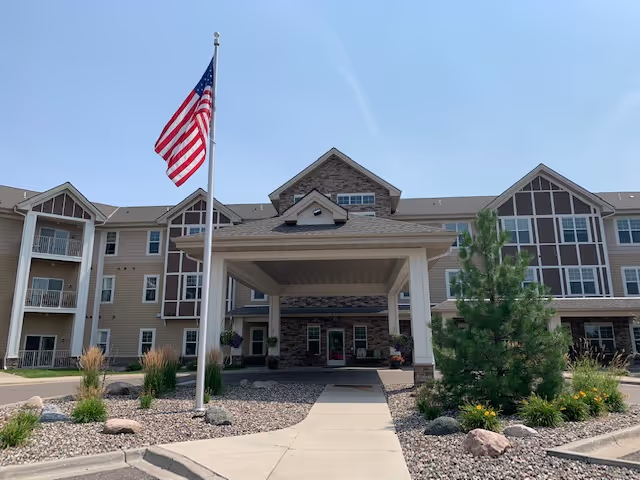
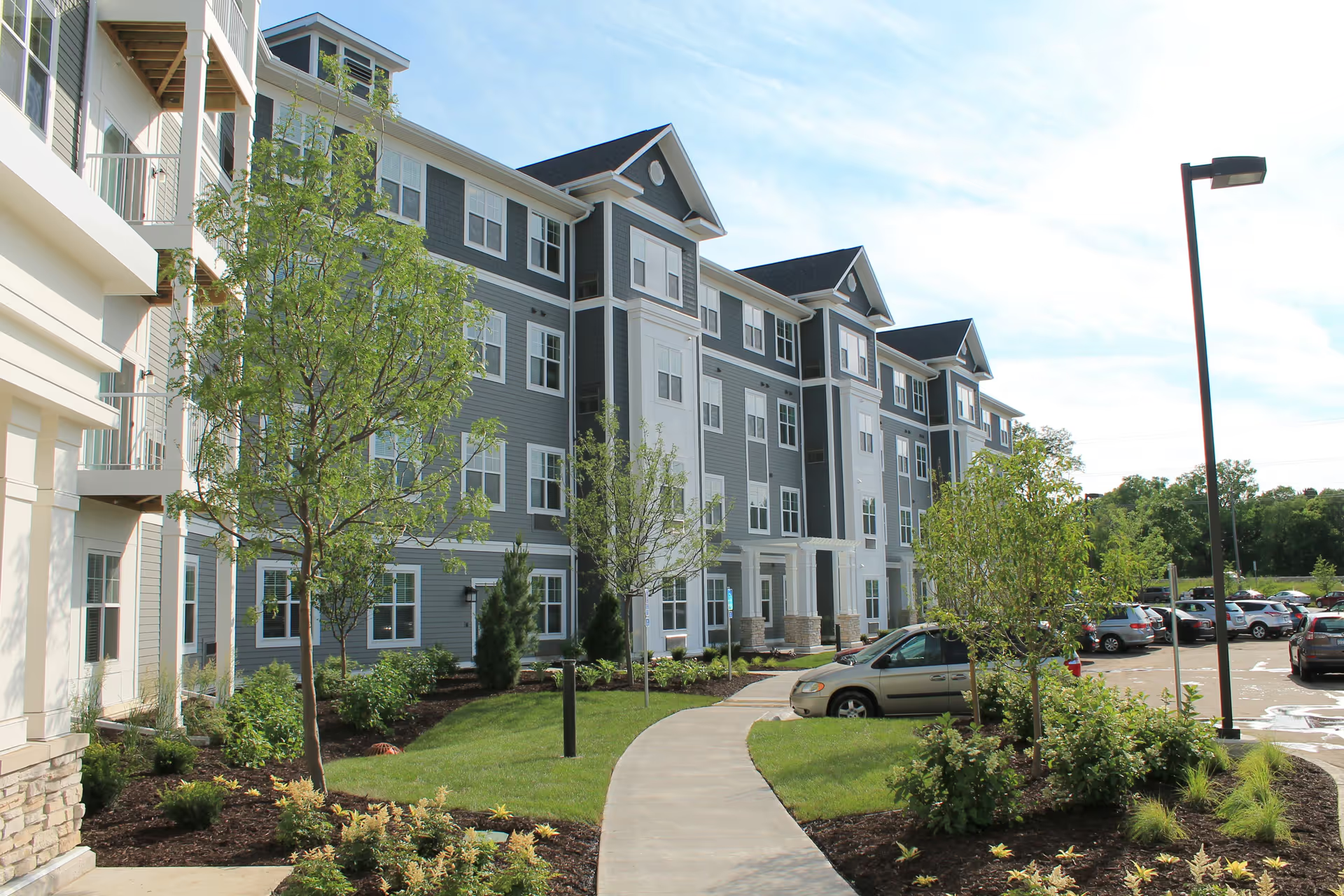
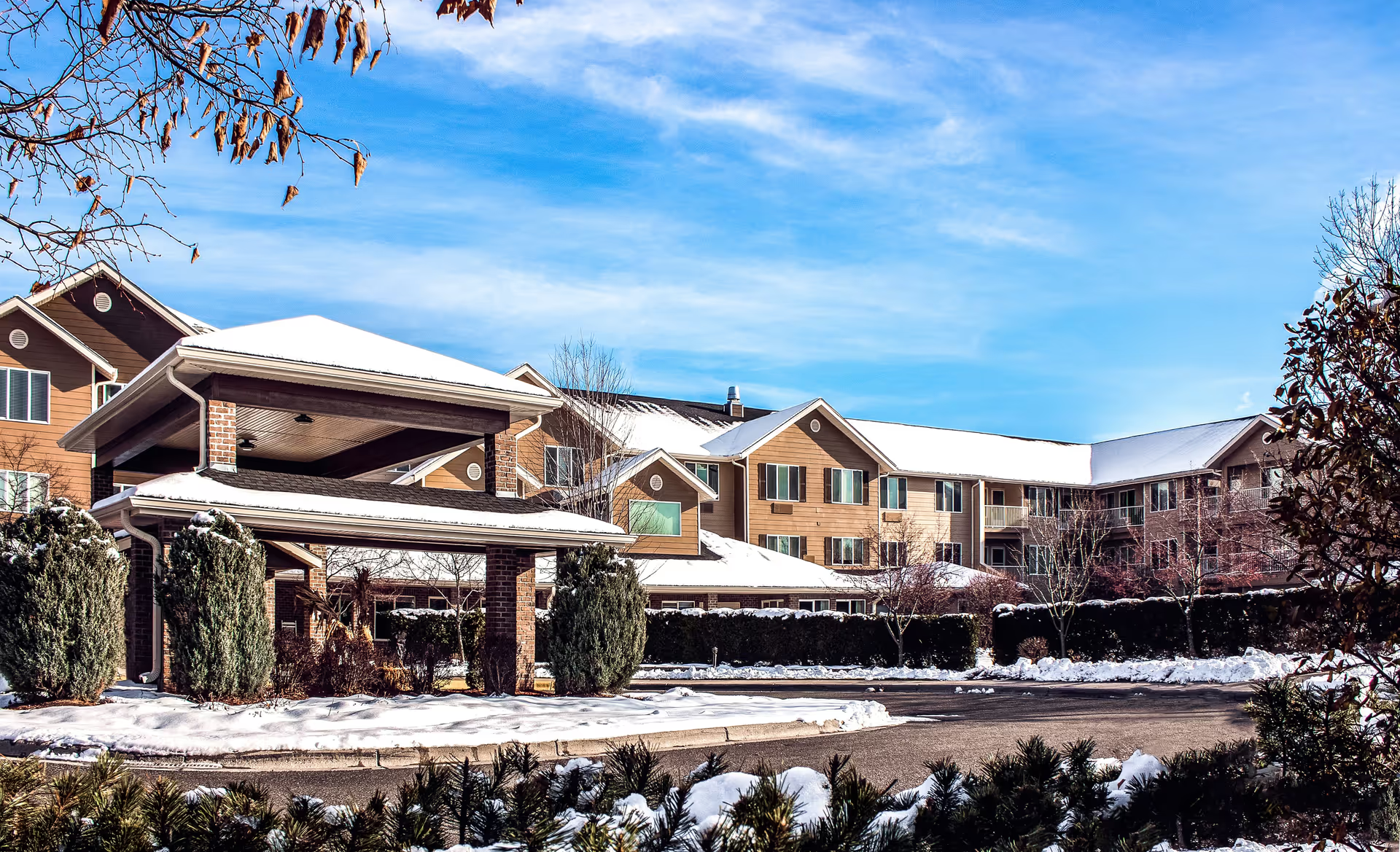
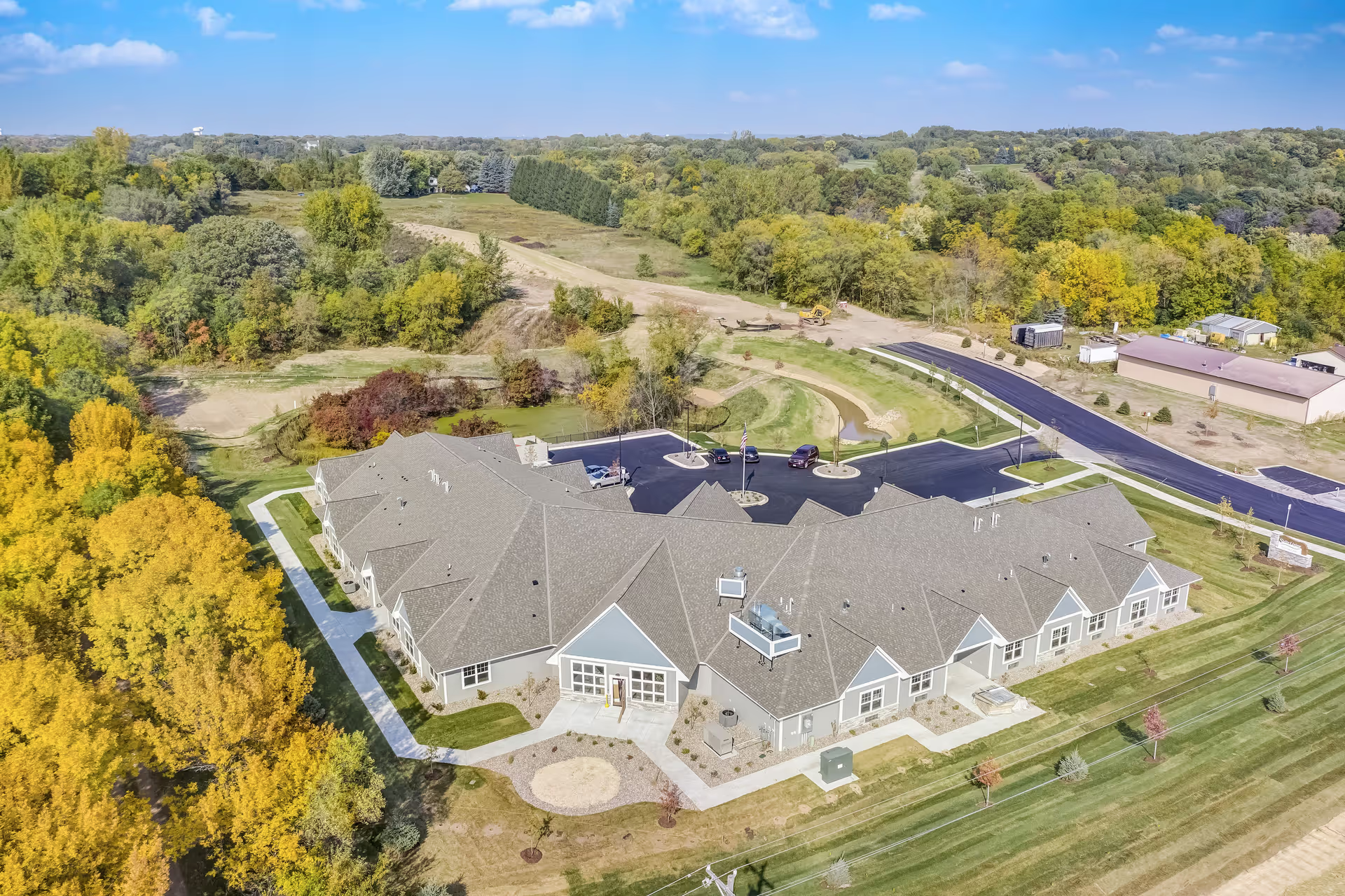
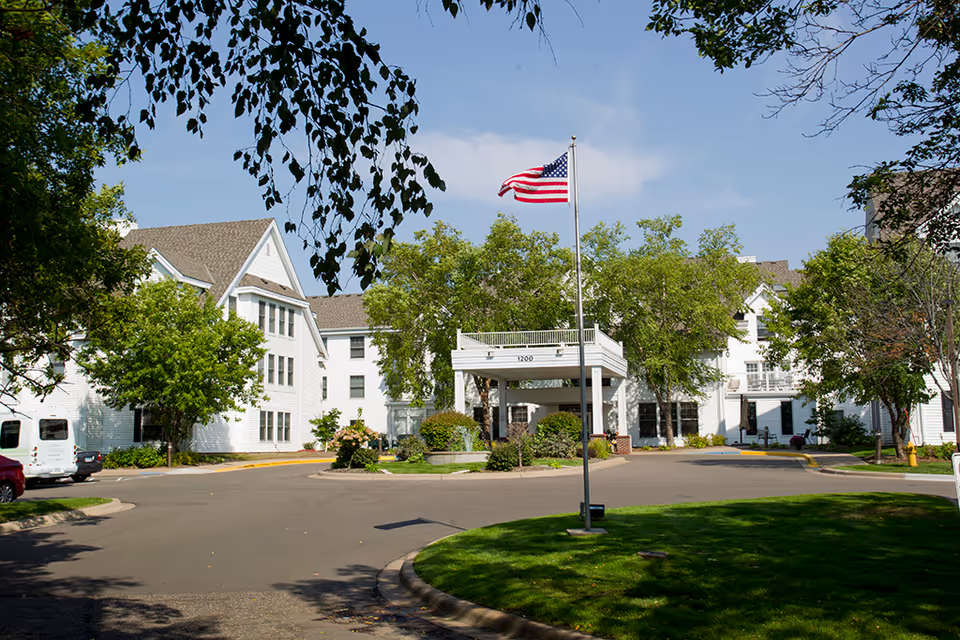
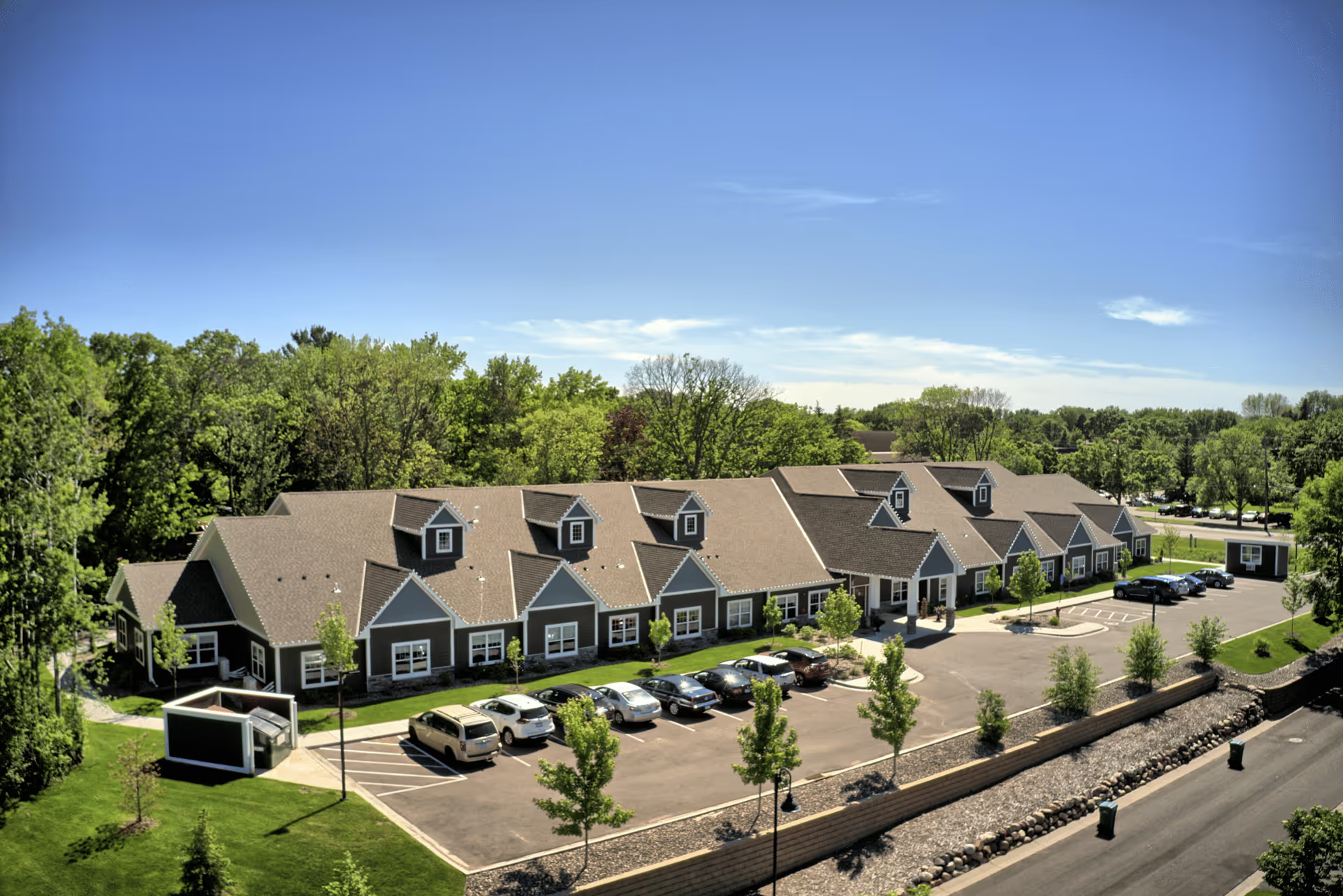
Caretta Senior Living - Maplewood receives frequent praise for its physical environment and programming while also drawing several operational concerns that prospective residents and families should weigh. The facility is consistently described as a new, modern, and bright community with well-maintained common areas, accessible apartments (including induction cooktops), and a convenient, quiet location near parks, clinics, and shopping. The building size and layout are seen as appropriate for on-site amenities and activities, and the community is noted to be pet-friendly with organized programs that many residents enjoy.
Staff and direct care are central to reviewers' impressions. Many reviewers characterize staff as attentive, compassionate, knowledgeable, and family-supportive; positive examples include seamless move-in experiences, respectful privacy practices, and enthusiastic event staffing. At the same time, a number of reviewers raise substantive concerns about staffing stability and conduct—specifically high turnover and instances described as demeaning or shaming. These comments point to inconsistencies in professionalism and suggest a need for stronger supervisory oversight, retention strategies, and staff training to ensure consistent caregiving and resident experience.
Dining and activities are strong points for the community. Multiple accounts highlight appealing, varied meals, tasty snacks and beverages, and special-event catering (prom events, themed socials) with good food and entertainment. Programming is active and diverse: live music, DJs, parties, makeup services at events, and resident-centered socials are frequently mentioned. However, while events appear well executed for many residents, some families report uneven engagement—some residents feeling lonely or less included—indicating that outreach to less-mobile or more isolated residents may be inconsistent.
Clinical care and safety perceptions are mixed. Positive comments about responsiveness and compassionate care coexist with concerns about variable clinical responsiveness and gaps in incident-management. A few reviewers referenced events that required external escalation and raised questions about how incidents are handled and communicated to families. These reports suggest prospective families should ask about staffing ratios, clinical escalation protocols, incident-reporting practices, and how the community communicates and follows up after adverse events.
Management and communication present a mixed picture. Several reviews describe collaborative, supportive communication with families and a seamless overall experience; others point to inconsistent communication and inadequate follow-up. Taken together, this pattern suggests that while management delivers high-quality hospitality and programming, there may be variability in oversight of clinical operations and staff behavior.
Practical takeaways for families touring the community: verify current staffing stability and turnover metrics, ask about staff training and supervision, review incident-response and family-notification protocols, inquire how the community engages residents who are less socially active, and sample meals and events when possible. The facility's strong physical environment, active programming, and many positive staff interactions are clear strengths, but operational consistency—particularly around staffing, conduct, safety protocols, and family communication—warrants direct questions during a tour or interview.