Care quality at Encore Assisted Living and Memory Care at Maplewood appears mixed. Many families describe compassionate, attentive aides and nursing staff who provide individualized, adaptive care and contribute to a family-like atmosphere. At the same time, recurring operational issues—notably inconsistent staffing levels, high turnover, and limited weekend clinical coverage—have contributed to delayed responses to call cords and other resident needs. There are multiple accounts indicating gaps in incontinence-related practices and lapses in sanitation processes, as well as isolated concerns about medication-management practices that prospective families should evaluate directly.
Staffing and management present a contrast: reviewers frequently praise young, energetic, and caring staff, an active activities director, and instances of nurses or managers going above and beyond. However, reviewers also describe variable staff competency, frequent personnel changes, and a new local manager with clinical responsibilities that may reflect organizational transition. Communication from management is another common theme—families report scheduling changes, difficulty reaching staff, inconsistent follow-through on concerns, and questions about billing transparency and refunds. Recent ownership or name-change references suggest there have been administrative transitions that could affect consistency of operations.
Dining and nutrition receive both positive and critical comments. Several families appreciate home-style meals, a pleasant dining area, and residents who enjoy the food. Others note a repetitive menu, lower-quality dessert options, and insufficient assistance at mealtimes for residents who need help eating or drinking; this combination can create a risk of inadequate intake for residents who require feeding support. Activity programming is generally seen as a strength, with a robust calendar, live music, intergenerational visits, and social opportunities that many residents enjoy, though some families noted limited outings and less outdoor access in certain units.
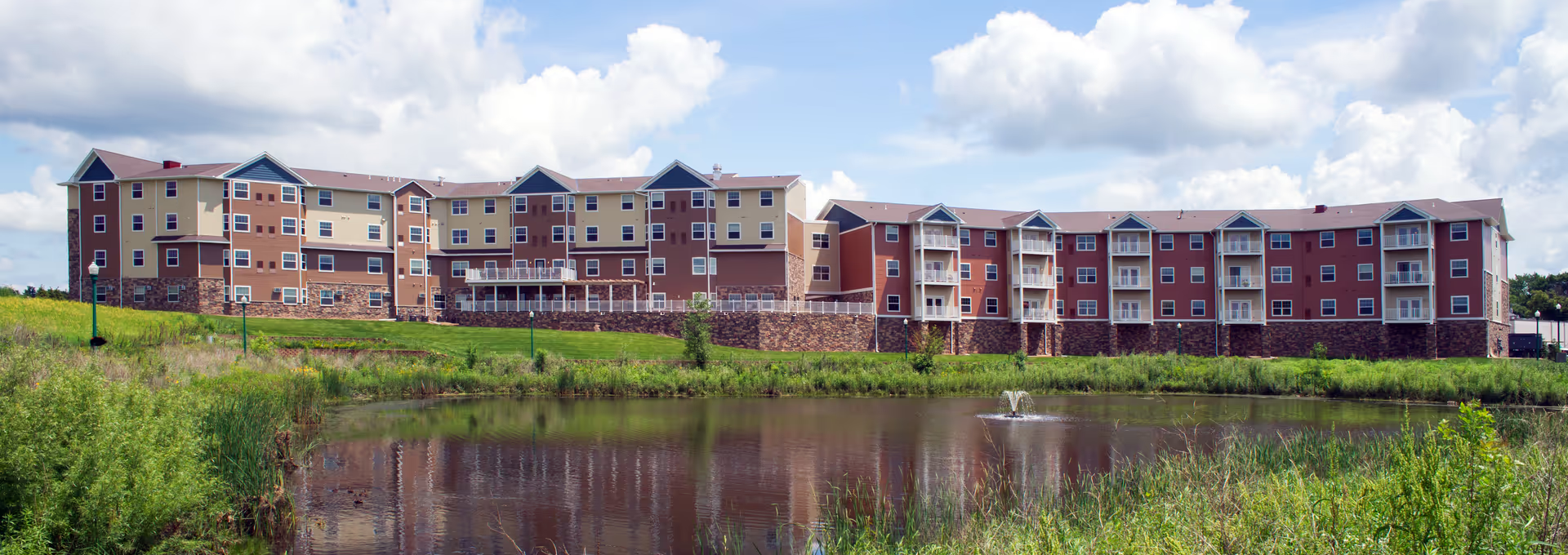
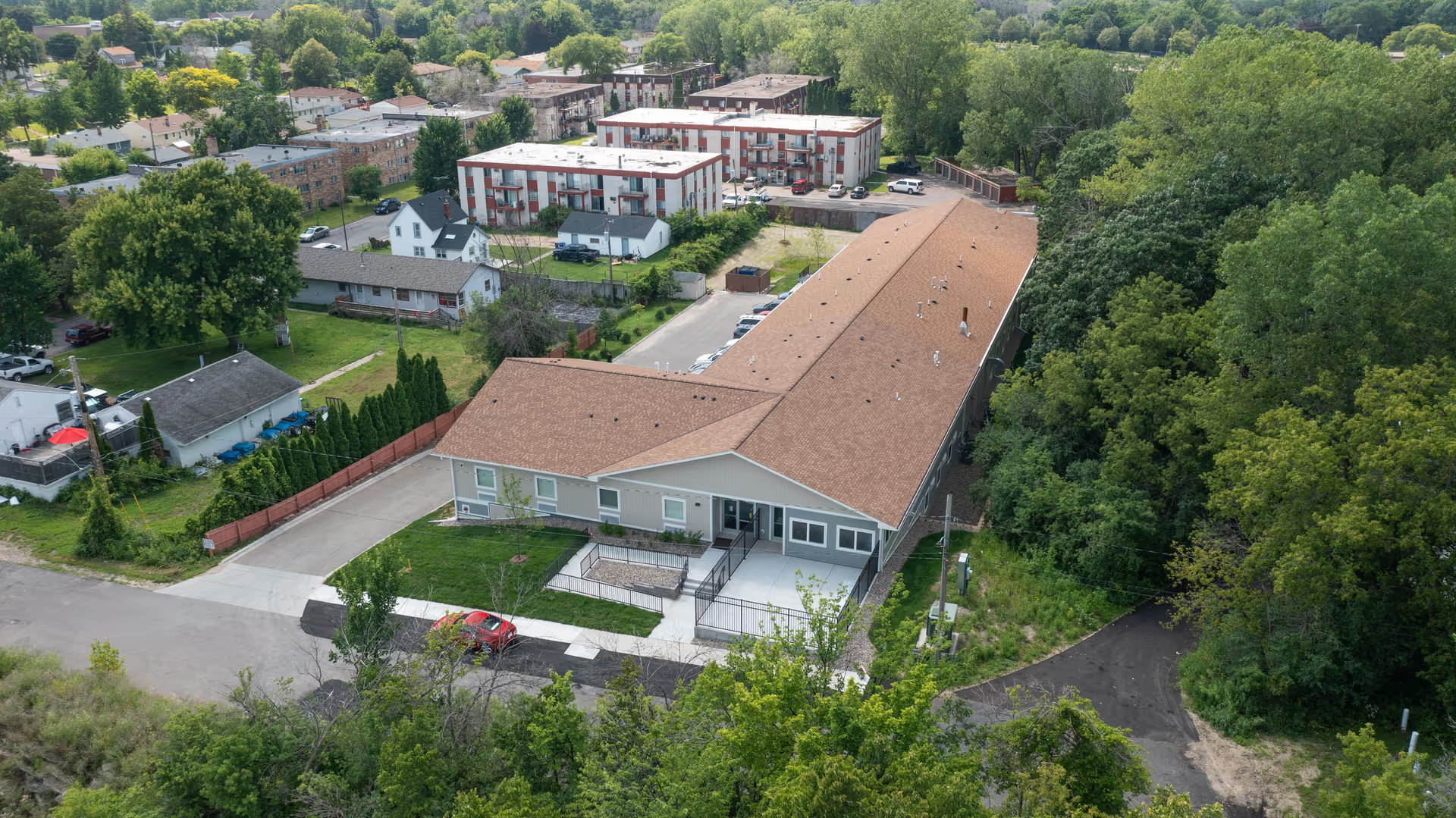
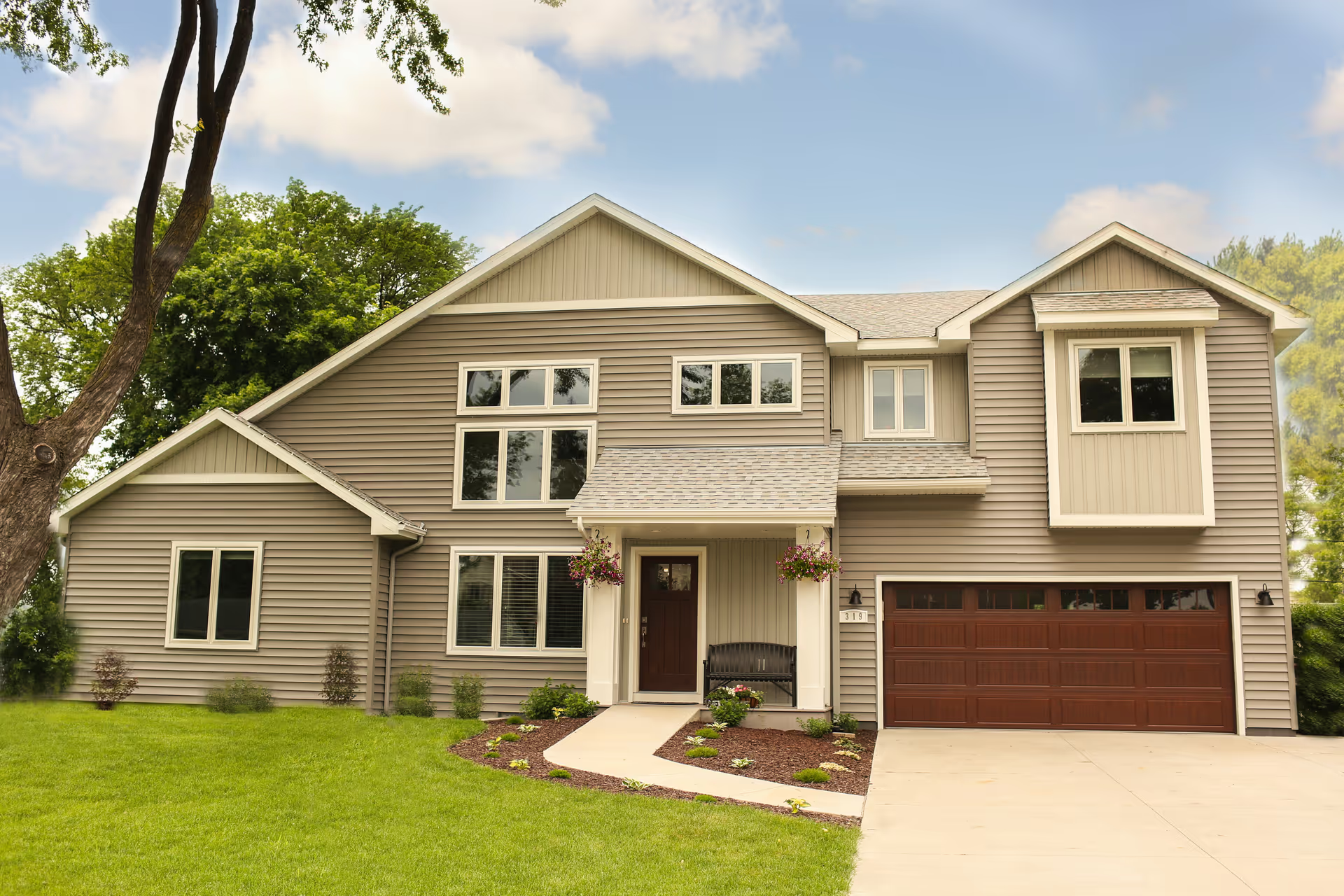
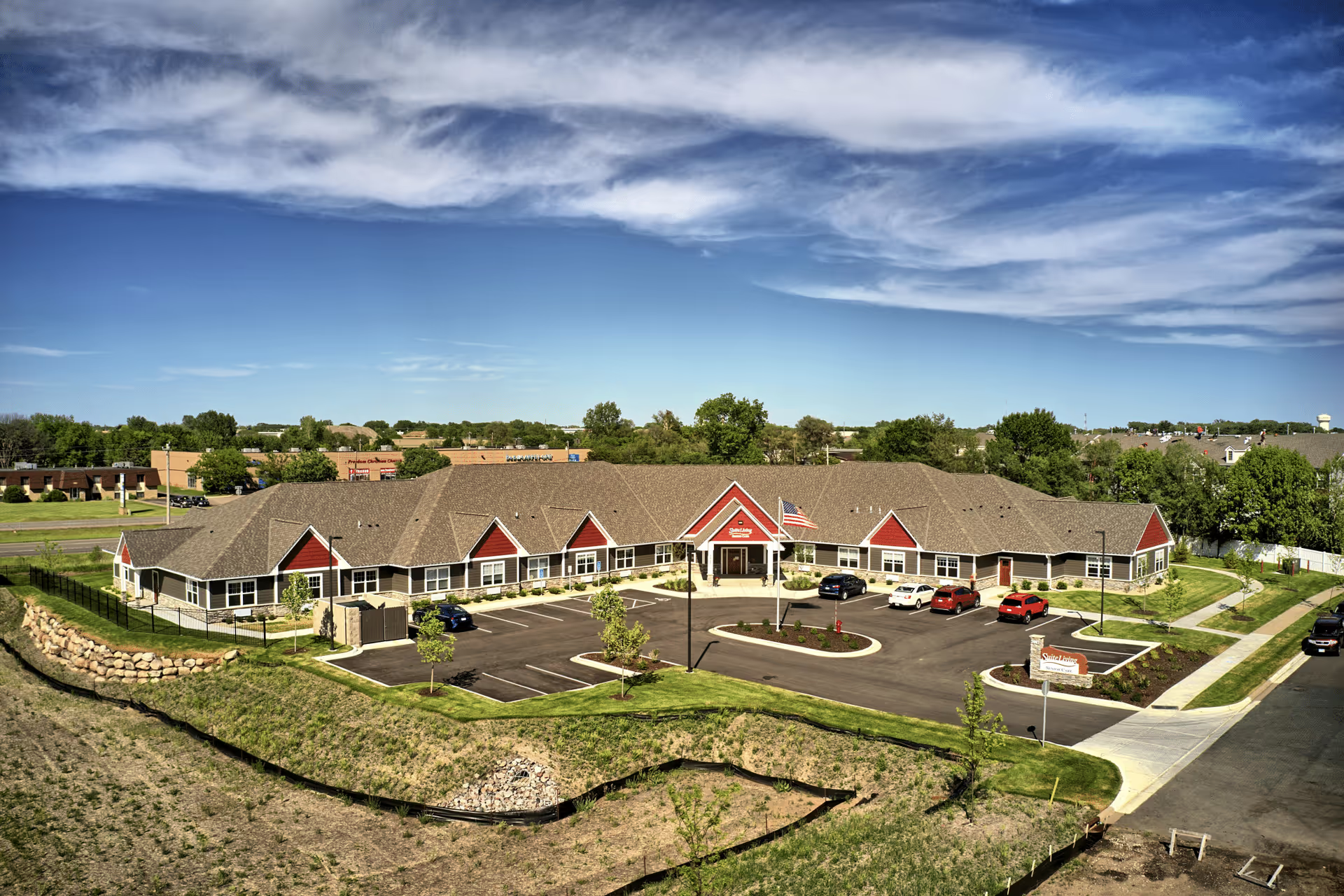
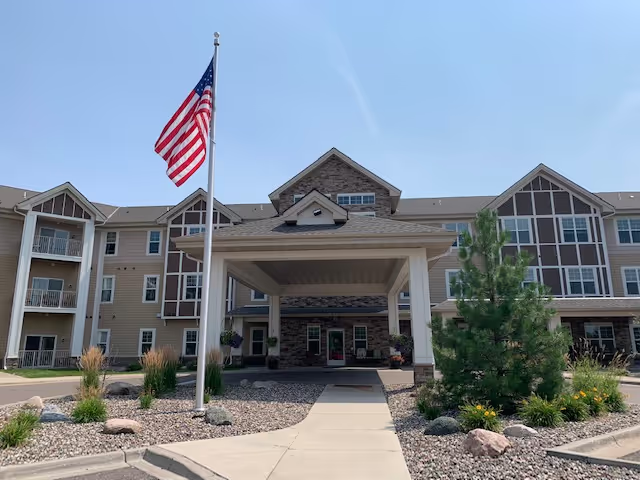
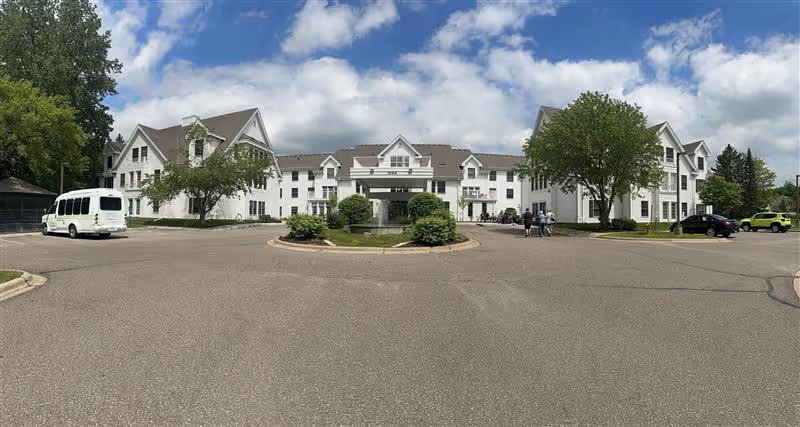
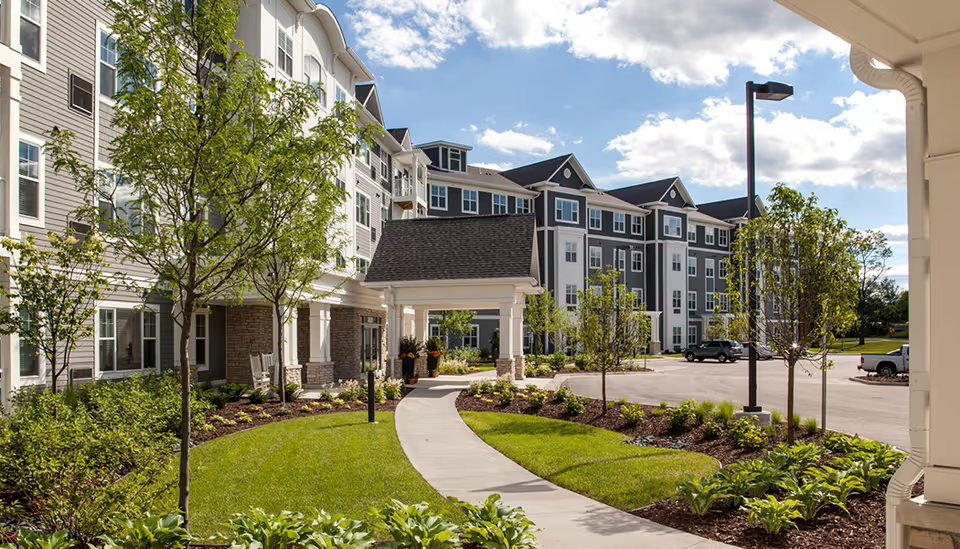
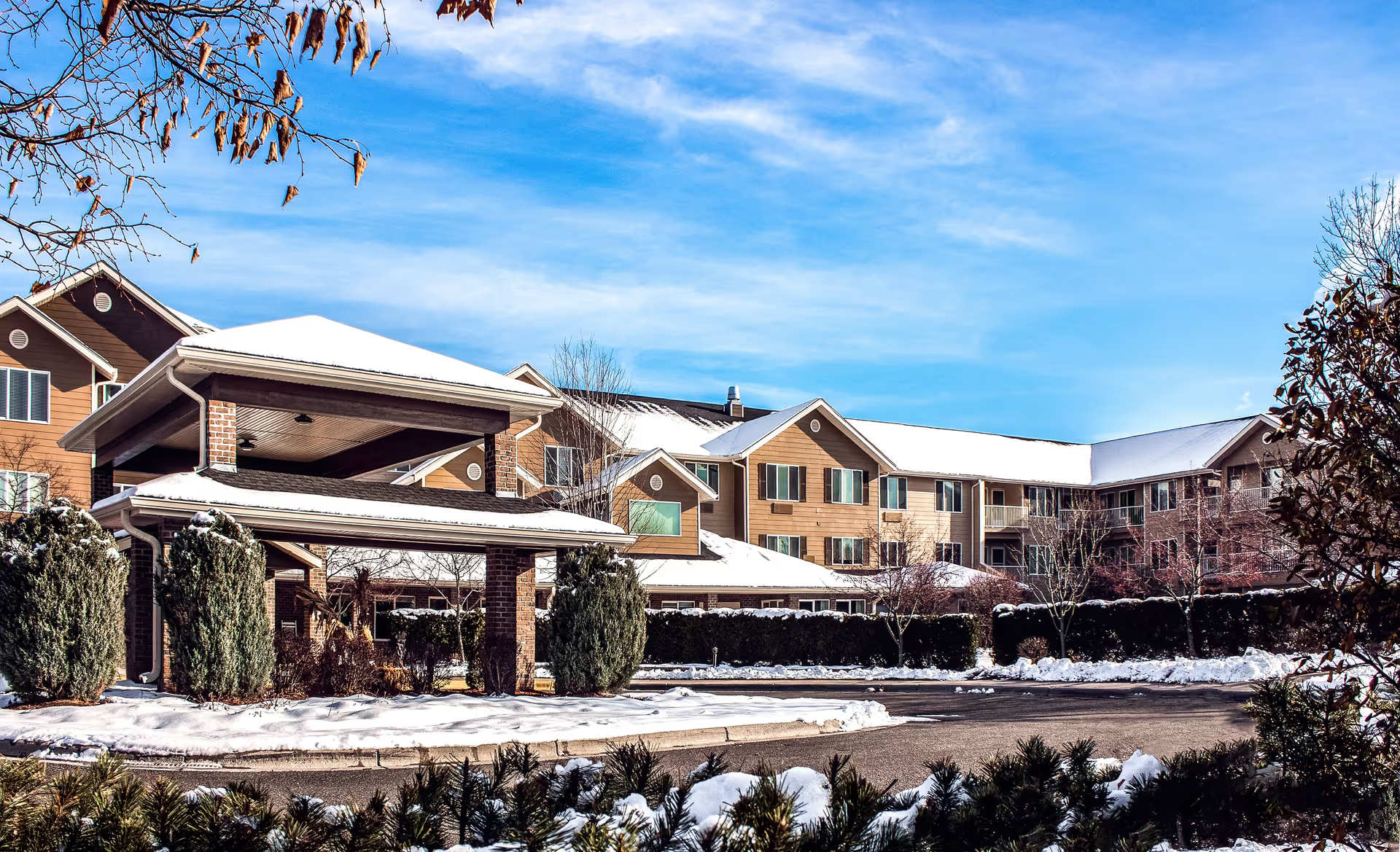
The physical plant is often described favorably: a clean, well-kept facility with secure entry, bright corner rooms, lake and wooded views, and a selection of studio and one-bedroom apartments, some with kitchenettes. At the same time, reviewers raised privacy and layout concerns in specific unit configurations (shared rooms with partial dividers, small apartments) and practical constraints such as limited resident parking and variable access to an outdoor environment.
Notable patterns to weigh when considering this community include the polarization between consistently praised frontline caregivers and recurring system-level failures (staffing shortages, response delays, communication and billing issues). Memory-care capability is uneven: while some families report compassionate dementia care and attentive management, others describe the memory-care unit as more institutional and insufficiently equipped for complex dementia behaviors. Prospective residents and families should confirm current staffing ratios, weekend clinical coverage, dementia-care protocols, medication-administration policies, incontinence procedures, recent ownership or management changes, and written billing/financial policies during an in-person visit. Observing mealtime assistance and the facility’s response time to call alerts during a tour may provide practical insight into day-to-day operations.