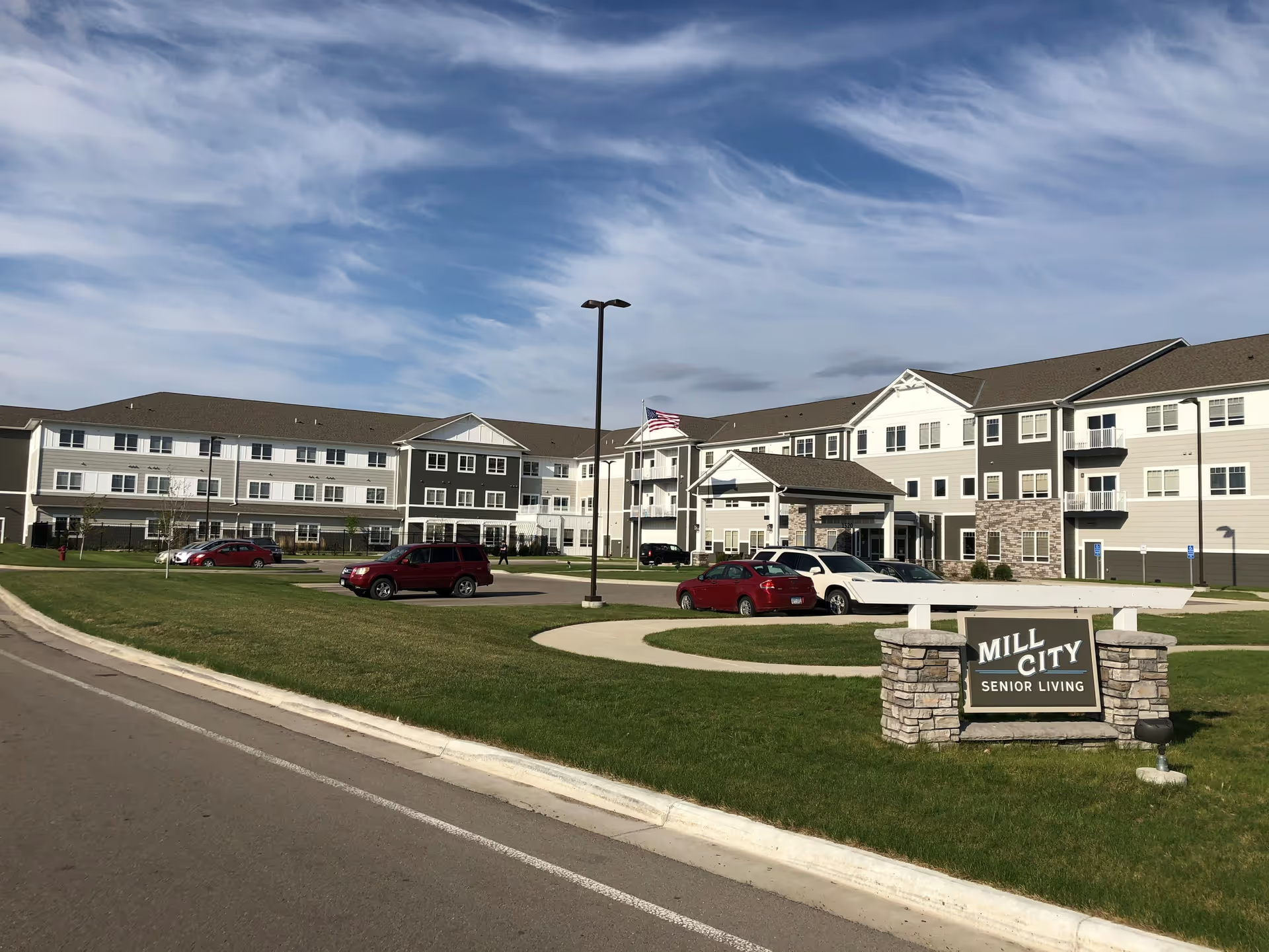
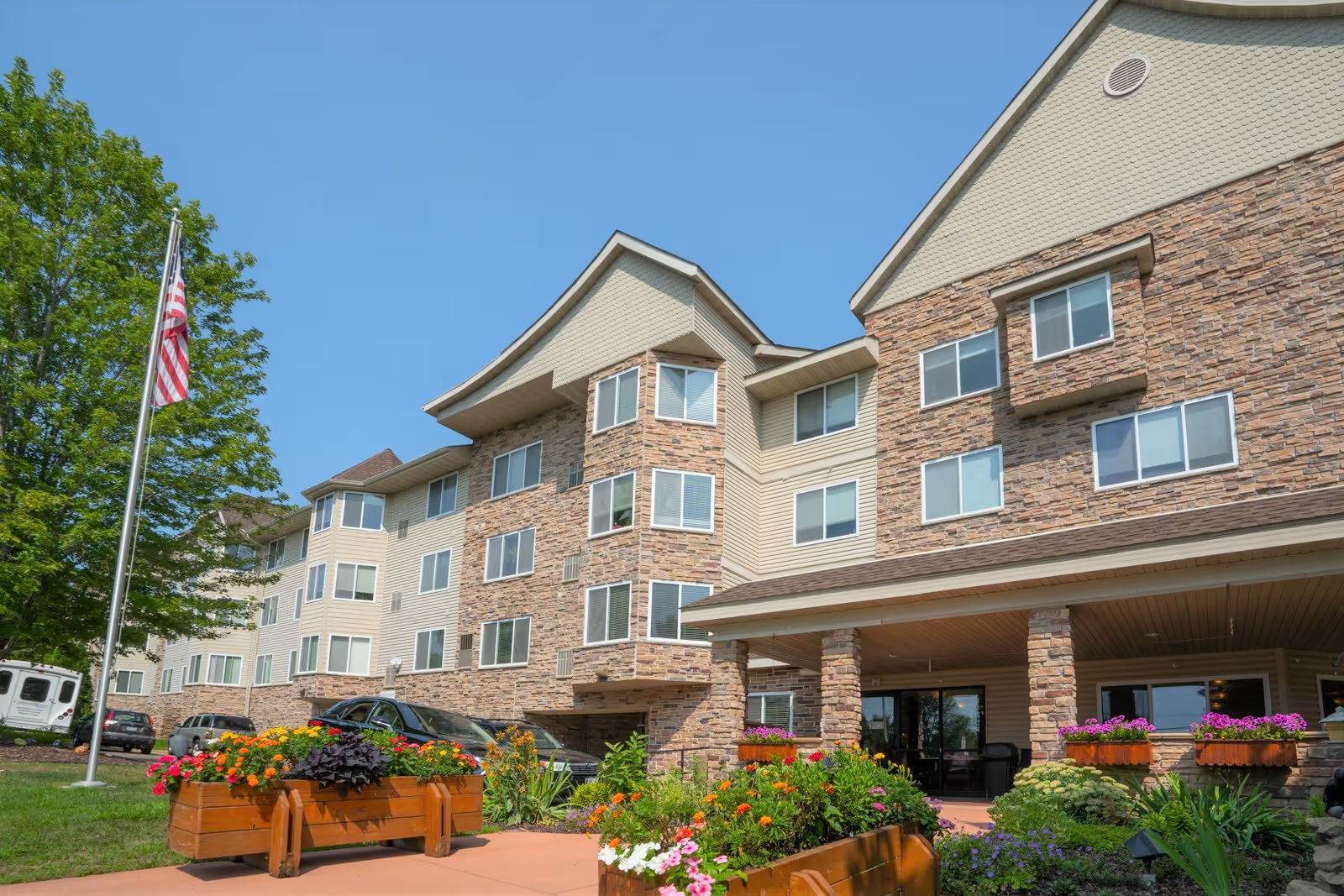
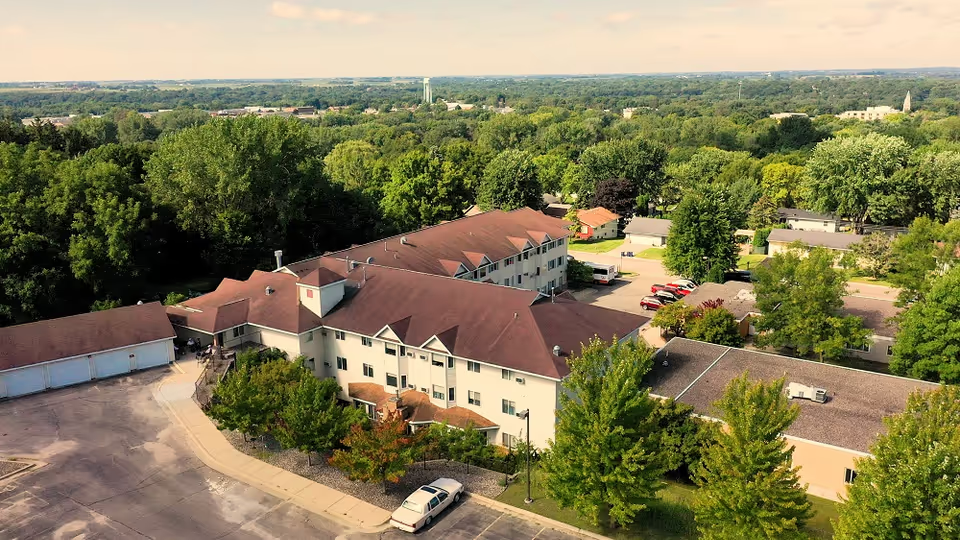
The reviews for Valley View Assisted Living present a mixed but coherent picture: many families and residents praise the facility’s frontline culture, dining, activities, and setting, while others raise substantive operational concerns primarily around leadership, staffing, safety, and maintenance.
Care and staff: A recurring strength is the demeanor and commitment of frontline caregivers. Many reviewers describe aides and care staff as friendly, kind, and willing to build personal connections; several cited specific staff members as supportive and reassuring. At the same time, there are repeated notes about staffing instability — turnover, recruitment challenges, and periods when more nursing coverage would be beneficial — that appear to affect responsiveness and consistency of care. Some reviewers described delays in attending to residents’ needs and specific gaps in assistance with personal devices (for example, hearing-aid support), which suggest variability in day-to-day resident support depending on staffing levels.
Dining and activities: Dining receives consistently positive feedback. Comfort-style meals and a generally favorable response to food quality were common. Social programming and activities were also highlighted as engaging and beneficial for residents’ quality of life, contributing to the home-like atmosphere many families appreciated.
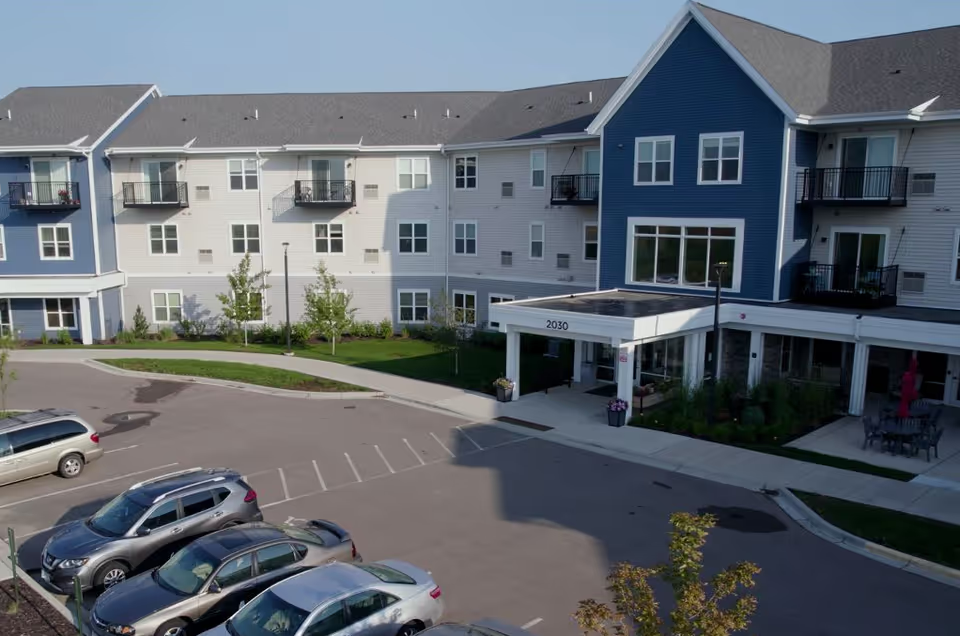
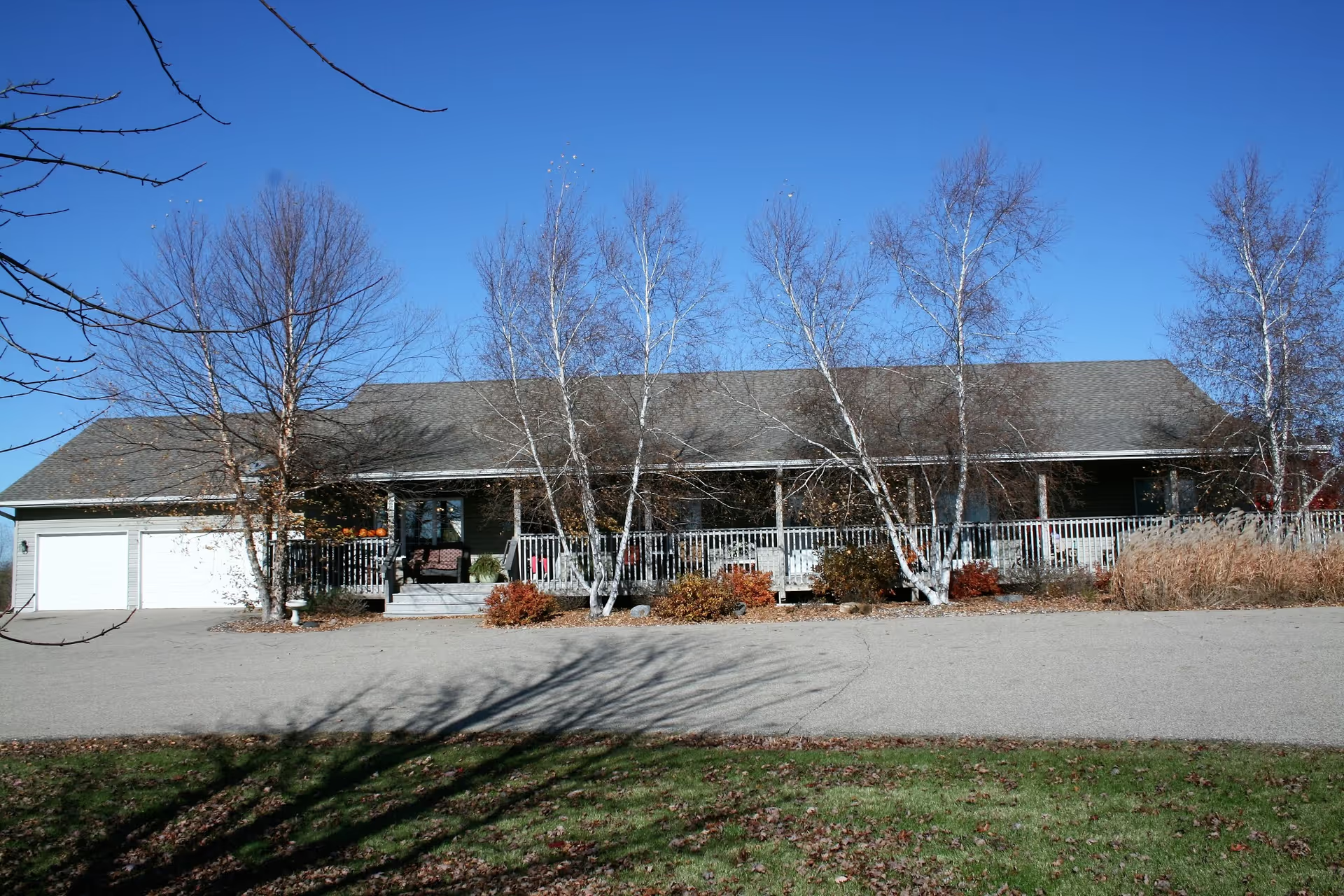
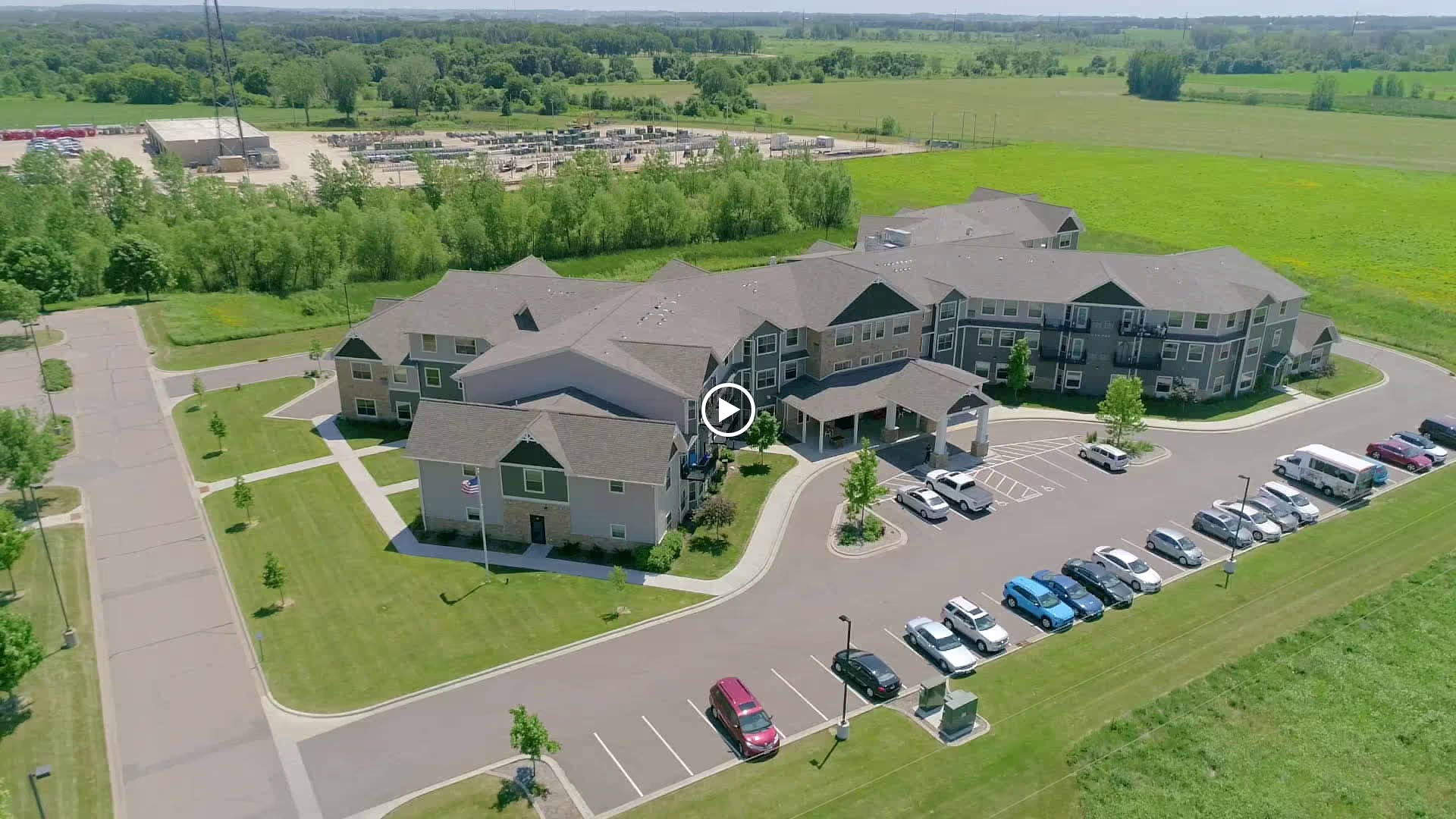
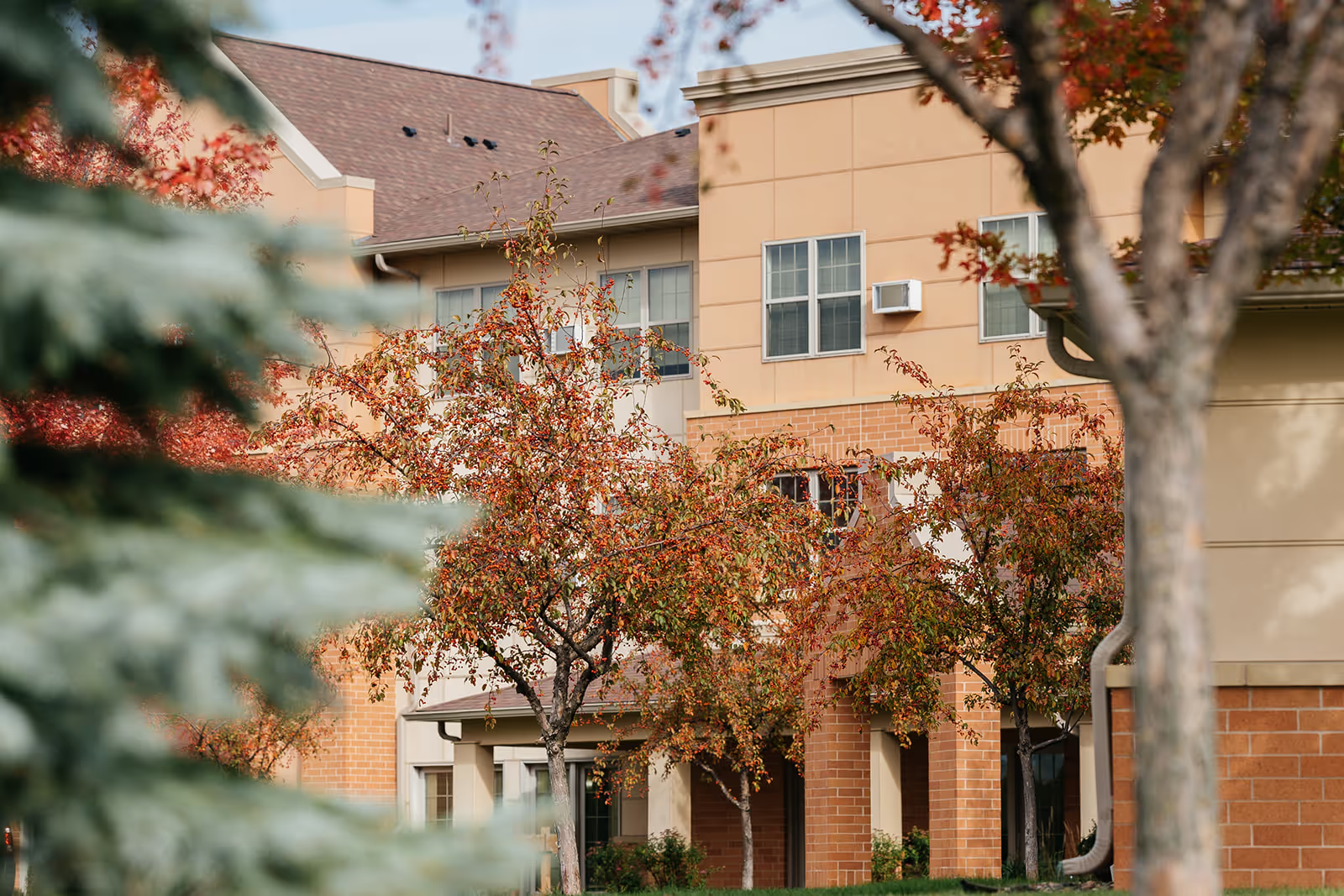
Facilities and maintenance: Comments about the physical environment are polarized. Multiple reviewers praised the single-level layout, private-room options, attractive grounds, and cleanliness in some areas. Conversely, there are persistent reports of maintenance backlogs — notably prolonged bathroom repairs and general building upkeep concerns — that can affect resident comfort and access. Cleanliness and sanitation were described as good by some and problematic by others, indicating inconsistency across units or time periods.
Safety, security, and clinical operations: Several reviewers raised concerns about emergency and safety procedures, including how alarms and drills are handled. There are also operational concerns related to medication administration and documentation controls, and questions about safeguards for resident property and finances. These issues span from procedural weaknesses to perceived lapses in adherence to established protocols.
Management and communication: Feedback about leadership is mixed and at times sharply divided. Some families praised management for good communication and responsiveness, while others described a disconnect between management and frontline staff, characterizing oversight as inconsistent. Staffing and recruitment pressures were frequently linked to these management concerns.
Notable patterns and considerations for families: The strongest and most consistent positives are the compassion of frontline caregivers, well-regarded meals, an engaging activity program, and an attractive location. The principal risks callers should explore further relate to operational consistency: ask about current staffing levels and turnover, emergency and alarm procedures, maintenance schedules for resident bathrooms and common areas, medication-administration safeguards, and protocols for protecting resident property. Experiences appear to vary substantially depending on staffing and management effectiveness at a given time, so prospective residents and families would benefit from in-person visits focusing on those operational elements and from asking for recent inspection or incident-closure documentation where available.