Care and staffing: The strongest and most consistent theme is the quality of on-floor caregiving. Many reviewers describe frontline staff as caring, attentive, and willing to go above and beyond; activity staff and certain nurses were singled out as particularly effective. That said, there are recurring operational weaknesses: staffing shortages, turnover, and an influx of less-experienced hires have created variability in day-to-day coverage. Several comments indicate delayed nursing response at times, limited weekend clinical presence, and concerns about proactive clinical oversight. The facility appears well suited to residents with mild to moderate needs and for secure memory-care placement, but reviewers described limitations when residents required higher-acuity or hospice-level interventions beyond the community’s typical scope.
Dining and activities: Activity programming is generally a positive feature — scheduled events, daily bingo, exercise classes, outings, and a visible activity calendar contribute to social engagement. An activity therapist received favorable mention. Transportation for appointments and community outings is available and appreciated, although some reviewers noted underuse or scheduling inefficiencies with the community bus. Dining impressions are mixed: some praise special-event meals and individual kitchen staff, while others cite inconsistent food quality, perceived poor value for the cost, and occasional staff–dietary conduct concerns. Overall, social programming is a strength, while food service and perceived value are areas of variability.
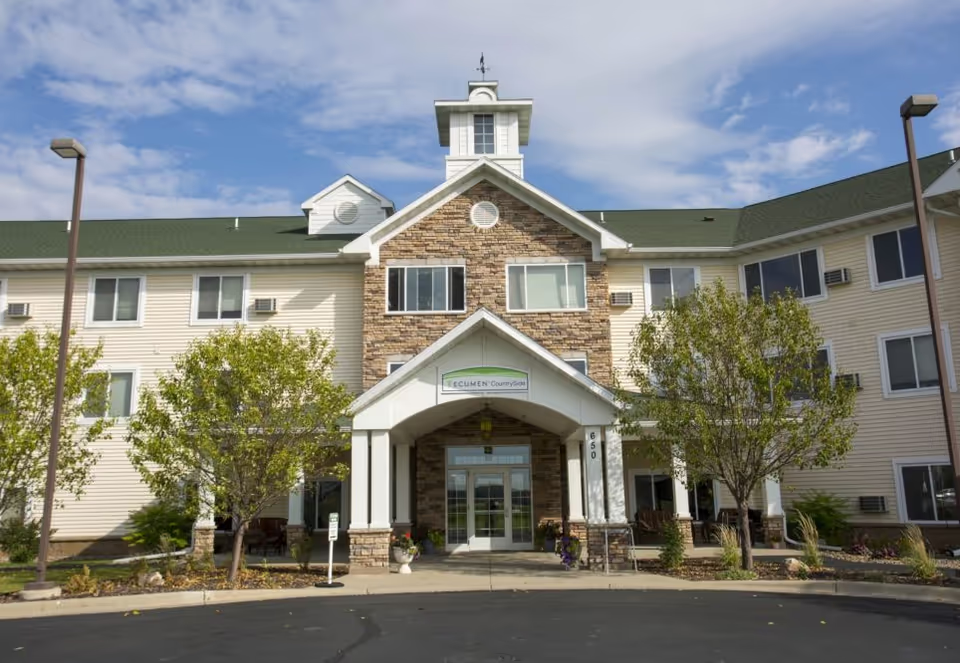
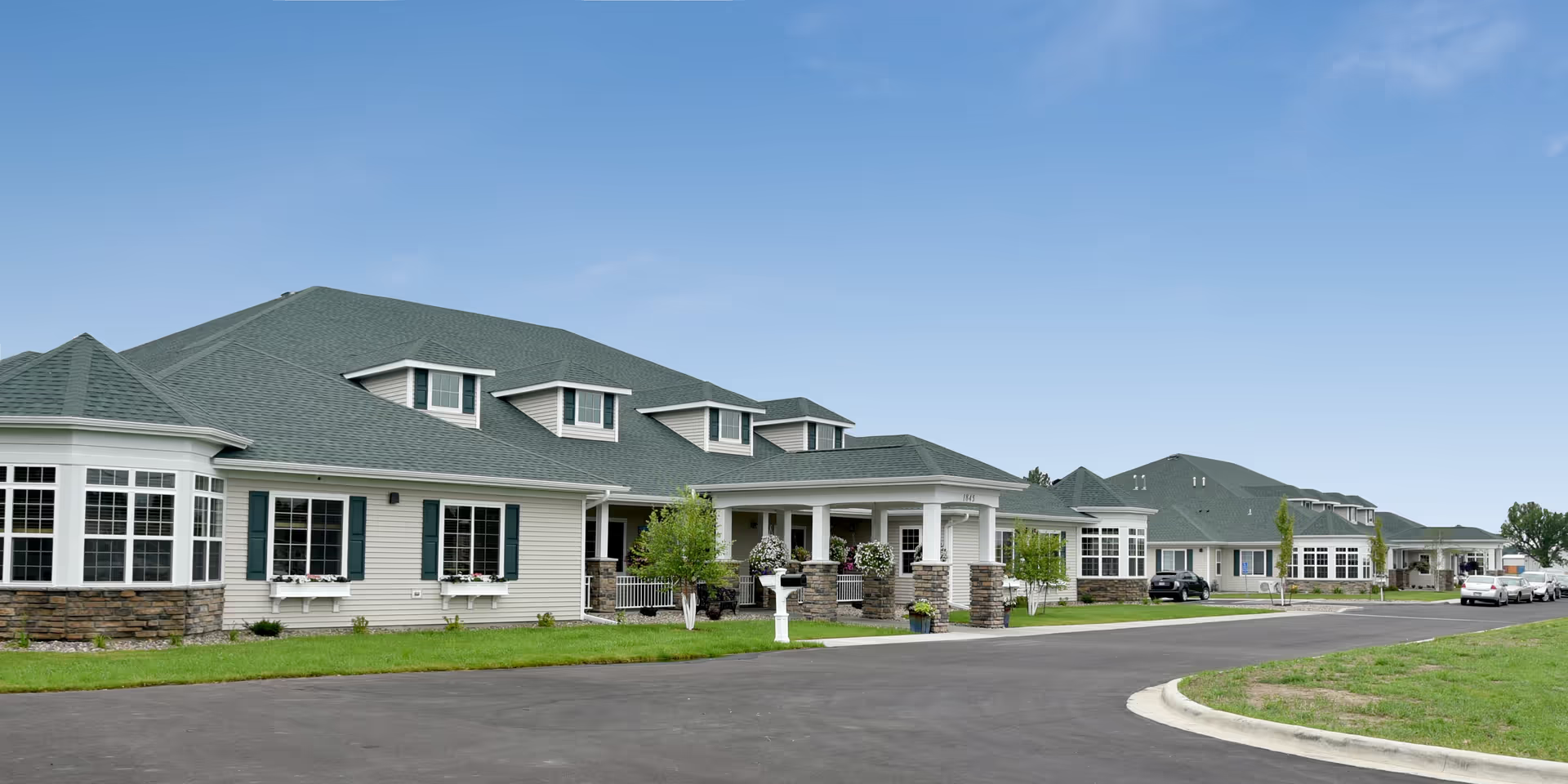
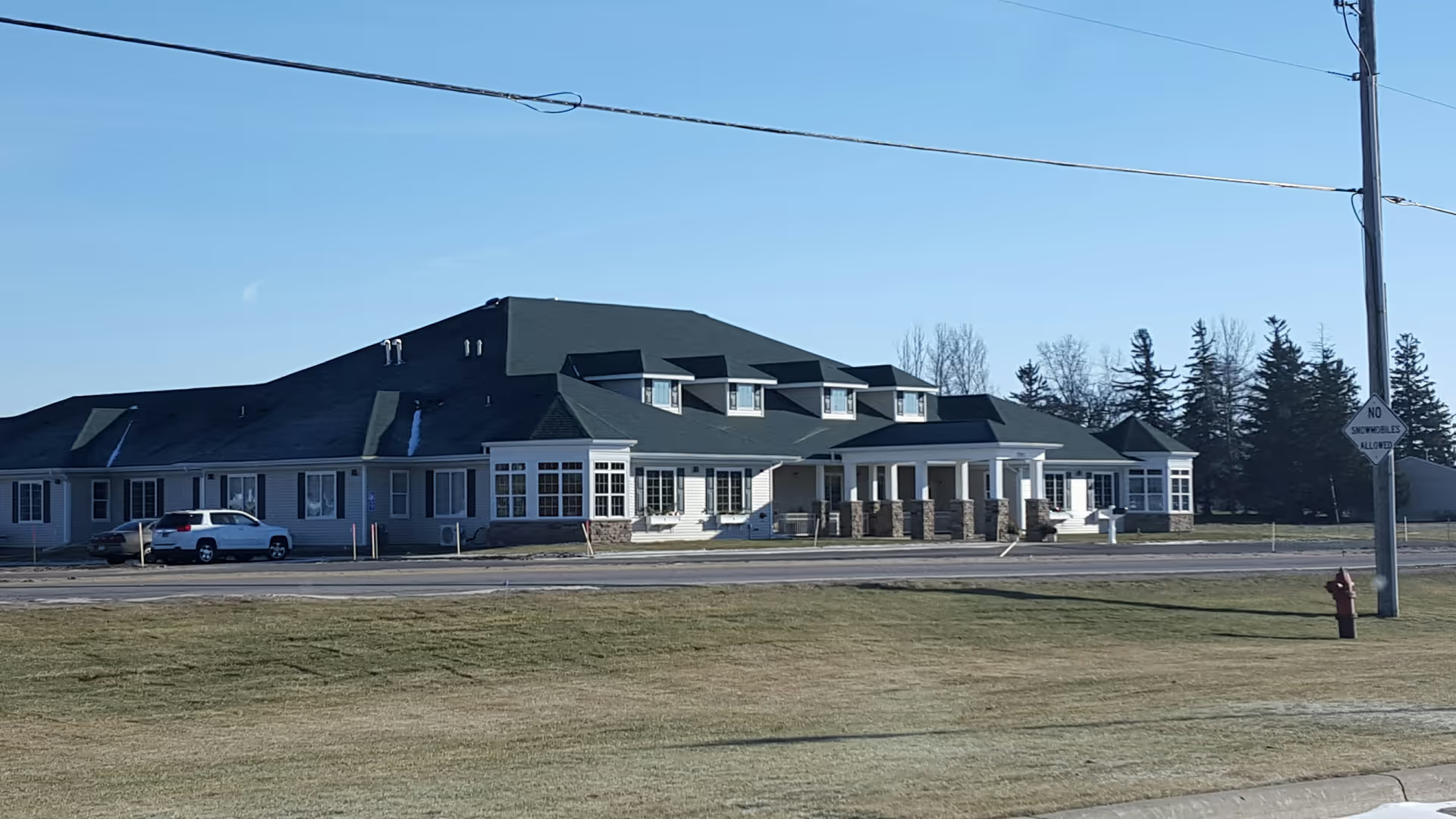
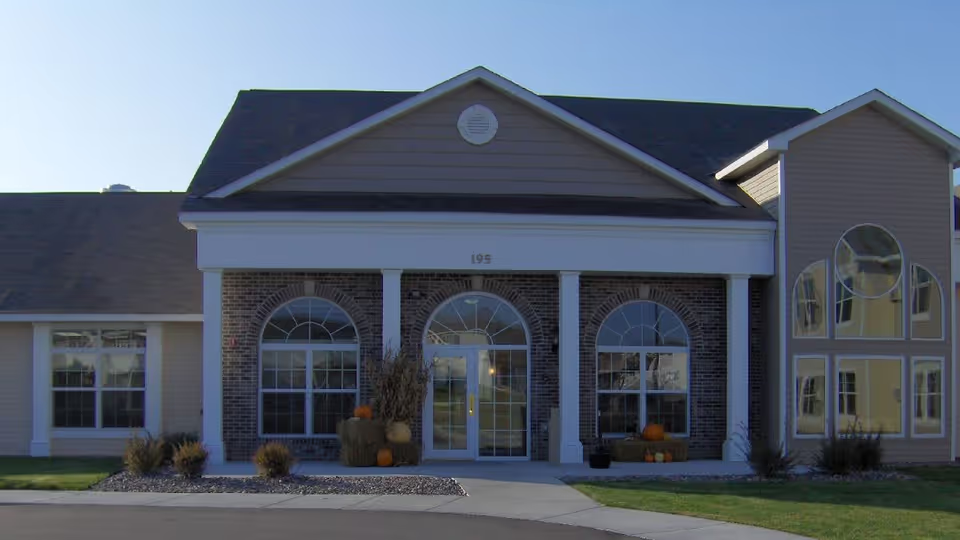
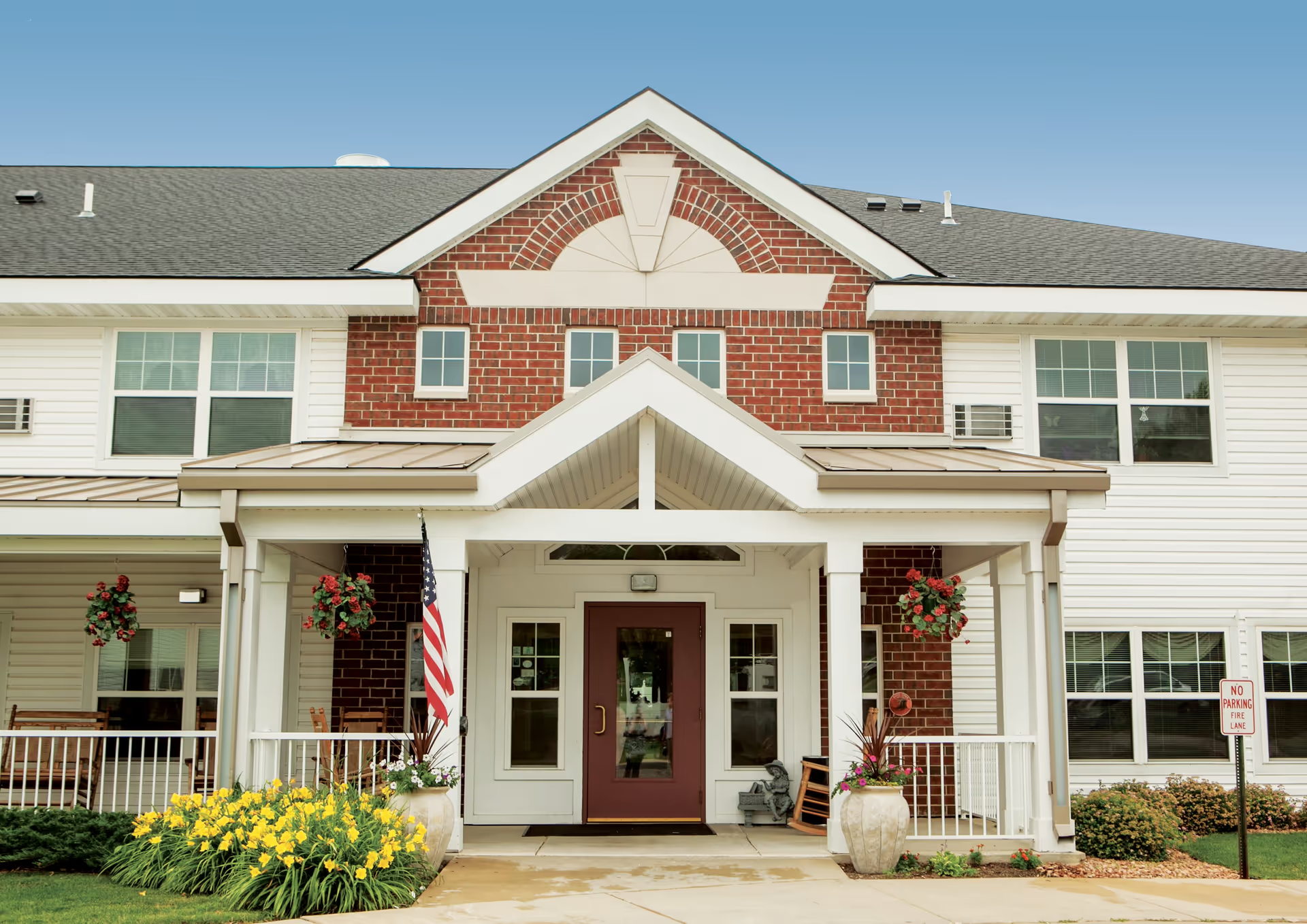
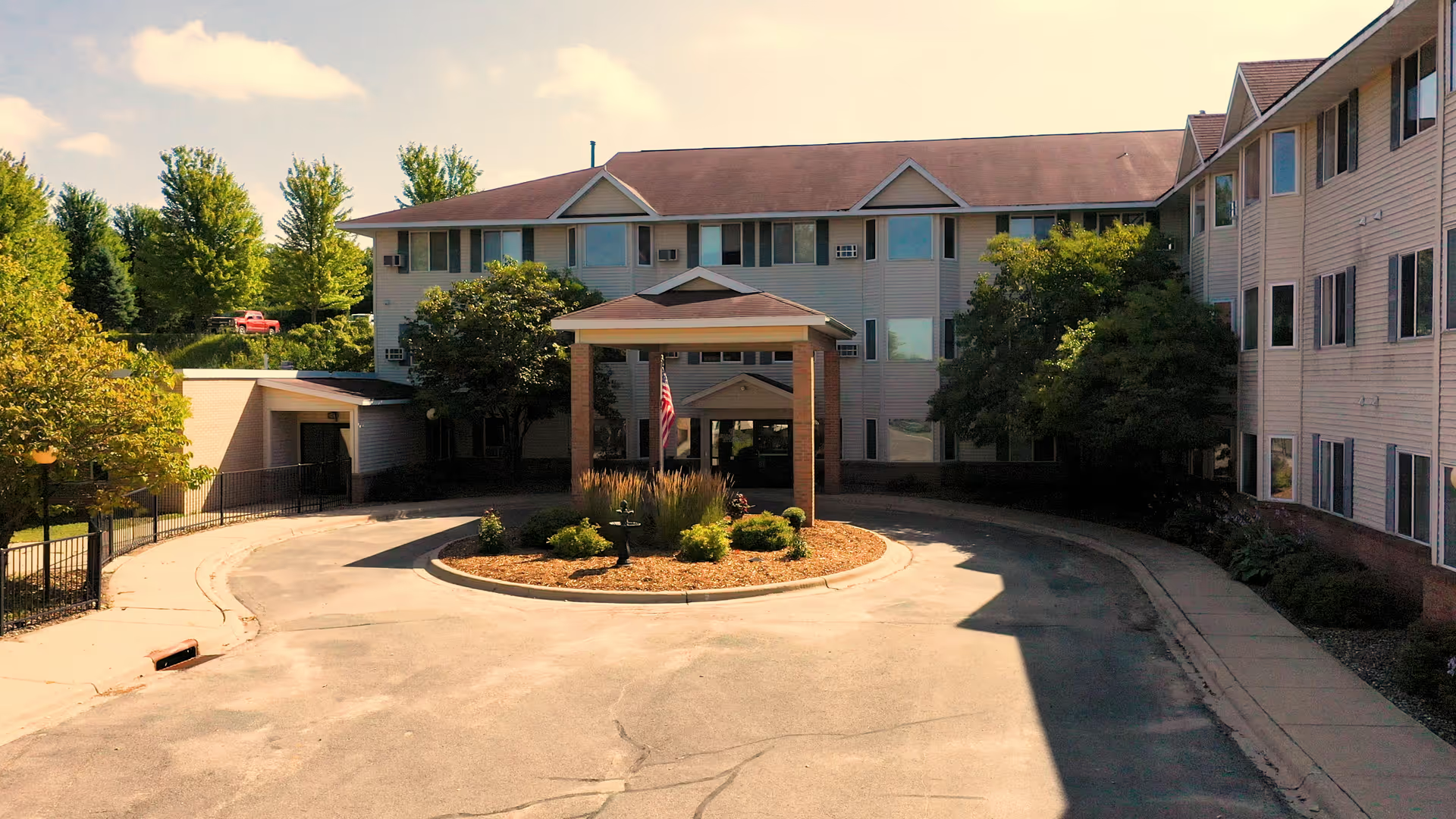
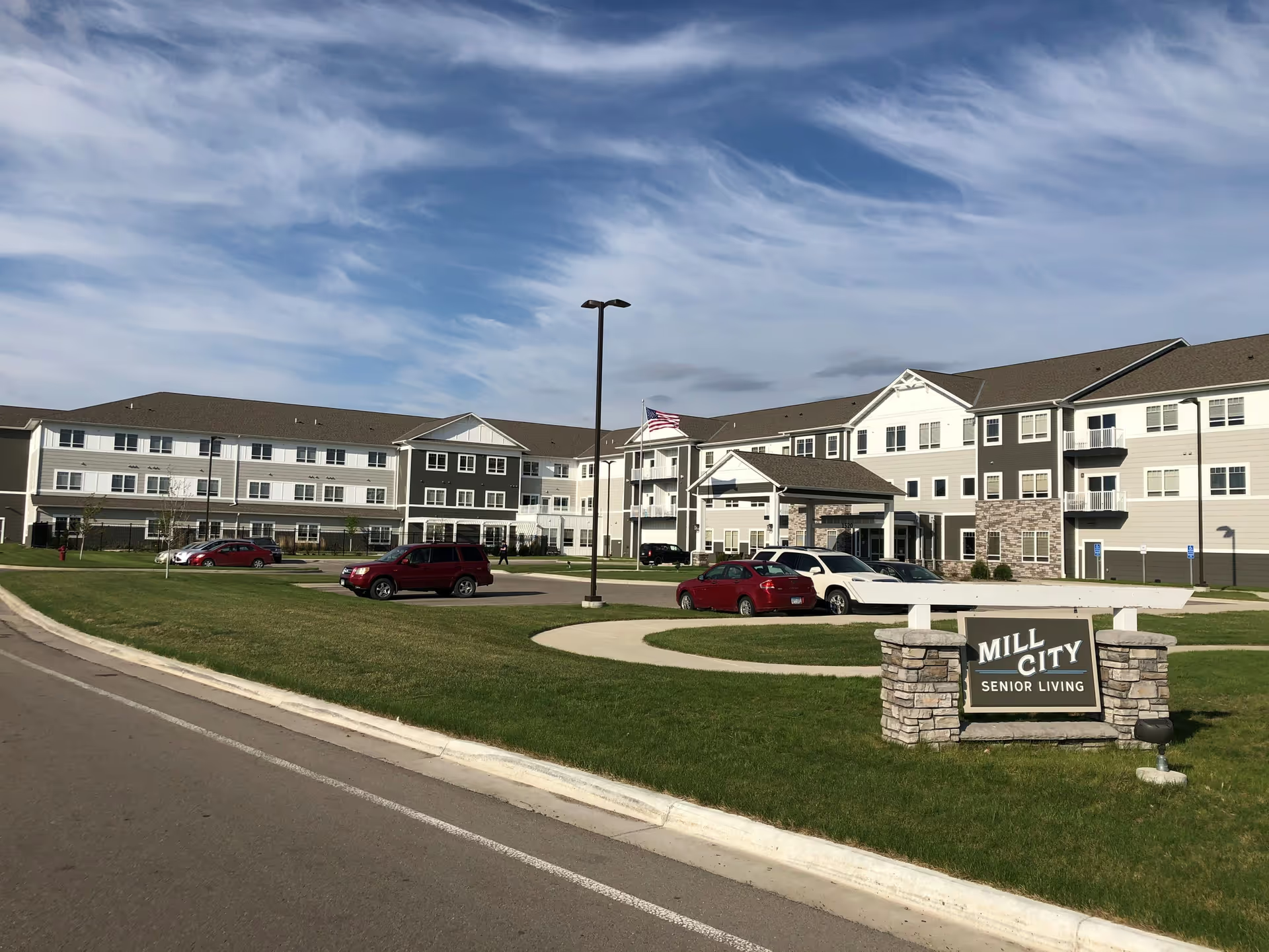
Facilities and amenities: The building is described as clean, updated, and homelike with a single-level layout, wide halls, courtyard, salon, and accessible dining areas. Apartment sizes were a frequent point of contrast: some residents report larger, comfortable units (including two-bathroom options), while others report small bedrooms and limited layout choices. Climate control is another recurrent issue — common areas may be air-conditioned while some resident rooms run hot or experience humidity. Reviewers also raised supply-management concerns (basic supplies sometimes lacking) and occasional personal-item security issues.
Management, admissions, and policy: Perceptions of management are mixed. Some families found management responsive, respectful, and effective at addressing concerns; others described diminished visibility and follow-through, especially after leadership changes. Admissions and sales communications drew criticism for being impersonal or giving the impression of misleading pricing or promises in a few cases. Privacy and records-handling concerns were noted and warrant careful inquiry during a tour. Infection-control restrictions had a negative emotional impact during prior lockdowns, with families describing isolation effects.
Notable patterns and suitability: The dominant pattern is a strong caregiving culture at the frontline paired with variability in institutional consistency — particularly around staffing stability, clinical oversight, dining value, and management follow-through. Prospective residents and families should prioritize an in-person assessment of unit size, room climate, and current staffing patterns; clarify the facility’s capacity for higher-acuity care; and obtain explicit, written details about admission pricing, medication-management practices, and privacy/records policies. For those seeking a small, community-oriented assisted-living setting with active programming and engaged caregivers, this facility may be a good fit. For families needing reliable higher-level clinical support, tighter management responsiveness, or larger apartment options, there are operational concerns to investigate further.