The reviews present a mixed but coherent picture: many families and residents describe strong hands-on care from compassionate direct-care staff and a rehabilitation program that produces measurable functional improvements, while other entries raise operational concerns regarding staffing, cleanliness, and building condition. Positive accounts highlight therapists who were motivating and effective, successful post-operative recovery, supportive end-of-life care, and front-line staff who helped make transitions smoother. Several reviews specifically praise the therapy modalities and equipment available on-site, the kitchen staff's responsiveness to dietary issues, and the availability of private rooms and recent cosmetic updates to common areas.
Care and staff quality appear to vary by shift and unit. Strengths include consistent reports of empathetic nursing and therapy personnel, teamwork among caregivers, and examples of families feeling welcomed and supported during difficult periods. At the same time, reviews indicate inconsistent staffing levels that manifest as delayed responses to call lights and care needs; these delays are described as an operational pattern rather than isolated events. There are also accounts of variable staff conduct and organization, with some families noting respectful, attentive interactions and others reporting professionalism and communication concerns.
Dining and activities are similarly mixed. Multiple reviewers offered praise for specific kitchen staff and timely attention to certain dietary needs, but others noted variable meal quality and weight-management concerns for some residents. Rehabilitation and therapy programming receives largely positive feedback for helping residents regain mobility and function, with several reviewers crediting therapists for notable recovery gains.
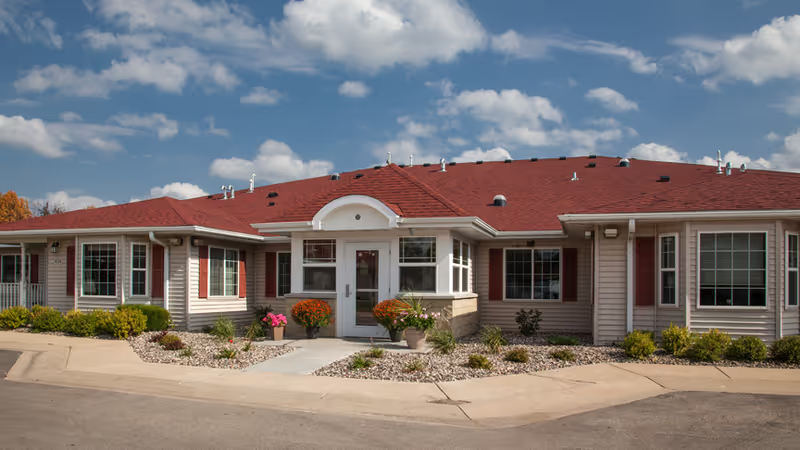
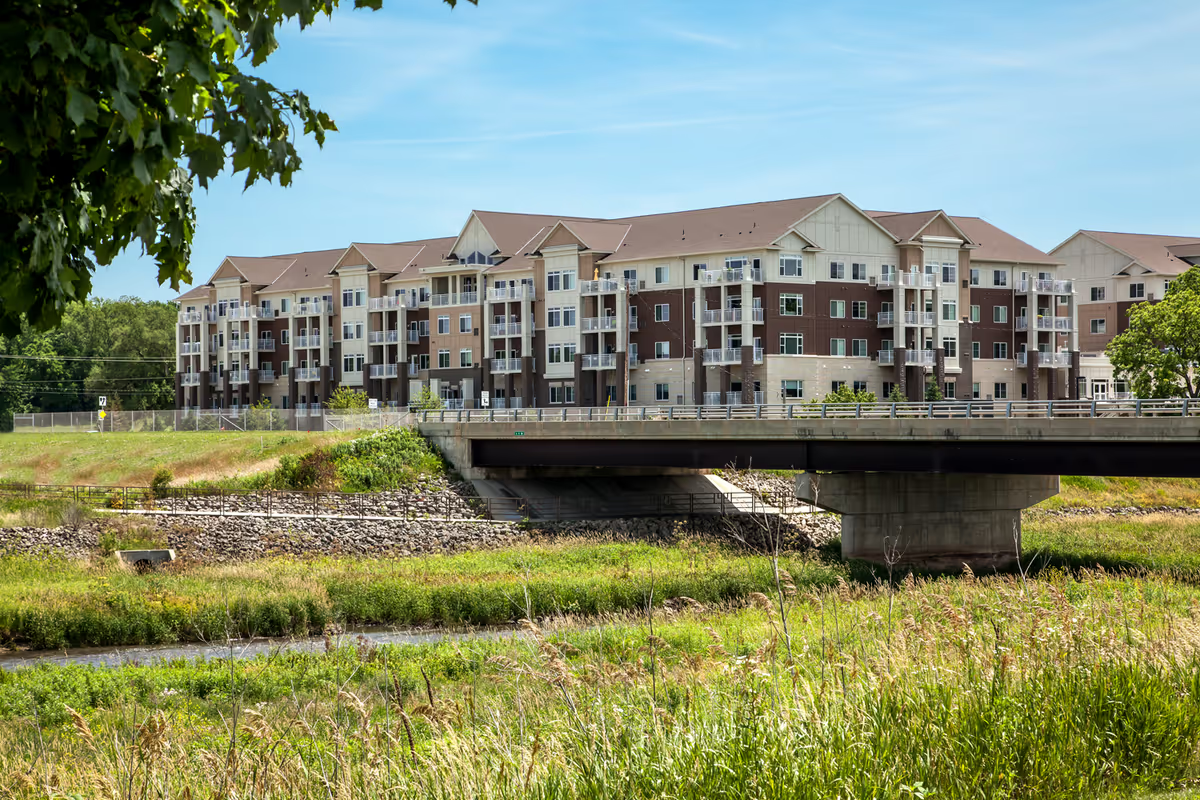
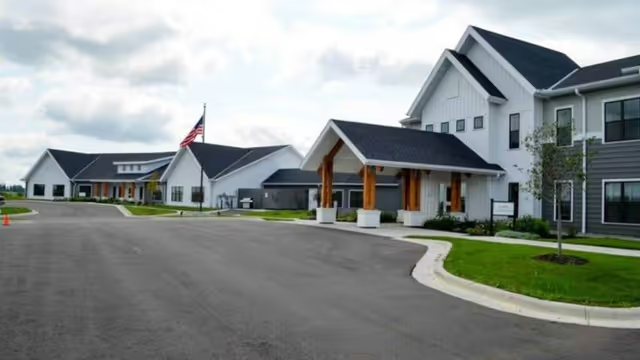
Facility condition and management present a clear area for scrutiny. The building is described as older in parts, with ongoing renovations such as new flooring and paint in some areas; however, reviewers also flagged aging infrastructure and localized safety issues. Cleanliness and laundry handling were raised as operational gaps in some accounts, together with occasional odor concerns and crowded shared rooms that reduce privacy and increase noise. Administrative issues include intake delays and intermittent communication lapses during transitions, though other reports indicate management and staffing improvements over time.
Overall, the dominant patterns are a competent, often compassionate clinical and therapy presence paired with operational inconsistencies in staffing, cleanliness, and facility upkeep. Prospective residents and families would benefit from an on-site visit that focuses on current staffing levels and shift coverage, call-response times, sanitation protocols, recent renovation scope, and the facility’s processes for intake and family communication to determine whether the program and environment meet their priorities.