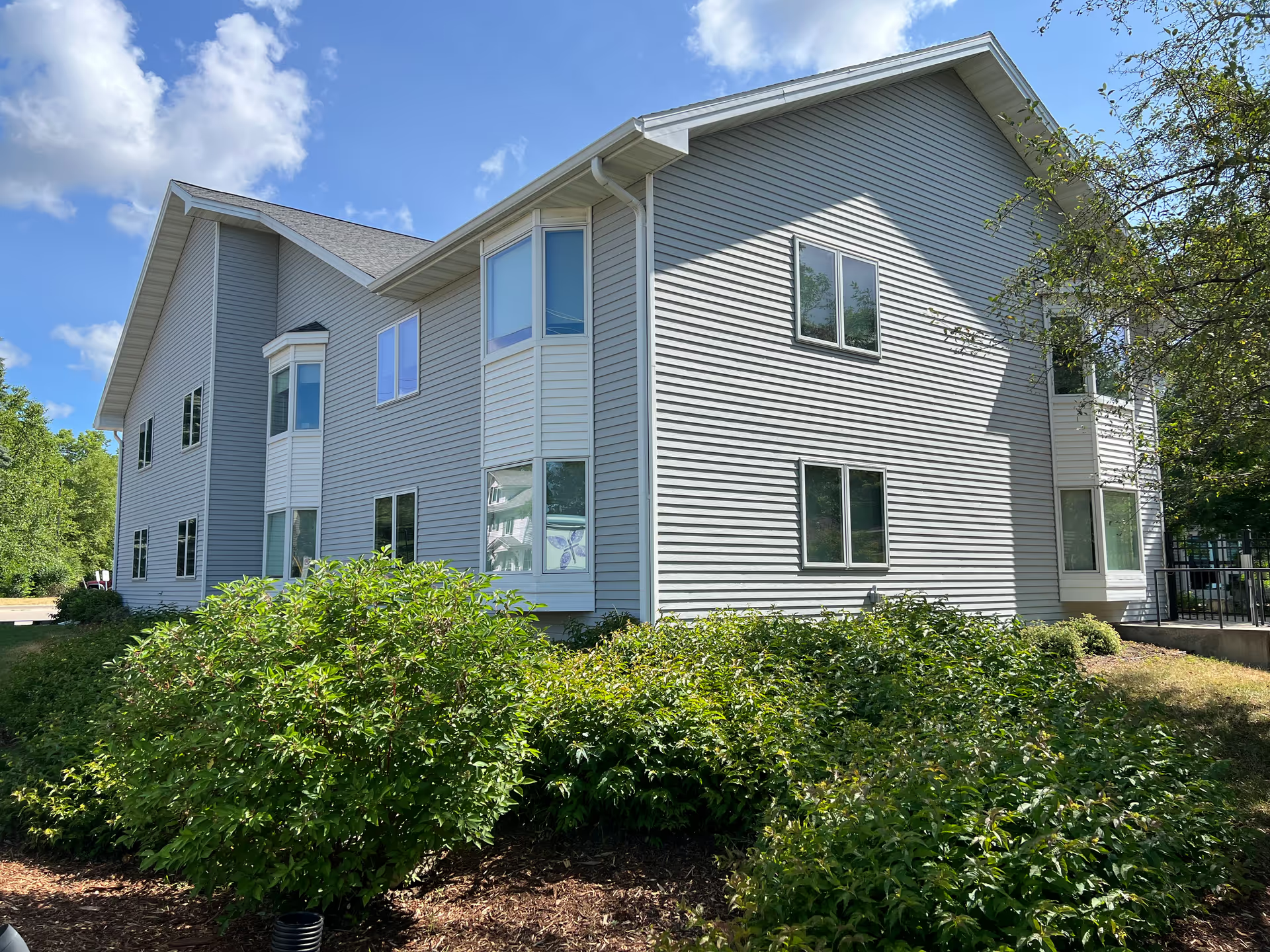
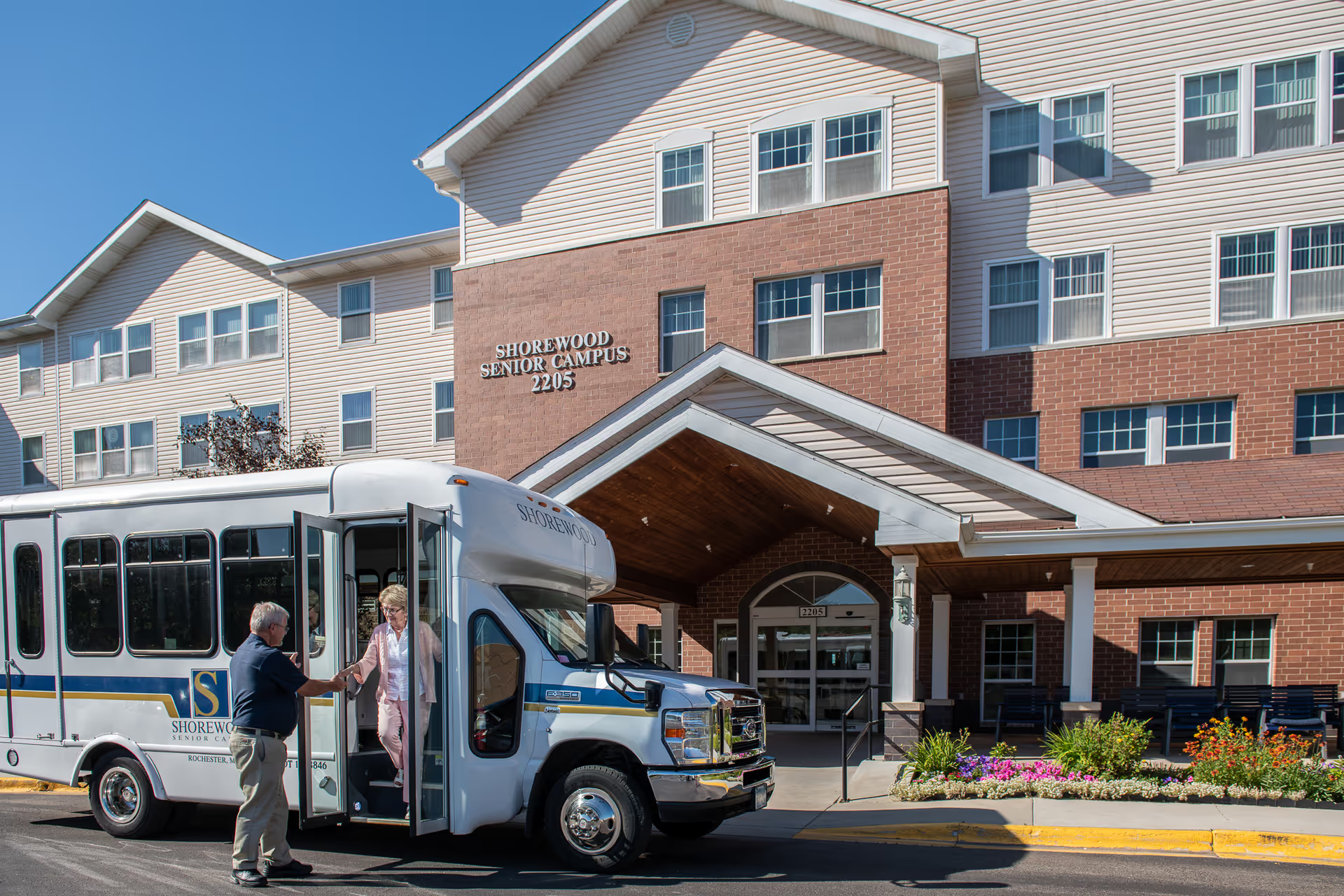
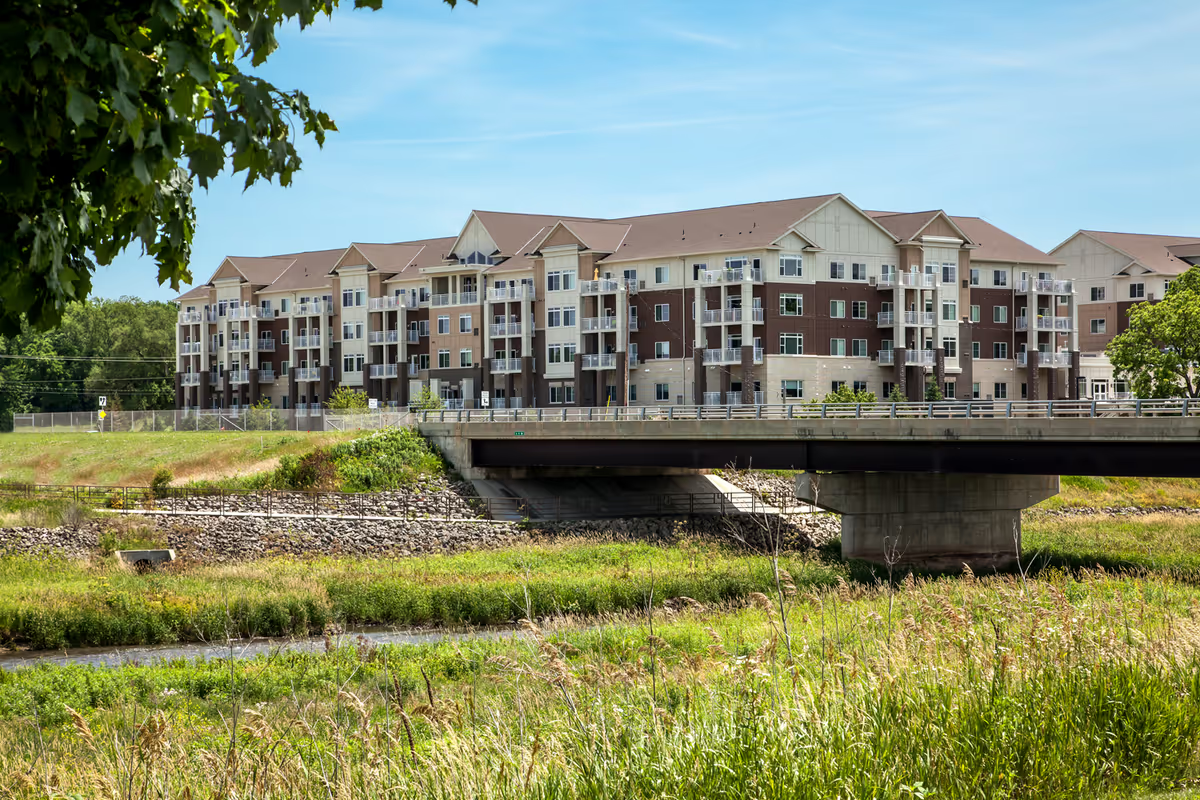
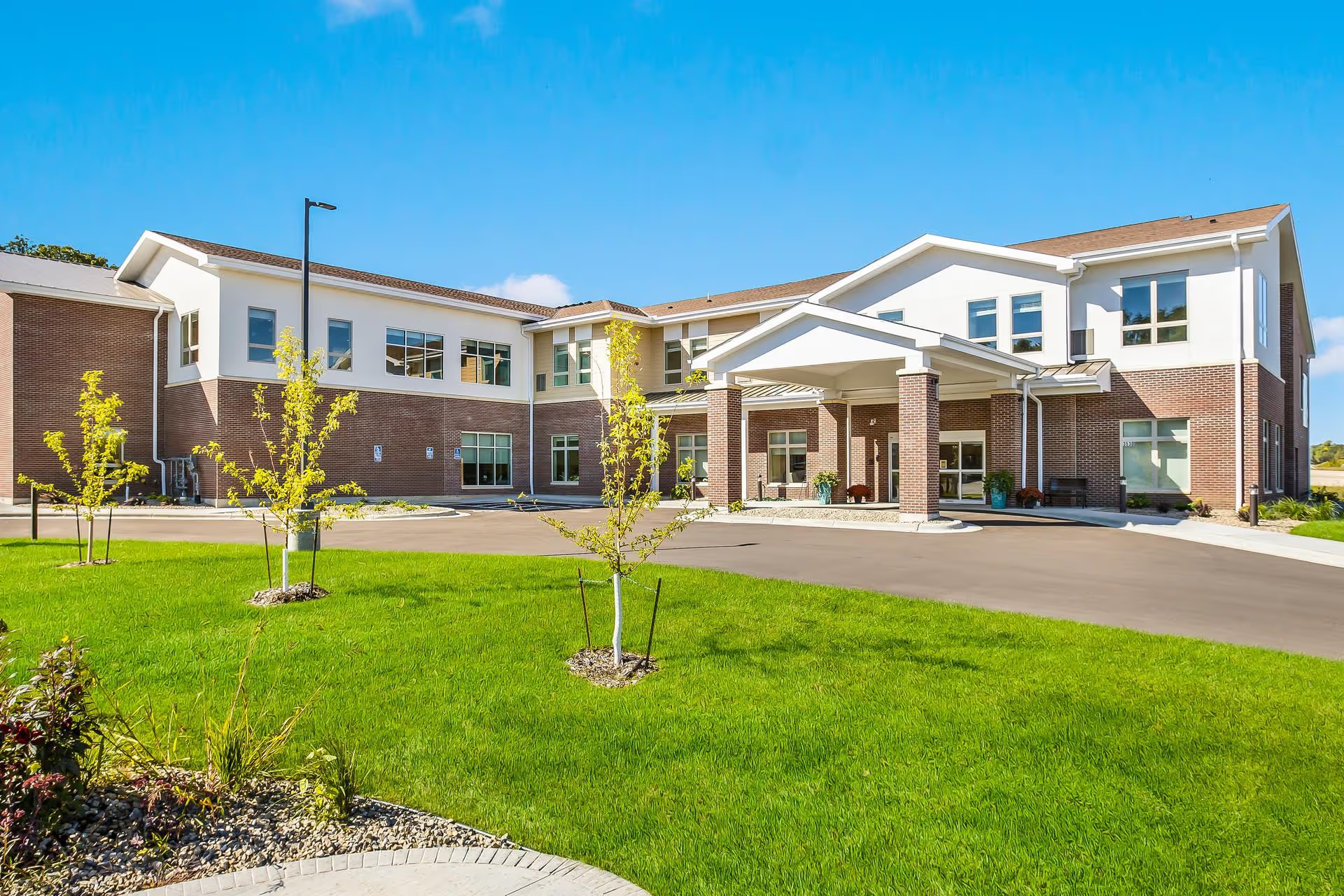
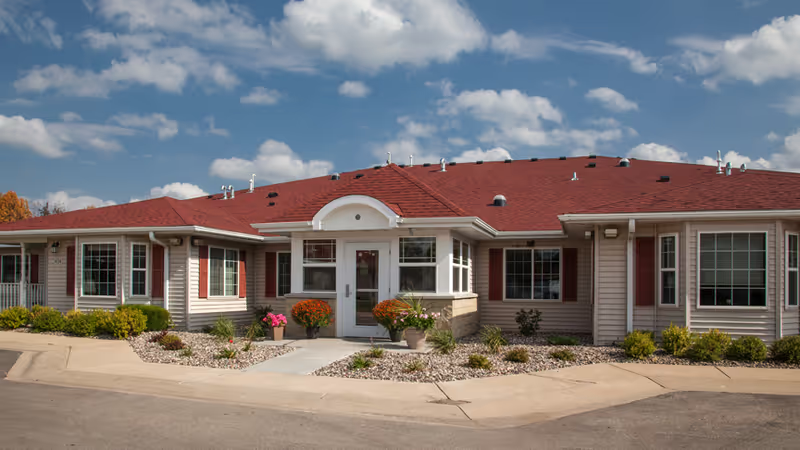
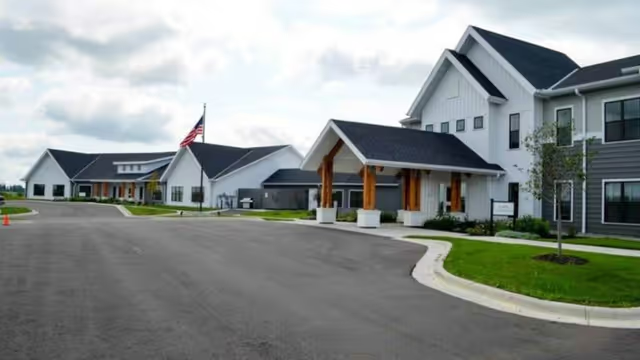
River Bend presents a mixed but instructive profile for prospective residents and families. On the positive side, the community earns consistent praise for its warm, home-like atmosphere, compassionate frontline staff, and a smooth, reassuring admissions experience. Many families described strong, personal caregiving relationships, helpful front-desk interactions, and specific employees who provide dependable day-to-day support. The facility itself is newer, bright, and well maintained with hotel-like common areas and attractive river views. On-site amenities — including a restaurant-style dining room, puzzle and activity rooms, fitness and theater spaces — contribute to a pleasing resident environment.
Care quality shows significant variation. Numerous accounts highlight attentive assisted-living support, respectful dementia approaches in memory care, and strong end-of-life support. However, there are recurring operational concerns: staffing shortages and turnover appear to limit the facility’s ability to meet higher-acuity needs consistently, and families report gaps in personal-care scheduling (bathing and hygiene assistance) and laundry/personal-belonging management. There are also cited instances of multiple hospital transfers and family concern about medication adjustments; these point to broader gaps in medication-management and transfer-safety protocols rather than isolated procedural issues.
Staff and culture are a clear strength in many narratives — staff are frequently described as kind, engaged, and proud of their work. That said, leadership instability and management changes surfaced repeatedly and correlate with employee departures, communication breakdowns, and morale issues. Administrative and billing processes were another common friction point: families experienced billing errors, delayed refunds, and difficulties resolving charges. These administrative deficiencies contributed to frustration during transitions such as move-out or end-of-life transfers.
Dining and activities are generally seen as advantages but not uniformly so. The kitchen and dining presentation receive many compliments for variety and restaurant-like service, with particular praise for desserts and portion sizes. Other families reported a decline or inconsistency in meal quality and requested expanded dietary options (lower-sodium and plant-based choices). Activity programming tends to be robust — outings, music, arts, and social events are available — but some families found the choices limited in variety or tone; a few described programming that felt infantilizing for certain residents, indicating inconsistent tailoring of activities to resident capabilities and dignity.
Facilities and logistics are mostly favorable: accessible apartment layouts, bright common spaces, and useful amenities are repeatedly noted. Nonetheless, maintenance responsiveness and some property-repair issues were mentioned, as were constraints on transportation schedules. Pricing and value perceptions vary: some families consider River Bend competitively priced with good value, while others point to rent increases and ownership-driven cost pressures that have eroded perceived value.
Overall, River Bend may be a strong fit for residents who prioritize compassionate day-to-day staff interactions, a welcoming community environment, and attractive physical surroundings. Families choosing this community should plan for active advocacy: verify care plans and personal-care schedules, confirm medication- and transfer-safety procedures for higher-acuity needs, and monitor billing and administrative paperwork closely. Prospective residents with complex dementia syndromes or high medical needs should assess clinical staffing levels and incident-response processes during tours and meetings with leadership.