Reviewer feedback on Rochester East Health Services is mixed, with clear strengths in therapeutic and social programming alongside recurring operational and facility concerns. Many families and short-stay patients describe positive rehabilitation outcomes, an active activities program, and staff members who are caring and engaged. Memory-care residents and their families frequently note a home-like atmosphere and good staff communication in that unit. At the same time, several reviews identify systemic issues that merit attention prior to placement.
Care quality and clinical oversight present a split picture. Short-term rehab and therapy services (physical and occupational therapy) are commonly praised for producing measurable recovery and for having a cohesive therapy team. Conversely, reviewers also raised concerns about staffing adequacy, long nurse response times, and inconsistent clinical practices—items that can affect skin integrity, oxygen management, and wound oversight. There are also a small number of statements indicating serious post-event concerns, including issues raised following a resident's death; families should seek clear documentation of clinical protocols and incident follow-up when evaluating the facility.
Staffing and interpersonal conduct vary by shift and unit. Numerous comments highlight compassionate, dedicated caregivers and named staff who provided positive experiences, while other accounts describe curt or confrontational interactions, privacy concerns, and inconsistency in how staff engage with residents. These mixed observations suggest variability in training, supervision, or unit culture; prospective families may benefit from meeting staff across multiple shifts and asking about staff-to-resident ratios and supervision practices.
Dining and activities are frequently cited as strengths, with a flexible dietary department able to meet special-diet needs and a range of programming that includes one-on-one engagement, musical guests, and organized social events. Breakfasts and some meal offerings receive favorable mentions. At the same time, meal quality and consistency are uneven according to reviewers, and dining-room seating and comfort were noted as limited in places.
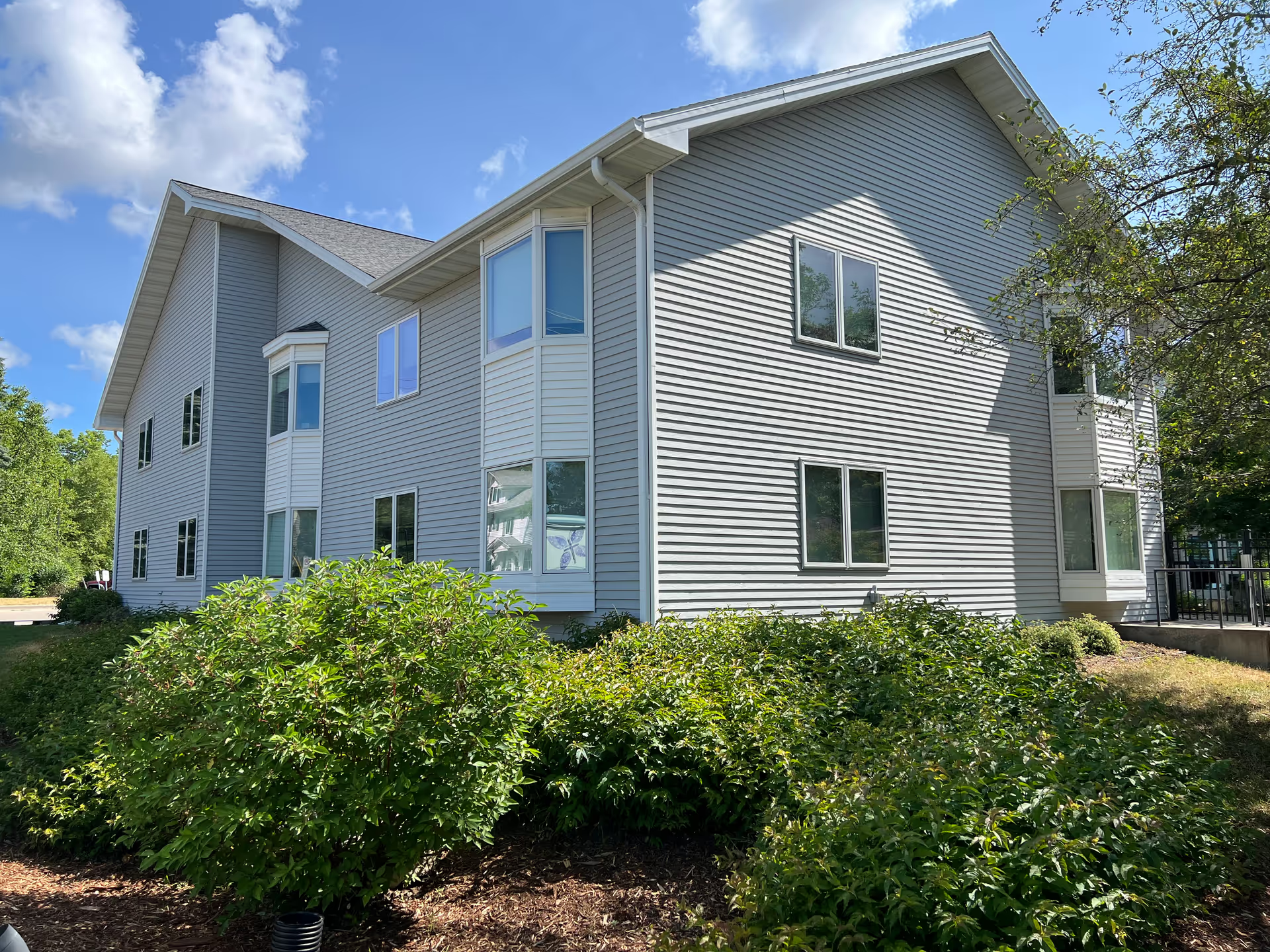
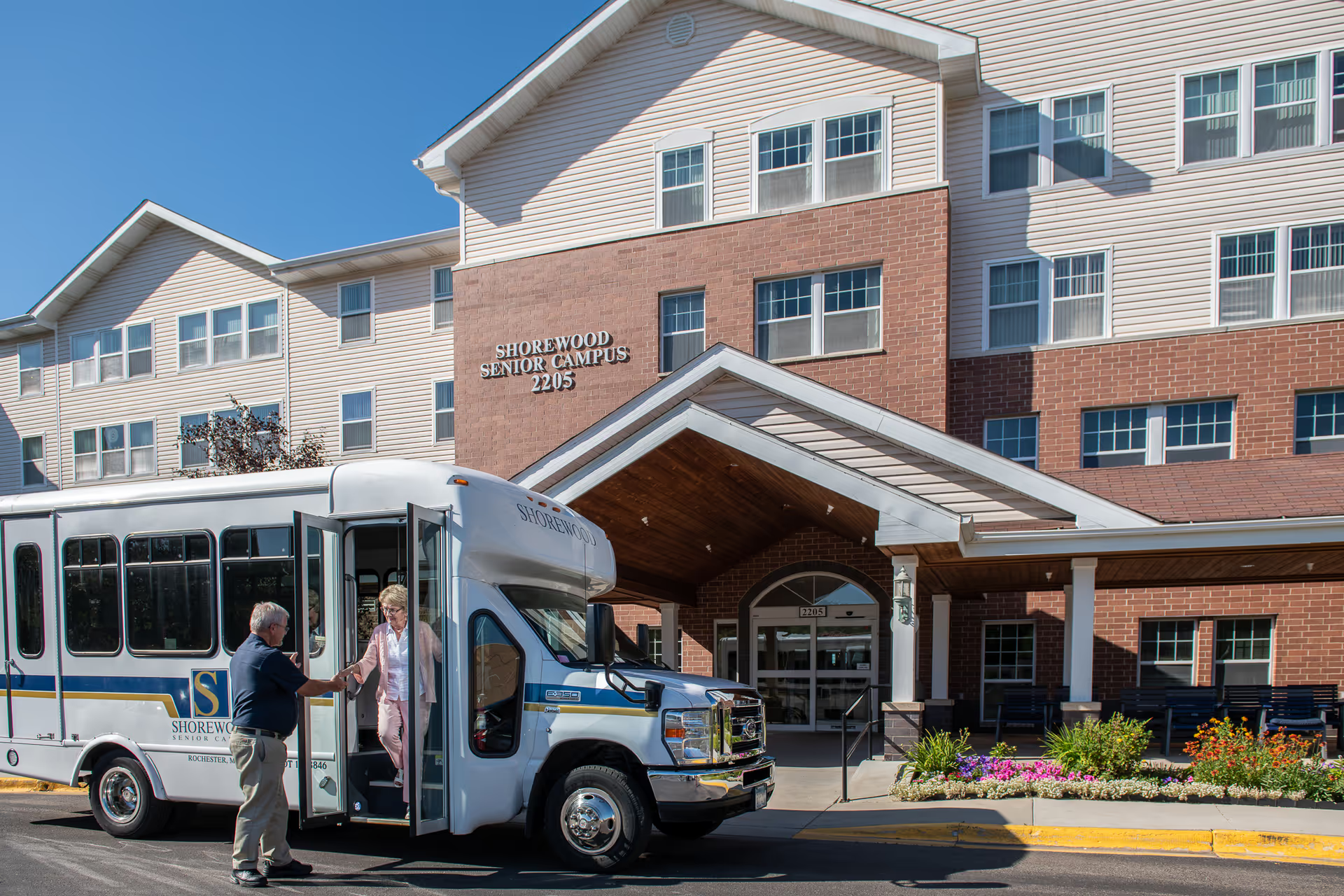
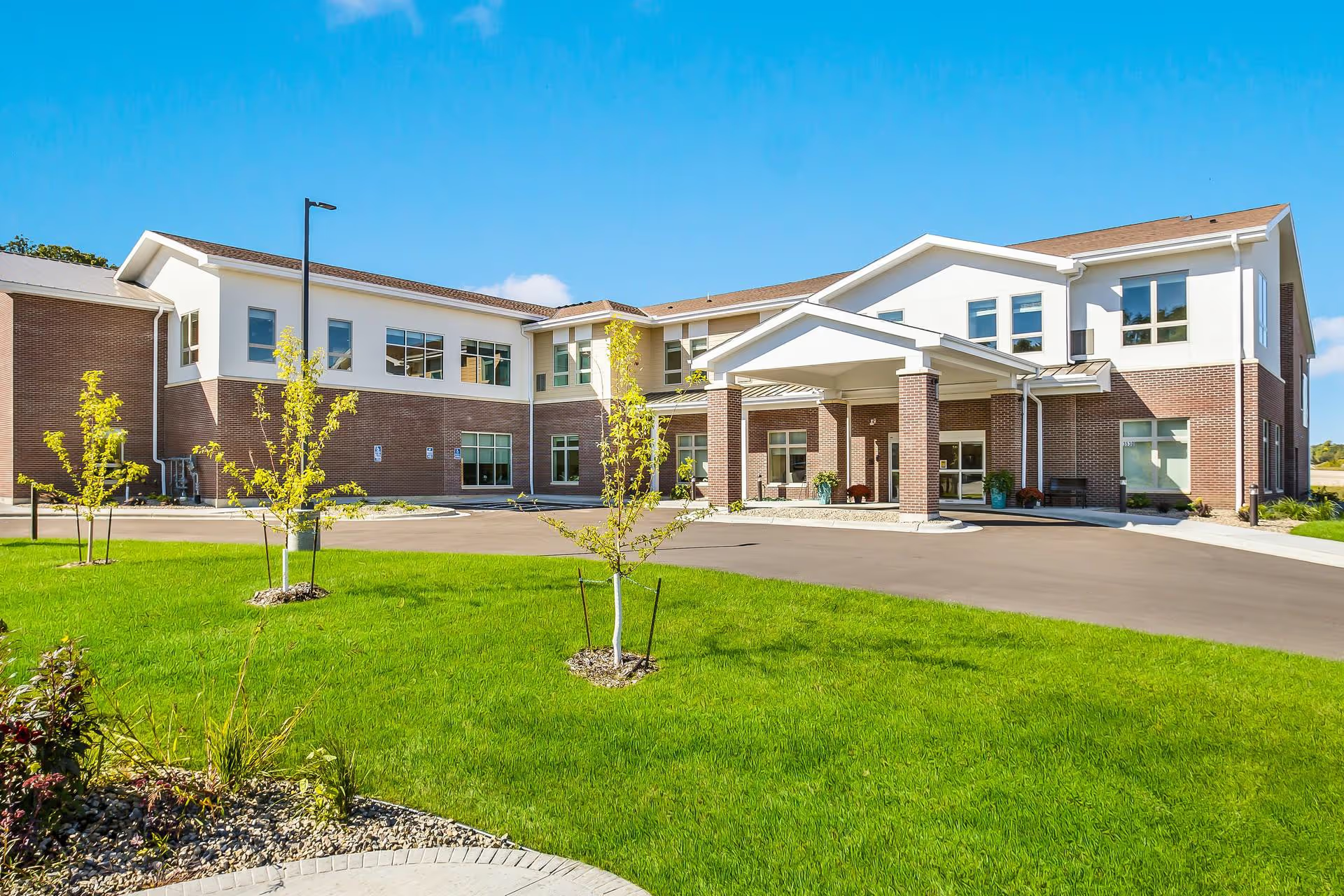
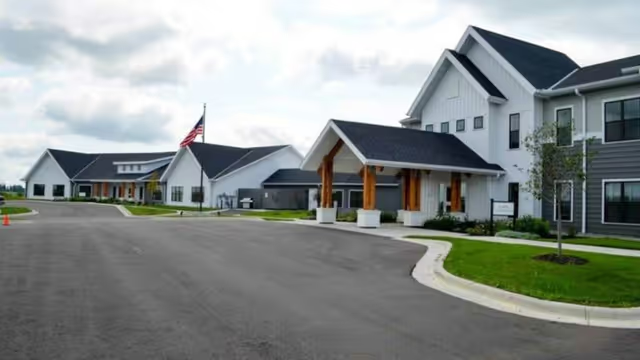
Physical plant and operations show clear contrasts. The facility has an attractive lobby and multiple outdoor seating areas and some reports of spotless common-area housekeeping. However, reviewers also describe aging resident rooms, broken or outdated furnishings, insufficient seating in communal spaces, and maintenance deficits. Operational weaknesses extend to laundry handling and personal-item management, and there are reports of unreliable vendor payments and invoice processing that suggest administrative process gaps.
Management and communication display mixed signals. Some reviewers credit administrative improvements and a customer-service orientation; others describe turnover, internal drama, abrupt discharge decisions, and weak communication between shifts and with families. Taken together, these comments point to leadership and operational stability as an important area to evaluate during any tour or placement discussion.
Overall, Rochester East appears to offer strong rehabilitation services, engaged activity programming, and several attentive staff members, alongside facility- and operations-level risks that have affected some residents' experiences. Families considering this facility should (1) observe multiple units and meal periods, (2) ask for staffing ratios and examples of clinical oversight protocols (wound, oxygen, incontinence care), (3) review contracts and discharge policies, and (4) request references from recent short-term rehab and memory-care families to understand consistency across shifts and units.