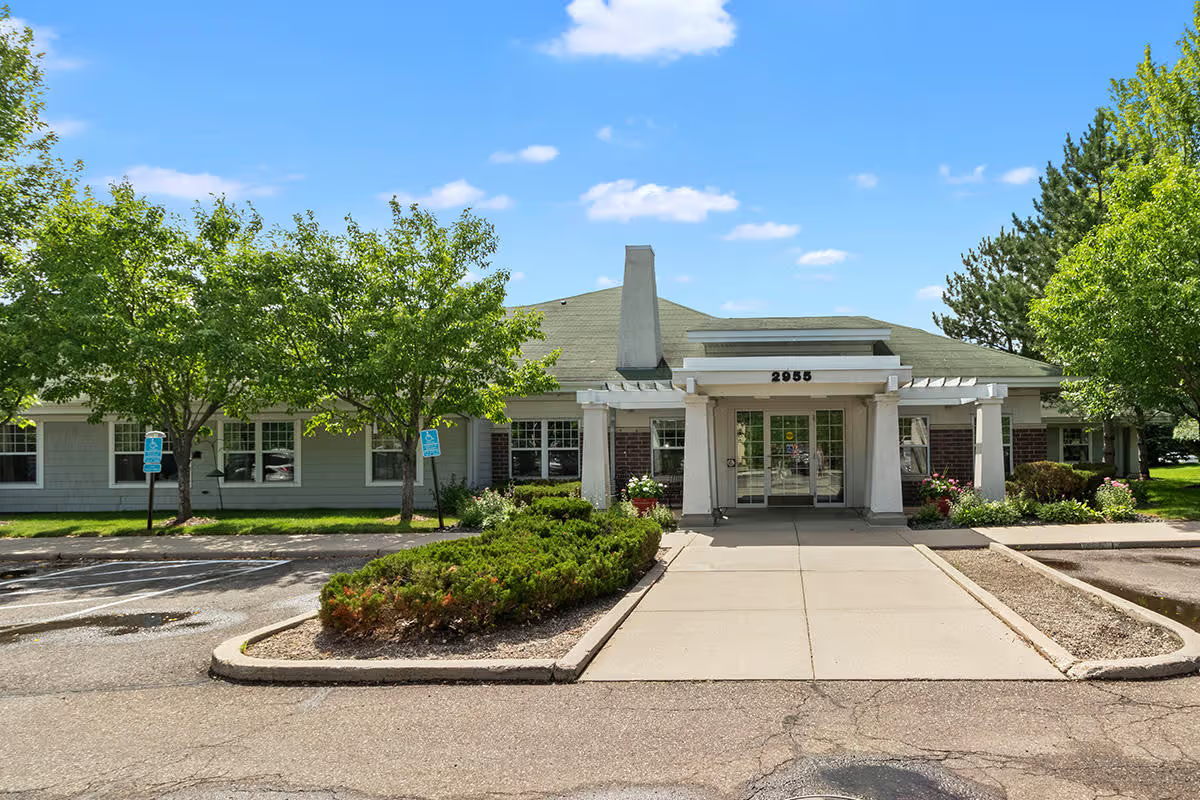
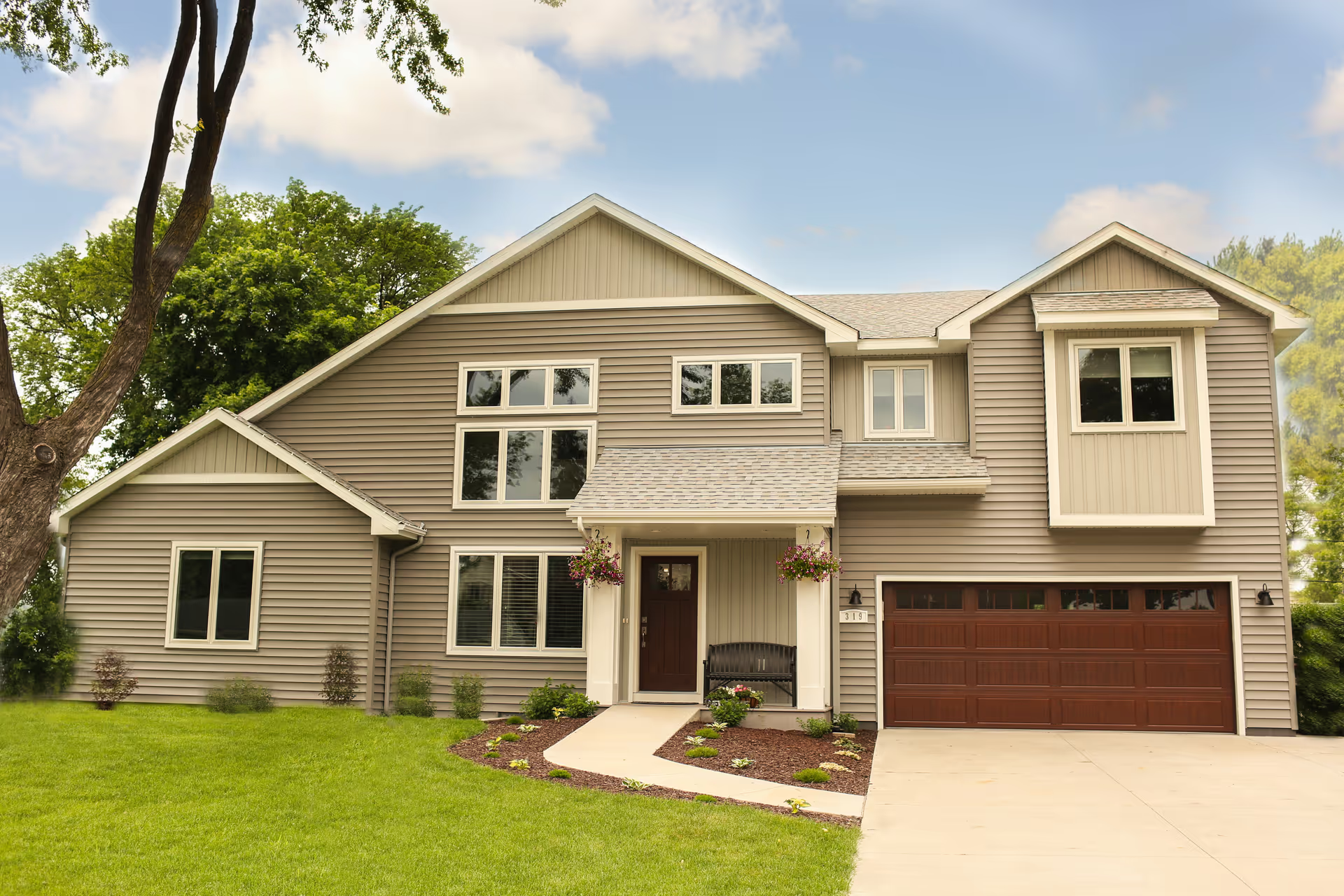
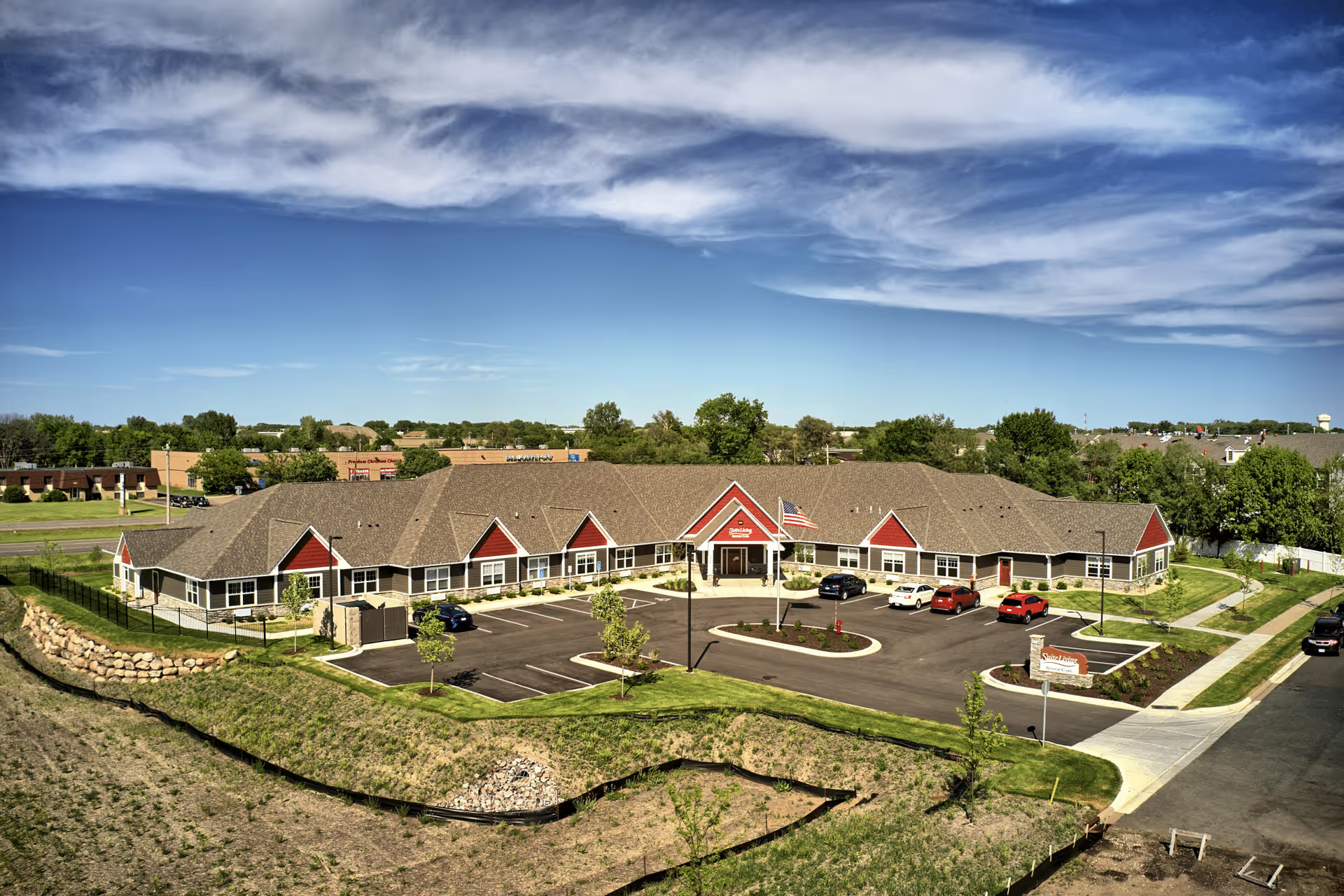
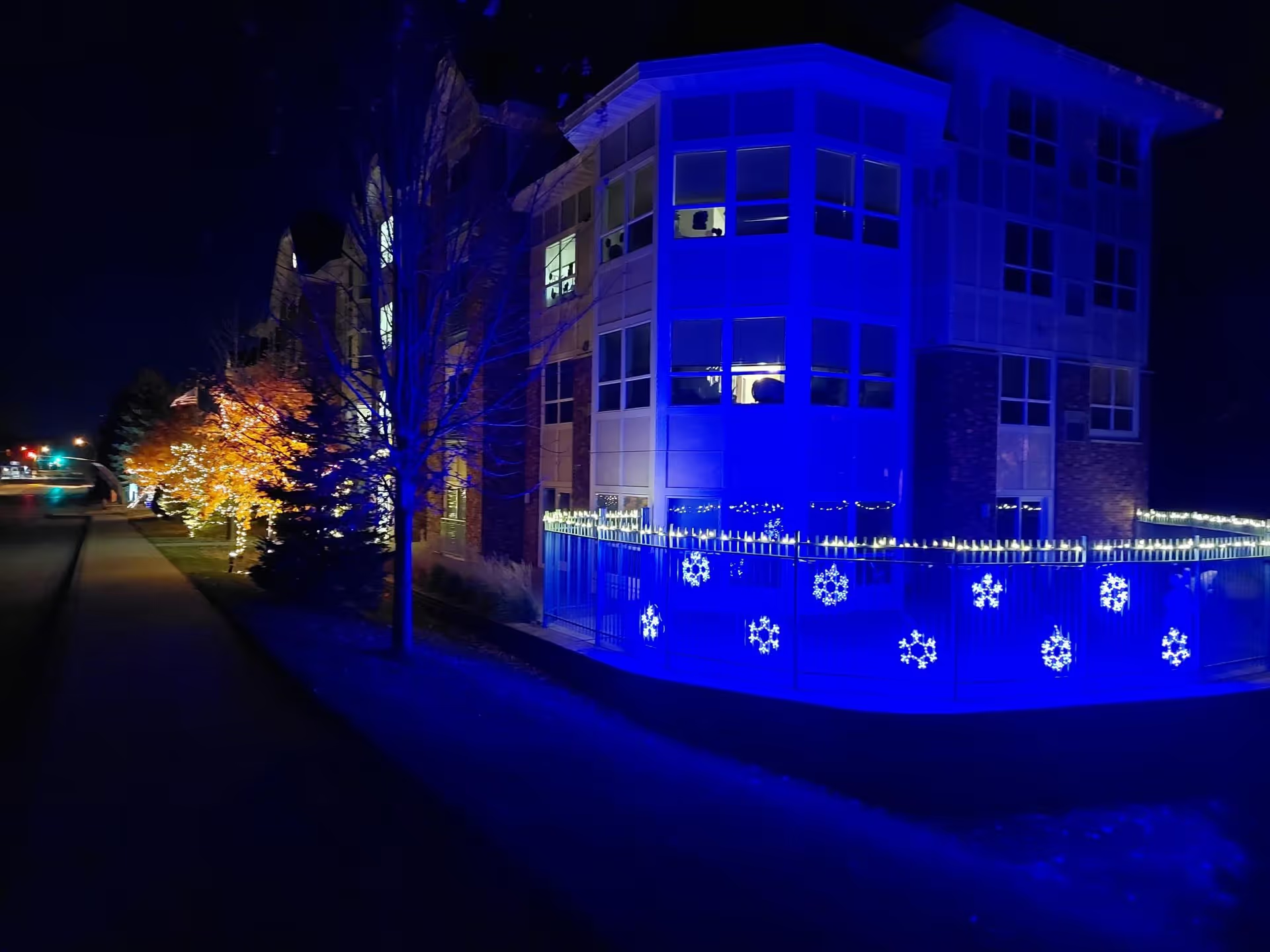
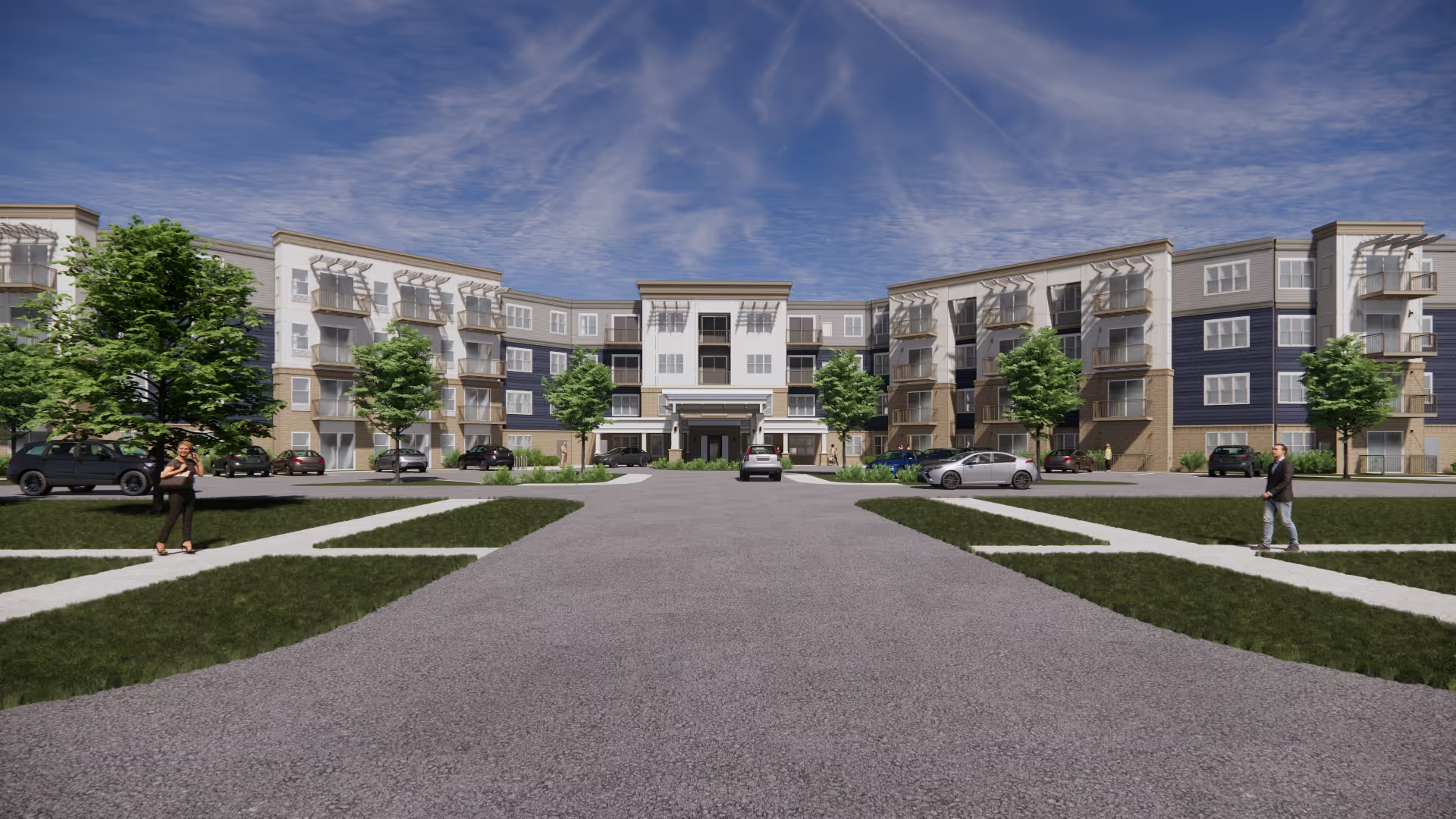
The Estates at Roseville elicits strongly polarized impressions across reviewers. Many families and short-stay patients praise the facility’s therapeutic capabilities and compassionate frontline staff: the rehabilitative therapy team, some nurses, and aides are frequently described as skilled, attentive, and person-centered. Memory-care competency and support services such as on-site social work and occasional physician availability are cited as strengths when present. The campus setting, outdoor garden and gazebo, and rooms with lake/park views are consistently named positives, as are an on-site kitchen, a variety of meal choices, and programmed events including live music.
Concurrently, a substantial number of reviews describe operational inconsistencies that materially affect resident experience. Staffing levels are uneven and there is reported reliance on agency or third-party personnel; these fluctuations correlate with slow responses to call lights, delayed assistance with toileting and transfers, and interruptions in scheduled care tasks such as bathing. Several accounts indicate gaps in medication timeliness and clarity of medication administration, and there are specific concerns about timely oxygen and emergency response procedures. Together these point to uneven clinical incident response and handoff reliability.
Cleanliness and building condition are another area of divergence. Numerous reviewers commend a clean, well-maintained interior and attentive housekeeping, while others describe sanitation concerns, odor issues in common areas, and visible deferred maintenance such as peeling wallpaper and areas awaiting renovation. The facility’s age and pandemic-related pause on redecorating were noted as contributing factors. These mixed observations suggest that overall environmental quality may vary by unit or depend on current staffing and maintenance cycles.
Dining and activities show similar variability. The kitchen is generally viewed favorably for menu variety and entrée options, and therapy-driven rehabilitation stays are often described as effective. However, families report inconsistent meal-service continuity and occasions when assistance with dining was not available. Activity programming and one-on-one engagement are present and appreciated — particularly music and outdoor offerings — but memory-care residents may experience reduced individualized activity options during staffing shortages.
Management, communication, and transitions generate mixed feedback. Some families highlight collaborative leadership, clear communication, and smooth short-term rehab transitions. Other families report difficulty getting timely responses from administration, unsatisfactory discharge coordination, and problems scheduling transports or procedures. There are serious, individual-level complaints including allegations related to a resident's death and other adverse outcomes; while these appear to be isolated in nature, they underscore concerns about incident escalation, family notification, and accountability mechanisms.
In summary, The Estates at Roseville appears to provide strong rehabilitative services, compassionate caregiving, and an attractive campus for many residents, particularly for short-term skilled nursing and therapy-focused stays. At the same time, persistent themes of inconsistent staffing, periodic lapses in responsiveness and medication timing, variable cleanliness and maintenance, and uneven management communication warrant careful inquiry. Prospective residents and families should prioritize an in-person assessment focused on current staffing patterns, unit cleanliness, call‑bell response times, transfer and fall-prevention protocols, medication administration processes, and recent maintenance or renovation activities. Asking for recent staffing schedules, therapy progress examples, and references from current families may help clarify whether a particular unit or timeframe aligns with the outcomes reported by those who had positive experiences.