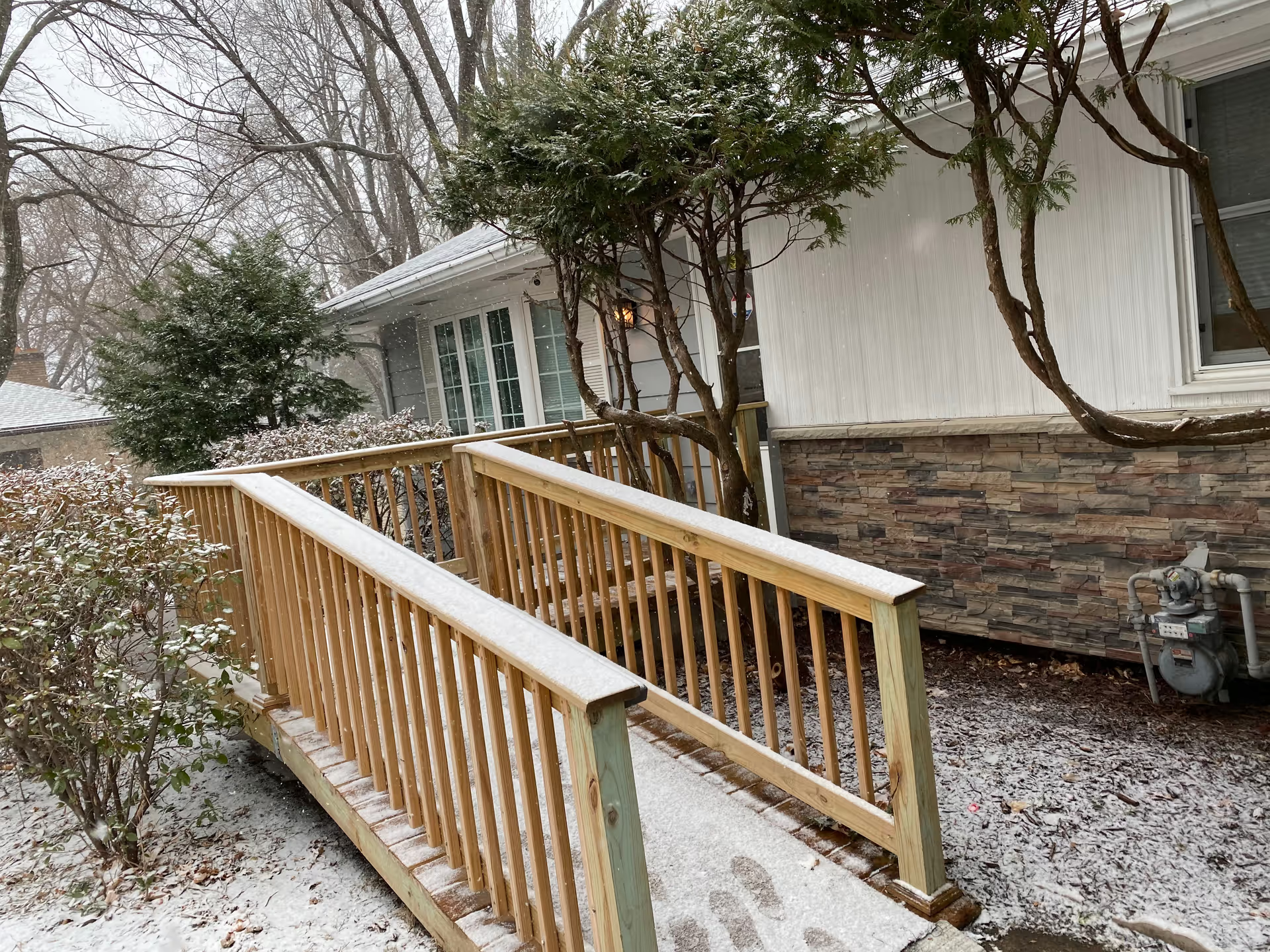
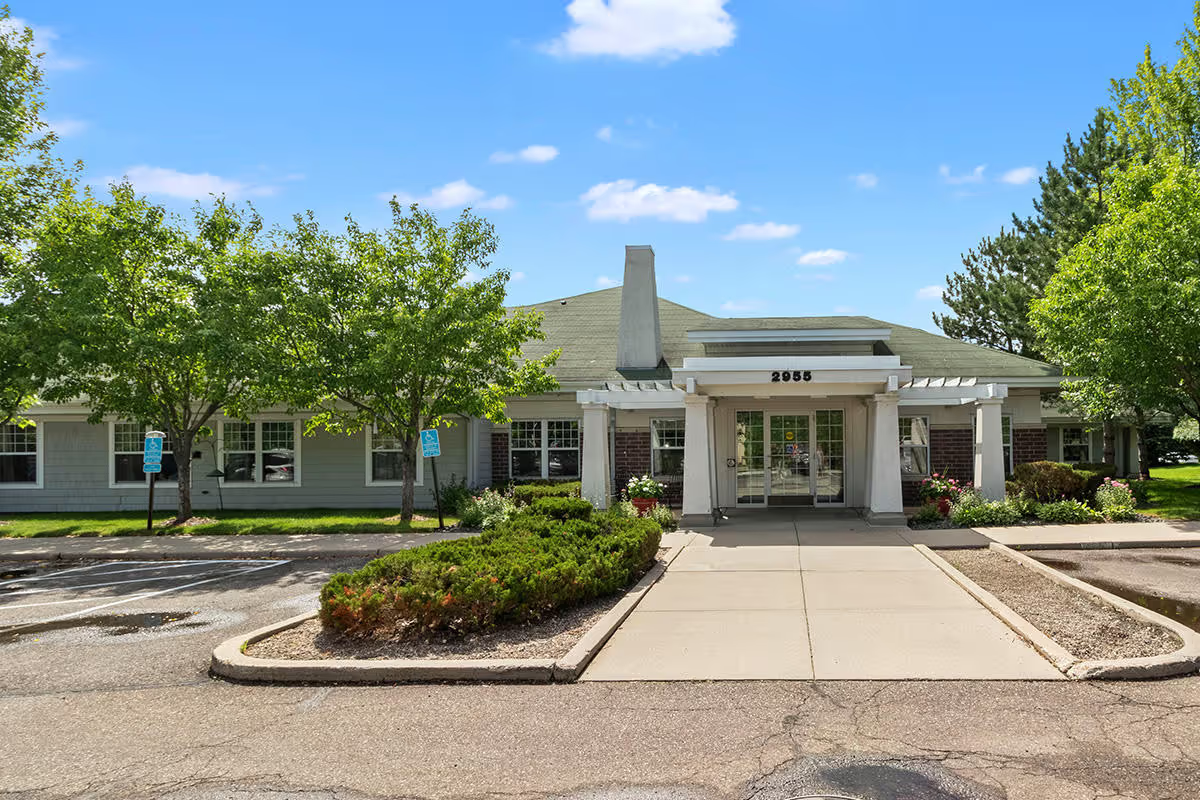
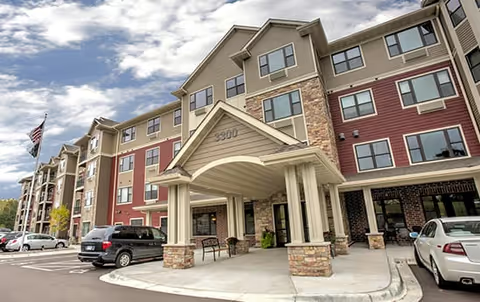
The reviews of The Villas at Roseville present a polarized picture: many families and residents describe attentive, warm interactions with individual caregivers and therapists, while others raise significant operational and clinical concerns. Positive accounts emphasize personable nursing and aide staff, effective physical and occupational therapy, supportive hospice coordination, private rooms with courtyard views, and generally pleasant meals. Several reviews also note helpful reception staff, an activities calendar and communal TV areas, and some improvements in room organization and cleanliness over time.
Care quality and staffing are the most consistent themes. Praise centers on compassionate direct-care staff and goal-oriented therapy that supported recovery and discharge home. At the same time, numerous accounts point to chronic understaffing, high turnover, and slow or inconsistent responses to call lights and care requests. Reviewers described missed or delayed repositioning and assistance with mobility, which they experienced as gaps in daily personal care. Training gaps and inconsistent transfer practices were also mentioned, suggesting uneven competence across staff on safe-lift and handling procedures.
Clinical coordination and medication management are areas of concern. Several families reported inconsistent medication communication, unexpected changes in diabetes management, and incomplete medication reconciliation at discharge. There are also descriptions of limited access to specialists and inadequate clinical follow-up after acute events, which contributed to preventable hospital transfers in some accounts. These patterns point to weaknesses in interdisciplinary coordination and discharge planning.
Sanitation, facilities, and meals elicited mixed feedback. Positive comments described clean, comfortable rooms and flavorful meals; negative feedback focused on room-maintenance issues (sticky bathroom floors, garbage not emptied, humidity concerns), sanitation lapses, and pest-control concerns in parts of the facility. Dietary accommodations appear inconsistent: some residents received appropriate meals, while others experienced ignored dietary restrictions or lack of a diabetic menu.
Management, communication, and administrative controls show variability. Many reviewers reported slow or evasive communication from management, limited follow-up after incidents, and problems with billing or missing personal items; a subset of complaints raised allegations of unauthorized charges and poor control over residents’ belongings. Discharge coordination was frequently criticized—families described hurried or incomplete discharge communications, late delivery of home-care supplies, and medication errors at transition.
Activities and environment are generally positive where staffing and maintenance are adequate: residents cited an activities calendar, communal spaces, and an open hall with TV as helpful for social engagement. Conversely, limited visiting spaces and time-restricted visit policies were noted in a few accounts.
Overall, The Villas at Roseville appears to deliver strong rehabilitative therapy and warm direct-care relationships in many cases, but persistent operational issues—chiefly understaffing, inconsistent communication, sanitation and maintenance gaps, medication and discharge coordination problems, and administrative control weaknesses—create risk for variable resident experience and outcomes. Prospective residents and families should tour the unit, ask specific questions about current staffing levels, medication reconciliation and diabetic meal practices, infection-control and pest-management measures, personal-belonging safeguards, and the facility’s discharge-planning processes before making placement decisions.