Reviews describe a facility with sharply mixed experiences: some families cite compassionate caregivers, engaged nursing, improved leadership and a remodeled first-floor common area, while others document persistent operational shortcomings. The net impression is variability in day-to-day care and facility management, with clear examples of both effective practices and significant gaps.
Care quality and staff: many comments praise individual caregivers and nurses for compassion and responsiveness; reviewers also describe instances of attentive end-of-life support and strong family communication under certain leaders. Counterbalancing those positives are repeated accounts of chronic understaffing, high turnover, long response times to resident calls, and inconsistent staff training. Several reviews raise concerns about medication and clinical management practices, including forced medication attempts and abrupt changes to therapy services. These describe systemic process gaps rather than isolated scheduling differences.
Dining and activities: dining quality appears inconsistent. Some families describe homestyle meals and residents eating well; others report substituted or poor-quality meals and unreliable meal-service continuity. Activities and programming are present and, in some reports, engaging, but access to them can be limited by staffing levels and constrained common spaces.
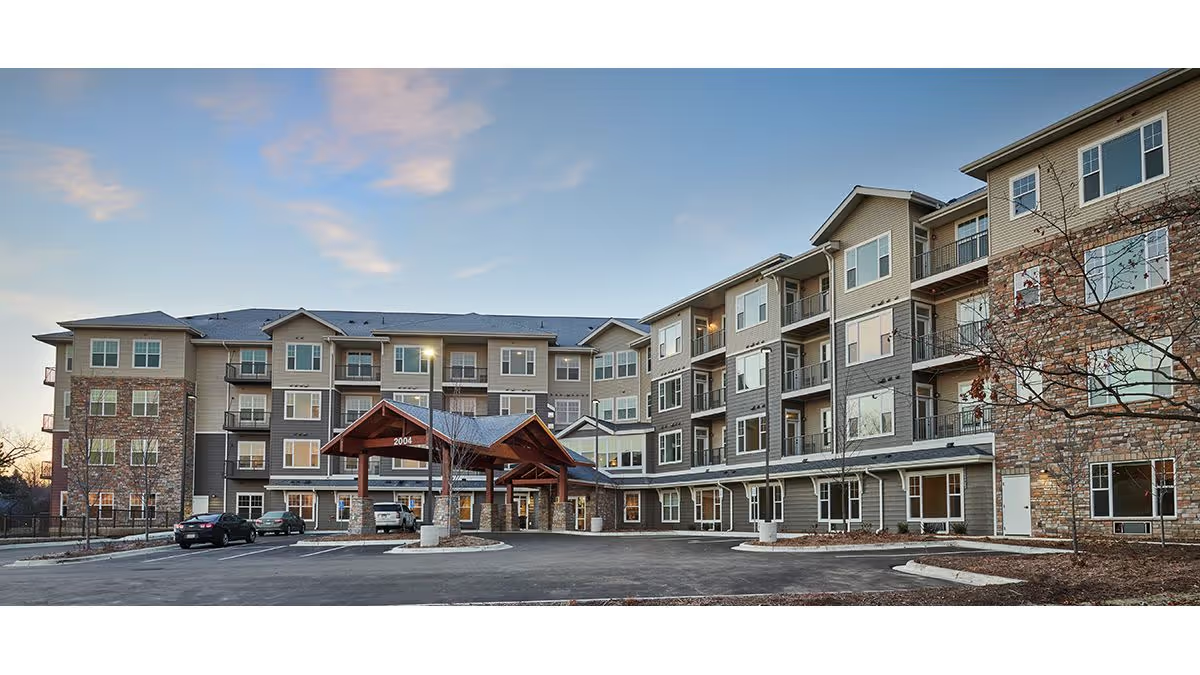
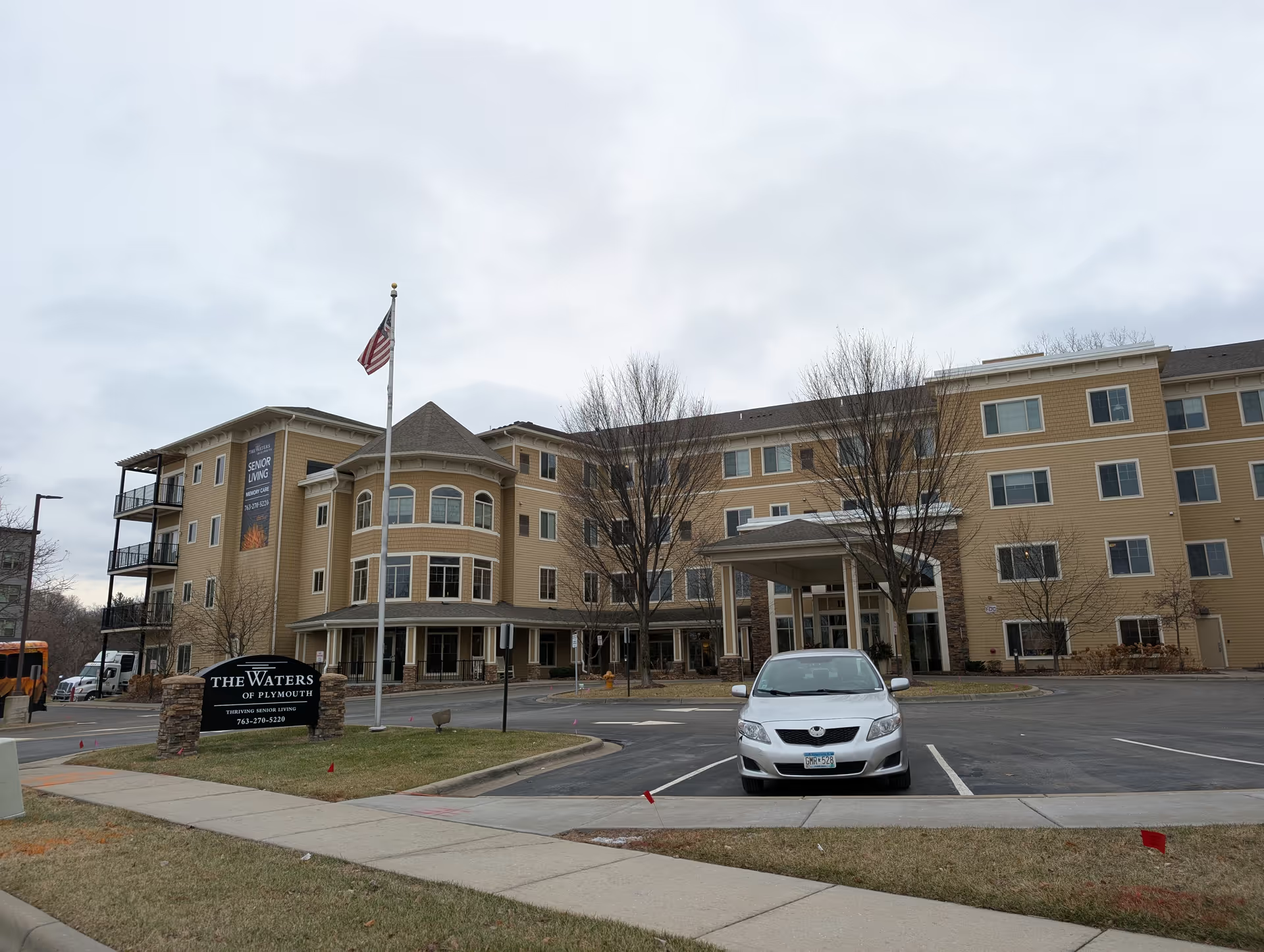
Facilities and sanitation: the building appears to be an older property with limited private-room availability and small shared rooms in places. Renovations to first-floor common areas and completed equipment repairs are noted positively. At the same time, multiple reviews identify sanitation concerns, odor concerns in hallways and entrances, pest-control gaps, and limited cleaning consistency in resident rooms and shared spaces. These issues contribute to perceived reductions in dignity and comfort for some residents.
Safety, security and monitoring: reviewers raise concerns about personal-belonging safeguards, with allegations of missing items and inadequate accountability. There are also mentions of unreliable call-button systems, inadequate incident-response processes, and limited monitoring (cameras or other oversight). A few comments describe infection-control lapses, including instances tied to communicable infections, which point to weaknesses in protocol adherence and signage.
Management and administration: experiences with management vary. Several families commend new leadership, a responsive director of nursing, corrective actions (repairs, laundry fixes) and improved communication. Others describe ongoing problems with billing and documentation, and some make serious allegations regarding theft or financial misconduct. This split suggests recent leadership changes may have improved some operational areas while other legacy issues persist.
Notable patterns and considerations: the dominant pattern is variability — some units and shifts operate at a high standard while others demonstrate persistent operational weaknesses. Problems most frequently cited are staffing instability, inconsistent sanitation and pest control, meal-service reliability, property-security safeguards, and gaps in clinical incident response. Prospective residents and families should plan an in-person inspection focused on staffing levels at different times of day, cleaning and infection-control practices, pest management, call-response timeliness, meal samples, documentation of therapy and medication policies, and clear explanations of billing and property-protection policies. The facility shows both areas of genuine strength and recurring operational risks; decisions should weigh recent leadership improvements against the persistence of systemic issues.