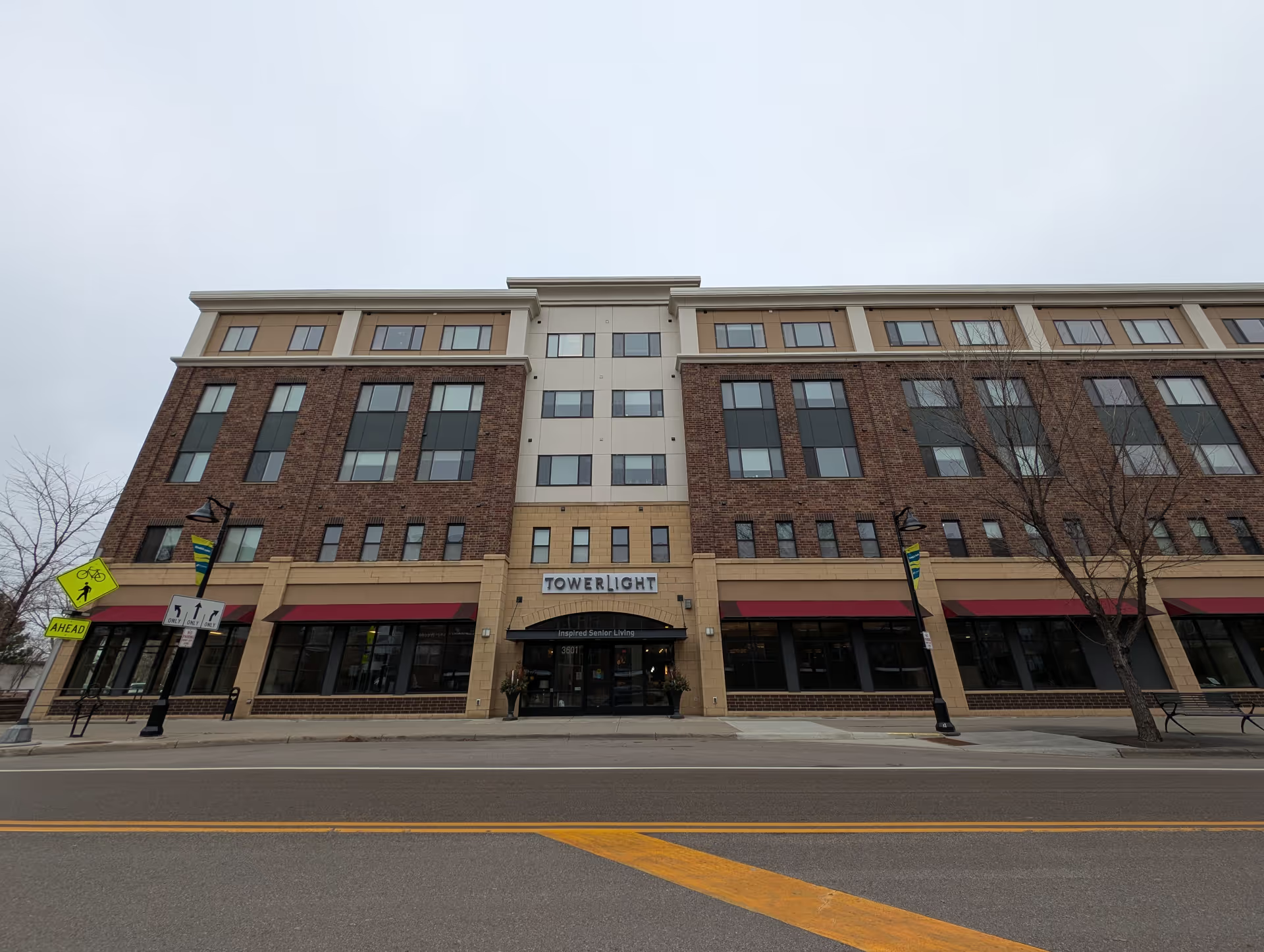
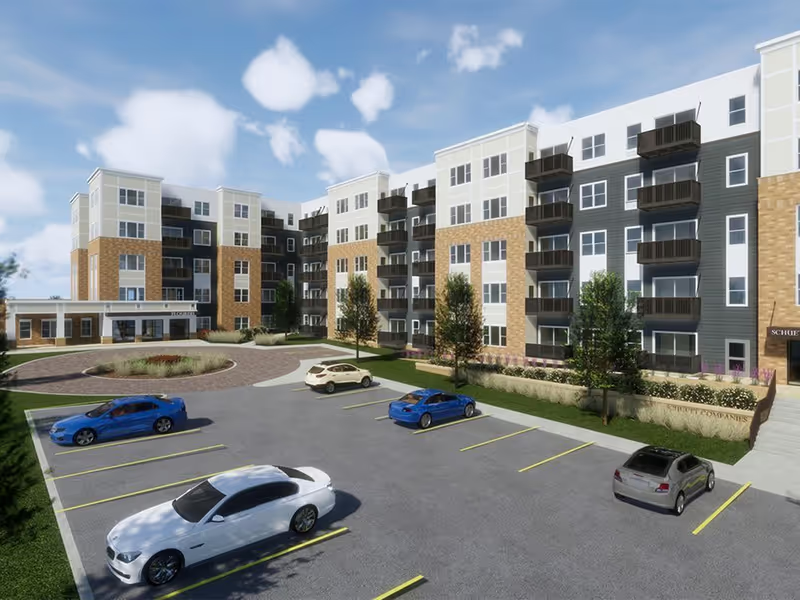
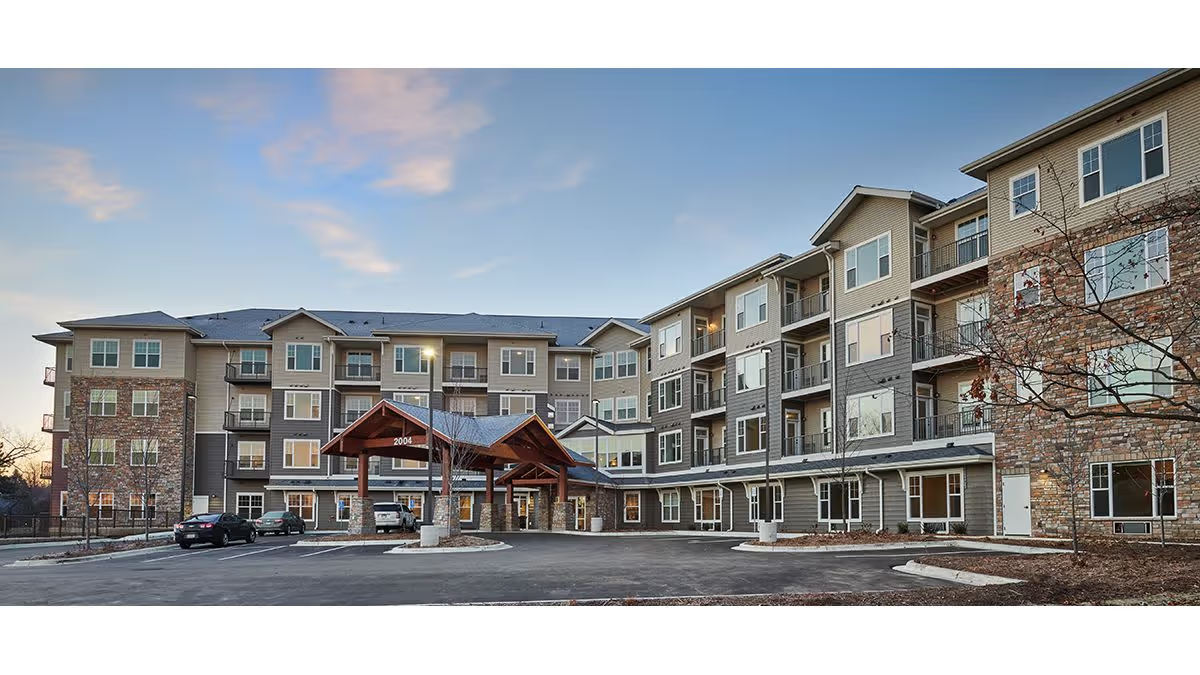
The Villas at the Cedars elicits highly polarized feedback: families and residents describe both strong, compassionate hands-on care from individual nurses and therapists and substantial operational shortcomings that affect safety, comfort, and continuity of care. Many reviewers singled out specific staff members and therapy services as strengths, noting effective rehabilitation, attentive nursing, and friendly front-line personnel. At the same time, the facility appears to struggle with systemic issues that lead to inconsistent resident experiences.
Clinical care quality is uneven. Positive observations emphasize competent nursing and effective physical/occupational therapy leading to functional improvement for some residents. Conversely, operational weaknesses included delayed or missed clinical monitoring (wound care, hypoglycemia response, blood-pressure rechecks), medication-administration errors or lapses in supervision, and reports of delayed relief of pain or basic care tasks. There are also mentions of infection-control concerns and instances where residents required hospitalization; these items point to gaps in day-to-day clinical oversight and escalation processes.
Staffing and staff conduct are recurring themes. Multiple accounts describe dedicated and kind caregivers, while other accounts identify inconsistent staffing coverage, long call-light response times, limited overnight nursing presence, and variability in staff communication style and professionalism. Reviewers noted helpful, friendly front-desk and therapy staff as well as specific caregivers who provided notable support. At the same time, families described difficulty reaching social-work or administrative staff, unreturned calls, and perceived unresponsiveness from leadership during transitions or after adverse events.
Dining, activities, and resident comfort receive mixed feedback. Some residents and families praised the meal variety and described satisfying dining experiences; others raised concerns about food quality, dietary accommodations, and food-safety or sanitation issues in the kitchen or dining area. The rehabilitation program and outpatient therapy offerings were identified as a strong point by multiple families. Activity programming and general engagement were not a major focus in the available summaries, though the quiet location and access to therapy were viewed positively.
Facility condition and safety features show variability. Praise centers on clean interior areas and tidy hallways in several accounts, but there are also specific sanitation and odor concerns noted in resident rooms and some common areas, plus maintenance deficits such as exterior clutter, delayed cleanup, and aging room infrastructure. Security and financial controls emerged as an important concern: allegations of mishandled funds and theft, along with limited hallway camera coverage, were raised and contributed to worries about resident vulnerability and bookkeeping practices.
Management and operational leadership present a mixed picture. Some reviewers described kind, helpful management and effective admissions/rehab coordination, while others experienced unhelpful administration, poor discharge coordination, and communication breakdowns with home health. These mixed impressions suggest that positive experiences often depend on specific staff members and shifts rather than consistently reliable systems. Notable patterns include a dependence on individual caregivers for quality outcomes, recurring staffing shortages that affect routine care, and lapses in sanitation, security, and communication processes.
For prospective residents and families: verify staffing levels and overnight clinical coverage, ask about medication-administration procedures and wound/infection monitoring, review recent inspection or complaint history, tour kitchen and resident rooms for sanitation and maintenance, confirm specific dietary accommodations, and request clarification on financial safeguards and visitor policies. Meeting the care team, identifying the therapists and nurses who will be assigned, and establishing a clear discharge and communication plan can help mitigate some of the variability reflected in these summaries.