Review feedback presents a mixed but consistent pattern: many families and residents describe warm, attentive caregivers, an active social program, and well‑kept communal spaces, while other accounts point to operational weaknesses that affect day‑to‑day reliability.
Care quality and staff: A strong theme is the presence of compassionate, long‑tenured nursing and caregiving staff who create a family‑like atmosphere and provide effective rehabilitation (PT/OT) for some residents. Several comments single out an activities director and assistants for improving resident engagement. At the same time, there are recurring concerns about inconsistent staffing levels, particularly during nights and after hours, which reviewers link to slow response times to call buttons, delays in medication administration, and lapses in assistance. There are also repeated observations about staff conduct (excessive personal device use) and uneven supervision, producing variable experiences depending on shift and personnel.
Dining and nutrition: Opinions about dining are polarized. Many reviews praise varied menus, included meal options, and a positive dining environment, while a contrasting set of accounts describes inconsistent meal preparation and failures to reliably accommodate special diets (for example, gluten‑free needs). Prospective residents should enquire specifically about current kitchen staffing, menu cycles, and formal processes for managing dietary restrictions.
Activities and community life: Activity offerings and faith‑based programming are consistently cited as strengths. Live music, weekly traditions, crafts, games, and religious services contribute to a sense of belonging for many residents. Organized transportation and outings add to the community’s social value. These elements are among the facility’s most frequently noted positive attributes.
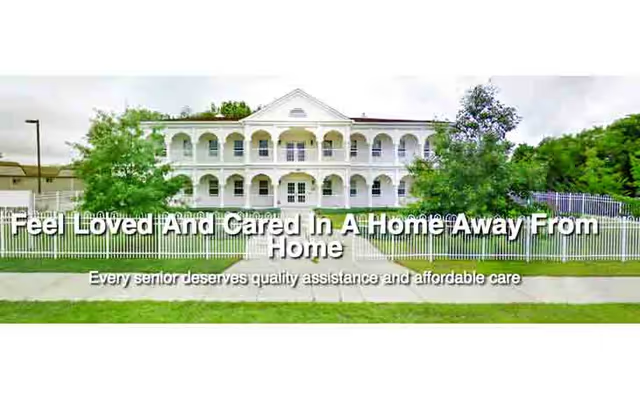
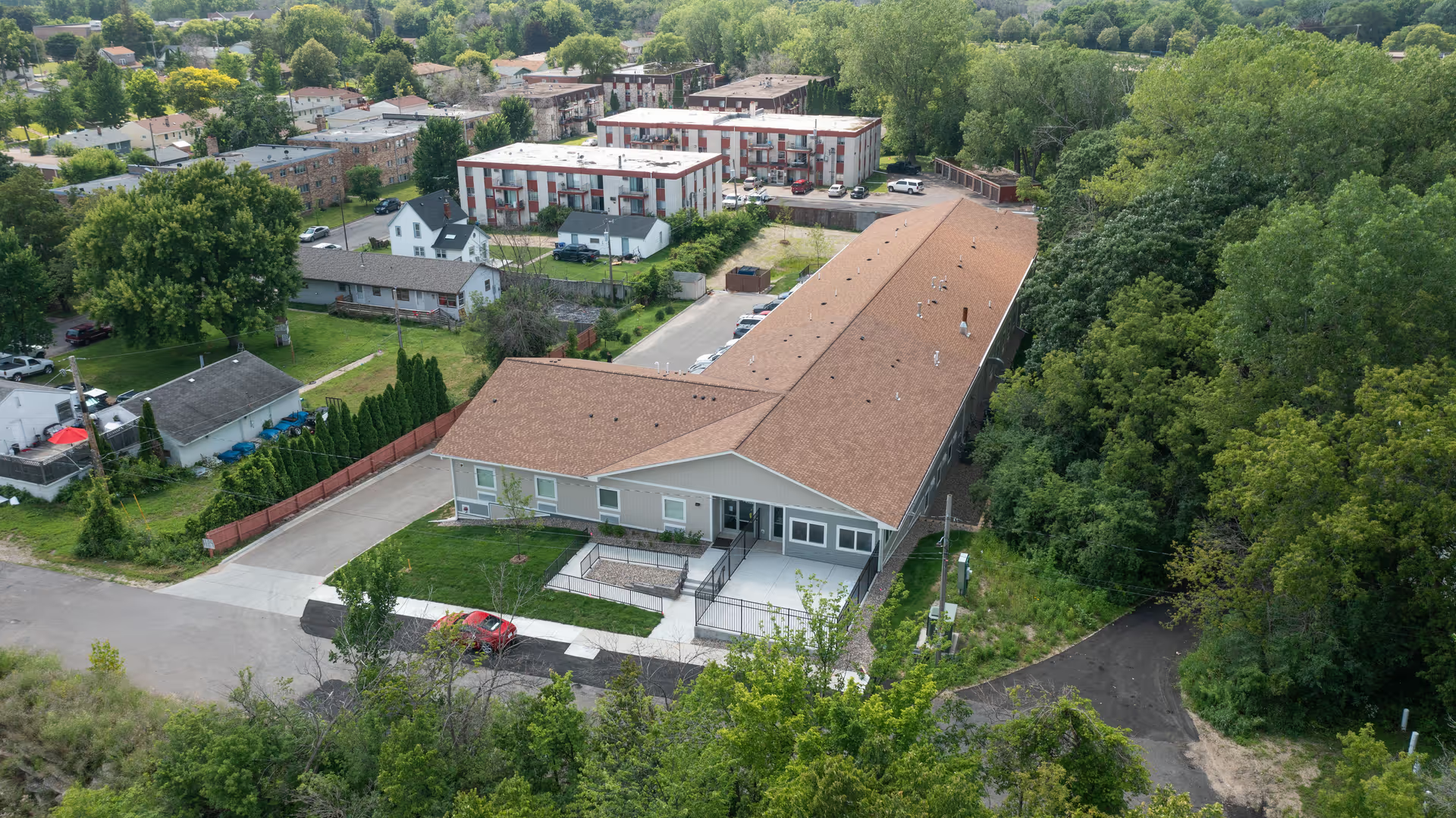
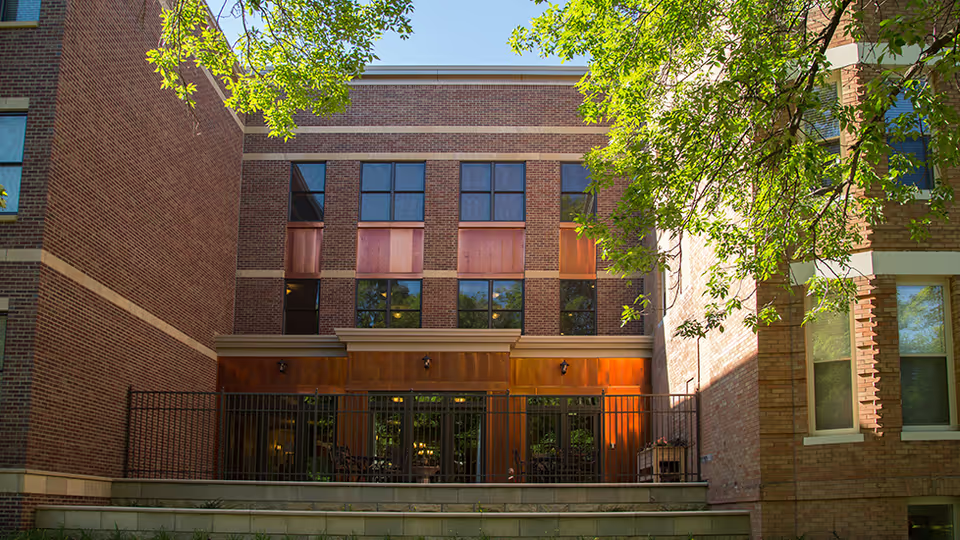
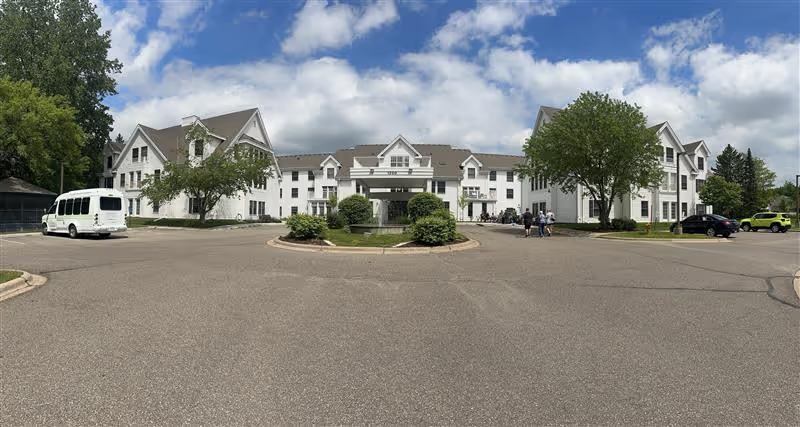
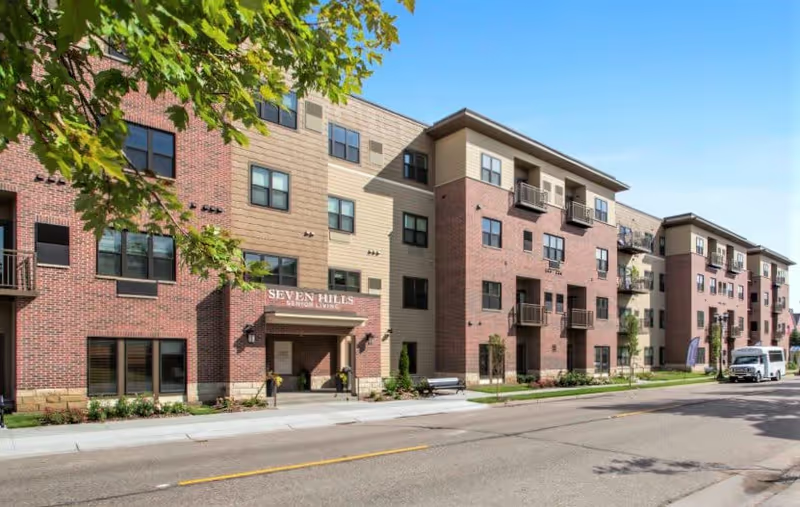
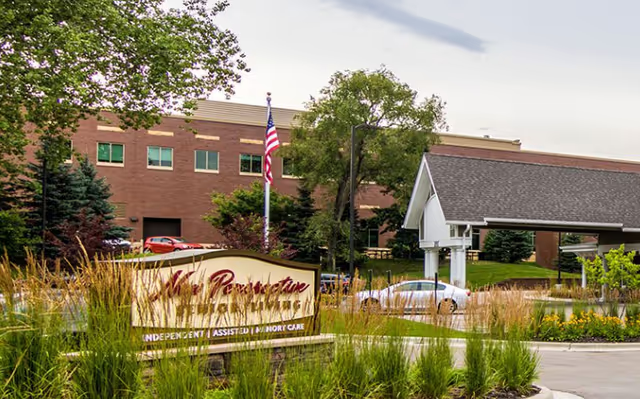
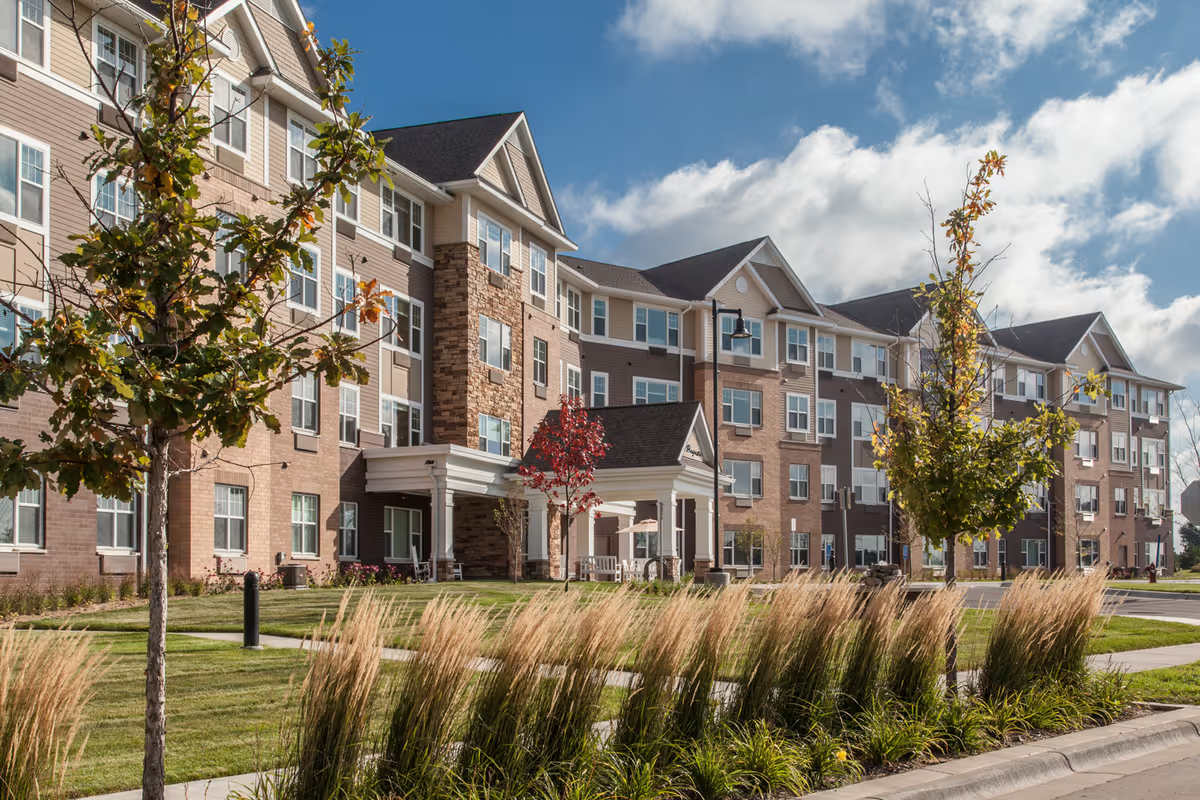
Facilities and safety: The building and grounds are generally described as clean, with attractive common areas, an enclosed courtyard, and private apartment options that include in‑room bathrooms and scenic views. However, the facility is noted as older in parts and some areas would benefit from updates. Accessibility and fall‑prevention features are uneven; reviewers cite tight shared rooms for mobility devices and missing bathroom grab bars in some units. There are also specific cleanliness and linen‑management concerns, and a few accounts of device‑placement or equipment safety lapses that warrant direct inquiry during a tour.
Management, administration, and patterns to verify: Management is a polarizing topic. Positive accounts note conscientious leadership and good follow‑through, while negative accounts point to poor communication with families, administrative disorganization (including billing and misplaced personal items), and perceived lack of accountability when problems arise. After‑hours access and responsiveness is a recurring operational gap. These patterns suggest variability in how policies are applied across shifts and that prospective families should ask for concrete policies on incident reporting, family communication pathways, after‑hours coverage, dietary accommodations, laundry handling, and staffing ratios.
Bottom line: The community offers clear strengths in caregiving relationships, social programming, faith services, and attractive common areas. However, there are recurring operational issues around staffing consistency, communication, meal reliability, sanitation/linen management, and administrative follow‑through. Families considering this facility should arrange multiple visits at different times of day, request current staffing and incident‑response metrics, review dietary‑accommodation procedures, and obtain written policies regarding after‑hours access and property handling to ensure the community’s operational practices meet their expectations.